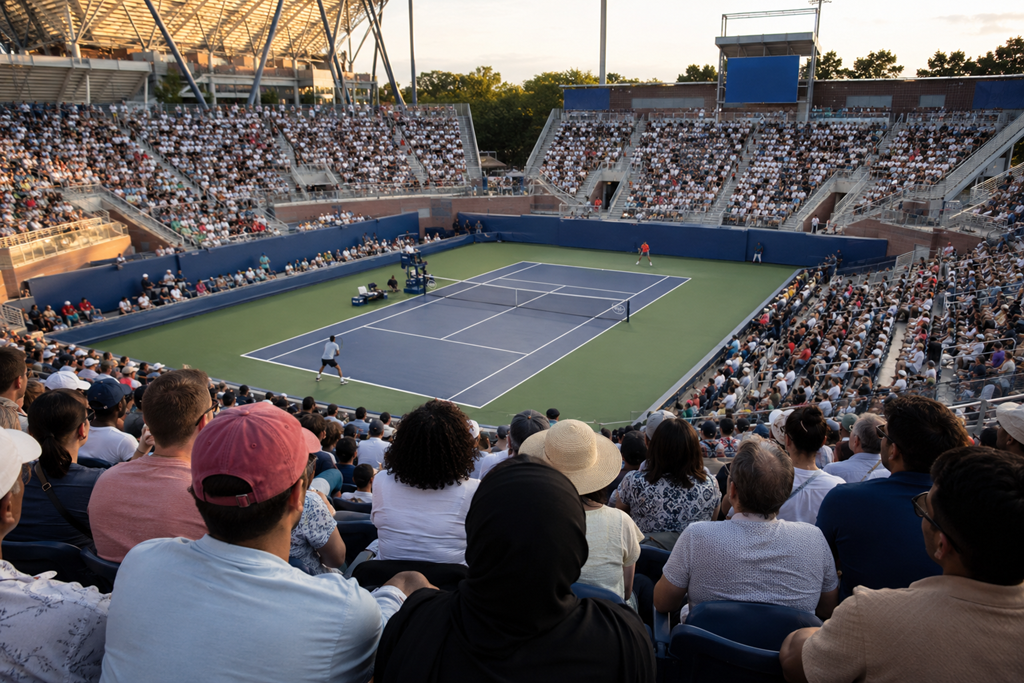
The easiest way to avoid planning mistakes during US Open tennis travel is to treat the trip as both a New York travel experience and a full-day sporting event. Many visitors focus on tickets first, then figure out transportation, timing, lodging, meals, weather, and bag rules later. That is where the stress usually begins.
The US Open is not difficult to enjoy, but it does reward realistic planning. You are traveling to a major sports event in Queens, often during hot late-summer weather, with large crowds, long sessions, security screening, multiple courts, and a city transportation system that can feel unfamiliar if you do not use it often.
A better approach is simple: choose tickets you understand, stay where transportation makes sense, arrive earlier than feels necessary, pack lightly, and leave room in your day for matches to run long. The goal is not to control every detail. It is to remove the avoidable friction so the tennis can be the focus.
The US Open Is Not Just One Match on One Court
A common first mistake is thinking of the US Open like a single stadium event. In reality, the experience can vary a lot depending on your ticket, session, court access, and the round you attend.
Arthur Ashe Stadium tickets include a reserved seat in Ashe, while grounds passes do not provide access to Arthur Ashe Stadium. Grounds passes can still offer first-come, first-served access to Louis Armstrong Stadium, the Grandstand, and field courts, depending on capacity and the session structure.
That difference matters because your ticket shapes your whole day. Someone with a reserved Ashe seat may build the day around marquee matches. Someone with a grounds pass may spend more time moving between outer courts, watching rising players, doubles, practice sessions, and shorter match windows.
Neither approach is wrong. The mistake is buying a ticket without understanding what kind of day it creates.
The Best Ticket Is the One That Matches Your Travel Style
If you are traveling from out of town, your ticket decision should not be based only on the biggest names. It should also reflect your tolerance for movement, crowds, heat, and uncertainty.
A reserved stadium ticket can make the day feel more anchored. You know you have a seat for the session you bought. That can be reassuring if you are bringing family, traveling with older relatives, managing a tight schedule, or simply want a more predictable experience.
A grounds pass can feel more flexible and exploratory. It can be a great fit if you enjoy wandering, discovering matches, and seeing more of the tournament atmosphere. But it also requires more patience. Popular courts can fill, seating may be limited, and your day may involve more walking and waiting.
The planning mistake is assuming “more flexible” automatically means “easier.” At a major event, flexibility can be wonderful, but it still needs a plan.
Staying in Manhattan Is Convenient, but Not Always Effortless
Many US Open travelers stay in Manhattan because it offers more hotel choices, restaurants, sightseeing, and airport connections. That can work well, especially if the trip includes more than tennis.
But the tournament is held at the USTA Billie Jean King National Tennis Center in Flushing Meadows, Queens. The official US Open transportation guidance points visitors toward the 7 subway line and the Long Island Rail Road to Mets-Willets Point, which is located close to the venue.
That means the best hotel choice is not always the one closest to Times Square, Central Park, or a famous neighborhood. It is often the one that gives you a simpler route to the 7 train, LIRR, or another practical connection.
This is especially important for night sessions. A late match can turn a simple evening into a tiring return trip if your hotel requires multiple transfers, a long walk, or a rideshare scramble after midnight.
Rideshare Is Not a Complete Transportation Plan
It is easy to assume you can solve transportation with a rideshare app. For US Open travel, that can be an expensive or frustrating assumption.
Large event crowds create pickup delays, traffic congestion, surge pricing, and confusion around designated pickup areas. Public transportation is often the more predictable option because the venue is directly served by subway and LIRR access nearby. The MTA also notes that the National Tennis Center is accessible by subway, bus, and Long Island Rail Road.
That does not mean you should never use a car. It means you should avoid making rideshare your only plan, especially after a night session or during peak exit times.
A calmer plan is to know your public transit route before the day begins, decide when a car would actually help, and avoid making transportation decisions only after thousands of other people are leaving at the same time.
Arriving “On Time” May Already Be Too Late
For a normal reservation, arriving on time is enough. For the US Open, “on time” can still feel rushed.
You may need time for transit delays, walking from the station, security screening, finding your court, locating restrooms, buying water or food, and adjusting to the layout. If you are attending your first session, the venue itself takes a little time to understand.
This matters because tennis has a different rhythm than many sports. You usually cannot move freely to your seat during active play. Movement is often controlled between games or changeovers, which means arriving a few minutes late can lead to waiting at an entrance while play continues.
The avoidable mistake is planning your arrival around the posted session time instead of the real experience of getting settled.
Bag Rules Can Disrupt an Otherwise Good Day
Packing for the US Open should be simple and intentional. The official US Open security guidance limits guests to one bag, and bags must not be larger than 12 inches wide by 12 inches high by 16 inches long. All bags are subject to search.
This is where travelers often create problems for themselves. They bring a normal sightseeing backpack, extra shopping items, bulky camera gear, or a bag that worked fine for the airport but does not fit event rules.
For a sports tourism trip, your event-day bag should not be your whole travel bag. Keep it light, compliant, and easy to carry for several hours. Think essentials, not comfort clutter.
Weather Planning Is Part of the Tennis Experience
US Open travel often happens in late summer, when New York can be hot, humid, rainy, or surprisingly variable. Even with stadium seating and modern facilities, you may spend a lot of time walking between courts, standing in lines, sitting in sun-exposed areas, or waiting outside.
A common mistake is dressing for a New York trip but not for a long outdoor sports day. Comfortable shoes, sun protection, breathable clothing, and a realistic hydration plan matter more than looking perfectly polished.
This is not about overpacking. It is about respecting how long the day may be. A tennis session can stretch, matches can run longer than expected, and the most memorable part of the day may happen after you thought you would already be back at the hotel.
Trying To See Everything Can Make the Day Feel Smaller
The US Open offers a lot: stadium matches, outer courts, practice courts, food areas, merchandise, fan spaces, and the energy of a major Grand Slam crowd. That abundance is part of the appeal.
It can also create decision fatigue.
Some travelers spend so much time chasing the “best” match that they miss the match in front of them. They bounce between courts, check schedules constantly, stand in lines repeatedly, and end up feeling like they experienced the event in fragments.
A better mindset is to choose a loose priority for the day. Maybe you want to see one marquee match, one outer-court match, and some time exploring the grounds. Maybe you want to stay mostly in your reserved seat and keep the day relaxed. Maybe your goal is to experience the atmosphere rather than maximize the number of players you see.
The point is not to under-plan. It is to avoid turning a memorable sports trip into a scavenger hunt.
Food, Breaks, and Energy Deserve a Place in the Plan
Food planning is easy to ignore until you are tired, hungry, and standing in a long line between matches. At a major sporting event, your meal timing affects more than your appetite. It affects what tennis you see, how patient you feel, and whether the day becomes enjoyable or draining.
The mistake is assuming you will simply “grab something when there is time.” Tennis does not always create clean breaks. A match you thought would be short can become a long five-set battle. A session can shift in energy. A court you wanted to enter may be easier to access at one moment and crowded the next.
Build in a natural pause instead of waiting until everyone in your group is already worn out. A calm break can make the second half of the day much better.
Night Sessions Need Their Own Travel Plan
Night sessions can be special. The atmosphere is different, the lights are bright, and the crowd often feels more energized. But night sessions also require extra planning.
The biggest mistake is treating a night session like an evening show with a predictable end time. Tennis does not work that way. Matches can run long, and a late finish can affect transit, rideshare availability, food options, and how tired you feel the next morning.
Before attending a night session, know how you will get back to your hotel if the session ends later than expected. Check your route, understand your transfer points, and avoid relying on a vague plan like “we’ll figure it out after.”
That one step can make the difference between a great late-night sports memory and a stressful end to the day.
The Most Common Mistake Is Planning the Trip Around the Ideal Version
The ideal version of US Open travel is easy to imagine: smooth transit, perfect seats, comfortable weather, short lines, great matches, and a relaxed dinner afterward.
The real version may still be wonderful, but it will probably include some waiting, walking, heat, schedule changes, crowds, or decisions you have to make on the fly.
That is not a failure. It is part of attending a major sporting event.
The key is to plan for the real version without becoming anxious about it. Give yourself more time than you think you need. Understand your ticket. Choose lodging based on transportation, not just neighborhood appeal. Pack for the venue, not just the trip. Keep your schedule lighter than your excitement wants it to be.
A Better US Open Trip Feels Prepared, Not Overplanned
Avoiding planning mistakes during US Open tennis travel is mostly about matching expectations to reality. The tournament is exciting, busy, layered, and highly rewarding when you give yourself enough structure to enjoy it.
You do not need to plan every minute. You do need to understand the basics that shape the day: ticket access, transportation, arrival time, bag rules, weather, food breaks, and the possibility that tennis may not follow your preferred schedule.
When those pieces are handled calmly, the trip becomes easier to enjoy. You can pay more attention to the sound of the ball, the energy of the crowd, the surprise of a close match, and the feeling of being part of one of tennis’s biggest events.
That is the real purpose of planning well. Not to make the trip perfect, but to make it easier to be present for the experience you came to have.
Download Our Free E-book!