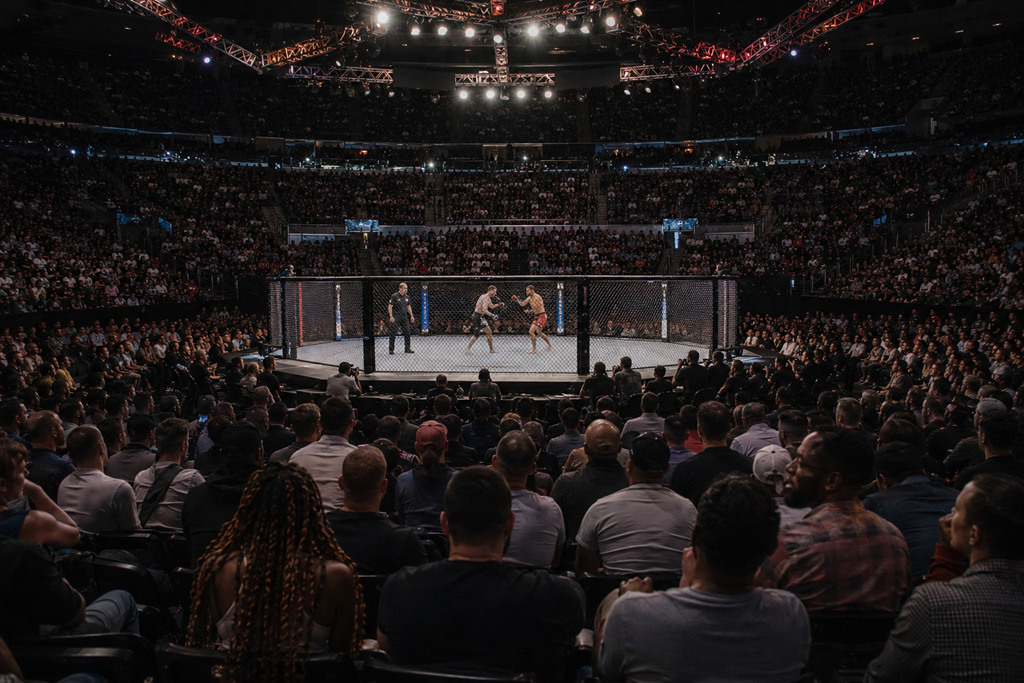
A realistic UFC fight weekend budget is not just the price of the ticket. It should include the full cost of being there: event tickets, hotel nights, flights or driving expenses, local transportation, meals, parking, merchandise, pre-fight activities, and a cushion for unexpected costs.
The mistake many fans make is building the trip around the ticket first and everything else second. For a UFC fight weekend, that can lead to a budget that looks affordable on paper but feels tight once hotel prices, event-day transportation, food, and timing issues are added in.
A better approach is to treat the weekend as a full sports tourism experience, not just a night at the arena.
A UFC Fight Weekend Is More Than Fight Night
For many fans, the actual UFC event is only one part of the trip. A full fight weekend may include arriving the day before, attending weigh-ins or fan events, exploring the host city, meeting friends, watching prelims somewhere nearby, and getting back to the hotel after a crowded late-night event.
That is why budgeting for a UFC trip feels different from budgeting for a normal weekend getaway. The event creates pressure around timing, location, and convenience.
A cheaper hotel far from the arena may save money upfront but add stress, rideshare costs, and late-night transportation issues. A low-cost flight that arrives too close to event time may leave no room for delays. A ticket that seems like the main expense may end up being only one part of the total weekend cost.
The goal is not to make the trip expensive. The goal is to see the whole picture before you commit.
Start With The Ticket, But Do Not Stop There
Your ticket will usually be the emotional center of the budget. It is the reason for the trip, and it often determines how much room you have left for everything else.
When looking at UFC tickets, pay attention to the final checkout price, not just the listed seat price. Fees can change the total quickly. Also think about what kind of seat actually fits your experience goals.
Some fans want to be close to the walkouts, fighter corners, or cage energy. Others are perfectly happy sitting higher up if it means they can afford a better hotel, less rushed travel, or an extra night in the city.
A realistic question is not “What is the best seat I can find?” It is “What ticket price lets the rest of the weekend still feel comfortable?”
That one reframe can prevent the trip from becoming financially lopsided.
Build The Budget Around The Full Weekend Timeline
A UFC fight weekend budget becomes clearer when you map the trip by time.
Think through when you will arrive, where you will stay, how you will get to the arena, what you will eat before the event, how you will get back afterward, and when you will leave the next day.
This matters because UFC events often create late nights. If the main card runs long, the post-event exit can be crowded and slow. Rideshare prices may rise. Nearby restaurants may be packed or closed. Public transportation may be limited depending on the city.
A budget that ignores timing can look clean but fail in real life.
At minimum, consider these categories:
- Fight ticket
- Hotel or lodging
- Airfare, gas, parking, or rental car
- Local transportation
- Meals and snacks
- Event-day drinks or arena food
- Merchandise
- Pre-fight or fan-related activities
- Travel insurance or cancellation flexibility
- Emergency cushion
The cushion is especially important. It does not need to be huge, but it should exist. Sports tourism trips tend to involve crowds, delays, schedule changes, and small decisions that cost more than expected.
Hotel Location Can Change The Real Cost
Lodging is one of the easiest places to miscalculate a UFC fight weekend budget.
A hotel farther from the venue may look cheaper, but the total cost can change once you include rideshares, parking, time, and late-night convenience. On fight night, being closer to the arena can reduce stress, especially if you are unfamiliar with the city.
That does not mean you need to stay next door to the venue. It means you should compare hotels by total trip impact, not room rate alone.
Ask:
Can I safely and easily get back after the event?
Will transportation be expensive or difficult late at night?
Am I saving enough money to justify the added hassle?
Would staying one transit stop or a short walk farther away still keep the trip comfortable?
The best lodging choice is not always the cheapest or the closest. It is the one that fits your budget while keeping the weekend manageable.
Food And Drinks Add Up Faster Than Expected
Many fans underestimate meals because food feels like a normal daily expense. But during a UFC fight weekend, meals can become more expensive because you are eating near an arena, in a tourist area, or on a schedule shaped by the event.
You may grab airport food, buy a quick lunch near the hotel, eat dinner before the fights, purchase drinks or snacks inside the venue, and then want something after the event. None of those choices may feel extravagant by itself, but together they can become a meaningful part of the budget.
A practical approach is to decide ahead of time where you want to spend freely and where you want to keep things simple.
Maybe you want one good meal before the fight but do not care about arena food. Maybe you want to buy a shirt but skip expensive drinks. Maybe you would rather stay close to the venue and eat casually than spend on both a premium hotel and premium meals.
A realistic budget gives you permission to enjoy the weekend without pretending every choice will be cheap.
Transportation Needs A Fight-Night Line Item
Transportation deserves its own budget category because event-day movement is different from normal city travel.
Before the event, you may deal with traffic, road closures, parking demand, or crowded transit. After the event, thousands of people may leave at the same time. That can affect rideshare prices, wait times, walking routes, and how relaxed you feel at the end of the night.
If you are flying, include airport transportation both ways. If you are driving, include gas, hotel parking, arena parking, tolls, and the possibility that the most convenient parking may cost more than expected.
For many UFC weekends, the smartest transportation choice is the one that reduces friction. That may mean walking from a nearby hotel, using public transit, booking a hotel with parking, or accepting a slightly higher rideshare cost to avoid a complicated late-night return.
The key is to plan for it before you are standing outside the arena with a tired group and a phone battery at 12%.
Decide Which Extras Actually Matter To You
UFC fight weekends can come with tempting extras: merchandise, meetups, sports bars, local attractions, weigh-in experiences, upgraded seats, better meals, and additional nights in the city.
The issue is not that extras are bad. The issue is that unplanned extras can quietly take over the budget.
Before booking, choose your priorities. For example:
You may care most about the live arena atmosphere and be willing to sit higher up if it means you can stay nearby.
You may care most about making a full weekend out of the trip and choose a modest ticket so you can enjoy the city.
You may care most about comfort and keep food, merchandise, and nightlife simple.
A realistic budget is personal. It should reflect the kind of fan experience you actually want, not what someone else thinks a UFC weekend should look like.
Watch For The Budget Mistakes That Make The Weekend Feel Tight
The most common UFC fight weekend budgeting mistake is treating the ticket as the trip. Once the ticket is purchased, everything else becomes a reaction.
Another mistake is using best-case prices. A budget based on cheap rideshares, easy parking, low food costs, and no delays may not hold up once the event weekend arrives.
Fans also sometimes forget the cost of convenience. During major events, convenience has value. A closer hotel, flexible flight, or easier transportation plan may cost more upfront but reduce stress during the parts of the weekend that are hardest to control.
The opposite mistake can happen too. Some fans overspend because they assume the only way to enjoy the event is to go big on everything. That is not true. A well-planned UFC weekend can still feel memorable with a modest seat, simple meals, and smart lodging.
The real goal is balance.
A Simple Way To Think About The Total Budget
Instead of asking, “Can I afford the ticket?” ask, “Can I afford the weekend after buying the ticket?”
That question changes the planning process in a helpful way.
A realistic UFC fight weekend budget should leave room for:
- Getting there without feeling rushed
- Sleeping somewhere practical
- Eating without stress
- Getting to and from the arena safely
- Handling small surprises
- Enjoying at least one part of the trip beyond the seat itself
If the ticket forces every other part of the trip to become uncomfortable, the budget may not be realistic yet. If the total weekend cost still leaves you feeling prepared, then the trip is on much stronger ground.
A Better Budget Creates A Better Fight Weekend
A UFC fight weekend should feel exciting, but it should not feel financially confusing. When you plan beyond the ticket, you give yourself a better chance of enjoying the full experience.
The clearest budget is not the cheapest one. It is the one that honestly accounts for the way sports tourism works in real life: crowds, timing, transportation, food, lodging, and the emotional pull of being there for a major event.
When you see the whole weekend before you book, you can make calmer choices. You can spend where it matters, save where it does not, and arrive knowing the trip fits your real life instead of hoping it works out later.
Download Our Free E-book!