The best way to enjoy The Open Championship without overloading your trip is to treat the golf as the center of the experience, not as one more item packed into an already crowded vacation. Build the trip around steady pacing, realistic travel logistics, weather flexibility, and enough open space to actually enjoy the event.
The Open can be a wonderful spectator experience, but it is not the kind of trip that rewards rushing. Between early starts, long walks, changing weather, large crowds, transportation planning, and the natural pull of wanting to see “everything,” it is easy to turn a memorable sports trip into a tiring one.
A better approach is simpler: choose what matters most, give the event room in your schedule, and avoid treating every day as if it has to be maximized.
The Open Is a Walking, Waiting, Weather-Watching Experience
Watching The Open in person is different from watching golf on television. On TV, the championship feels smooth, edited, and easy to follow. In person, the day unfolds more slowly.
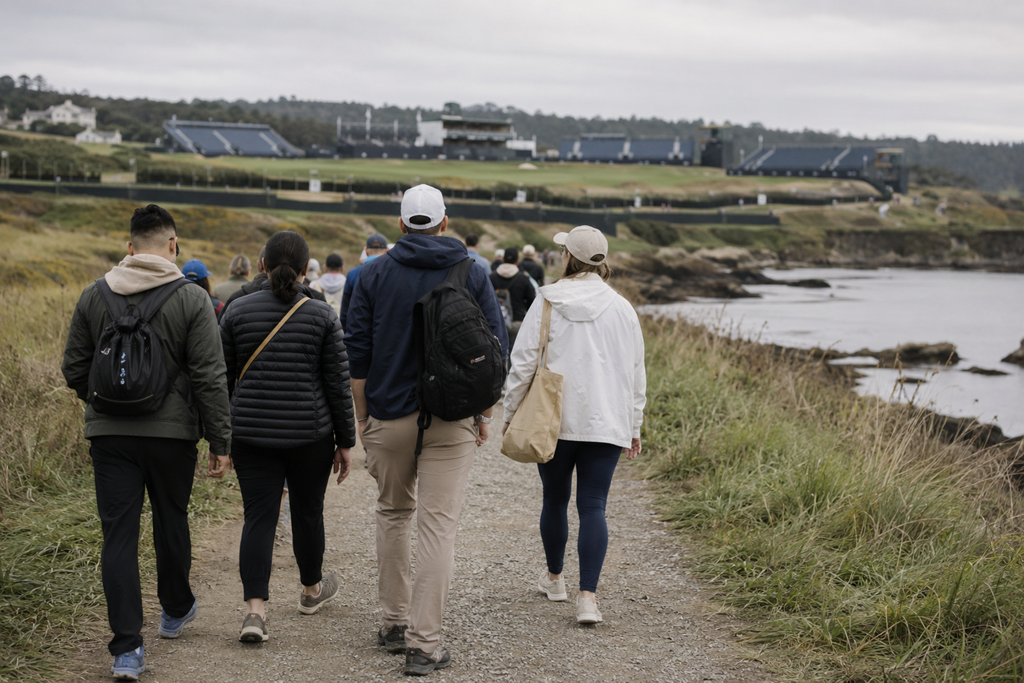
You may spend time walking between holes, waiting for groups to arrive, checking leaderboards, deciding whether to follow a player or stay in one viewing spot, and adjusting to wind, rain, sun, or cooler coastal weather. That is part of the charm, but it also means the day can be physically and mentally fuller than expected.
This is where many visitors overload the trip. They plan the golf day, then add a packed dinner, a long sightseeing detour, an early train the next morning, and a list of “must-do” extras. On paper, it looks efficient. In real life, it can feel like too much.
The Open is easier to enjoy when you respect the rhythm of the event. It is not just a ticketed activity. It is the anchor of the day.
Give the Championship More Breathing Room Than You Think You Need
A common mistake is assuming the tournament itself only takes up the hours printed on the ticket or the time spent inside the gates. In reality, the experience includes getting there, entering with crowds, finding your bearings, walking the course, taking breaks, eating, leaving, and returning to your lodging.
That can make the day feel much longer than expected, even if everything goes smoothly.
Breathing room matters because it protects the part of the trip you came for. When the schedule is too tight, every small delay feels stressful. A slow shuttle, a crowded walkway, a weather change, or a longer-than-expected meal becomes a problem instead of a normal part of event travel.
A less overloaded trip might mean choosing one main activity outside the golf instead of three. It might mean keeping the evening flexible after a full day on the course. It might mean arriving in the area earlier than feels strictly necessary so you are not trying to solve travel details on the morning of your first championship day.
This does not make the trip less exciting. It makes the excitement easier to absorb.
Decide What Kind of Open Experience You Actually Want
Not every spectator wants the same kind of day.
Some people want to follow a favorite player for several holes. Some want to sit near a key green and watch the field come through. Some want to experience the course, the crowd, the merchandise tent, the food areas, and the atmosphere without obsessing over every shot. Others want to be there for a specific championship moment, even if that means waiting in one place for a long time.
The trip becomes more manageable when you name your priority before you arrive.
You do not need to see every famous golfer, every hole, every grandstand, and every part of the venue. Trying to do all of that can leave you feeling like you attended the event but never settled into it.
A calmer plan might sound like this:
You want one good viewing stretch, one relaxed walk through the course, time to follow a group for a while, and enough energy left to enjoy the evening. That is still a full Open experience. It is just not overloaded.
The Biggest Stress Often Comes From the Edges of the Day
For major sporting events, the event itself is only part of the planning challenge. The harder moments often happen before and after: leaving lodging, reaching the course, managing crowds, finding your way back, and deciding what to do when you are tired.
That is especially true for spectator golf because the day can involve more walking and standing than people expect. Even fans who are comfortable on their feet may underestimate how different it feels when combined with travel, crowds, bags, weather layers, and uneven ground.
This is why transportation and lodging choices matter. Staying a little farther away may save money, but it can add pressure if your route is complicated. Staying closer may cost more, but it can reduce decision fatigue. There is no single correct answer, but there is a tradeoff.
The key is to avoid pretending the tradeoff does not exist. A cheaper or more scenic option is only helpful if it still supports the kind of trip you want to have.
Keep Sightseeing Secondary, Not Competing
One reason Open Championship trips become overloaded is that travelers often want to combine the tournament with a broader vacation. That is understandable. The event may bring you to a part of the United Kingdom or Ireland you have wanted to visit, and it can feel wasteful not to add castles, coastal drives, restaurants, museums, golf rounds, or nearby cities.
The problem is not adding extra experiences. The problem is making them compete with the championship.
If The Open is the main reason for the trip, let it remain the main reason. Add sightseeing around it lightly. Choose nearby, low-friction experiences instead of long detours on tournament days. Save more ambitious exploring for before or after the event, when your schedule is not shaped by tee times, crowd flow, and course fatigue.
A good sports tourism trip does not have to prove it made perfect use of every hour. Sometimes the best version is the one that lets the main event feel unhurried.
Weather Flexibility Is Part of the Plan, Not a Backup Plan
The Open is strongly associated with links golf, and links golf often comes with changing conditions. Wind, rain, cool temperatures, and sudden shifts in comfort can shape the spectator experience.
This does not mean you need to overpack or prepare for every possible scenario. It does mean your schedule should not depend on everything feeling easy.
If your day only works in perfect weather, it is probably too fragile. If your evening plans require you to leave the course feeling fresh, dry, and perfectly on time, you may be setting yourself up for frustration.
The calmer approach is to assume the day may take more out of you than expected. Wear practical layers, keep plans flexible, and avoid stacking demanding activities after a long day outdoors. Weather is not a disruption to The Open experience. It is part of the environment you are traveling into.
Be Careful With the “Once-in-a-Lifetime” Trap
A major event like The Open can make people feel like they have to do everything because they may not come back. That feeling is real, but it can lead to poor planning.
The “once-in-a-lifetime” mindset often creates pressure to buy more, see more, walk more, schedule more, and stay longer each day than is actually enjoyable. Instead of making the trip more meaningful, it can make the whole experience feel rushed and heavy.
A more useful reframe is this: a special trip deserves attention, not overload.
You are not wasting the opportunity by leaving space in the schedule. You are protecting the experience from becoming a blur. You may remember one relaxed hour near a green, one good conversation with another fan, or one dramatic stretch of golf more clearly than a packed list of rushed activities.
Plan Your Energy As Carefully As Your Tickets
Many sports travelers focus on tickets, lodging, and transportation, but forget to plan for energy. At The Open, energy matters.
A full day may include an early departure, security lines, walking, standing, weather changes, crowd noise, food decisions, and navigation. Then, after all of that, you still have to get back.
This is why it helps to think in terms of energy blocks. If you spend the morning following players across the course, maybe the afternoon should include a more settled viewing spot. If you know you want a nice dinner, maybe you do not need to stay until the very last possible moment. If you are attending multiple days, you might make one day more ambitious and another more relaxed.
This is not about being overly cautious. It is about staying present enough to enjoy what you came to see.
Common Ways Fans Accidentally Make the Trip Harder
Many Open Championship trips become stressful through small decisions that seem reasonable at the time.
One common pattern is booking lodging based only on price without thinking through event-day transport. Another is assuming you can move around the course quickly whenever you want. Crowds, ropes, walking distances, and popular viewing areas can slow everything down.
Another mistake is scheduling too many restaurant reservations, tours, or day trips around tournament days. Fixed plans can become stressful when the golf runs long, the weather changes, or transportation takes more time than expected.
Some travelers also underestimate how much attention the event itself deserves. They treat The Open like a half-day attraction instead of a major sporting experience that can shape the whole day.
None of these mistakes come from bad intentions. They usually come from excitement. The solution is not to make the trip rigid. It is to make it lighter.
A Better Open Trip Feels Spacious, Not Empty
Leaving room in your itinerary can feel strange at first. You may worry that a lighter schedule means you are missing out. But for this kind of sports tourism, space is not wasted time.
Space lets you arrive without rushing. It lets you stay longer at a spot that turns out to be better than expected. It lets you adjust to weather. It lets you eat when you are actually hungry instead of when the schedule says you must. It lets you enjoy the crowd, the course, and the atmosphere without constantly calculating the next move.
A spacious trip still has structure. You still know where you are staying, how you are getting to the course, what days you are attending, and what matters most. But you are not trying to squeeze the life out of the experience.
That balance is what makes The Open feel less overwhelming and more memorable.
Enjoying The Open Starts With Letting It Be Enough
The Open Championship does not need to be surrounded by a packed itinerary to feel worthwhile. The event itself has enough texture: the course, the weather, the movement of the crowd, the quiet before a shot, the reactions around a green, and the slow build of a championship day.
To enjoy it without overloading your trip, keep the golf central, plan the edges of the day carefully, limit competing activities, and leave more room than you think you need.
You do not have to see everything for the trip to be successful. You have to be present enough to enjoy the part you came for.
Download Our Free E-book!