A realistic Monaco Grand Prix budget starts with one honest assumption: this is not a normal race weekend trip. Even if you are careful with money, Monaco’s size, prestige, limited lodging, and event-week demand make it one of the more expensive Formula 1 trips to plan.
That does not mean the trip has to be careless, extravagant, or financially unrealistic. It means your budget needs to be built around the actual pressure points: race tickets, lodging location, transport, food, event-day timing, and the extra costs that come from being in a tiny destination during a world-famous sporting event.
For the Monaco Grand Prix, official ticketing pages often show a wide range of ticket categories, with some lower-priced options available for certain days or viewing areas, while many prime race-day seats and hospitality options cost far more. The important lesson is simple: your final budget will depend less on whether you “go to Monaco” and more on how many race days you attend, where you sit, where you sleep, and how much comfort you expect.
The Real Budget Question Is Not “Can I Afford Monaco?”
A Monaco Grand Prix trip can feel confusing because the event carries two very different images at once.
On one side, it is associated with yachts, luxury hotels, rooftop parties, celebrity sightings, and premium hospitality. On the other side, many regular fans attend by staying in nearby cities, taking the train, choosing one or two ticketed days, and spending carefully.
That gap is where many budgets fall apart.
The better question is not, “Can I afford Monaco?” It is, “What version of the Monaco Grand Prix am I actually planning?”
A race-day-only visit from Nice with a modest grandstand ticket is a very different trip from a four-night Monte Carlo hotel stay with Sunday hospitality. Both are Monaco Grand Prix trips, but they belong in completely different budgets.
Start With The Race Experience You Actually Want
Before pricing flights or hotels, decide what part of the Grand Prix matters most to you.
Some fans want Sunday race day above everything else. Others care more about seeing the circuit, soaking up the atmosphere, attending practice or qualifying, and keeping the trip financially manageable. Some want the once-in-a-lifetime view, while others simply want to say they experienced Monaco during Grand Prix week.
This matters because Monaco is not a cheap place to make vague plans. If every part of the trip is treated as “special,” the budget can expand quickly.
A realistic budget usually starts with one clear priority:
You may choose the best seat you can reasonably afford and save money on lodging. You may stay farther away and use the train. You may attend Friday instead of Sunday. You may skip luxury meals so the ticket experience feels worth it. The trip becomes easier to manage once you stop trying to make every category premium.
Tickets Can Set The Tone For The Whole Trip
Your ticket choice is often the first major budget decision because it shapes the rest of the weekend.
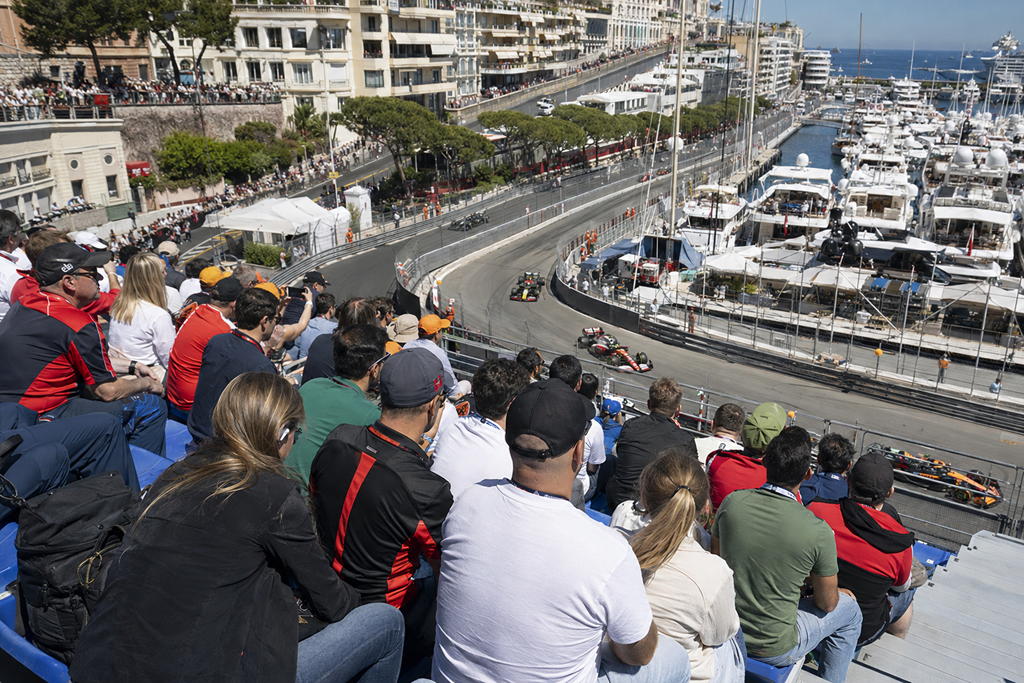
At Monaco, ticket prices can vary widely depending on the day, location, grandstand, terrace, yacht package, or hospitality level. Friday practice is usually more approachable than Sunday race day, while qualifying and race day tend to carry more demand. Official pages may show some lower entry prices, but the most desirable seats and multi-day packages can be much higher.
This is where it helps to think in tiers instead of one fixed number.
A more budget-conscious fan might focus on a single day, a less expensive grandstand, or a nearby base outside Monaco. A mid-range fan might choose two ticketed days and stay in Nice or Menton. A premium traveler may build the trip around hospitality, terraces, or staying close to the circuit.
The mistake is budgeting for a basic ticket while emotionally planning for a luxury experience. Monaco gives you many ways to spend money. Your job is to decide early which spending actually improves the trip for you.
Lodging Is Usually Where The Budget Gets Tested
For many spectators, lodging is the part of the Monaco Grand Prix budget that feels most surprising.
Monaco is extremely small, and demand during race week is intense. Staying in Monaco itself may be convenient, but it can also push the trip into a much higher price category. That is why many fans look at nearby places such as Nice, Menton, Antibes, or other Riviera towns.
Nice is especially common because it has more hotels, restaurants, transport options, and airport access. The official Monaco Grand Prix travel information notes that Monaco is about 30 minutes by train from Nice or Ventimiglia and about 11 minutes from Menton, with trains from Nice or Ventimiglia running about every 15 minutes during the event period. SNCF also lists Nice-to-Monaco train service at about 24 minutes on average, with 55 routes per day under normal timetable information.
That makes staying outside Monaco one of the most practical ways to control the budget.
But there is a tradeoff. A cheaper hotel farther away may save money but add early mornings, crowded trains, longer walks, and less flexibility after the race. A realistic budget should not only ask, “What is the cheapest room?” It should ask, “Will this location still make the weekend enjoyable?”
Transportation Should Be Simple, Not Fancy
For most budget-conscious spectators, the train is the most practical transportation choice.
Driving into Monaco during Grand Prix week can add parking stress, traffic, road closures, and timing uncertainty. Private transfers can be convenient, but they may not be necessary unless you have mobility needs, a very tight schedule, or a higher comfort budget.
The Nice-to-Monaco train route is one of the reasons the trip can be made more realistic. It lets you stay outside Monaco and still reach the event without building the entire trip around taxis or rental cars. Official event travel guidance also emphasizes train access from nearby Riviera cities.
The budget mistake is treating transportation as an afterthought.
Even if the train ticket itself is inexpensive, you should still budget for airport transfers, local trams or buses, possible taxis, luggage storage, and backup plans if you stay out late or miss your preferred return. Monaco is glamorous, but your event-day transport plan should be practical and boring. That is usually what makes it work.
Food And Drinks Can Quietly Inflate The Trip
Food is one of the easiest areas to underestimate.
During a major event weekend, casual meals, drinks, snacks, and convenience purchases can add up quickly. If you are moving through crowds, waiting near stations, or spending long days around the circuit, you may end up buying whatever is easiest rather than whatever is best value.
This does not mean you need to avoid restaurants or make the trip feel restrictive. It simply means food should have its own line in the budget.
A realistic approach is to separate meals into three categories: simple meals, planned nicer meals, and event-day convenience spending. That helps you avoid the feeling that every meal is an unexpected expense.
For example, you might plan modest breakfasts near your hotel, one memorable dinner, and enough daily cash or card flexibility for water, snacks, coffee, and quick meals. The goal is not to make Monaco cheap. The goal is to stop small decisions from becoming a vague financial blur.
The “Monaco Effect” Is Real
The Monaco Grand Prix is not just expensive because of ticket prices. It is expensive because almost every part of the trip is affected by scarcity.
There is limited space. There are limited rooms. There are limited views. There are limited easy routes through the city. There are limited last-minute bargains once demand rises.
That scarcity creates what many travelers experience as the “Monaco effect”: ordinary choices feel more expensive, slower, more crowded, or more complicated than expected.
This is why a realistic budget needs a cushion.
Not a luxury cushion. A practical one.
You may need to pay more for a hotel that is close to a train station. You may decide a better flight time is worth extra money. You may buy water or food at inflated convenience prices. You may choose a taxi when you are tired. You may need more mobile data, luggage storage, or a backup meal when a restaurant is full.
A budget with no cushion can make the trip feel tense. A budget with a modest cushion gives you room to respond like a traveler instead of feeling trapped by every small surprise.
A Useful Way To Build The Budget
A realistic Monaco Grand Prix budget should be built in layers.
Start with the non-negotiables: race tickets, lodging, flights or long-distance transport, and travel insurance if appropriate. These are the big decisions that determine the shape of the trip.
Then add the daily operating costs: local transportation, meals, drinks, mobile data, small purchases, and airport transfers.
Finally, add the experience choices: better seats, extra race days, nicer dinners, merchandise, museum visits, beach time, sightseeing, or one premium moment that makes the trip feel special.
This order matters.
Many people start with the dream version first, then try to force the numbers to work afterward. That can lead to disappointment or overspending. A calmer approach is to secure the basic trip first, then decide which upgrades are truly worth paying for.
Common Budget Mistakes That Make The Trip Feel Harder
One common mistake is assuming Monaco must be done luxuriously or not at all. That belief can discourage people who might have enjoyed a more modest version of the race weekend.
Another mistake is staying too far away just to save money. A distant hotel may look cheaper on paper, but if it creates long travel days, poor sleep, or complicated event-day logistics, the savings may not feel worth it.
Some travelers also underestimate how much the event schedule shapes spending. Attending multiple days means more meals, more transport, more time off work, and more nights of lodging. A three-day race experience is not just a ticket upgrade; it is a larger travel budget.
Another pattern is ignoring comfort until the last minute. Monaco involves crowds, walking, stairs, heat, waiting, and limited space. Budgeting only for admission without budgeting for hydration, rest, decent shoes, and manageable transport can make an expensive trip feel unnecessarily exhausting.
A Realistic Budget Should Protect The Experience
The purpose of budgeting is not to remove the joy from the trip. It is to protect it.
The Monaco Grand Prix is the kind of event where poor planning can make even a dream trip feel stressful. But when you understand the main cost drivers ahead of time, the experience becomes easier to shape.
You do not need to compete with the luxury version of Monaco. You need a version that fits your finances, your travel style, and your reason for going.
For some people, that means one carefully chosen race day, a hotel in Nice, simple meals, and train travel. For others, it means spending more on the seat and keeping everything else restrained. For others, it means making peace with a higher budget because convenience and comfort matter more.
The best Monaco Grand Prix budget is not the cheapest one. It is the one that lets you attend the event without feeling financially cornered the whole time.
Leaving Room For The Trip To Feel Good
A realistic Monaco Grand Prix trip is built around clarity. Know what you are paying for. Know what you are not paying for. Know which upgrades matter and which ones are just part of the event’s luxury noise.
If you plan around the real pressure points — tickets, lodging location, transport, meals, and a practical cushion — the trip becomes much easier to understand.
Monaco may never be a casual bargain sports trip, but it can be a thoughtful one. A clear budget helps you enjoy the race for what it is: a rare, crowded, expensive, memorable sporting event that rewards calm planning more than last-minute improvisation.
Download Our Free E-book!