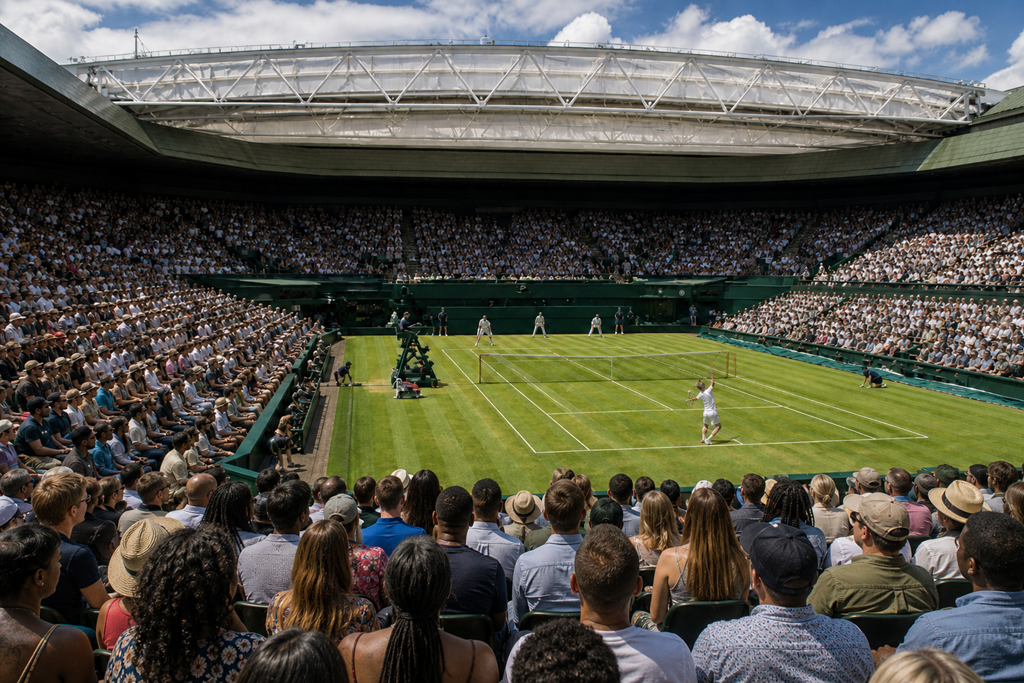
A Wimbledon visit is easier to enjoy when you plan it as a full-day sports tourism experience, not just a tennis ticket. The mistake many visitors make is trying to squeeze the Championships into a packed London itinerary, as if it were a quick attraction stop. Wimbledon does not really work that way.
Between travel to the grounds, ticket arrangements, security, crowds, weather, walking, queues, court schedules, food breaks, and the simple pleasure of being there, the day needs breathing room. The best way to avoid rushing Wimbledon is to protect the day around the event, lower the number of competing plans, and give yourself enough time to experience the grounds before and between matches.
Wimbledon can be elegant, traditional, exciting, and surprisingly tiring all at once. Planning with that reality in mind helps the visit feel more memorable and less like a race through someone else’s checklist.
Wimbledon Is Not Just A Match You Drop Into
For many first-time visitors, Wimbledon sounds simple: get a ticket, arrive at the All England Club, watch tennis, leave. In real life, the experience has more layers.
You may be navigating public transport, walking from the station, finding the correct gate, adjusting to crowds, checking the day’s order of play, deciding which courts to visit, and working around weather changes. Official visitor guidance encourages guests to use public transport or other sustainable travel options, and Southfields Station on the District Line is commonly referenced as about a 15-minute walk from the grounds.
That does not mean Wimbledon is difficult. It means the day rewards visitors who do not overpack it.
The grounds themselves are part of the attraction. You may want time to walk around, watch play on outer courts, see the practice areas if accessible, enjoy the atmosphere, sit on the grass, or simply absorb the setting. If you arrive already behind schedule, those quiet parts of the experience are usually the first things you lose.
The Real Goal Is To Create Space Around The Day
A calm Wimbledon visit starts before you reach the grounds. It starts with how you shape the day.
The most helpful mindset is this: Wimbledon should be the anchor of the day, not one stop among many. That does not mean you need luxury lodging or a perfect itinerary. It means you should avoid stacking the day with museum bookings, restaurant reservations across town, theatre tickets, or rigid evening plans that make every delay feel stressful.
If you are attending as a spectator, there are too many variables to treat the day like a predictable appointment. Matches can run long. Weather can interrupt play. Transport can be busy. Queues can take longer than expected. Your energy may fade faster than you think.
The visit feels better when you give yourself permission to move slower.
Ticket Choices Shape The Pace More Than People Expect
How you get into Wimbledon affects the rhythm of your day.
Some visitors attend with reserved show court tickets. Others try for same-day access through The Queue, which Wimbledon describes as a way to buy either limited Show Court tickets or Grounds tickets, sold on a best-available, one-ticket-per-person basis.
Those are very different types of days.
If you have a reserved ticket, your planning challenge is not usually whether you will get in. It is how early to arrive, how much of the grounds you want to see, and how to avoid turning the day into a rushed arrival just before play begins.
If you are using The Queue, the day may involve waiting, uncertainty, early travel, and a more flexible attitude toward what you will actually see. The Queue can be part of the Wimbledon experience, but it is still a commitment. Treating it casually can lead to disappointment, especially during high-demand days.
A calmer plan starts with being honest about which kind of Wimbledon day you are choosing.
Arriving Early Is Not Only About Being First
Many visitors think arriving early is mainly about beating crowds. That is part of it, but not the whole reason.
Arriving with time to spare changes how the day feels. You are not rushing through transport. You are not stressed by the walk to the grounds. You are not trying to understand the layout while already worried about missing play.
At Wimbledon, early arrival gives you margin. Margin is what allows you to pause, adjust, and enjoy the details.
This is especially important if you are visiting from outside London or building Wimbledon into a larger UK trip. Travel fatigue can sneak up on you. Even if the route looks straightforward on a map, the combination of crowds, walking, waiting, and summer weather can make the day feel fuller than expected.
The goal is not to arrive absurdly early for the sake of it. The goal is to avoid starting the day in recovery mode.
The Grounds Deserve More Time Than A Quick Walkthrough
A rushed Wimbledon visit often happens when people focus only on the biggest court or the biggest names. That is understandable, but it can narrow the experience too much.
Part of Wimbledon’s appeal is that the event feels alive beyond the headline match. Outer courts, smaller matches, doubles, juniors, practice moments, food areas, lawns, and shared spectator rituals all contribute to the day. A grounds-focused visit can still feel rich even if you do not see the exact match you imagined.
This is a useful reframe for sports tourists: the event is not only the seat you sit in. It is the setting, the movement, the crowd, the traditions, and the small decisions you make throughout the day.
When you leave space for those moments, the visit becomes less fragile. Your day does not depend entirely on one match, one player, or one perfect schedule.
Do Not Build The Day Around Perfect Weather
Wimbledon is an outdoor summer sporting event in London. That means weather is part of the planning reality.
A rushed itinerary becomes more stressful when the weather changes. Rain delays, heat, sun exposure, or cooler-than-expected conditions can all affect how comfortable you feel. Even when play continues, your own energy may shift depending on how prepared you are.
This does not require overpacking. It simply means planning for a day outdoors: comfortable shoes, useful layers, sun protection, and a realistic sense that you may be walking or waiting more than expected.
The key is not to predict the weather perfectly. It is to avoid being surprised that weather matters.
The Biggest Planning Mistake Is Treating Wimbledon Like A London Side Trip
London makes it tempting to overplan. There is always another neighborhood, restaurant, museum, market, or show you could add.
But Wimbledon is not best experienced as a squeezed-in side trip. It is a major sporting event with its own pace. If you try to “do Wimbledon” and then immediately race across the city for another major plan, you may spend the whole day watching the clock instead of watching the tennis.
This is where many visitors accidentally reduce the quality of a once-in-a-lifetime experience. They technically attend, but they never really settle into it.
A better approach is to keep the day light around the event. Have a simple evening option rather than a demanding reservation. Choose lodging or transport that does not make the return journey feel complicated. Let the Wimbledon day be enough.
A More Relaxed Visit Still Needs Practical Boundaries
Planning without rushing does not mean wandering without structure. It helps to decide a few things in advance.
Know how you are getting there. Know whether your ticket situation is confirmed or dependent on same-day availability. Know what you most want from the day: a specific court, the atmosphere, seeing as much tennis as possible, or simply experiencing Wimbledon for the first time.
That small amount of clarity prevents decision fatigue once you arrive.
It also helps to set expectations with anyone traveling with you. One person may want to chase matches across the grounds. Another may want to sit, eat, and absorb the atmosphere. Neither approach is wrong, but mismatched expectations can make the day feel rushed even when the itinerary is reasonable.
A good Wimbledon plan leaves room for movement, rest, and compromise.
What To Let Go Of Before You Arrive
A calmer Wimbledon visit often depends on what you are willing to release.
You may not see every player you hoped to see. You may not move around the grounds as quickly as you imagined. You may spend more time waiting than planned. You may decide that staying in one place for a while is better than constantly searching for the “best” match.
That is not failure. That is part of attending a live sporting event with crowds, schedules, and real-world conditions.
The visitors who enjoy Wimbledon most are often the ones who hold the day lightly. They prepare well, but they do not try to control every moment. They know what matters most to them, but they stay open to the experience they actually get.
A Wimbledon Visit Feels Better When You Give It Room
The best way to plan a Wimbledon visit without rushing is to treat it as the main experience of the day. Build in time for travel, entry, walking, waiting, weather, food, and simply being there. Avoid attaching too many other plans to the same day. Be clear about your ticket path, but flexible about how the day unfolds.
Wimbledon is not just about getting through the gates or checking off Centre Court. It is about experiencing one of sport’s most distinctive settings at a pace that lets you notice it.
When you give the day enough room, the visit becomes less pressured. You can watch more calmly, move more thoughtfully, and leave with a fuller memory of the experience — not just proof that you made it there.
Download Our Free E-book!