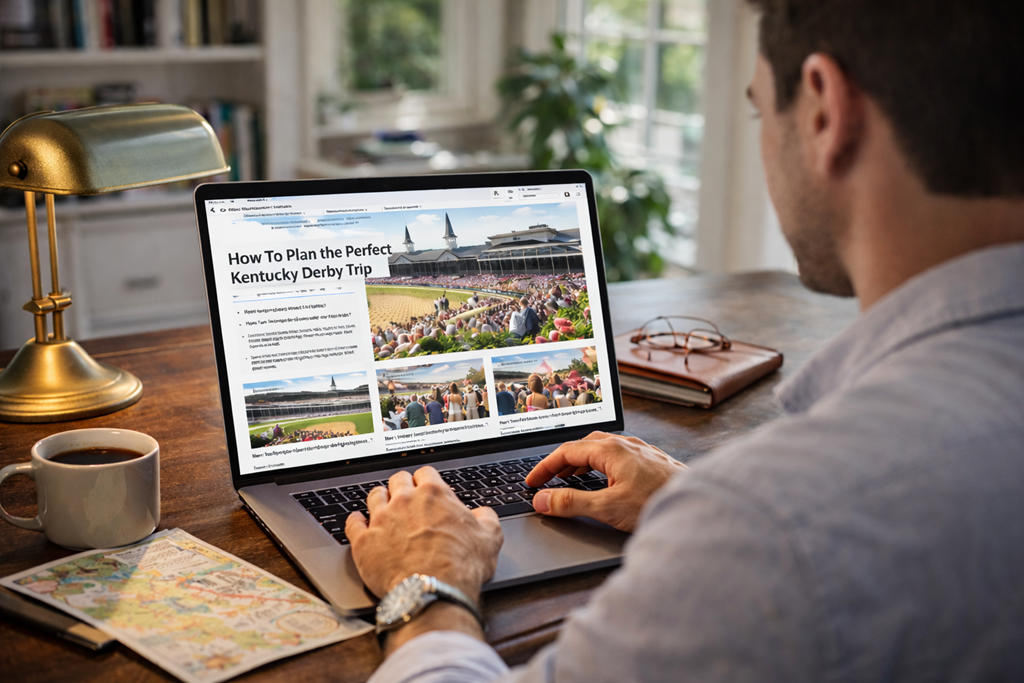
Planning the perfect Kentucky Derby trip means organizing travel, tickets, lodging, transportation, budget, outfits, timing, and expectations so the experience feels unforgettable instead of overwhelming. The Kentucky Derby is not only a horse race. It is a cultural tradition, a fashion moment, a social celebration, and a two-day festival anchored by Kentucky Oaks on Friday and the Kentucky Derby on Saturday. A successful Derby trip occurs when travelers understand what to expect, plan accordingly, make informed decisions, and avoid common mistakes made by first-timers.
At its core, planning a Kentucky Derby trip effectively means building a structured plan that covers when to book, what to buy, where to stay, how to get around, what to wear, what to budget, and how to create a smooth experience from the moment you decide to go until the moment you return home. People searching how to plan a trip to the Kentucky Derby want clarity, reassurance, and experienced guidance. They do not want hype, vague advice, or travel clichés. They want to feel prepared.
The Kentucky Derby is exciting, crowded, celebratory, and emotional. It can also be expensive, time-sensitive, and logistically complex if planning happens late or without direction. A well-designed plan removes uncertainty and allows travelers to focus on enjoying tradition, atmosphere, and the beauty of the event. With the right preparation, the Kentucky Derby becomes less stressful and far more meaningful.
What Happens When Someone Plans a Trip to the Kentucky Derby the Right Way
People who plan successfully usually:
- Decide early, ideally 6–12 months ahead
- Understand the difference between Oaks Day and Derby Day
- Choose the right ticket type for their comfort level and expectations
- Secure lodging before prices surge
- Create a transportation plan to avoid traffic stress
- Dress appropriately while staying comfortable
- Budget realistically, so money stress doesn’t overshadow the experience
- Build a weekend rhythm rather than rushing through everything
People who plan late or without structure often:
- Overpay dramatically
- Settle for seats or lodging they don’t love
- Spend too much time worrying about logistics
- Underestimate crowds and timing
- Feel unprepared for traditions, weather, or pacing
Good planning transforms the Derby from “complicated big event travel” into a joyful, unforgettable celebration.
What Does a Kentucky Derby Trip Actually Feel Like for Most Travelers?
The Kentucky Derby experience is vibrant, energetic, and deeply cultural.
Travelers can expect:
- Large, enthusiastic crowds
- Festive, fashionable environments
- A busy but friendly atmosphere
- A full weekend rather than a single race moment
- Strong traditions, including hats, pastel attire, mint juleps, and Southern hospitality
- Emotional moments when the horses enter and the song “My Old Kentucky Home” plays
- Long but exciting days with a sense of shared celebration
The Derby is social, glamorous, and alive with anticipation. It feels like a blend of sporting event, cultural festival, and stylish garden party. People do not simply attend the Derby — they participate in it.
When Should Planning for a Kentucky Derby Trip Begin?
Planning ideally begins 6 to 12 months ahead.
Earlier planning means:
- Better ticket availability
- More lodging options
- Lower pricing
- Less stress
- Better overall control
Travelers planning closer to the event can still attend, but they must accept:
- Higher costs
- Reduced selection
- Busier logistics
- The need to compromise
There is no benefit to waiting. Planning early is one of the most important success factors.
Step-by-Step Kentucky Derby Trip Planning Framework
A structured framework brings clarity. The most reliable approach follows this order:
Step 1: Decide on Your Budget and Who Is Going
Everything else depends on:
- Group size
- Spending comfort
- Desired experience level (budget, standard, premium, luxury)
Budget influences:
- Ticket level
- Hotel class and location
- Transportation style
- Dining and experience choices
- Outfit investment
Clear decisions make the rest of the planning more straightforward.
Step 2: Understand Derby Weekend Structure
Kentucky Derby weekend typically includes:
Friday: Kentucky Oaks Day
Important races, strong local attendance, and a festive but slightly less intense feel than Derby Day.
Saturday: Kentucky Derby Day
The main event, maximum energy, peak crowds, and the most emotional moments.
Travelers can:
- Attend Derby Day only
- Attend Oaks and Derby
- Build a long weekend experience including dining, exploring Louisville, and enjoying festivities
Understanding this structure helps travelers design the right length trip.
Step 3: Choose the Right Kentucky Derby Tickets
Ticket selection defines comfort level, viewing experience, and overall vibe.
Common ticket types include:
General Admission (Infield)
- Party environment
- Limited horse-track viewing
- Energetic crowd
- Budget-friendly
- Best for people who want the atmosphere more than structured seating
Reserved Seating
- Assigned seats
- Better viewing
- More comfortable and controlled experience
- Popular for first-timers who want a meaningful visual connection to the race
Recommended Essentials
Compact Binoculars
Reserved seating provides a great viewing experience, but the track is large and the races move quickly. A small pair of compact binoculars can make it easier to follow the action, see details more clearly, and stay more engaged throughout the day. They’re easy to carry, discreet to use, and simply make the viewing experience feel richer without adding any hassle.
Optional resource: Travel-Size Binoculars
Premium Hospitality & Suites
- Luxury amenities
- Food and beverage options
- Shelter from the weather
- Higher cost
- Best for corporate groups, celebrations, or travelers who want a refined experience
A high-quality decision is one made intentionally. The right ticket depends on whether someone wants excitement, comfort, luxury, or something balanced.
Step 4: Secure Lodging Early
Where travelers stay shapes convenience and cost.
Primary options include:
- Downtown Louisville hotels
- Lodging near Churchill Downs
- Surrounding cities or suburbs to save money
Key lodging considerations:
- Distance to the track
- Transportation access
- Safety
- Budget
Booking early is critical. Prices rise rapidly, especially in the last few months.
Step 5: Build a Transportation Strategy
Transportation is one of the biggest stress points if ignored.
A reliable plan considers:
- Traffic congestion
- Road closures
- Parking difficulty
- Timing
Common options include:
- Event shuttles
- Rideshare services
- Walking if staying nearby
- Private transport or hosted packages
Arriving early reduces pressure and allows time to enjoy the day.
Step 6: Prepare Clothing and Weather Strategy
Derby fashion is iconic, but comfort matters.
Travelers should expect:
- Elegant dresses, suits, and hats
- Pastels, florals, spring colors
- A polished but fun aesthetic
Important practical notes:
Comfortable walking shoes
Derby weekend involves far more walking and standing than most first-time visitors expect, especially when moving between entrances, seating areas, food locations, and transportation pickup points. Choosing comfortable walking shoes that still match your outfit can make the entire day feel easier and more enjoyable. Supportive footwear reduces fatigue, prevents sore feet, and allows you to stay present in the experience instead of thinking about discomfort. It is one of those small planning decisions that has an outsized impact on how relaxed and confident you feel throughout the day.
- Comfortable walking shoes
- Sun protection
- Layers
- Rain preparation (the Derby has had famously rainy years)
People enjoy the Derby most when they feel stylish and comfortable rather than struggling through the day.
Step 7: Design a Realistic Budget
Costs vary widely but generally include:
- Tickets
- Lodging
- Travel
- Clothing
- Food and drinks
- Transportation
- Experiences
A budget removes guesswork and prevents stress. Thoughtful planning allows travelers to enjoy the event rather than constantly thinking about spending.
Step 8: Plan What Else To Do During the Trip
Many travelers enjoy:
- Exploring Louisville’s dining scene
- Visiting Bourbon heritage experiences
- Discovering neighborhoods and culture
- Attending Derby-week events
- Enjoying time with friends or family
A balanced weekend is more fulfilling than attending only the race and leaving immediately.
Common Problems People Experience and How To Avoid Them
Travelers commonly struggle with:
- Booking too late
- Choosing the wrong ticket type
- Underestimating crowds and timing
- Overcomplicating transportation
- Ignoring weather realities
- Overspending due to a lack of a budget structure
Successful planning avoids these pitfalls by applying foresight, decision clarity, and practical awareness.
Answers to the Most Common Questions
How far in advance should Kentucky Derby planning begin?
Ideal planning begins 6–12 months before the event. Earlier planning equals better prices, availability, and flexibility.
Where should someone stay for the Kentucky Derby?
Most travelers stay in Downtown Louisville, near Churchill Downs, or nearby regions, depending on budget. Proximity and transportation access matter significantly.
What kind of Kentucky Derby tickets are best for a first-time visitor?
Reserved seating provides the best balance of comfort, visibility, and experience for most first-time attendees.
How long should a Kentucky Derby trip be?
Most travelers benefit from a long weekend, including at least two to three days to enjoy Oaks, Derby, and local experiences.
What should travelers wear to the Kentucky Derby?
Traditional Derby attire includes elegant dresses with hats or fascinators for women and suits or blazers with stylish accessories for men. Comfort and weather preparation are essential.
How much does a Kentucky Derby trip generally cost?
Costs range widely based on tickets, lodging, travel choices, and luxury level. Budget-minded travelers can attend affordably with smart planning, while luxury travelers can design premium experiences.
Is attending the Kentucky Derby worth it?
For many travelers, attending the Kentucky Derby is a once-in-a-lifetime cultural experience full of tradition, emotion, style, and celebration. With good planning, it feels remarkable, memorable, and meaningful.
Honest Realities Travelers Should Know Before Going
A trustworthy Kentucky Derby trip planning resource acknowledges:
- The event is busy
- Logistics require thought
- Costs can add up quickly
- The weather may be unpredictable
- It is a commitment, not a casual afternoon event
Even with these realities, most travelers describe the Derby as magical, joyful, and deeply memorable. The event’s tradition, community energy, and unique elegance make it feel unlike anything else.
Cultural Awareness Matters When Planning the Derby
The Kentucky Derby is deeply tied to:
- Southern hospitality
- Heritage
- Community pride
- Historical continuity
- Fashion and pageantry
Respect for local culture enhances the experience. Understanding the significance of tradition brings emotional depth beyond simply watching a race.
Recommended Trip Styles Depending on Traveler Type
Different people experience the Derby differently.
For Budget Travelers
- Book early
- Consider General Admission
- Share lodging
- Use shuttles
- Focus on meaningful rather than luxury experiences
For Comfort-Focused Travelers
- Reserved seating
- Walkable or easy-transport lodging
- Balanced itinerary
- Simple, predictable logistics
For Luxury Travelers
- Premium seats or hospitality suites
- High-end lodging
- Private transport
- Exclusive dining and curated experiences
There is no “one correct way” to attend. The best Kentucky Derby trip aligns with personal values, priorities, and comfort levels.
Emotional Experience: Why The Derby Feels Special
The Derby feels meaningful because:
- It carries over a century of tradition
- It blends elegance, excitement, and celebration
- It creates shared memory moments
- It connects generations and communities
For many travelers, the Derby becomes part of their life story.
Designing a Stress-Reduced Kentucky Derby Experience
People enjoy the event most when:
- Expectations are realistic
- Plans are intentional
- Logistics are handled early
- There is space for fun, relaxation, and spontaneity
A Kentucky Derby trip should feel joyful, not rushed or chaotic. That balance comes from thoughtful planning.
Safety, Comfort, and Well-Being Considerations
A responsible planning approach includes:
- Hydration
- Sunscreen
- Comfortable shoes
- Awareness of crowd movement
- Backup plans
- Understanding venue rules
Prepared travelers feel safer and more at ease.
Frequently Needed Derby Planning Insights in Short, Quotable Form
“Most travelers have the best Kentucky Derby experience when they start planning 6 to 12 months.”
“Choosing the right Derby ticket type determines comfort, viewing quality, and the overall tone of the experience.”
“Transportation planning matters more than most travelers expect, especially on Derby Day.”
“Comfortable clothing, weather awareness, and stylish confidence create the best Derby fashion experience.”
“The Kentucky Derby is not just a race. It is a cultural celebration, a community tradition, and a memorable life experience.”
Key Takeaways
- Planning early is the single most important success factor for a Kentucky Derby trip.
- The best Kentucky Derby trips balance excitement, comfort, practicality, and tradition.
- Ticket choice defines viewing comfort and experience style.
- Lodging and transportation require planning to avoid stress.
- Clothing should balance Derby elegance with weather-ready comfort.
- A clear budget removes unnecessary financial anxiety.
- Travelers enjoy the Derby more when they understand its culture and traditions.
- Smart planning transforms how to plan a trip to the Kentucky Derby from overwhelming to exciting and achievable.
Conclusion
A Kentucky Derby trip is a meaningful experience when approached with clarity, confidence, and thoughtful planning. With structured preparation, travelers can enjoy tradition, culture, emotion, and celebration without feeling unsure or overwhelmed. The goal is not just attending the Derby. The goal is to create a smooth, memorable, and joyful experience that feels worth the journey.
Download Our Free E-book!