Women’s health needs change over time because the body, hormones, responsibilities, risks, and daily pressures do not stay the same forever. What matters most in one stage of life may become less central later, while new concerns may begin to need more attention.
That does not mean every woman follows the same path. It means health care, self-awareness, and daily habits often need to adjust as life changes.
A teenage girl may need help understanding her menstrual cycle, body changes, nutrition, emotional health, and early health habits. A woman in her reproductive years may be thinking about energy, stress, contraception, fertility, pregnancy, sexual health, or work-life strain. A woman in midlife may begin noticing sleep changes, cycle changes, mood shifts, weight changes, or perimenopause symptoms. Later in life, bone health, heart health, mobility, urinary health, and long-term independence may become more noticeable.
The common thread is this: women’s health is not one fixed checklist. It is a changing relationship with the body.
Your Body May Need Different Attention Before You Notice A Problem
One reason women’s health can feel confusing is that needs often shift before anything feels serious.
A woman may feel more tired than usual, but assume she is just busy. Her periods may change, but she may blame stress. Sleep may become lighter, but she may treat it as a normal part of getting older. Aches, mood changes, digestive changes, or lower energy may be brushed aside because they are not dramatic enough to interrupt daily life.
This is why life stage awareness matters. It helps women notice when a change may deserve attention instead of waiting until the issue becomes harder to manage.
The goal is not to worry about every small symptom. The goal is to understand that health needs can change quietly. A shift in your body does not have to be severe before it is worth taking seriously.
In Younger Years, Health Is Often About Understanding The Body
During adolescence and young adulthood, women’s health often centers on learning what is normal for the body and what is not.
This can include menstrual cycles, cramps, acne, body image, nutrition, emotional health, sexual health, sleep, movement, and the early habits that shape long-term well-being. It is also a stage when many girls and young women begin learning how to speak up about symptoms, ask questions, and understand their own patterns.
This stage can feel awkward because the body may be changing quickly, while confidence is still developing. A young woman may know something feels uncomfortable or unusual, but not yet have the language to explain it.
That is why education matters so much. Understanding periods, hormones, pain, mood changes, and healthy boundaries can help younger women feel less confused by their own bodies.
A helpful reframe is this: early women’s health is not only about preventing problems. It is about building body literacy.
Body literacy means knowing your usual cycle, your usual energy, your usual emotional patterns, and your usual warning signs. That knowledge can make future health decisions easier.
Reproductive Years Can Bring More Layered Health Decisions
In the reproductive years, women’s health often becomes more layered because physical health, relationships, career demands, family planning, finances, caregiving, and stress may overlap.
Some women are focused on preventing pregnancy. Some are trying to conceive. Some are navigating pregnancy, postpartum recovery, breastfeeding, miscarriage, infertility, or changing family plans. Others may not want children at all but still need support with menstrual health, sexual health, hormonal symptoms, pelvic pain, or preventive care.
This is also a stage when many women become used to pushing through.
Fatigue may be treated as normal. Heavy periods may be ignored. Pain during intimacy may be dismissed. Anxiety, low mood, or burnout may be seen as just part of being busy. Women may keep functioning on the outside while feeling drained, disconnected, or unlike themselves on the inside.
The misunderstanding here is that being able to continue does not mean the body is doing well.
A woman can meet deadlines, care for children, maintain relationships, and still need medical attention, rest, support, or a different health plan. Functioning should not be the only measure of health.
Pregnancy And Postpartum Can Change More Than The Body
Pregnancy and postpartum are often discussed as physical experiences, but they can affect nearly every part of a woman’s life.
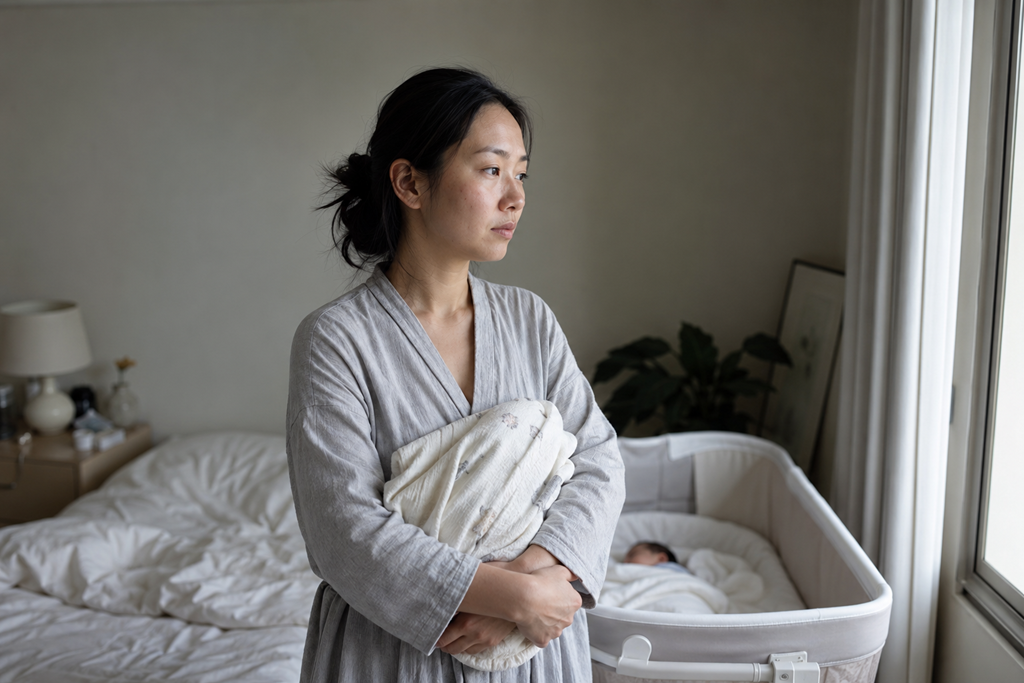
During pregnancy, the body is adapting constantly. After birth, recovery can involve bleeding, soreness, hormonal shifts, sleep disruption, feeding challenges, emotional changes, pelvic floor symptoms, relationship strain, and identity adjustment.
Even when everything appears normal from the outside, the transition can be intense.
One common misunderstanding is that postpartum health is only about the first few weeks after birth. In reality, many women continue adjusting for months. Energy, mood, intimacy, body image, strength, sleep, and confidence may take time to settle into a new rhythm.
Another common misunderstanding is that a healthy baby means the mother is automatically fine. A baby’s well-being matters deeply, but the mother’s recovery matters too.
Women may need support for physical healing, emotional changes, pelvic health, nutrition, sleep, and practical help. Needing that support is not a weakness. It is part of a major life and body transition.
Midlife Often Brings Changes That Are Easy To Misread
Midlife can be one of the most misunderstood stages of women’s health.
This is the time when many women begin noticing changes related to perimenopause, menopause, stress load, metabolism, sleep, mood, and long-term health risks. Periods may become irregular. Sleep may become less reliable. Weight may shift in new ways. Hot flashes, night sweats, brain fog, vaginal dryness, lower libido, joint discomfort, or mood changes may appear.
The confusing part is that these changes do not always arrive all at once. They may come and go. They may look like stress, aging, poor discipline, or a busy schedule.
A woman may wonder, “Why don’t I feel like myself?” without realizing that hormone shifts may be part of the picture.
This stage is not only about managing symptoms. It is also a time to pay closer attention to heart health, bone health, blood pressure, cholesterol, blood sugar, strength, sleep, and emotional well-being.
A helpful way to think about midlife is that the body may be asking for a different kind of care. What worked in the past may not work as well now. That does not mean something is wrong with you. It may mean your health needs have changed.
Later Life Often Shifts The Focus Toward Strength, Safety, And Independence
As women get older, health needs often become more focused on maintaining strength, mobility, mental sharpness, heart health, bone health, urinary health, social connection, and quality of life.
This stage may include managing chronic conditions, staying active in realistic ways, preventing falls, protecting bone density, reviewing medications, supporting sleep, and addressing pain or stiffness before it limits daily life.
Older women may also face a different kind of invisibility. Symptoms can be brushed off as “just age,” even when they deserve attention. Pain, fatigue, bladder changes, memory concerns, low mood, or loss of strength should not automatically be dismissed.
Aging changes the body, but aging should not be used as a reason to ignore treatable concerns.
The focus in later life is not about trying to live like a younger person. It is about protecting the ability to live fully, safely, and comfortably in the life you have now.
The Same Symptom Can Mean Different Things At Different Stages
One of the most important things to understand about women’s health is that the same symptom can have different meanings depending on life stage.
Fatigue in a teenager may be linked to sleep, nutrition, stress, heavy periods, or school pressure. Fatigue in a new mother may be connected to recovery, sleep deprivation, emotional health, or thyroid changes. Fatigue in midlife may involve sleep disruption, hormonal shifts, stress, anemia, or metabolic changes. Fatigue in later life may relate to medications, chronic conditions, heart health, mood, or reduced activity.
The symptom may sound the same, but the context changes.
This is why women are often better served by looking at patterns instead of isolated complaints. When did the change start? What else changed around the same time? Is it affecting daily life? Is it getting worse? Does it feel unusual for your body?
Those questions help turn vague concern into useful information.
The Biggest Mistake Is Treating Every Stage Like The Last One
Many women keep using the same health habits, expectations, and coping strategies long after their bodies have moved into a new stage.
They may expect the same sleep schedule to work. The same workout routine. The same eating habits. The same stress tolerance. The same recovery time. The same approach to medical visits. The same assumptions about mood, energy, or weight.
When the body changes, those old expectations can create frustration.
A woman may think she is failing when she is actually changing. She may blame herself for symptoms that deserve care, support, or a revised routine.
This does not mean every change is hormonal. It also does not mean every discomfort is serious. But it does mean women benefit from asking a better question than, “Why can’t I handle things the way I used to?”
A better question is, “What does my body need in this stage that it may not have needed before?”
That question creates room for adjustment instead of self-blame.
Health Needs Change, But Self-Trust Still Matters
Women’s health through different life stages is not about memorizing every possible risk or symptom. It is about paying attention to the season of life you are in and being willing to update your care.
Your body will not always communicate in dramatic ways. Sometimes the message is a pattern: more fatigue, less sleep, heavier periods, new discomfort, different moods, slower recovery, more tension, or a sense that something has shifted.
Those patterns are worth noticing.
Women’s health evolves because women’s lives evolve. Puberty, adulthood, pregnancy, postpartum recovery, midlife, menopause, aging, stress, relationships, work, caregiving, and personal history can all shape what the body needs.
You do not have to understand every detail at once. You only need to stay willing to listen, ask questions, and adjust when your body no longer responds the way it once did.
That is often where better care begins.
Download Our Free E-book!