Amsterdam is one of the easiest European cities to enjoy in a short visit, but it helps to have a plan. The historic center is compact, the canals make the city beautiful to wander, and many of the best museums, neighborhoods, markets, and food experiences fit naturally into a three-day trip.
This 3-day Amsterdam itinerary is designed for first-time visitors who want a balanced trip: major landmarks, classic museums, scenic walks, relaxed neighborhoods, and enough breathing room to actually enjoy the city. It avoids packing every hour with activities and instead gives you a realistic route you can follow, adjust, or slow down as needed.
Amsterdam’s 17th-century canal ring is a UNESCO World Heritage Site, known for its planned network of canals, historic houses, bridges, and urban design. It is one of the best places to begin understanding the city’s character.
Before You Start: How To Use This Amsterdam Itinerary
This itinerary works best if you stay in or near the city center, Jordaan, the Canal Ring, De Pijp, Museum Quarter, or close to a tram or metro stop. Amsterdam is very walkable, but you will likely use a mix of walking, trams, and occasional metro rides.
Public transport in Amsterdam is straightforward, with trams, buses, metro lines, and ferries helping visitors move around the city. GVB day or multi-day tickets can be useful if you plan to use public transport often during your stay.
A few planning notes:
- Book major museums ahead when possible, especially during busy travel periods.
- Wear comfortable shoes; this itinerary includes a lot of walking.
- Check current opening hours before you go.
- Leave room for weather changes, especially if you are visiting in spring, fall, or winter.
- Do not overplan dinner every night; Amsterdam is enjoyable when you leave space for a slow evening walk or a simple neighborhood meal.
Day 1: Classic Amsterdam, Canals, Jordaan, and the Historic Center
Your first day focuses on getting oriented. You will see Amsterdam’s historic core, walk along the canals, explore the Jordaan, and ease into the city without rushing from museum to museum.
Morning: Start Near Dam Square and the Historic Center
Begin your trip around Dam Square, one of Amsterdam’s central gathering points. This area can be busy, but it gives you a practical starting point for understanding the layout of the city. From here, you can walk toward the Royal Palace area, nearby shopping streets, and the older streets that lead toward the canal belt.
You do not need to spend too long here. For a first visit, treat this as a quick orientation stop rather than the main event. The best part of Amsterdam often begins once you move away from the busiest streets and start following the canals.
After Dam Square, walk toward the Canal Ring. Let yourself take a slower route rather than the fastest one. Amsterdam rewards small detours: narrow bridges, leaning canal houses, quiet side streets, and bicycles lined along the water.
Late Morning: Walk the Canal Ring and the Nine Streets
Spend the rest of the morning exploring the Canal Ring and the Nine Streets, known locally as De Negen Straatjes. This area sits between major canals including Singel, Herengracht, Keizersgracht, and Prinsengracht, and is known for its boutiques, cafés, galleries, and photogenic streets.
This is a good place to slow down. You can browse shops, stop for coffee, or simply walk from bridge to bridge. First-time visitors often enjoy Amsterdam most when they stop treating every street as a route to somewhere else and start noticing the details: gabled houses, window boxes, canal reflections, and the rhythm of daily life.
A simple route is to wander through the Nine Streets, then continue toward the Jordaan.
Lunch: Choose Something Simple in the Jordaan
For lunch, head into the Jordaan, one of Amsterdam’s most atmospheric neighborhoods. Once a working-class district, it is now known for canal streets, cafés, small shops, galleries, and a strong neighborhood feel.
You do not need a famous restaurant for this part of the day. Look for a café, bakery, sandwich shop, or casual Dutch lunch spot. This is also a good time to try something local, such as Dutch apple pie, cheese, bitterballen, or a simple broodje.
Afternoon: Anne Frank House or a Jordaan Walk
If the Anne Frank House is important to you, plan it for the afternoon or early evening and book ahead through the official site. Tickets are sold through the Anne Frank House website, and the museum notes that visitors should be careful with unofficial sellers.
The Anne Frank House is a meaningful and sobering visit. It is not something to squeeze in casually between several other major stops. Give yourself time before and after so the experience does not feel rushed.
If you do not visit the Anne Frank House, use the afternoon for a deeper Jordaan walk. Good areas to explore include quiet canal streets, small courtyards when accessible, Noordermarkt, and the streets around Westerkerk.
Evening: Canal Walk or Canal Cruise
End your first day with the canals. You can either take an evening canal cruise or enjoy a self-guided walk along the water. A cruise gives you a different view of the city’s bridges and canal houses, while walking lets you move at your own pace.
For a simple evening walk, follow Prinsengracht or Herengracht and let the route unfold naturally. The city feels different after the daytime crowds thin, and the reflected lights along the canals make this one of the most memorable parts of a first Amsterdam trip.
Day 2: Museum Quarter, Vondelpark, and De Pijp
Your second day focuses on Amsterdam’s major museums and nearby neighborhoods. This is the day to see the Rijksmuseum, Van Gogh Museum, or both, depending on your interests and energy.
Morning: Visit the Rijksmuseum
Start at the Rijksmuseum, Amsterdam’s major museum for Dutch art and history. Its collection spans centuries and includes works connected to Rembrandt, Vermeer, Van Gogh, and other Dutch masters.
For most first-time visitors, the Rijksmuseum is worth prioritizing even if you are not usually a museum person. The building itself, the galleries, and the surrounding Museumplein area all give you a strong sense of Dutch cultural history.
Do not try to see everything. Choose a few highlights, spend time with the works that interest you, and leave before you are exhausted. A focused visit is usually more rewarding than trying to cover the entire museum.
Lunch: Museum Quarter or Vondelpark Area
After the Rijksmuseum, have lunch nearby. You can stay around Museumplein, walk toward Vondelpark, or choose a casual café in the surrounding streets.
If the weather is good, this is a nice moment to take a break outdoors. Museum-heavy days can become tiring quickly, and Amsterdam is best enjoyed with pauses built in.
Afternoon: Van Gogh Museum or Vondelpark
In the afternoon, choose between the Van Gogh Museum and Vondelpark, or do both if you are comfortable with a fuller day.
The Van Gogh Museum requires timed-entry tickets, and the museum states that all visitors need a ticket with a start time. Booking ahead is a good idea, especially during busy travel periods.
If you visit, give yourself time to move through the permanent collection without rushing. The museum is especially worthwhile if you want to understand Van Gogh’s development, influences, and emotional range as an artist.
If you prefer a lighter afternoon, walk through Vondelpark instead. It is Amsterdam’s best-known city park and a useful reset after museums, crowds, and cobblestone streets. You can stroll, sit with a snack, or simply enjoy a quieter stretch of the day.
Late Afternoon: Explore De Pijp
From Museum Quarter or Vondelpark, continue toward De Pijp. This neighborhood is lively, diverse, and more everyday-feeling than the most central canal areas. It is known for Albert Cuyp Market, food options, cafés, and Sarphatipark.
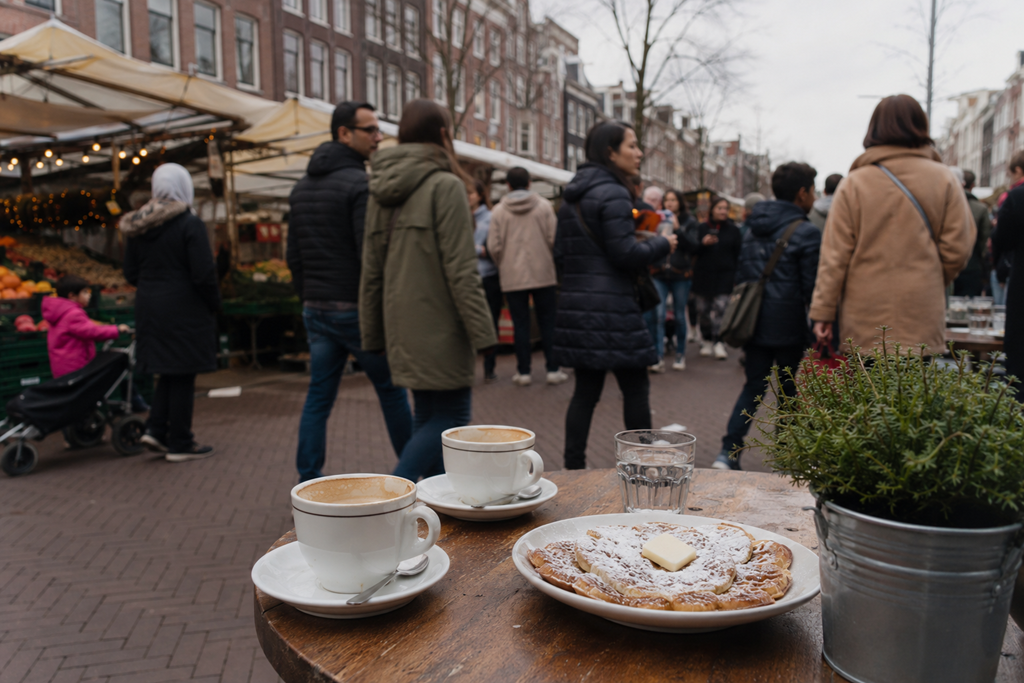
Albert Cuyp Market is a good place to browse, snack, and get a sense of local street-market energy. Availability, hours, and vendor mix can vary, so treat it as a flexible stop rather than something that has to fit a precise schedule.
Evening: Dinner in De Pijp or Back Near the Canals
De Pijp is a practical area for dinner because it has a wide range of restaurants and casual places to eat. You can stay here for the evening or head back toward the Canal Ring for a final walk.
For a first-time Amsterdam visit, this is a good night to avoid overcomplicating dinner. Choose a neighborhood that is easy to reach from your hotel and leave yourself enough energy for one more short walk before bed.
Day 3: Local Neighborhoods, Markets, Views, and a Slower Final Day
Your third day gives you room to personalize the trip. You have already seen the central canals, Jordaan, and Museum Quarter, so this day is about rounding out your visit with neighborhoods, markets, scenic areas, and any major stop you missed.
Morning: Choose a Market or Neighborhood Walk
Start with a slower morning. Depending on where you are staying and what you enjoyed most so far, choose one of these options.
If you liked the Jordaan, return in the morning when the streets feel quieter. This is a good time for café sitting, photography, and relaxed wandering.
If you want more local energy, visit a market area such as Albert Cuyp Market in De Pijp or Noordermarkt when it fits your travel dates. Markets are best approached flexibly because the experience can vary by day, season, and weather.
If you want architecture and water views, spend the morning walking more of the Canal Ring or heading toward the Amstel River.
Late Morning: Visit a Smaller Museum or Canal House
Amsterdam has several smaller museums and historic house experiences that can be easier to enjoy than another large museum. Consider a canal house museum, a photography museum, a history-focused museum, or a specialty collection that matches your interests.
This is a good way to make your final day feel personal rather than simply repeating the main tourist route. Choose one place and enjoy it properly instead of trying to fit in three.
Lunch: Keep It Easy and Local
For lunch, choose the neighborhood you are already exploring. Amsterdam is full of casual cafés, bakeries, and lunch spots, so there is no need to cross the city for a single meal unless you have a specific place in mind.
This is also a good time to try any Dutch foods you missed earlier in the trip. Depending on your tastes, that might mean pancakes, poffertjes, herring, fries, cheese, or apple pie.
Afternoon: Take the Ferry to Amsterdam Noord or Revisit a Favorite Area
For a different view of the city, consider taking a ferry across the IJ to Amsterdam Noord. Ferries are part of Amsterdam’s public transport network, and they can be a simple way to see another side of the city without planning a full day trip.
Amsterdam Noord offers a more spacious, modern, and creative contrast to the historic center. You can go for a short walk, enjoy waterfront views, or simply use the ferry ride as a low-effort change of scenery.
If you would rather stay central, revisit your favorite area from the first two days. Many travelers enjoy returning to the Nine Streets, Jordaan, or Museum Quarter once they understand the city better.
Evening: Finish With a Scenic Walk and Unhurried Dinner
For your final evening, keep the plan simple. Choose a dinner area that is easy to reach, then finish with one last canal walk.
A good final route is to walk along Prinsengracht, Herengracht, or Keizersgracht, crossing bridges as you go. You do not need a complicated route. Amsterdam’s beauty is in the repetition of water, brick, bicycles, windows, and quiet turns.
This is also a good time to pick up any small gifts, revisit a favorite café, or sit by the canal for a few minutes before heading back.
Where To Stay For This 3-Day Amsterdam Itinerary
For a short first visit, location matters. You do not need to stay directly on Dam Square or in the busiest part of the city. In fact, many visitors will have a better experience staying slightly outside the most crowded streets while still being close to transport.
Good areas to consider include:
Canal Ring
The Canal Ring is scenic, central, and ideal if you want classic Amsterdam just outside your door. It can be expensive, but it is very convenient for walking.
Jordaan
Jordaan is charming, atmospheric, and great for cafés, canals, and slower wandering. It works especially well for travelers who want neighborhood character.
Museum Quarter
Museum Quarter is practical if museums are a priority. It is also close to Vondelpark and generally feels less hectic than the most central streets.
De Pijp
De Pijp is a good choice for food, markets, and a more local-feeling stay. It is slightly farther from some major sights but still well connected.
Near Amsterdam Centraal
Staying near Amsterdam Centraal can be useful for transport, especially if you are arriving by train or planning day trips. Choose carefully, since some nearby streets can feel very busy.
How To Get Around Amsterdam
Amsterdam is best experienced through a combination of walking and public transport. Many of the most memorable areas are close together, especially around the Canal Ring, Jordaan, and the historic center.
Use trams for short and medium distances, the metro for certain longer routes, and ferries when crossing toward Amsterdam Noord. If you use public transport frequently, compare single check-ins with day or multi-day passes before deciding what makes sense for your trip.
Biking is part of Amsterdam’s identity, but first-time visitors should be honest about their comfort level. Bike lanes are active transportation routes, not sightseeing lanes. If you are not used to cycling in a busy urban environment, walking and trams may be more enjoyable.
What To Book Ahead
For a three-day Amsterdam trip, the most important bookings are usually the major museums and high-demand historic sites.
Consider booking ahead for:
- Anne Frank House
- Van Gogh Museum
- Rijksmuseum during busy periods
- Canal cruises if you want a specific time
- Popular restaurants only if there is somewhere you strongly care about
The Anne Frank House and Van Gogh Museum are especially important to plan ahead because they use timed or limited ticketing systems.
Best Time To Visit Amsterdam For This Itinerary
This itinerary works year-round, but the feel of the trip changes by season.
Spring is popular because of flowers, longer days, and milder weather, though it can also be busy. Summer brings the longest daylight and the most outdoor energy, but also larger crowds. Fall can be a beautiful time for canal walks, museums, and comfortable sightseeing. Winter is colder and darker, but it can make the museums, cafés, and evening canals feel especially inviting.
Whenever you visit, pack layers and be ready for rain. Amsterdam is a city where weather can shift during the day, so flexible plans are more useful than rigid schedules.
How To Adjust This Itinerary
This 3-day Amsterdam itinerary is designed to be realistic, but every traveler has a different pace.
If you love museums, spend more time in Museum Quarter and reduce the number of neighborhood walks.
If you prefer wandering, choose one major museum instead of two and give yourself more time in Jordaan, De Pijp, and the Canal Ring.
If you are traveling with kids, add more park time and avoid scheduling multiple museums in one day.
If you are visiting with older relatives or anyone who prefers a slower pace, use trams more often and plan one major activity per morning or afternoon.
If the weather is poor, move museums, canal house visits, cafés, and covered markets to the front of the plan, then save longer walks for clearer breaks.
A Simple 3-Day Amsterdam Itinerary At A Glance
Day 1
Historic center, Dam Square, Canal Ring, Nine Streets, Jordaan, Anne Frank House or Jordaan walk, evening canal walk or cruise.
Day 2
Rijksmuseum, Museum Quarter, Van Gogh Museum or Vondelpark, De Pijp, casual dinner.
Day 3
Market or neighborhood walk, smaller museum or canal house, Amsterdam Noord ferry or favorite-area revisit, final canal walk.
Final Thoughts For A Better First Amsterdam Trip
Amsterdam is not a city you need to conquer. The best first visit usually comes from combining a few major sights with plenty of time to walk, pause, and notice the city’s details.
Three days is enough time to see the canals, visit world-class museums, explore neighborhoods, enjoy local food, and leave with a real sense of place. Keep your plan organized but flexible, book the most important tickets ahead, and let the quieter moments become part of the trip.
Download Our Free E-book!