Rome is one of those cities where it helps to have a plan—but not an overstuffed one. Between ancient ruins, churches, piazzas, museums, fountains, food, and wandering streets, the best Rome itinerary gives you enough structure to feel confident while leaving room for slow meals and unexpected discoveries.
This 5-day Rome itinerary is designed for first-time visitors who want to see the major landmarks without rushing through every hour. It balances big historic sights like the Colosseum, Roman Forum, Vatican Museums, and St. Peter’s Basilica with neighborhoods, food experiences, scenic walks, and quieter moments. For major ticketed attractions, check current opening hours and reservation rules before you go, especially during busy travel periods. The Colosseum archaeological area and Vatican Museums both provide official visitor-planning resources online.
How To Use This 5-Day Rome Itinerary
This itinerary assumes you have five full days in Rome. If your arrival or departure day cuts into your schedule, use the first day as a lighter orientation day and move anything missed into your final afternoon.
The plan is organized by geography as much as possible. Rome rewards walking, but it can be tiring, especially on uneven streets and museum-heavy days. Expect to use a mix of walking, taxis, metro, buses, and occasional breaks. Rome’s public transit system includes ticket and pass options through ATAC, the city’s main transport operator, so it is worth checking current ticket choices before your trip.
Day 1: Ancient Rome And A First Taste Of The City
Morning: Start At The Colosseum
Begin your Rome itinerary with the Colosseum, one of the city’s most recognizable landmarks and a natural starting point for understanding ancient Rome. Give yourself enough time to take in the structure from the outside before entering. Even if you have seen photos for years, standing near the arches in person helps set the tone for the trip.
Book ahead when possible, and choose an early entry if you prefer a less crowded start. The official Colosseum ticket options commonly connect the Colosseum with the Roman Forum and Palatine Hill, making this area easy to plan as one larger ancient Rome block.
Midday: Walk Through The Roman Forum And Palatine Hill
After the Colosseum, continue into the Roman Forum and Palatine Hill. This is where the itinerary should slow down a bit. The Forum is not just one monument; it is a layered archaeological area filled with temples, arches, basilicas, and ruins that once formed part of Rome’s political and public life.
Palatine Hill offers more open space and some excellent views over the Forum. This is also a good place to pause, take photos, and absorb the scale of the ancient city without feeling like you need to identify every stone.
Lunch: Keep It Simple Near Monti
After a long morning among ruins, head toward Monti for lunch. This neighborhood sits close to the ancient sites but feels more lived-in than the immediate tourist corridors. Look for a simple trattoria, pasta spot, or casual café.
Good first-day Roman dishes to try include cacio e pepe, carbonara, amatriciana, or a simple plate of seasonal vegetables. The goal is not to chase a famous restaurant; it is to sit down, refuel, and ease into the rhythm of the city.
Afternoon: Explore Monti And Piazza Venezia
Spend the afternoon wandering Monti’s side streets, small shops, and cafés. Then make your way toward Piazza Venezia and the large white monument often called the Victor Emmanuel II Monument or Altare della Patria.
You do not need to make this a long stop, but it is a useful landmark for understanding central Rome. From here, you are within reach of several major walking routes that connect ancient Rome to the historic center.
Evening: Dinner And An Early Night
Keep dinner relaxed on your first night. Choose somewhere near your hotel or in Monti so you do not have to cross the city when you are tired. Rome is best enjoyed with energy, and the next four days will be full.
Day 2: The Historic Center, Fountains, Piazzas, And Classic Rome
Morning: Trevi Fountain And The Spanish Steps
Start early at the Trevi Fountain if you want a quieter look. It is one of Rome’s most popular landmarks, and visiting earlier in the day usually makes the experience more pleasant. Because crowd-management rules can change at heavily visited sights, check current access guidance before planning your visit too tightly.
From Trevi, walk toward the Spanish Steps and Piazza di Spagna. This area is elegant, busy, and easy to enjoy without needing a long checklist. Climb carefully, look back over the square, and then continue into the surrounding streets.
Midday: The Pantheon And Piazza Navona
Next, head toward the Pantheon. Its exterior is impressive, but the interior is what makes it unforgettable: the vast dome, the oculus, and the way light moves through the space. As with other major sights, verify current entry requirements before you go.
After the Pantheon, continue to Piazza Navona, one of Rome’s great public squares. It is touristy, yes, but still worth seeing. The shape of the square, fountains, church facades, and surrounding buildings make it one of the most memorable open spaces in the city.
Lunch: Pizza, Supplì, Or A Casual Roman Meal
This is a good day for a casual lunch. Try pizza al taglio, supplì, or a simple pasta lunch near the historic center. Because this area is heavily visited, avoid choosing only by location. Walk a few streets away from the busiest squares if you want a quieter meal.
Afternoon: Campo De’ Fiori And The Jewish Ghetto
Walk toward Campo de’ Fiori, then continue into the Jewish Ghetto. This area offers a different texture of Rome: layered history, narrow streets, small restaurants, and important cultural heritage.
If you enjoy food-focused travel, this is a good place to try Roman-Jewish dishes. Fried artichokes are especially associated with this part of the city, though availability may depend on season and restaurant.
Evening: Golden-Hour Walk Along The Tiber
End the day with a walk near the Tiber River. You can cross bridges, look toward Trastevere, or simply enjoy the evening light on the water and buildings. This is one of those Rome experiences that does not require a ticket, schedule, or complicated plan.
Day 3: Vatican City, St. Peter’s Basilica, And Prati
Morning: Vatican Museums And The Sistine Chapel
Dedicate the morning to the Vatican Museums and the Sistine Chapel. This is one of the most important museum visits in Rome, and it can also be one of the most tiring. Book ahead, arrive with patience, and avoid planning too many other major sights immediately afterward.
The Vatican Museums’ official website is the best place to verify current visiting details, reservations, and practical information before your trip.
Midday: St. Peter’s Basilica
After the Vatican Museums, continue to St. Peter’s Basilica if your energy allows. The basilica is a major religious, artistic, and architectural site, and its official visitor resources can help you plan around access, tours, and current visitor guidance.
Give yourself time here. Whether you are interested in faith, art, architecture, or history, the scale of the space is part of the experience.
Lunch: Eat In Prati
For lunch, walk into Prati, the neighborhood near Vatican City. It is a practical area for a post-museum meal because it has plenty of restaurants, cafés, and gelato shops without requiring a long transfer.
This is a good time to keep food simple: pasta, a sandwich, salad, or a relaxed café lunch. After a museum-heavy morning, comfort matters.
Afternoon: Castel Sant’Angelo And The River
If you still have energy, walk toward Castel Sant’Angelo and the nearby bridge. You can visit inside if it interests you, or simply enjoy the exterior and views toward the river.
This part of the day should stay flexible. Vatican days can feel crowded and intense, so do not force too much. A slow walk back across the Tiber can be more satisfying than adding another museum.
Evening: Dinner Near Prati Or Back Near Your Hotel
Stay in Prati for dinner if you like the neighborhood, or return closer to your hotel. After a full Vatican day, choose a meal that is easy and unrushed.
Day 4: Trastevere, Janiculum Hill, And Everyday Rome
Morning: Wander Trastevere
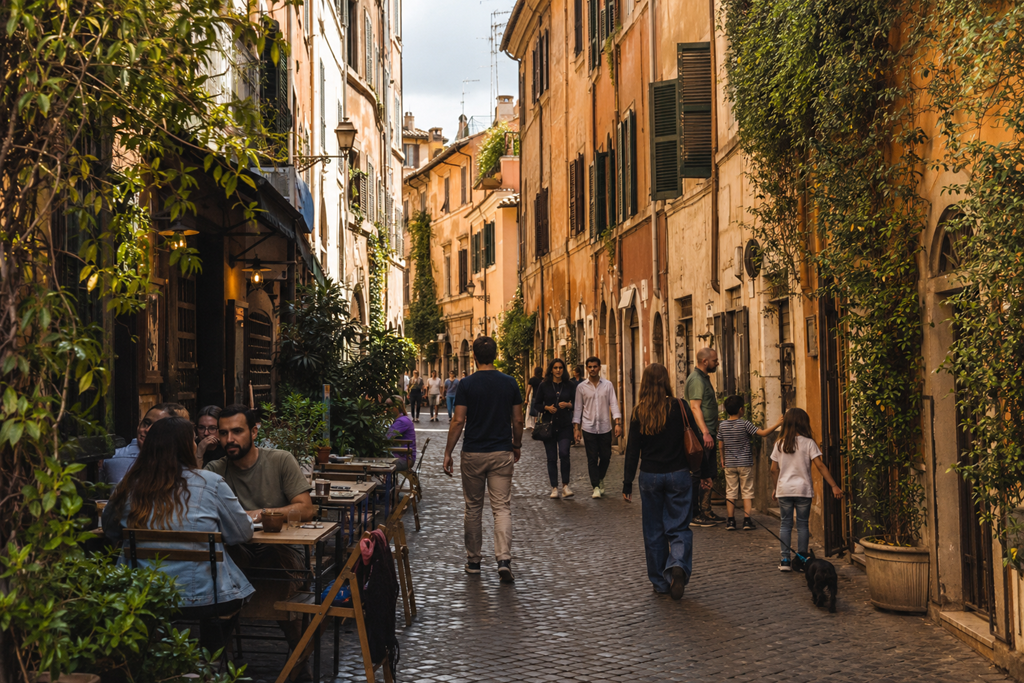
Start the day in Trastevere, one of Rome’s most atmospheric neighborhoods. Come in the morning to see a quieter side of the area before the dinner crowds arrive. Walk the cobblestone streets, visit small churches, stop for coffee, and let the neighborhood unfold without a strict route.
Trastevere is often described as charming, but it is best when experienced slowly. Look up at balconies, side streets, laundry lines, ivy-covered walls, and small piazzas.
Midday: Lunch In Trastevere
Stay in Trastevere for lunch. This is a good area for classic Roman dishes, but it is also popular with visitors, so use common sense. Menus posted in several languages are not automatically bad, but look for places that feel relaxed rather than aggressively promotional.
Try pasta, seasonal vegetables, roasted meats, or a simple house dessert. This is also a good day for a longer lunch because the afternoon is lighter.
Afternoon: Janiculum Hill Views
After lunch, walk or take a short ride up toward Janiculum Hill. The views over Rome are worth the effort, especially if you enjoy seeing the city as a whole rather than moving from monument to monument.
This is a good place to pause, take photos, and appreciate how Rome’s domes, rooftops, and hills fit together. It also gives your itinerary a break from interiors and ticketed attractions.
Late Afternoon: Cross Back Toward The Historic Center
Return toward the river and cross back into central Rome. If you want another gentle stop, visit a church, browse shops, or sit in a piazza with a coffee or gelato.
This is also a useful time for anything you missed earlier: another look at the Pantheon area, a return to Piazza Navona, or a simple walk through favorite streets.
Evening: Dinner In Trastevere Or Testaccio
For dinner, either return to Trastevere or head to Testaccio, a neighborhood strongly connected to Roman food traditions. Testaccio is a good choice if you want a less monument-centered evening and a meal that feels rooted in the city’s everyday life.
Day 5: Borghese Gardens, Art, Shopping Streets, And A Flexible Final Evening
Morning: Villa Borghese And The Borghese Gallery
Spend your final morning around Villa Borghese, one of Rome’s best green spaces for visitors who need a softer start after several busy days. Walk through the gardens, enjoy the shade, and take in views from the Pincian Terrace.
If you enjoy art, consider booking the Borghese Gallery. It is one of Rome’s most rewarding museum experiences, especially for sculpture and painting, but timed reservations are often part of the visit, so check current booking requirements in advance.
Midday: Lunch Near The Park Or Piazza Del Popolo
After the gardens, head toward Piazza del Popolo or nearby streets for lunch. This area connects well with central Rome and gives you several options for a comfortable final-day meal.
Keep the schedule loose. By day five, you will probably know whether you want another long meal, a casual slice of pizza, or one last pasta dish.
Afternoon: Choose Your Final Rome Experience
Use the afternoon for one of three options, depending on your travel style.
If you want more history, visit the Baths of Caracalla or another ancient site. If you want more neighborhood time, explore Testaccio, Aventine Hill, or another area you have not yet seen. If you want a lighter final day, revisit your favorite piazza, shop for edible souvenirs, or enjoy a slow café break.
This flexibility is important. A perfect Rome itinerary is not about seeing everything. It is about leaving with a strong sense of the city.
Evening: A Final Walk And Dinner
For your last evening, choose a familiar area rather than chasing something complicated. A walk through the historic center, a final view of the Colosseum, or dinner near a favorite square can be more meaningful than adding another attraction.
End with something simple: gelato, a glass of wine, or one last slow walk through Rome’s evening streets.
What To Eat In Rome During A 5-Day Trip
Rome is a strong food city, but it is also a place where simple choices often work best. You do not need every meal to be famous or hard to reserve.
Classic dishes to look for include carbonara, cacio e pepe, amatriciana, gricia, supplì, Roman-style artichokes when in season, pizza al taglio, maritozzi, gelato, and espresso at the bar. For a more grounded food experience, try to vary where you eat: one casual lunch, one traditional trattoria, one neighborhood dinner, one quick slice of pizza, and one slower final meal.
A helpful rule in Rome is to avoid eating only in the most crowded squares. Walk a few streets away, read menus carefully, and choose places that feel comfortable rather than pressured.
Where To Stay For This Rome Itinerary
For a first Rome trip, staying central makes the itinerary easier. The historic center is convenient for walking to many major sights, though it can be busy and expensive. Monti is a good choice for ancient Rome access and a neighborhood feel. Prati works well for visitors who want easier Vatican access and a slightly more residential base. Trastevere is atmospheric and lively, especially in the evening, but it may require more transit or walking for some major sights.
The best area depends on your priorities. If you want maximum convenience, stay near the historic center or Monti. If you want a slightly calmer base with good food access, consider Prati. If evening atmosphere matters most, Trastevere may be the right fit.
Practical Rome Travel Tips
Book major attractions ahead when possible, especially the Colosseum, Vatican Museums, and Borghese Gallery. Timed-entry rules and visitor procedures can change, so confirm current details before your trip.
Wear comfortable shoes. Rome is extremely walkable, but the combination of cobblestones, stairs, museum floors, and long sightseeing days can be tiring.
Do not overload every day. Two major experiences plus one neighborhood or scenic walk is usually enough.
Use taxis strategically. Walking is part of the joy of Rome, but a short taxi ride can save energy when moving between distant neighborhoods.
Carry a refillable water bottle. Rome has public drinking fountains throughout the city, and staying hydrated makes a big difference during warm months.
Plan meals by area, not by perfection. It is better to have a good, convenient meal near your route than to cross the city while hungry for a restaurant you found online.
Best Time To Visit Rome For This Itinerary
Spring and fall are often the most comfortable seasons for walking and sightseeing. Summer can be hot and crowded, so early starts, midday breaks, and lighter afternoons become more important. Winter is usually quieter, though daylight is shorter and some experiences may feel better earlier in the day.
This itinerary works year-round, but the pacing matters. In warmer months, move major outdoor sights to the morning when possible. In cooler months, take advantage of lighter crowds and make museum visits a larger part of the plan.
A Realistic Way To See Rome In 5 Days
Five days in Rome gives you enough time to see the major sights without turning the trip into a checklist. You can experience ancient Rome, the Vatican, the historic center, Trastevere, major piazzas, art, food, viewpoints, and neighborhood wandering with room to breathe.
The key is to group sights logically, book the busiest attractions ahead, and leave space for the small moments that make Rome memorable: an unplanned church visit, a perfect espresso, an evening bridge crossing, or a quiet street that becomes your favorite part of the trip.
Download Our Free E-book!