Budapest is one of Europe’s most rewarding city breaks: historic, walkable in the right areas, beautiful along the Danube, and rich with thermal bath culture, grand architecture, cafés, markets, and layered history. This guide is designed to help LifeStylenaire readers plan a clearer, easier trip without trying to do everything at once. It follows the pasted travel article prompt and its evergreen requirements.
Budapest is often described as two cities in one: Buda, the hillier, more historic western side, and Pest, the flatter, busier eastern side where many hotels, restaurants, shops, cafés, and nightlife areas are located. The Danube runs between them, giving the city some of its most memorable views.
The official Budapest tourism site highlights major sights such as Fisherman’s Bastion, Buda Castle District, and other classic attractions, while BKK, the city’s public transport operator, provides current ticket and travelcard information for visitors.
Why Visit Budapest?
Budapest works well for many types of travelers. It has enough major sights for a first-time European city trip, enough food and bath culture for a slower vacation, and enough history to reward travelers who enjoy museums, architecture, and neighborhood walks.
What makes the city especially appealing is the mix. You can spend the morning walking around Castle Hill, cross the Danube for lunch in Pest, visit a museum or market in the afternoon, and end the day soaking in a thermal bath. Budapest feels grand in places, lived-in in others, and surprisingly easy to enjoy once you understand its basic layout.
Best Time To Visit Budapest
Budapest can be visited year-round, but each season has a different feel.
Spring
Spring is one of the best times to visit if you want comfortable walking weather, blooming parks, and a city that feels active without peak summer intensity. It is a good season for outdoor viewpoints, Castle Hill, Margaret Island, and long walks along the Danube.
Summer
Summer brings warm weather, long daylight hours, and a lively atmosphere. It can also be busier and hotter, especially around major sights. If you visit in summer, plan heavier sightseeing earlier or later in the day and save museums, cafés, or baths for breaks.
Autumn
Autumn is another excellent time to visit. The weather is usually pleasant for walking, the city’s architecture photographs beautifully in softer light, and parks and riverside areas feel especially inviting.
Winter
Winter can be cold, but Budapest still works well as a winter trip because of its thermal baths, cafés, museums, and atmospheric architecture. Outdoor sightseeing requires warmer clothing, but soaking in hot thermal water during colder weather is one of the city’s signature experiences.
How Many Days Do You Need In Budapest?
For most first-time visitors, three to four days is a good amount of time. That gives you enough room to see the Castle District, Parliament area, St. Stephen’s Basilica, the Jewish Quarter, a thermal bath, a market, and one or two museums without rushing constantly.
A shorter two-day trip can still be worthwhile if you focus on the main highlights. With five or more days, you can slow down, explore more neighborhoods, visit additional baths, take longer café breaks, and consider a day trip.
Understanding Budapest’s Main Areas
Budapest is easier to plan when you think in terms of areas rather than isolated attractions.
Buda: Hills, Views, And Historic Atmosphere
Buda sits on the western side of the Danube. It is hillier, quieter in many areas, and home to some of the city’s most famous viewpoints.
Castle District
The Castle District is one of the most important areas for first-time visitors. This is where you will find Buda Castle, Matthias Church, Fisherman’s Bastion, cobblestone streets, historic buildings, and some of the best views over Pest.
It is worth allowing time to wander rather than only taking a few photos. The area is especially beautiful in the morning or later in the day when the light is softer and the streets feel less crowded.
Gellért Hill Area
Gellért Hill offers wide views over the Danube and the city. It is a good area for travelers who enjoy scenic walks and do not mind a climb. Conditions and access around specific viewpoints can change, so check current local guidance before planning your route.
Buda Riverside
The Buda side of the river gives you excellent views of the Parliament Building and Pest skyline. It can be a quieter alternative to the busier Pest riverfront.
Pest: Architecture, Food, Cafés, And City Life
Pest is the flatter, more energetic side of Budapest. Many visitors stay here because it has convenient transport, restaurants, cafés, shops, and easy access to major sights.
Inner City And Danube Promenade
The central Pest side is useful for first-time visitors because it places you near the Danube, Váci Street, St. Stephen’s Basilica, and many transport connections. The Danube Promenade is especially good for an easy scenic walk.
Jewish Quarter
The Jewish Quarter is known for the Dohány Street Synagogue, historic courtyards, ruin bars, street art, cafés, restaurants, and nightlife. It is one of Budapest’s most energetic areas, but it can be noisy at night, so choose accommodation carefully if you prefer a quieter stay.
Andrássy Avenue And City Park
Andrássy Avenue connects central Pest with Heroes’ Square and City Park. This area is useful for architecture, museums, the Hungarian State Opera House, and Széchenyi Thermal Bath in City Park.
Parliament And Lipótváros
The area around the Hungarian Parliament Building is one of the city’s most impressive architectural zones. It is good for riverside walks, photography, and seeing Budapest’s grand civic side.
Top Attractions And Experiences In Budapest
Budapest has many worthwhile sights, but these are the classic experiences that give first-time visitors a strong sense of the city.
Buda Castle District
The Buda Castle District is a natural starting point. Buda Castle itself has long been one of the city’s defining landmarks, and the surrounding district offers historic streets, museums, churches, courtyards, and viewpoints.
You do not need to approach this area as a checklist. Give yourself time to walk, pause, and take in the views. If you enjoy museums, look into the institutions housed around the castle complex and choose the one that best fits your interests.
Fisherman’s Bastion
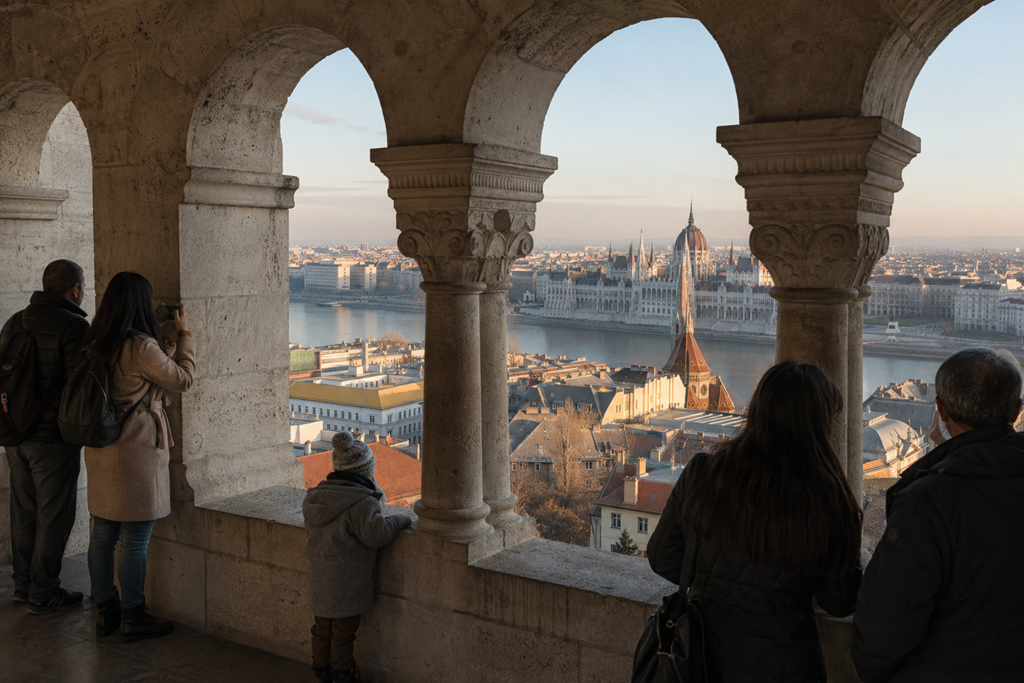
Fisherman’s Bastion is one of Budapest’s most recognizable landmarks. Its terraces and towers look across the Danube toward the Parliament Building, making it one of the city’s most popular viewpoints. The official Budapest tourism site lists Fisherman’s Bastion among the city’s top sights.
It is especially appealing early in the morning, when the area is quieter, or around golden hour, when the city takes on a softer glow.
Matthias Church
Located near Fisherman’s Bastion, Matthias Church is known for its colorful tiled roof and long history. Even if you only view it from the outside, it adds a strong sense of place to the Castle District. If you enjoy religious architecture, historic interiors, or photography, consider making time to go inside.
Hungarian Parliament Building
The Hungarian Parliament Building is one of Budapest’s great architectural icons. It is best appreciated from several angles: up close on the Pest side, from across the river on the Buda side, and from the Danube itself if you take a boat ride.
Tours and access details can change, so check current reservation requirements before planning an interior visit.
St. Stephen’s Basilica
St. Stephen’s Basilica is one of Pest’s major landmarks and a useful anchor point for exploring the city center. The surrounding square is lively, walkable, and close to restaurants, cafés, and shopping streets.
Visitors who enjoy viewpoints may want to check whether tower or dome access is available during their trip.
Dohány Street Synagogue And Jewish Quarter
The Dohány Street Synagogue is one of the most significant Jewish heritage sites in Budapest. The surrounding Jewish Quarter adds another layer, with historic buildings, courtyards, restaurants, and nightlife.
This is an area where it is worth slowing down. Budapest’s Jewish history is complex, and a guided walk or thoughtful museum visit can help give more context than a quick pass through the neighborhood.
Heroes’ Square And City Park
Heroes’ Square is a major ceremonial space at the end of Andrássy Avenue. Nearby City Park is useful for travelers who want to pair sightseeing with a more relaxed outdoor break.
City Park is also home to Széchenyi Thermal Bath, one of Budapest’s best-known bath complexes, along with museums and green space.
Great Market Hall
The Great Market Hall is one of Budapest’s classic food and market experiences. It is useful for seeing local ingredients, paprika, baked goods, sausages, preserves, and casual food stalls.
Go with reasonable expectations: it is popular with visitors, but it still offers a helpful introduction to Hungarian food culture. Check current opening days and hours before going, especially around holidays.
Margaret Island
Margaret Island sits in the Danube between Buda and Pest. It is a good choice when you want a break from dense sightseeing. Expect paths, lawns, gardens, fountains, and space to walk or relax.
It is especially useful for travelers who like to balance museums and architecture with fresh air.
Budapest’s Thermal Bath Culture
Thermal baths are one of Budapest’s defining travel experiences. The city has a long bathing tradition shaped by natural thermal springs, Ottoman-era bathing culture, and later spa architecture.
For many visitors, one bath visit is enough. Others may want to try two very different styles, such as a grand outdoor complex and a more historic bath.
Széchenyi Thermal Bath
Széchenyi is one of Budapest’s most famous bath complexes and is located in City Park. It is known for its large outdoor pools, grand architecture, indoor pools, saunas, and steam rooms. The bath’s own visitor information describes it as a large historic spa bath complex with indoor baths and outdoor pools.
This is a good choice for a first-time visitor who wants the classic Budapest thermal bath experience. It is also popular, so booking ahead during busy periods can be wise.
Gellért Baths
Gellért Baths are known for their decorative architecture and historic atmosphere. They are a good option for travelers who care as much about the setting as the soak itself.
Because bath conditions, renovation schedules, and access details can change, check current information before choosing your bath.
Rudas Baths
Rudas has a more historic Ottoman-era feel in parts of the complex and is often appreciated by travelers who want a different atmosphere from Széchenyi. Some areas or sessions may have specific entry rules, so verify current details before visiting.
Lukács Baths
Lukács can feel a little more local than the most famous visitor-focused options. It may appeal to travelers who want a traditional bath experience without making it the most photographed stop of the trip.
Thermal Bath Etiquette And Planning
Bring or rent what you need, such as a swimsuit, towel, and sandals. Rules vary by bath, so check current policies before you go. Some baths use lockers, cabins, wristbands, or timed-entry systems.
A few practical notes:
- Rinse before entering pools.
- Move slowly between hot pools, saunas, steam rooms, and cooler areas.
- Stay hydrated.
- Avoid planning a bath visit when you are already exhausted or rushed.
- Check whether your chosen bath has any gender-specific, age-specific, or session-specific rules.
Food And Drink In Budapest
Budapest’s food culture is hearty, flavorful, and well suited to travelers who enjoy traditional dishes, markets, cafés, and casual meals.
Hungarian Dishes To Try
Classic foods to look for include goulash, chicken paprikash, stuffed cabbage, lángos, chimney cake, strudel, and dishes seasoned with paprika. You will also see soups, stews, dumplings, sour cream, pickled vegetables, and rich desserts.
You do not need to chase “the best” version of everything. For an evergreen approach, focus on trying a few traditional dishes in settings that fit your travel style: a market hall, a neighborhood restaurant, a café, or a simple lunch spot.
Café Culture
Budapest has a long café tradition, from ornate historic cafés to modern neighborhood spots. A café break fits naturally into a Budapest itinerary because the city rewards walking, and the architecture often encourages lingering.
Choose cafés by location and atmosphere rather than trying to follow constantly changing rankings.
Markets And Food Halls
Markets are useful for seeing everyday ingredients and Hungarian staples. The Great Market Hall is the most famous, but smaller neighborhood markets can also be rewarding if you enjoy local food culture.
Wine, Beer, And Local Drinks
Hungary has several wine regions, and Budapest restaurants and wine bars often feature Hungarian wines. If you drink alcohol, trying a glass of local wine can be a simple way to connect with the country’s food culture.
As always, drink responsibly and be aware of your surroundings at night.
Getting Around Budapest
Budapest is fairly easy to navigate once you understand the main transport options.
Walking
Many central areas are walkable, especially around the Danube, the Inner City, the Jewish Quarter, Andrássy Avenue, and parts of the Castle District. However, attractions are spread out enough that public transport is helpful.
Wear comfortable shoes. Budapest has cobblestones, hills in Buda, stairs, riverfront paths, and long museum days.
Public Transportation
Budapest has metro, tram, bus, and trolleybus services. BKK, the city’s public transport operator, states that visitors can buy tickets and passes through ticket vending machines, the BudapestGO app, customer service centers, and ticket offices.
For most visitors, a multi-day travelcard can be easier than buying individual tickets repeatedly. Check current BKK rules before travel, especially for airport routes and validation requirements.
Trams
Budapest’s trams are practical and scenic. Tram routes along the Danube can be especially useful for seeing the city while moving between areas.
Metro
The metro is helpful for longer distances across Pest and for reaching areas such as City Park. The historic Millennium Underground line is also part of the city’s transport heritage.
Airport Transfers
Budapest Ferenc Liszt International Airport is connected to the city by public transport and other transfer options. The airport’s own transport information notes that BKK tickets, travelcards, or passes are required for public transport travel, while airport-specific routes may have separate ticket rules.
Before arriving, check the current airport transfer options and choose based on your arrival time, luggage, budget, and where you are staying.
Where To Stay In Budapest
The best area depends on your travel style.
Best For First-Time Visitors: Inner Pest
Inner Pest is convenient for sightseeing, restaurants, transport, and Danube walks. It is a strong choice if you want to minimize logistics.
Best For Views And Historic Atmosphere: Castle District Or Buda Side
Staying in or near the Castle District gives you a quieter, more historic feel, especially in the evenings. The tradeoff is that you may rely more on public transport, walking uphill, or taxis.
Best For Nightlife And Restaurants: Jewish Quarter
The Jewish Quarter is convenient, energetic, and full of food and nightlife options. It can also be noisy, so check accommodation reviews carefully if quiet sleep matters.
Best For A More Polished Central Stay: Parliament And Basilica Areas
The areas around Parliament, St. Stephen’s Basilica, and nearby central streets can work well for travelers who want a classic city-center base with easy access to major sights.
Practical Travel Tips For Budapest
Plan Around Geography
Group sights by area. For example, visit Fisherman’s Bastion, Matthias Church, and Buda Castle together rather than crossing back and forth across the city all day.
Do Not Overload Your First Day
Budapest is enjoyable when you leave room to walk, sit by the river, take photos, and pause for cafés. A rushed itinerary can make the city feel more complicated than it is.
Book Ahead For High-Demand Experiences
For popular baths, Parliament tours, certain museums, or special experiences, check current reservation requirements before you go. Timed-entry systems and availability can change.
Carry Some Local Currency Or A Payment Backup
Cards are widely used in many visitor-facing places, but it is still helpful to have a backup payment method. Check with your bank about international fees before the trip.
Use Common-Sense Safety Habits
Budapest is generally straightforward for visitors, but normal city awareness matters. Watch your belongings in crowded areas, be careful late at night, use licensed taxis or reputable ride options, and avoid accepting unclear offers from strangers in tourist-heavy zones.
Learn A Few Hungarian Basics
Hungarian is not an easy language for most visitors, but a few basics are appreciated. Simple words like hello, thank you, and please can make everyday interactions feel more respectful.
Check Current Details Before Visiting
Opening hours, entry rules, bath policies, transport rules, and renovation schedules can change. Use official attraction, museum, bath, and transport websites for final planning.
A Simple First-Time Budapest Plan
Here is a flexible way to think about a first trip.
Day One: Pest And The Danube
Start with central Pest, St. Stephen’s Basilica, the Danube Promenade, and views of the Parliament Building. Add a café break and a simple dinner nearby.
Day Two: Castle District And Buda Views
Spend the morning or afternoon around Fisherman’s Bastion, Matthias Church, and Buda Castle. Leave time for scenic viewpoints and a slower walk through the historic streets.
Day Three: Thermal Bath And City Park
Visit Széchenyi Thermal Bath, Heroes’ Square, and City Park. If you prefer museums, add one nearby rather than trying to see everything.
Day Four: Market, Jewish Quarter, And Flexible Exploring
Visit the Great Market Hall, explore the Jewish Quarter, and use the rest of the day for a museum, Margaret Island, a river walk, or a second bath experience.
What To Prioritize If You Have Limited Time
If you only have a short visit, prioritize:
- Castle District, Fisherman’s Bastion, and Matthias Church
- Hungarian Parliament Building from at least the outside
- A Danube walk or tram ride
- One thermal bath
- St. Stephen’s Basilica or the Jewish Quarter
- One traditional meal or market visit
This gives you a balanced first impression of Budapest without turning the trip into a checklist.
Final Thoughts For Planning A Better Budapest Trip
Budapest is at its best when you give yourself enough structure to feel oriented, but enough space to enjoy the city between plans. The major sights are worth seeing, but the quieter moments matter too: a riverside walk, a slow café stop, steam rising from a thermal pool, or the view from Buda as the lights come on across Pest.
Plan the essentials, check current details before you go, and leave room for the city to unfold at a human pace.
Download Our Free E-book!