Copenhagen is one of Europe’s easiest cities to enjoy slowly. It has the ingredients many travelers want in a short break: walkable neighborhoods, strong public transportation, historic streets, waterfront views, design culture, excellent museums, cozy cafés, and enough food experiences to make even a simple weekend feel memorable.
This guide is designed to help you plan a Copenhagen trip with less guesswork. You’ll get a practical overview of when to visit, where to stay, how to get around, what to see, what to eat, and how to shape a city break that feels balanced rather than rushed.
Why Copenhagen Works So Well For A City Break
Copenhagen is compact, organized, and visually rewarding. Many of the city’s best experiences are close together, especially around the historic center, Nyhavn, Christianshavn, the waterfront, and the neighborhoods just beyond the core.
It is also a city that rewards everyday wandering. A good Copenhagen trip does not need to be built only around ticketed attractions. Some of the most enjoyable moments come from walking along the harbor, crossing bridges by bike, sitting in a bakery with coffee and a pastry, browsing design shops, or exploring residential streets where the city’s relaxed style comes through naturally.
Copenhagen is especially strong for travelers who enjoy:
- Architecture and design
- Museums and history
- Food markets and bakeries
- Harbor walks and canals
- Cycling culture
- Parks and gardens
- Clean, efficient urban travel
The city’s public transportation network includes metro, trains, buses, and harbor buses, and VisitCopenhagen describes biking and public transport as two of the easiest ways to move around the city.
Best Time To Visit Copenhagen
Copenhagen can be visited year-round, but the best time depends on the kind of trip you want.
Spring
Spring is a good choice if you want lighter crowds than peak summer and still hope for pleasant walking weather. Parks and gardens begin to feel lively again, outdoor seating returns gradually, and the city becomes easier to explore on foot or by bike.
Pack layers. Copenhagen weather can shift during the day, especially near the water.
Summer
Summer is the most popular time for a Copenhagen city break. The days are long, outdoor dining is easier, and the harbor areas feel especially active. This is a great time for canal walks, picnics, cycling, and spending more time outside.
Because summer is a busy travel period, book accommodations and major attractions ahead when possible. For any museum, palace, or timed-entry attraction, check current opening hours and reservation requirements before you go.
Autumn
Autumn can be one of the most enjoyable times to visit. The city feels cozy, the light is softer, and museums, cafés, and design shops become even more appealing. It is a strong season for travelers who prefer a slower pace and do not mind cooler weather.
Winter
Winter in Copenhagen is quiet, atmospheric, and best suited for travelers who enjoy museums, cafés, bakeries, design stores, and cozy indoor breaks. It can be cold, dark, and windy, but the city’s compact layout still makes it manageable for a short trip.
Winter is not the best time if your main goal is long outdoor sightseeing days. It can be a very good time if you want a slower cultural trip.
How Many Days Do You Need In Copenhagen?
For a first visit, two to four days works well.
A two-day trip gives you enough time for the historic center, Nyhavn, a few major attractions, a neighborhood walk, and a good food experience.
Three days is more comfortable. You can add Christianshavn, a museum, a market, a canal or harbor experience, and a slower evening without feeling overpacked.
Four days gives you room for day trips, deeper museum time, or more neighborhood exploring.
If Copenhagen is part of a larger Scandinavia or Northern Europe itinerary, it still works well as a short stop because the airport is close to the city center. VisitCopenhagen notes that train or metro travel from the airport to the city center takes about 12 minutes, though travelers should always verify current routes and ticket details before arrival.
Where To Stay In Copenhagen
Choosing where to stay depends on your travel style. Copenhagen is not a huge city, so you do not need to stay directly beside every attraction. Being near a metro station, train station, or walkable central area can matter more than being on one specific street.
Indre By: Best For First-Time Visitors
Indre By is Copenhagen’s historic center. It places you close to many classic sights, including Nyhavn, Strøget, Rosenborg Castle, Christiansborg Palace, museums, shopping streets, and waterfront walks.
Stay here if you want maximum convenience and plan to do a lot on foot.
Best for:
- First-time visitors
- Short city breaks
- Museum-focused trips
- Travelers who want to minimize transit time
Nyhavn And Kongens Nytorv: Best For Classic Copenhagen Views
Nyhavn is one of Copenhagen’s most recognizable areas, known for its colorful waterfront buildings, boats, restaurants, and canal views. It is scenic and central, but it can also be busy.
Staying nearby gives you easy access to the harbor, the Royal Danish Theatre area, Amalienborg, and the city center. It is a good fit if you want a polished, postcard-style Copenhagen base.
Vesterbro: Best For Food, Cafés, And A Livelier Feel
Vesterbro sits west of the central station and has become a popular area for restaurants, bars, independent shops, and casual local energy. It is useful for travelers who want easy transport links but prefer a neighborhood with more everyday personality than the historic core.
Best for:
- Food-focused travelers
- Younger couples or friend trips
- Visitors who like cafés and nightlife
- People who want central access without staying in the most tourist-heavy streets
Nørrebro: Best For Local Flavor And Diversity
Nørrebro is one of Copenhagen’s most interesting neighborhoods for everyday city life. It has independent shops, global food, coffee spots, green spaces, and a more lived-in feeling than the central tourist areas.
Stay here if you enjoy neighborhoods that feel creative, mixed, and less polished.
Christianshavn: Best For Canals And Quiet Charm
Christianshavn has canals, historic streets, houseboats, and a slower waterfront feel. It is close to the city center but has its own identity. It is a good area for travelers who want charm, walkability, and easy access to the harbor.
It is also near Christiania, one of Copenhagen’s most discussed alternative communities. Visitors should be respectful, follow posted rules, and treat the area as a real neighborhood rather than a spectacle.
Frederiksberg: Best For A More Residential Stay
Frederiksberg is technically its own municipality surrounded by Copenhagen, but for travelers it feels like part of the city. It is leafy, elegant, and residential, with gardens, cafés, and good transit connections.
Stay here if you want a quieter base and do not mind taking the metro or biking into the center.
Getting Around Copenhagen
Copenhagen is one of the easiest European capitals to navigate without a car.
Walking
Walking is the best way to experience the historic center, Nyhavn, Christianshavn, and the harborfront. Many major sights are close enough to combine into relaxed half-day routes.
Bring comfortable shoes. Copenhagen’s streets are pleasant for walking, but you may cover more distance than expected.
Cycling
Copenhagen is known for its cycling culture, and biking can be one of the most enjoyable ways to see the city. The City of Copenhagen describes cycling as one of the easiest, cheapest, and greenest ways to get around.
If you are not used to biking in a busy cycling city, take a few minutes to understand the flow before joining commuter-heavy lanes. Use hand signals, stay to the right, avoid stopping suddenly in bike lanes, and be extra attentive during rush periods.
Metro, Trains, And Buses
Public transportation is reliable and useful, especially if you stay outside the historic center or plan to visit neighborhoods like Nørrebro, Frederiksberg, Østerbro, or Amager. The metro is especially helpful because it connects many parts of the city and runs frequently. VisitCopenhagen notes that all metro lines operate 24/7, though intervals vary by time of day.
Before traveling, check the current ticket options. For many visitors, a city pass or travel card may be easier than buying individual tickets repeatedly.
Harbor Buses
Copenhagen’s harbor buses are part of the public transport system and offer a simple way to see the city from the water without committing to a full canal tour. VisitCopenhagen describes them as an alternative way to travel through the harbor, connecting areas along the waterfront.
This can be especially useful if you want a low-key scenic ride between waterfront neighborhoods.
Taxis And Ride Services
Taxis are available but usually unnecessary for most sightseeing. They can be useful late at night, with luggage, or during bad weather.
For most city-break travelers, walking, biking, metro, trains, buses, and harbor buses are enough.
Top Attractions And Experiences In Copenhagen
Copenhagen has many classic sights, but the best trip usually combines major landmarks with slower neighborhood time.
Nyhavn
Nyhavn is the colorful harborfront many people picture when they think of Copenhagen. It is lined with historic buildings, boats, cafés, and restaurants, making it one of the city’s most photographed areas.
It is worth seeing, especially on a first visit, but it is also one of the busiest places in the city. Go early in the day for a quieter walk, or visit later simply to enjoy the atmosphere. You do not need to spend your whole afternoon here. A walk, a few photos, and a pause by the water may be enough.
Tivoli Gardens
Tivoli Gardens is one of Copenhagen’s most famous attractions, combining amusement rides, gardens, restaurants, design details, and seasonal atmosphere. It is close to the central station, which makes it easy to include even on a short trip.
Because opening periods and events can vary, check current dates and hours before planning your visit. Tivoli is especially worthwhile for travelers who enjoy historic amusement parks, evening lights, or a nostalgic atmosphere.
Rosenborg Castle And The King’s Garden
Rosenborg Castle is a compact royal castle set beside the King’s Garden. It is a good choice if you want royal history without committing to a huge palace visit.
The surrounding garden is also worth your time, especially in spring and summer. Even if you do not enter the castle, the park is a pleasant place for a break while exploring the city center.
Amalienborg Palace
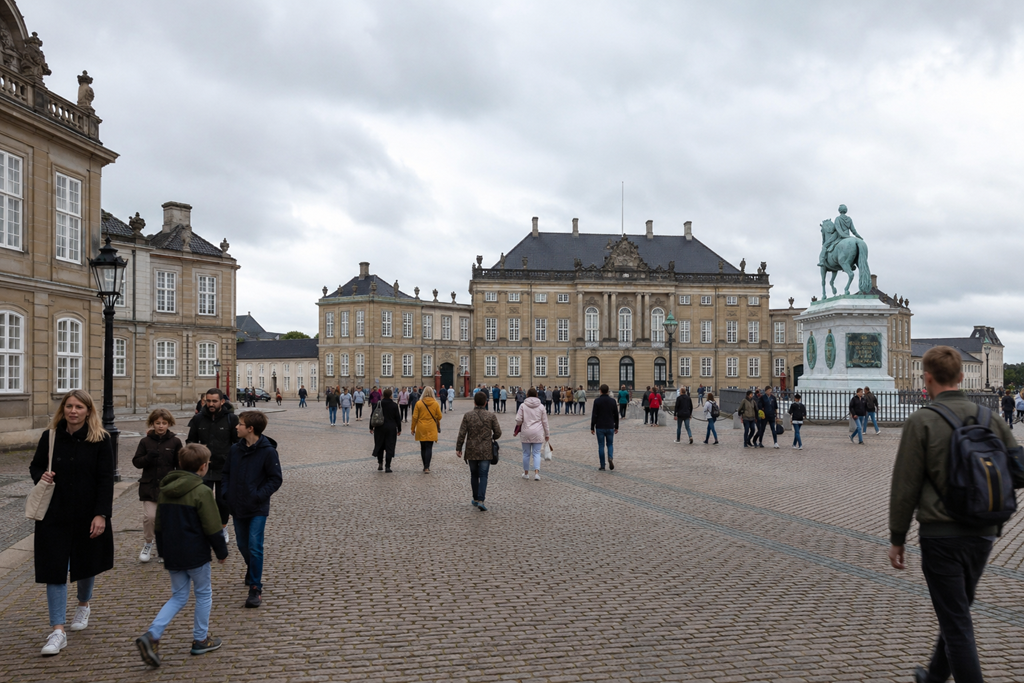
Amalienborg is the home of the Danish royal family, and its open palace square gives visitors a strong sense of Copenhagen’s royal architecture and ceremonial life. VisitDenmark highlights Amalienborg as the home of the Danish royal family in central Copenhagen.
It pairs naturally with nearby Frederik’s Church, the waterfront, and a walk toward Nyhavn.
Christiansborg Palace
Christiansborg Palace is important for understanding Denmark’s political and royal history. It houses major state functions and offers access to several visitor areas, depending on current operations.
It is centrally located and easy to combine with the old town, museums, and the waterfront.
The National Museum Of Denmark
The National Museum is a strong choice for travelers who want historical context. It helps connect Copenhagen to broader Danish history, from early settlement and Viking heritage to later cultural development.
It is especially useful near the beginning of a trip because it gives meaning to the city’s architecture, royal sites, and historical neighborhoods.
Ny Carlsberg Glyptotek
The Glyptotek is one of Copenhagen’s most rewarding museums, known for art, sculpture, architecture, and its atmospheric winter garden. VisitDenmark includes Copenhagen among Denmark’s strong art and museum destinations, noting the city’s mix of world-class museums, history, and creativity.
This is a good museum for travelers who enjoy beauty, design, and a slower indoor experience.
The Round Tower
The Round Tower is a historic observatory and one of the most accessible viewpoints in central Copenhagen. Its spiral ramp makes the climb distinctive, and the view from the top helps you understand the city’s scale.
Go when the weather is clear if the view matters to you.
Strøget And The Historic Center
Strøget is Copenhagen’s main pedestrian shopping street. While parts of it are busy and commercial, the surrounding streets are still useful for orientation. Wander off the main route to find smaller squares, old churches, design shops, bakeries, and cafés.
This area is best enjoyed as a walk rather than a shopping mission.
Christianshavn And The Canals
Christianshavn offers some of Copenhagen’s most pleasant canal scenery. It is a good place to slow down, cross bridges, look at houseboats, and enjoy a different rhythm from the central shopping streets.
Pair Christianshavn with Church of Our Saviour, a canal walk, or a harbor bus ride.
The Little Mermaid
The Little Mermaid is one of Copenhagen’s most famous landmarks, but it is also small and can be underwhelming if you expect a grand monument.
It is best treated as part of a larger waterfront walk rather than a standalone destination. Combine it with Kastellet, the Gefion Fountain, Amalienborg, or Østerbro.
Kastellet
Kastellet is a star-shaped historic fortress area with paths, green space, and water views. It is a peaceful stop near The Little Mermaid and works well when you want a break from busier streets.
It is a good example of Copenhagen’s ability to blend history, public space, and everyday walking routes.
Reffen Or Food Market Experiences
Copenhagen has a strong food culture, and markets or casual food halls can be a practical way to sample different flavors without committing to a formal meal. Reffen is known as a street food area by the water, while other market-style spaces may suit travelers who want indoor food options.
Because food venues can change over time, check current opening periods and vendor information before making a special trip.
Harbor Walks And Canal Tours
Copenhagen’s relationship with water is central to the city experience. You can enjoy it through a canal tour, a harbor bus ride, or a self-guided walk along the waterfront.
A canal tour is useful early in the trip because it helps you understand the city’s layout. A harbor walk is better if you prefer to explore at your own pace.
Food And Drink In Copenhagen
Copenhagen’s food scene ranges from traditional Danish dishes to modern Nordic dining, bakeries, markets, coffee shops, and casual neighborhood restaurants.
You do not need to chase famous reservations to eat well here. A satisfying Copenhagen food plan can be simple: one traditional lunch, several bakery stops, a market or food hall meal, coffee breaks, and one dinner that fits your budget.
Danish Pastries And Bakeries
A bakery visit should be part of almost any Copenhagen trip. Look for cardamom buns, cinnamon rolls, rye bread, sourdough, and seasonal pastries.
Morning is usually the best time to visit bakeries because selection is strongest and the experience fits naturally into a day of walking.
Smørrebrød
Smørrebrød is a classic Danish open-faced sandwich, often served on rye bread with toppings such as fish, eggs, meat, potatoes, herbs, or pickled ingredients.
It is a good choice for lunch because it is traditional, filling, and easy to fit into a sightseeing day.
New Nordic And Modern Danish Cooking
Copenhagen is closely associated with modern Nordic cuisine, but fine dining is not the only way to experience it. Many casual restaurants and cafés reflect the same broader values: seasonal ingredients, thoughtful presentation, clean flavors, and attention to design.
If you want a special meal, book ahead. If not, you can still enjoy the city’s food culture through bakeries, markets, cafés, and neighborhood restaurants.
Coffee Culture
Copenhagen is a good city for coffee breaks. Cafés are useful not just for caffeine, but for pacing your trip. Build in one or two café pauses per day, especially if you are traveling in cooler months or doing a lot of walking.
Practical Food Tips
Reservations are helpful for popular restaurants, especially on weekends. For a lower-pressure trip, mix planned meals with flexible options like bakeries, cafés, food halls, and casual neighborhood spots.
If you have dietary restrictions, Copenhagen is generally manageable, but you should still check menus ahead for specific needs.
Suggested Copenhagen City Break Plan
This flexible plan works well for a first visit of two to three days.
Day One: Historic Copenhagen And The Waterfront
Start in the historic center. Walk through the old streets, visit the Round Tower if the weather is clear, and continue toward Kongens Nytorv and Nyhavn.
Spend time around Nyhavn, then walk toward Amalienborg and the waterfront. If you have energy, continue toward Kastellet and The Little Mermaid. If not, save that area for another day.
End with dinner in Indre By, Vesterbro, or Christianshavn depending on where you are staying.
Day Two: Museums, Gardens, And Neighborhood Time
Begin with Rosenborg Castle and the King’s Garden, or choose a museum such as the National Museum or Glyptotek.
In the afternoon, explore Christianshavn or Vesterbro. If the weather is good, add a harbor bus ride or a canal walk. If the weather is poor, lean into cafés, museums, shops, and bakeries.
Consider Tivoli in the evening if it is open during your visit and fits your interests.
Day Three: Local Copenhagen At A Slower Pace
Use a third day to move beyond the most obvious sights. Explore Nørrebro, Frederiksberg, Østerbro, or the harbor areas. Rent a bike if you feel comfortable, visit a food market, or plan a relaxed design-and-café day.
This is also a good day for a half-day trip if you have a specific interest, such as castles, modern art, or coastal scenery outside the city.
Practical Tips For Visiting Copenhagen
Check Opening Hours Before You Go
Museums, palaces, gardens, and attractions may change hours by season, weekday, holiday, or special event. Always check current details before building your day around one place.
Book Ahead During Busy Periods
For popular attractions, special restaurants, and high-demand travel dates, advance planning helps. You do not need to overbook every hour, but secure the pieces that matter most.
Dress For Wind And Weather Changes
Copenhagen’s waterfront location means weather can feel cooler or windier than expected. Layers are useful in every season. Comfortable walking shoes are essential.
Use Contactless Payments, But Keep A Backup
Copenhagen is very card-friendly. Still, it is wise to have a backup payment method in case one card does not work.
Do Not Overload The Itinerary
Copenhagen is best when you leave space between major sights. A museum, a neighborhood walk, a bakery stop, and one scenic area can be a very full and satisfying day.
Think In Neighborhood Clusters
Plan each day by area rather than jumping around the city. For example:
- Nyhavn, Amalienborg, Kastellet, and The Little Mermaid
- Rosenborg, the King’s Garden, the Round Tower, and Strøget
- Christianshavn, the canals, the harbor, and a food stop
- Vesterbro, Tivoli, cafés, and dinner
- Nørrebro, Assistens Cemetery, shops, and casual food
This keeps your trip more efficient and less tiring.
Consider Whether A City Pass Or Copenhagen Card Makes Sense
Copenhagen has visitor passes and public transport ticket options that may save time or money depending on your plans. The Copenhagen Card, for example, includes access to many attractions and public transportation in the capital region, according to the official Copenhagen tourism site.
Do the math based on your actual itinerary before buying. If you plan to visit several paid attractions and use transit often, a pass may be useful. If you mostly want to walk, visit free areas, and choose only one or two paid attractions, individual tickets may be simpler.
Common Mistakes To Avoid
Trying To See Everything In Two Days
Copenhagen looks compact on a map, but the best experiences often take time. Do not turn your city break into a checklist. Choose your must-sees, then leave room for wandering.
Expecting The Little Mermaid To Be A Major Standalone Stop
It is famous, but small. Enjoy it as part of a waterfront walk rather than the centerpiece of your day.
Ignoring Neighborhoods Outside The Historic Center
Indre By is convenient, but Copenhagen becomes more interesting when you add areas like Vesterbro, Nørrebro, Christianshavn, Frederiksberg, or Østerbro.
Renting A Bike Without Understanding Local Cycling Etiquette
Cycling can be wonderful, but Copenhagen’s bike lanes are real transportation routes, not sightseeing lanes. Ride predictably, signal clearly, and avoid blocking commuters.
Forgetting To Plan For Weather
A good Copenhagen itinerary should have indoor and outdoor options. Pair parks and waterfront walks with museums, cafés, markets, and design shops so the trip still works if the weather shifts.
A Simple Way To Think About Copenhagen
Copenhagen is not a city you need to conquer. It is a city to move through thoughtfully.
See the classic places: Nyhavn, the royal squares, the museums, the gardens, and the harbor. But also make time for the small experiences that give the city its character: a pastry in the morning, a quiet canal bridge, a bike ride through a residential neighborhood, a museum on a gray afternoon, or a simple dinner after a long walk.
For a Nordic city break, that balance is the point. Copenhagen gives you enough structure to plan confidently and enough softness around the edges to enjoy the days as they unfold.
Download Our Free E-book!