Dubai is one of the easiest cities in the world to misunderstand from a distance. It is known for luxury hotels, record-breaking architecture, and desert adventures, but the best trips here usually balance the modern city with older neighborhoods, local food, waterfront walks, cultural experiences, and enough open space in the schedule to enjoy it all.
This guide will help you understand Dubai before you go: when to visit, where to stay, how to get around, what to prioritize, what to eat, and how to plan a trip that feels polished without becoming overwhelming.
Dubai’s official tourism site highlights the city’s major themes well: golden desert landscapes, vibrant neighborhoods, world-class dining, iconic landmarks, shopping, culture, and outdoor experiences.
Dubai At A Glance
Dubai is part of the United Arab Emirates and sits along the Arabian Gulf. It is a city of contrasts: glass towers beside traditional souks, beach resorts near desert dunes, luxury malls near working creekside trading areas, and international restaurants alongside Emirati food traditions.
For first-time visitors, Dubai is especially good for:
- Luxury hotels and resort-style travel
- Architecture and skyline views
- Desert experiences
- Shopping and modern attractions
- Family-friendly activities
- Beach time
- Cultural neighborhoods and markets
- Easy international dining
- Warm-weather winter trips
The key to enjoying Dubai is choosing your pace carefully. It is spread out, traffic can add time between areas, and many attractions are large-scale experiences rather than quick stops. A better trip often comes from grouping sights by location instead of trying to cross the city several times in one day.
Best Time To Visit Dubai
The most comfortable time to visit Dubai is generally during the cooler months, especially from late fall through early spring. This is when outdoor sightseeing, beach walks, desert trips, and waterfront dining are more enjoyable.
Dubai’s official tourism resources include weather guidance as part of trip planning, and the city places strong emphasis on helping visitors understand climate, transport, safety, currency, and essential travel basics before arrival.
Cooler Months: Best For First-Time Visitors
Cooler months are the best choice if you want to experience Dubai’s outdoor side. This is a good period for:
- Desert safaris
- Old Dubai walking routes
- Beach clubs and public beaches
- Marina and waterfront strolls
- Outdoor dining
- Parks and viewpoints
- Day trips beyond the city
This is also a popular travel period, so book hotels and major attractions ahead of time during busy weeks.
Hotter Months: Better For Indoor-Focused Trips
Dubai gets very hot in summer. A trip can still work, but you will likely spend more time indoors at malls, museums, restaurants, hotel pools, spas, and air-conditioned attractions.
If you visit during hotter months, plan outdoor activities early in the morning or after sunset, keep your schedule lighter, and choose accommodations with easy access to the places you care about most.
Shoulder Seasons: A Practical Middle Ground
The weeks between the hottest and coolest periods can offer a useful balance. Weather may still be warm, but crowds and hotel rates can sometimes feel more manageable than peak periods. For an evergreen plan, treat these months as flexible and check weather trends before booking.
Where To Stay In Dubai
Dubai is large, so where you stay has a big effect on how easy your trip feels. There is no single “best” area for everyone. Choose your base based on the kind of trip you want.
Downtown Dubai
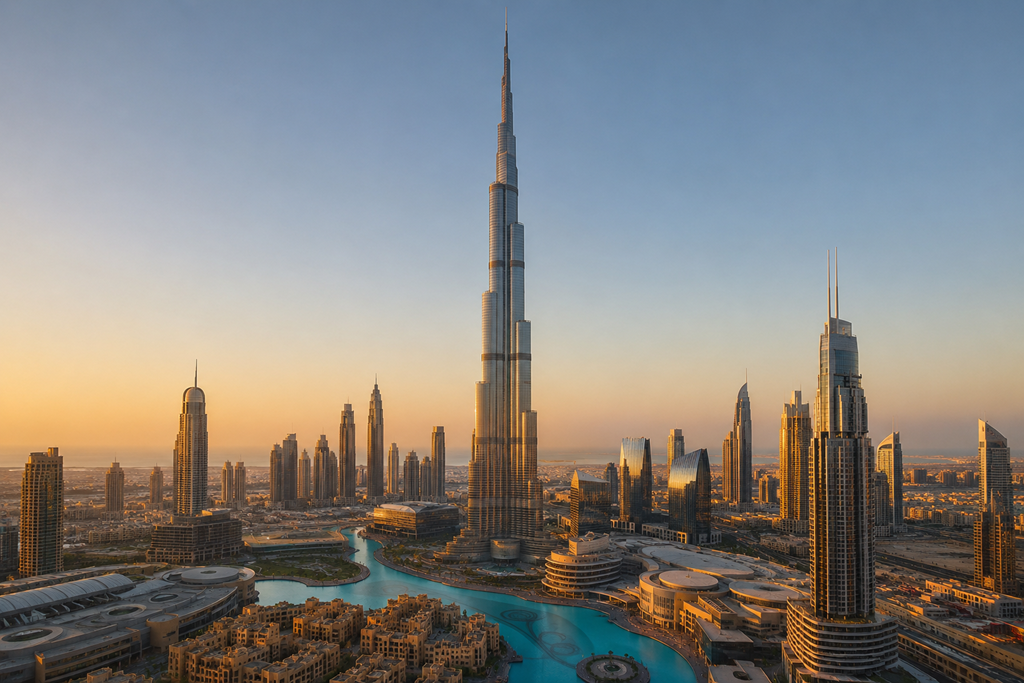
Downtown Dubai is one of the most convenient areas for first-time visitors who want easy access to the Burj Khalifa, Dubai Mall, Dubai Fountain, and polished city views.
Stay here if you want:
- Iconic skyline scenery
- Easy access to major landmarks
- Upscale hotels
- Shopping and dining nearby
- A central-feeling base
Downtown is not the most traditional part of Dubai, but it is practical, impressive, and easy to understand for a first visit.
Dubai Marina And Jumeirah Beach Residence
Dubai Marina and nearby Jumeirah Beach Residence are good choices for travelers who want a waterfront atmosphere, restaurants, beach access, and evening walks.
Stay here if you want:
- A lively waterfront setting
- Beach and marina views
- Apartment-style stays
- Restaurants and cafes nearby
- A vacation-like feel
This area works well for couples, families, and travelers who want to spend part of each day near the water.
Palm Jumeirah
Palm Jumeirah is best for a resort-focused trip. It is known for luxury hotels, private beaches, polished restaurants, and family-friendly resorts.
Stay here if you want:
- A hotel-centered vacation
- Beach time
- Luxury resorts
- Pools, spas, and dining on-site
- A slower, more self-contained trip
The tradeoff is that you may rely more on taxis or ride-hailing to reach other parts of the city.
Bur Dubai And Al Fahidi
Bur Dubai and the Al Fahidi Historical Neighbourhood are excellent for travelers who want a more cultural, heritage-focused base. Visit Dubai describes Al Fahidi as a well-preserved area by the creek that reflects Dubai before its modern boom.
Stay nearby if you want:
- Older streets and heritage architecture
- Easier access to Dubai Creek
- Souks and local markets
- Museums and cultural sites
- A more grounded view of the city
This area is especially good for travelers who do not want their entire Dubai experience to revolve around malls and towers.
Jumeirah
Jumeirah is a good option for beach lovers who want a more residential, relaxed side of Dubai. It offers access to beaches, cafes, mosques, and coastal roads.
Stay here if you want:
- Beach access
- A quieter base than Downtown or Marina
- Cafes and local dining
- Proximity to Jumeirah Mosque
- A more neighborhood-like stay
Al Barsha
Al Barsha is practical rather than scenic. It can be a good choice for travelers who want better value, access to Mall of the Emirates, and a central enough location for exploring different parts of Dubai.
Stay here if you want:
- More budget-conscious hotel options
- Access to shopping and transit
- A practical base
- Less emphasis on views or resort atmosphere
Best Things To Do In Dubai
Dubai rewards thoughtful prioritizing. You do not need to do every famous attraction. Choose a mix of skyline views, cultural areas, desert experiences, food, and waterfront time.
1. Visit The Burj Khalifa Area
The Burj Khalifa is Dubai’s most recognizable landmark and one of the most popular first-time visitor stops. Even if you do not go to an observation deck, the surrounding Downtown area is worth seeing for its scale, architecture, fountains, and skyline views.
This area is best visited with extra time built in. Dubai Mall, the fountain area, restaurants, and viewpoints can easily fill several hours.
Best for: first-time visitors, photographers, architecture lovers, families.
2. Walk Around Dubai Mall And The Fountain Area
Dubai Mall is more than a shopping center. It functions almost like an indoor city, with dining, entertainment, attractions, and access to the Burj Khalifa area.
Even if shopping is not your main interest, it can be useful as a comfortable indoor break during hot weather. Check current attraction details before planning your day, especially if you want timed-entry experiences.
Best for: families, shoppers, hot-weather afternoons, easy dining.
3. Explore Al Fahidi Historical Neighbourhood
Al Fahidi is one of the best places to slow down and see a more traditional side of Dubai. Expect narrow lanes, restored buildings, courtyards, galleries, cafes, and heritage spaces.
It is especially useful early in a trip because it adds context. Dubai becomes more interesting when you understand both the older creekside trading history and the modern city that grew around it.
Best for: culture, photography, history, slower travel.
4. Cross Dubai Creek By Abra
A ride across Dubai Creek by traditional abra is one of the simplest and most memorable experiences in the city. It connects you to the older commercial heart of Dubai and pairs well with visits to the gold, spice, and textile souks.
This is not a luxury experience, and that is the point. It offers a direct, everyday view of the city’s trading roots.
Best for: budget-friendly sightseeing, culture, markets, first-time visitors.
5. Visit The Gold Souk And Spice Souk
Dubai’s souks are lively, sensory, and very different from the city’s polished malls. The Gold Souk is known for jewelry displays, while the Spice Souk offers fragrant stalls with spices, teas, dried fruits, and traditional goods.
Go with patience, expect some sales attention, and compare before buying. Bargaining may be part of the experience in some shops, but stay polite and comfortable with walking away.
Best for: cultural atmosphere, shopping, photography, Old Dubai itineraries.
6. Spend Time At Jumeirah Mosque
Jumeirah Mosque is one of Dubai’s most important religious and cultural landmarks. It is especially worthwhile for travelers who want to learn more about local customs, Islamic architecture, and Emirati culture.
Check current visitor access and tour information before you go, as availability and timing can change.
Best for: cultural understanding, architecture, respectful learning.
7. Plan A Desert Experience
A desert trip is one of the most memorable ways to experience Dubai beyond the skyline. Options can range from simple dune drives and sunset stops to more elaborate dinners, camel experiences, or conservation-focused outings.
Choose carefully. Some tours are energetic and entertainment-heavy, while others are quieter and more nature-focused. Read the description closely so the experience matches your travel style.
Best for: adventure, photography, couples, families, first-time visitors.
8. See Dubai Marina
Dubai Marina is built for walking, dining, and evening views. The waterfront path, high-rise skyline, restaurants, and boat activity create a very different atmosphere from Old Dubai.
Visit in the evening if the weather is pleasant. It is a good area for a relaxed dinner and a scenic stroll rather than a packed sightseeing checklist.
Best for: evening walks, dining, skyline views, waterfront stays.
9. Visit Jumeirah Beach Residence And The Beach
Jumeirah Beach Residence, often called JBR, is a popular beachfront area with restaurants, hotels, shops, and access to the water. It works well for travelers who want Dubai to feel like a beach vacation as much as a city trip.
Bring sun protection and check beach conditions before planning a long beach day.
Best for: beach time, families, casual dining, waterfront walks.
10. Explore Palm Jumeirah
Palm Jumeirah is one of Dubai’s best-known modern developments. Many visitors come for resorts, beach clubs, restaurants, and views back toward the city.
If you are not staying on the Palm, treat it as a half-day or evening outing rather than a quick stop. Travel time can vary, and the experience is better when you are not rushing.
Best for: resort dining, beaches, views, luxury travel.
11. Visit Dubai Frame
Dubai Frame is a symbolic attraction because it visually connects old and new Dubai. It is useful for first-time visitors who want a clear sense of how the city’s identity stretches between heritage neighborhoods and futuristic architecture.
Check current ticketing and opening details before visiting.
Best for: first-time visitors, city views, architecture.
12. Spend Time In Alserkal Avenue
Alserkal Avenue is Dubai’s contemporary arts and creative district in Al Quoz. It is a good counterbalance to the city’s malls and luxury hotels, with galleries, design spaces, cafes, and cultural programming.
Because exhibits and events change, visit for the neighborhood and creative atmosphere rather than a specific temporary show.
Best for: art, design, cafes, repeat visitors.
13. Relax At A Beach Or Beach Club
Dubai has a strong beach culture, from public beaches to private hotel beaches and paid beach clubs. The right choice depends on your budget and preferred atmosphere.
Public beaches are best for simple sun and sea time. Hotel beaches and beach clubs offer more amenities, but check policies, reservations, and minimum spends before going.
Best for: relaxation, couples, friends, warm-weather travel.
14. Take In A Skyline View
Dubai is a city of views. You can experience the skyline from observation decks, rooftop lounges, hotel terraces, waterfront promenades, and even from the road between neighborhoods.
You do not need to chase every viewpoint. Choose one or two that fit naturally with your itinerary and budget.
Best for: photography, special evenings, architecture lovers.
15. Try Emirati Food
Dubai’s dining scene is international, but it is worth making space for Emirati food. Look for dishes and flavors connected to rice, seafood, dates, cardamom, saffron, grilled meats, and Arabic coffee.
A traditional breakfast or lunch can be a more meaningful food experience than another generic international meal.
Best for: food travelers, culture, first-time visitors.
Food And Dining In Dubai
Dubai is one of the world’s most international dining cities. You can find Emirati, Lebanese, Indian, Pakistani, Iranian, Filipino, Japanese, French, British, American, and many other cuisines across the city.
The best way to approach food in Dubai is by mixing polished and local experiences.
What To Try
Consider looking for:
- Emirati breakfast
- Arabic coffee and dates
- Machboos or spiced rice dishes
- Grilled meats and seafood
- Manakish
- Shawarma
- Fresh juices
- Indian and Pakistani restaurants
- Lebanese mezze
- Sweets such as luqaimat or baklava
Dining Areas To Consider
Downtown Dubai is good for polished restaurants and landmark views. Dubai Marina and JBR are useful for waterfront dining. Bur Dubai and Deira offer more traditional and budget-friendly food options. Jumeirah has cafes and beach-adjacent restaurants.
Avoid building your trip around current “best restaurant” lists alone. Dubai changes quickly, and trendy venues can shift. A more durable approach is to choose dining by neighborhood, cuisine, and convenience.
Transportation Basics
Dubai is easier to navigate when you understand that it is spread out. Walking is pleasant in some areas, but not always practical between neighborhoods.
Dubai Metro
The Dubai Metro is clean, useful, and especially helpful for certain major corridors. It works well for areas such as Downtown, Dubai Mall access points, Dubai Marina connections, and parts of Old Dubai.
Dubai’s official tourism site includes getting-around guidance as part of its trip planning resources.
Nol Card
The nol system is Dubai’s public transport payment system. The official nol Pay app is designed by Dubai’s Roads and Transport Authority to help residents, commuters, and tourists manage nol cards, top up, add passes, check card information, and use supported digital nol features.
For visitors, the main practical point is simple: check current nol options before arrival or when you reach the city, especially if you plan to use the Metro, tram, buses, or other public transport regularly.
Taxis And Ride-Hailing
Taxis and ride-hailing are widely used in Dubai and can be the most practical option when traveling between areas not directly connected by Metro. They are especially useful for hotel transfers, beach areas, Palm Jumeirah, late evenings, and family travel.
Build in extra time during busy periods, especially if you have a dinner reservation, timed attraction entry, or airport transfer.
Walking
Dubai is walkable in selected zones, not as one continuous city. Good walking areas include parts of Dubai Marina, JBR, Downtown around the fountains, Al Fahidi, souk areas, and some beachfront promenades.
During hotter months, walking long distances can become uncomfortable quickly. Plan with shade, water, and realistic expectations.
Practical Dubai Travel Tips
Dress Respectfully
Dubai is modern and international, but modesty still matters in certain settings. Swimwear belongs at beaches, pools, and water parks. In malls, cultural areas, mosques, and traditional neighborhoods, choose clothing that feels respectful and appropriate.
For mosque visits, check dress requirements in advance.
Be Thoughtful With Public Behavior
Public behavior expectations may differ from what travelers are used to at home. Avoid loud arguments, disrespectful gestures, public intoxication, and overly revealing clothing in conservative settings.
The safest approach is simple: be polite, observant, and respectful.
Plan By Area, Not Just By Attraction
Dubai traffic and distance can make an itinerary feel harder than it looks on a map. Group nearby experiences together.
For example:
- Al Fahidi, Dubai Creek, souks, and abra ride
- Burj Khalifa, Dubai Mall, and Dubai Fountain
- Dubai Marina, JBR, and Bluewaters area
- Jumeirah Mosque, beach time, and coastal cafes
- Palm Jumeirah resort dining and beach time
Book Ahead For Major Attractions
For popular observation decks, special dining experiences, desert trips, and family attractions, book ahead during busy travel periods. Exact policies change, so check current reservation requirements before you go.
Keep A Flexible Indoor Backup Plan
Even in cooler months, it helps to have indoor alternatives. Dubai is well suited for this because malls, museums, restaurants, galleries, and hotel experiences can easily fill a hot afternoon or unexpected schedule gap.
Respect The Climate
Sun and heat are major planning factors. Carry water, use sun protection, avoid overloading midday hours, and give yourself breaks. This is especially important for families, older travelers, and anyone planning outdoor sightseeing.
Check Current Rules Before You Travel
Visa rules, attraction access, transport details, and local policies can change. Before booking, confirm entry requirements, hotel policies, travel insurance needs, and any rules that apply to your nationality or itinerary.
Suggested First-Time Dubai Itinerary
Day One: Downtown Dubai
Start with Downtown Dubai. Visit the Burj Khalifa area, explore Dubai Mall, see the fountain area, and enjoy dinner nearby. This gives you an immediate sense of modern Dubai’s scale and polish.
Day Two: Old Dubai And The Creek
Spend the day around Al Fahidi, Dubai Creek, the abra crossing, and the souks. This is one of the best ways to understand Dubai beyond its skyline.
Day Three: Beach, Marina, And JBR
Use the morning or late afternoon for beach time, then explore Dubai Marina and JBR. Stay into the evening for waterfront dining and skyline views.
Day Four: Desert Experience
Keep the morning lighter, then plan a desert experience later in the day. Choose a tour style that matches your interests, whether that means adventure, photography, dinner, or a quieter desert setting.
Day Five: Palm Jumeirah Or Jumeirah
Use your final day for Palm Jumeirah, a resort meal, a spa experience, Jumeirah Mosque, or a relaxed beach day. This is also a good day to revisit a favorite area without rushing.
Who Dubai Is Best For
Dubai is a strong fit for travelers who like comfort, architecture, warm-weather escapes, luxury hotels, easy logistics, shopping, beaches, and highly developed tourism infrastructure.
It is also better than many people expect for cultural travel if you make time for Old Dubai, mosques, traditional food, souks, and creekside neighborhoods.
Dubai may feel less ideal if you prefer compact walking cities, low-cost backpacking, or destinations where most major experiences are small, historic, and locally scaled. Still, with the right expectations, the city can be much more varied than its luxury image suggests.
A Better Way To Experience Dubai
The best Dubai trip is not only about doing the biggest or most expensive things. It is about contrast.
See the skyline, but also cross the creek. Enjoy a polished hotel, but also visit the souks. Plan a special dinner, but also try Emirati food. Spend time indoors when the heat demands it, but make room for sunset in the desert or a waterfront walk.
Dubai is easiest to enjoy when you treat it as several destinations in one: a modern city, a beach escape, a desert gateway, a shopping hub, and a cultural crossroads. Give each side a little space, and the trip will feel more complete.
Download Our Free E-book!