Hong Kong can feel exciting, dense, and surprisingly easy to explore once you understand how the city is laid out. For first-time visitors, the key is not trying to see everything at once. Hong Kong rewards a balanced trip: a few major landmarks, time near the harbor, simple food experiences, neighborhood walks, and at least one quiet scenic escape.
This guide covers the essentials: when to visit, where to stay, how to get around, what to see, what to eat, and how to plan your days with less confusion. It is designed as an evergreen starting point for a practical, satisfying first trip to Hong Kong.
Hong Kong At A Glance
Hong Kong is a compact but layered destination. It combines high-rise city views, historic temples, harborfront promenades, busy markets, forested hills, beaches, islands, and one of the world’s most enjoyable public transportation systems for visitors.
For a first trip, it helps to think of Hong Kong in a few broad zones:
- Hong Kong Island: Central, Sheung Wan, Wan Chai, Causeway Bay, Victoria Peak, and the Mid-Levels.
- Kowloon: Tsim Sha Tsui, Mong Kok, Yau Ma Tei, Jordan, and Sham Shui Po.
- Lantau Island: Hong Kong International Airport, Ngong Ping, the Big Buddha, Tai O, and Hong Kong Disneyland.
- Outlying islands and coastal areas: Lamma Island, Cheung Chau, Sai Kung, Stanley, Repulse Bay, and hiking areas.
The city is efficient, but it is also intense. A good first-time itinerary should mix classic sights with breathing room.
Best Time To Visit Hong Kong
Hong Kong has a subtropical climate, with weather that can affect how comfortable your trip feels. The Hong Kong Observatory notes that November and December are often considered among the most pleasant months, with comfortable temperatures, sunshine, and breezes. January and February are cooler and cloudier, while the warmer months can bring more humidity and rain.
Autumn And Early Winter
Autumn into early winter is generally one of the best periods for first-time visitors. The weather is usually more comfortable for walking, viewpoints, markets, ferries, and outdoor neighborhoods.
This is a good time for:
- Victoria Peak
- Harbor walks
- Street markets
- Outdoor dining
- Hiking or coastal day trips
Spring
Spring can be a pleasant time to visit, though humidity and rain may increase. It is still a reasonable season for city exploration, especially if you keep plans flexible.
Pack a light rain layer and build in indoor options such as museums, malls, tea houses, and covered markets.
Summer
Summer in Hong Kong can be hot, humid, and rainy. The official tourism site notes that typhoons are most common from May to November, so travelers should check weather updates during that period.
Summer can still work, but plan lighter days, use the MTR often, stay hydrated, and avoid overloading your itinerary with long midday walks.
Winter
Winter is generally mild by many international standards, though cooler days can happen. It is a good season for travelers who prefer lower humidity and comfortable urban sightseeing.
How Many Days Do You Need In Hong Kong?
For a first visit, 3 to 5 days is a practical amount of time.
3 Days
Three days is enough for the core experience:
- Victoria Harbour
- The Peak
- Central and Sheung Wan
- Tsim Sha Tsui
- Mong Kok or another Kowloon neighborhood
- A food-focused evening
4 To 5 Days
Four or five days gives you room to slow down and add:
- Lantau Island and the Big Buddha
- A ferry ride to an outlying island
- A museum or cultural site
- A beach or coastal walk
- More food exploration
A Week Or More
With a week, Hong Kong becomes more than a city-break destination. You can include hiking, islands, temples, markets, day trips, and slower neighborhood wandering without rushing.
Best Areas To Stay For First-Time Visitors
Where you stay affects the feel of your trip. Hong Kong’s public transport makes many areas workable, but first-time visitors usually benefit from staying near an MTR station and close to the places they most want to explore.
Hong Kong Island
Central
Central is best for visitors who want easy access to business districts, restaurants, nightlife, ferries, The Peak, and historic streets in nearby Sheung Wan. It is convenient and energetic, though often more expensive.
Good for:
- First-time visitors who want convenience
- Short trips
- Dining and nightlife
- Easy transport connections
Sheung Wan
Sheung Wan is one of the best areas for travelers who want character without being too far from major sights. You will find dried seafood shops, temples, cafés, galleries, antique streets, and easy access to Central.
Good for:
- Walkable neighborhood atmosphere
- Food and coffee
- Heritage streets
- A slightly slower base near Central
Wan Chai
Wan Chai sits between Central and Causeway Bay. It has a mix of local markets, office towers, older streets, restaurants, and nightlife.
Good for:
- Balanced location
- Access to Hong Kong Island sights
- Visitors who want convenience without staying directly in Central
Causeway Bay
Causeway Bay is lively, commercial, and packed with shopping, food, and people. It is a strong choice for travelers who enjoy urban energy.
Good for:
- Shopping
- Restaurants
- Night activity
- Easy MTR access
Kowloon
Tsim Sha Tsui
Tsim Sha Tsui is one of the most practical first-time bases. It offers harbor views, museums, shopping, hotels across many categories, and easy access to the Star Ferry.
Good for:
- First-time visitors
- Harbor views
- Museums
- Easy access to both Kowloon and Hong Kong Island
Jordan And Yau Ma Tei
These areas feel more local than Tsim Sha Tsui while still being central. They are useful for travelers interested in markets, casual food, older streets, and convenient transit.
Good for:
- Local food
- Night markets
- Better value than some prime areas
- Everyday Hong Kong atmosphere
Mong Kok
Mong Kok is dense, busy, and full of street markets, shops, food stalls, neon signs, and crowds. It can be overwhelming, but it is also memorable.
Good for:
- Street markets
- Budget-conscious travelers
- Urban photography
- Visitors who enjoy high-energy neighborhoods
Top Attractions And Experiences For First-Time Visitors
Hong Kong has many sights, but a first trip should focus on experiences that help you understand the city: skyline, harbor, neighborhoods, food, culture, and natural scenery.
Victoria Peak
Victoria Peak is one of Hong Kong’s classic first-time experiences. From the top, you can see the skyline, harbor, surrounding hills, and dense city layout that makes Hong Kong so visually striking.
You can reach the area by Peak Tram, bus, taxi, or a combination of transport and walking. The Peak Tram is iconic, but lines can be long during busy periods, so check current conditions and consider alternative routes if you want a smoother visit.
Best for:
- First-time visitors
- Skyline views
- Photography
- Getting a sense of Hong Kong’s geography
Victoria Harbour
Victoria Harbour is the visual center of Hong Kong. Seeing the skyline from both sides of the water gives you a better feel for the city.
Spend time on the Tsim Sha Tsui Promenade, walk the Avenue of Stars area, or view the skyline from Central, Wan Chai, or a ferry crossing. The harbor is especially enjoyable in the evening when the buildings are lit.
Best for:
- Easy sightseeing
- Evening walks
- First-day orientation
- Classic Hong Kong views
Star Ferry
The Star Ferry is one of the simplest and most memorable ways to experience Hong Kong. It connects Hong Kong Island and Kowloon while giving you a low-effort harbor view from the water.
It is not just transportation. It is part of the city’s rhythm.
Best for:
- Budget-friendly sightseeing
- Short scenic crossings
- First-time visitors
- Harbor photography
Central And The Mid-Levels Escalator
Central is Hong Kong’s business core, but it also connects easily to older streets, hillside neighborhoods, restaurants, bars, temples, and markets.
The Central–Mid-Levels Escalator system helps move people up the steep hillside and is useful for exploring SoHo, small side streets, and nearby Sheung Wan. It is best treated as part of a neighborhood walk rather than a standalone attraction.
Best for:
- Urban exploring
- Restaurants and cafés
- Hillside streets
- Combining modern and historic Hong Kong
Man Mo Temple
Man Mo Temple in Sheung Wan is one of Hong Kong’s most atmospheric historic sites. It offers a quieter contrast to the city’s commercial energy, with incense coils, traditional architecture, and a strong sense of place.
Visit respectfully, keep your voice low, and avoid blocking worshippers while taking photos.
Best for:
- Culture and history
- A short stop while exploring Sheung Wan
- First-time visitors who want more than skyline views
Tsim Sha Tsui Promenade
The Tsim Sha Tsui waterfront is one of the best places to understand Hong Kong visually. You can look across the harbor toward Central and Wan Chai, visit nearby museums, and use the area as a starting point for a Kowloon walk.
It is especially good at sunset and after dark.
Best for:
- Skyline views
- Easy walking
- Families
- First-time orientation
Mong Kok Markets
Mong Kok is one of the densest urban areas in Hong Kong, and its market streets are a memorable introduction to local commercial life.
Common stops include Ladies’ Market, sneaker streets, electronics shops, and casual food spots. Go with patience, keep belongings secure, and treat it as a place to observe and browse rather than a polished tourist attraction.
Best for:
- Street photography
- Shopping
- Nighttime wandering
- High-energy city scenes
Temple Street And Yau Ma Tei
Temple Street and nearby Yau Ma Tei offer a more traditional Kowloon atmosphere, with markets, casual restaurants, old buildings, fruit stalls, and local streets.
Even if you do not buy much, this area is worth exploring for the texture of everyday Hong Kong.
Best for:
- Evening walks
- Casual dining
- Market atmosphere
- Local street scenes
Nan Lian Garden And Chi Lin Nunnery
Nan Lian Garden and Chi Lin Nunnery provide a peaceful change of pace. The garden is carefully designed, with pavilions, trees, rocks, and water features, while the adjacent nunnery adds a cultural and architectural dimension.
This is a good stop when you want a quieter day away from the densest commercial areas.
Best for:
- Gardens
- Architecture
- Slower sightseeing
- Travelers who want a break from crowds
Lantau Island And The Big Buddha
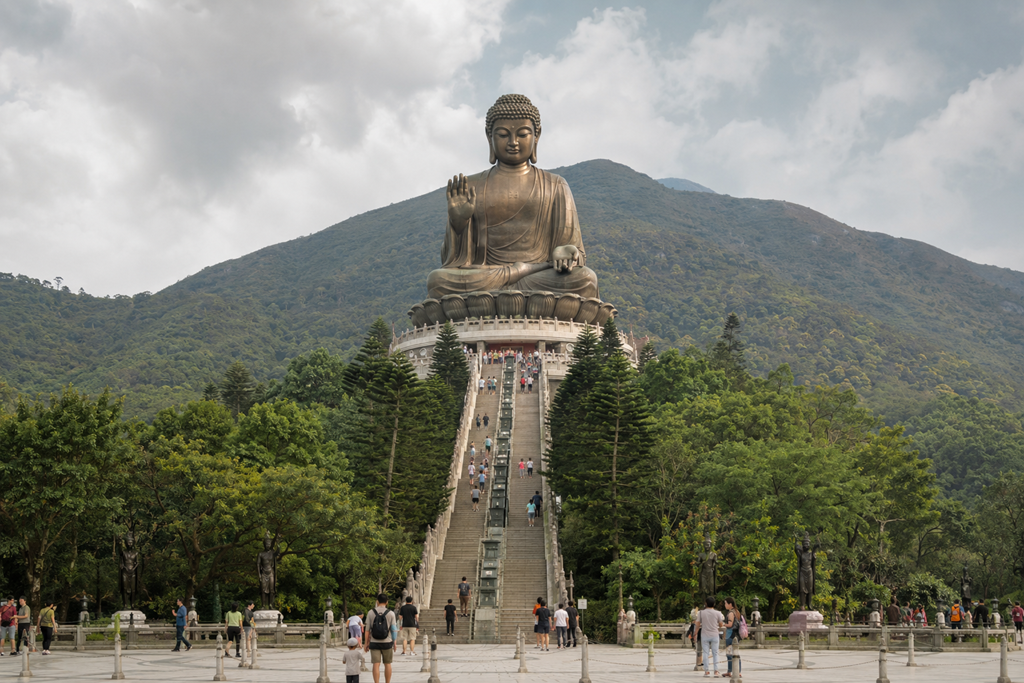
Lantau Island offers a different side of Hong Kong. The Tian Tan Buddha, Po Lin Monastery, Ngong Ping area, and nearby mountain scenery make it one of the most popular day trips.
Many visitors use the cable car, though weather can affect operations, so check current details before going. You can also combine the trip with Tai O, a fishing village known for stilt houses and a slower coastal feel.
Best for:
- Day trips
- Cultural sights
- Mountain views
- First-time visitors with at least four days
Tai O
Tai O is often paired with the Big Buddha, but it has its own character. It is known for stilt houses, dried seafood shops, narrow lanes, and a quieter village atmosphere.
It is not a theme-park version of old Hong Kong, so visit with respect. Walk slowly, support local shops if you choose, and remember that people live there.
Best for:
- Cultural atmosphere
- Photography
- Slower travel
- A contrast to central Hong Kong
Hong Kong Museum Of History And Cultural Museums
Hong Kong has several museums that help visitors understand its layered identity, from maritime history and art to local culture and urban development.
Museum hours, exhibits, and renovation schedules can change, so check current details before planning your day. A museum stop is especially useful during rainy, hot, or humid weather.
Best for:
- Rainy days
- Families
- History and culture
- Travelers who want more context
Dragon’s Back And Easy Hiking Areas
Hong Kong is more outdoorsy than many first-time visitors expect. Dragon’s Back is one of the best-known hikes, offering ridge views, greenery, and a sense of escape from the city.
Choose hikes based on your fitness level, weather, and daylight. In hot or humid months, start early, bring water, and avoid pushing too hard.
Best for:
- Active travelers
- Scenic views
- Nature near the city
- Longer stays
Stanley And Repulse Bay
Stanley and Repulse Bay show Hong Kong’s coastal side. Stanley has a market, waterfront promenade, restaurants, and a relaxed seaside feel. Repulse Bay is known for its beach and open views.
These areas are good when you want a gentler half-day outside the central city.
Best for:
- Families
- Beach scenery
- Slower afternoons
- A break from dense neighborhoods
Outlying Islands
Lamma Island, Cheung Chau, and other outlying islands offer a slower pace, seafood restaurants, village lanes, coastal walks, and ferry rides.
They are best for travelers with more than a few days or those who want to see a softer side of Hong Kong beyond the skyline.
Best for:
- Ferry trips
- Walking
- Seafood
- Slower travel days
Food In Hong Kong: What First-Time Visitors Should Try
Hong Kong is one of the world’s great food cities, but you do not need a complicated restaurant list to eat well. Focus on classic categories rather than chasing trendy rankings.
Dim Sum
Dim sum is one of Hong Kong’s essential food experiences. Expect small dishes such as dumplings, buns, rolls, turnip cake, and custard desserts.
Traditional tea houses can be busy and fast-moving, while modern dim sum restaurants may be easier for first-time visitors. Either can be worthwhile.
Wonton Noodles
Wonton noodles are simple, comforting, and deeply associated with Hong Kong food culture. A good bowl usually includes springy noodles, clear broth, and shrimp-filled wontons.
This is an easy solo meal and a practical lunch between sightseeing stops.
Roast Meats
Roast goose, roast duck, char siu, and crispy pork are common Hong Kong staples. You will see roast meat shops throughout the city, often with meats hanging near the front window.
Order over rice or noodles for a straightforward meal.
Cha Chaan Teng
A cha chaan teng is a Hong Kong-style café serving local comfort food. Menus often include milk tea, pineapple buns, macaroni soup, egg sandwiches, baked rice, noodles, and casual set meals.
This is one of the best ways to experience everyday Hong Kong dining.
Egg Tarts And Bakeries
Hong Kong bakeries are good for quick snacks, breakfast, or an afternoon break. Egg tarts are the classic choice, but you will also find pineapple buns, wife cakes, sponge cakes, and savory pastries.
Street Snacks
Depending on the area, you may find curry fish balls, egg waffles, siu mai, tofu pudding, and other casual snacks. Street food rules and locations can change, so follow current local guidance and choose busy, clean-looking vendors.
Tea, Milk Tea, And Dessert
Hong Kong-style milk tea is strong, smooth, and widely available. Dessert shops may serve mango desserts, tofu pudding, black sesame soup, sweet soups, and shaved ice-style treats.
Food is part of the trip, but it does not need to become a checklist. Leave room to follow your appetite.
Getting Around Hong Kong
Hong Kong is one of the easiest major cities to navigate without a car. The official tourism board highlights several useful options for visitors, including MTR trains, buses, minibuses, trams, taxis, and ferries.
MTR
The MTR is the backbone of most visitor travel. It is clean, frequent, and useful for moving between major areas such as Central, Tsim Sha Tsui, Mong Kok, Causeway Bay, and Lantau Island.
Stay near an MTR station if possible. It will make your trip much easier.
Octopus Card
The Octopus card is a stored-value payment card widely used for public transport and many everyday purchases. The official Octopus tourist page notes that it can be used for transport, dining, shopping, entertainment, and more.
For many visitors, it is one of the simplest ways to move around without buying individual tickets each time.
Trams
Hong Kong Island’s double-decker trams, often called “ding ding” trams, are slower than the MTR but much more scenic. They are best for short, relaxed rides through areas like Central, Admiralty, Wan Chai, and Causeway Bay.
The tourism board notes that tram passengers board at the rear and pay when getting off at the front.
Star Ferry And Other Ferries
Ferries are part transportation, part sightseeing. The Star Ferry is the classic short crossing, while ferries to outlying islands can become part of a half-day or full-day trip.
Buses And Minibuses
Buses can be useful for areas not directly served by MTR, such as Stanley, Repulse Bay, some hiking areas, and parts of Lantau. Minibuses are more local and can be less intuitive for first-time visitors, but they are useful once you understand the route.
Taxis And Ride Options
Taxis are useful for late nights, luggage, steep hills, or reaching places that require multiple transfers. Have your destination written clearly, ideally in both English and Chinese when possible.
Practical Travel Tips For First-Time Visitors
Choose Your Base Carefully
For a first trip, convenience matters. Staying near an MTR station is more important than finding the “perfect” neighborhood.
Tsim Sha Tsui, Central, Sheung Wan, Wan Chai, Causeway Bay, Jordan, and Yau Ma Tei are all practical choices depending on your budget and travel style.
Do Not Overload Each Day
Hong Kong looks small on a map, but the city is dense. Moving through crowds, stations, malls, escalators, hills, and markets takes energy.
Plan two or three main experiences per day, then leave space for meals and wandering.
Check Weather Before Outdoor Plans
Weather can affect viewpoints, ferries, hikes, cable cars, and outdoor markets. During rainy or typhoon-prone periods, keep flexible indoor options ready.
Good rainy-day alternatives include:
- Museums
- Covered markets
- Malls
- Tea houses
- Dim sum meals
- Neighborhood cafés
- Temple visits, depending on conditions
Bring Comfortable Shoes
Hong Kong involves more walking than many visitors expect. You may walk through MTR stations, up stairs, along steep streets, through markets, across footbridges, and around waterfronts.
Comfortable shoes matter more than stylish ones.
Use Neighborhood Clusters
Group your days by geography. For example:
- Central, Sheung Wan, SoHo, and The Peak
- Tsim Sha Tsui, Jordan, Yau Ma Tei, and Mong Kok
- Lantau Island, Big Buddha, and Tai O
- Causeway Bay, Wan Chai, and Happy Valley
- Stanley, Repulse Bay, and the south side of Hong Kong Island
This saves time and reduces backtracking.
Carry Some Cash
Digital payments and cards are common in many places, but small shops, markets, older restaurants, and certain transport situations may still be easier with cash.
Carry a modest amount for snacks, markets, and backup.
Be Ready For Crowds
Hong Kong is busy. Stations, shopping areas, markets, and popular viewpoints can be crowded, especially during weekends and holiday periods.
Start early for major attractions, avoid peak commute times when possible, and give yourself extra time.
Respect Local Etiquette
Hong Kong is efficient and fast-moving, but basic courtesy goes a long way.
Helpful habits include:
- Stand on the correct side of escalators and let people pass.
- Keep your voice moderate on public transport.
- Do not block narrow sidewalks or market lanes.
- Ask before photographing people closely.
- Be respectful in temples and residential areas.
A Simple First-Time Hong Kong Itinerary
This sample itinerary is flexible and built around logical geography.
Day 1: Central, Sheung Wan, And The Peak
Start in Central and explore nearby streets, then walk into Sheung Wan for Man Mo Temple, heritage lanes, small shops, and cafés. Later, head toward The Peak for skyline views.
If the weather is hazy, consider saving The Peak for a clearer day.
Day 2: Tsim Sha Tsui, Victoria Harbour, And Kowloon Markets
Begin along the Tsim Sha Tsui waterfront and visit a museum if it fits your interests. Take in the harbor views, then move north toward Jordan, Yau Ma Tei, or Mong Kok for markets, casual food, and evening street life.
Day 3: Lantau Island Or A Slower Local Day
Choose Lantau Island for the Big Buddha, Ngong Ping, and possibly Tai O. If you prefer a slower city day, explore Wan Chai, Causeway Bay, Happy Valley, or Nan Lian Garden instead.
Day 4: Coast, Islands, Or Hiking
Use an extra day for Stanley and Repulse Bay, an outlying island, Dragon’s Back, or another scenic walk. This is where Hong Kong starts to feel more varied and less overwhelming.
Day 5: Food, Shopping, And Flexible Favorites
Use your final day for what you enjoyed most: more dim sum, a ferry ride, shopping, a museum, a second harbor walk, or a neighborhood you did not have time to explore.
Common First-Time Mistakes To Avoid
Trying To See Too Much
Hong Kong is compact, but it is not effortless. Give yourself time to move, eat, pause, and take in the atmosphere.
Only Staying In Malls And Major Sights
Hong Kong’s malls are useful and often impressive, but the city becomes more memorable when you walk through older streets, markets, ferry piers, temples, parks, and local food areas.
Ignoring The Weather
A perfect Peak visit, ferry ride, or hike depends heavily on weather. Keep your schedule flexible.
Underestimating Hills And Stairs
Some neighborhoods, especially on Hong Kong Island, are steep. Plan accordingly if you are traveling with young children, older relatives, or anyone with mobility concerns.
Eating Only From Recommendation Lists
Restaurant lists can help, but Hong Kong’s food culture is broader than famous names. Some of your best meals may be simple: wonton noodles, a bakery snack, milk tea, roast meat over rice, or a casual dim sum stop.
Is Hong Kong Good For First-Time Visitors?
Yes. Hong Kong is one of the best major cities for first-time international travelers who want strong public transport, varied food, memorable views, and a mix of urban and natural experiences.
It can feel intense at first, but it becomes manageable once you understand the basic layout: Hong Kong Island, Kowloon, Lantau, and the outlying areas. Start with the harbor, use the MTR, group your sightseeing by neighborhood, and leave room for simple pleasures.
A good first trip to Hong Kong is not about rushing from attraction to attraction. It is about seeing the skyline, riding the ferry, eating well, walking through real neighborhoods, and discovering how much variety fits into a small, energetic place.
Download Our Free E-book!