Los Angeles is one of the easiest cities to recognize and one of the hardest to understand at first glance. It is not a single, compact destination built around one downtown core. It is a spread-out collection of beach towns, canyon roads, historic neighborhoods, film landmarks, museums, food corridors, hiking areas, and cultural districts.
That is part of what makes Los Angeles rewarding. A good trip is less about trying to “see everything” and more about choosing the right areas, grouping your days by geography, and leaving enough room for traffic, beach walks, long meals, and unexpected detours.
This guide will help you understand the best times to visit, where to stay, which neighborhoods to explore, what attractions are worth prioritizing, how to think about transportation, and how to plan a Los Angeles trip that feels manageable.
Los Angeles At A Glance
Los Angeles is a large, decentralized city in Southern California with beaches to the west, mountains and canyons to the north, studio history throughout the city, and major cultural institutions spread across several neighborhoods. Visitors often come for Santa Monica, Venice Beach, Hollywood, Beverly Hills, Downtown Los Angeles, Griffith Observatory, The Getty Center, studio tours, food, shopping, and the Southern California coastline.
The biggest planning mistake is underestimating distance. Two places can look close on a map and still take a while to reach depending on traffic, parking, and time of day. A better approach is to plan by zones: beach day, Hollywood and Griffith Park day, museum day, Downtown day, and possibly a studio or theme park day.
Los Angeles rewards slower travel. Give yourself time to sit by the ocean, walk a neighborhood, visit a museum without rushing, and enjoy the view from the hills.
Best Time To Visit Los Angeles
Los Angeles can be visited year-round, but the experience changes by season. Spring and fall are often comfortable for walking, sightseeing, beaches, museums, and outdoor dining. Summer brings longer days and beach appeal, but it can also mean larger crowds in popular coastal areas and theme parks. Winter is usually milder than many U.S. destinations, though cooler evenings and occasional rain are possible.
For a balanced first trip, spring and fall are strong choices. They are especially good if you want to combine beach walks, museums, hikes, and classic sightseeing without planning around the hottest or busiest travel periods.
What To Know About Coastal Weather
Los Angeles weather can vary by neighborhood. Santa Monica and Venice may feel cooler and breezier than Hollywood, Downtown, or inland areas. In late spring and early summer, coastal marine layer conditions can make mornings gray before skies brighten later in the day.
Pack layers even if the forecast looks warm. A light jacket or sweater is useful for beach evenings, rooftop meals, early morning walks, and canyon viewpoints.
Where To Stay In Los Angeles
Choosing where to stay matters because Los Angeles is so spread out. The best area depends on what kind of trip you want.
Santa Monica
Santa Monica is a strong choice for first-time visitors who want beach access, walkability, restaurants, shopping, and a relaxed base. It works especially well if you plan to spend time at the coast, explore Venice, visit Malibu, or enjoy slower mornings near the ocean.
The tradeoff is distance. Santa Monica can be less convenient for Downtown Los Angeles, Hollywood, and some studio attractions depending on traffic.
West Hollywood
West Hollywood is a practical base for nightlife, restaurants, shopping, design, and access to Hollywood, Beverly Hills, and parts of central Los Angeles. It is not on the beach, but it places you closer to many classic sightseeing areas.
This is a good option if you want a lively neighborhood feel and do not need to wake up by the ocean.
Hollywood
Hollywood can be convenient for visitors who want easy access to the Walk of Fame, Hollywood Bowl area, Griffith Park, Universal Studios Hollywood, and classic entertainment landmarks. It is tourist-heavy in certain sections, so choose accommodations carefully and look at the exact location.
Hollywood works best when convenience to attractions matters more than quiet neighborhood charm.
Beverly Hills And Century City
Beverly Hills and nearby Century City offer polished hotels, shopping, dining, and a central Westside location. This area can work well for travelers who want comfort, access to museums, and a quieter base than Hollywood.
It is not usually the most budget-friendly option, but it can be convenient for a more relaxed Los Angeles trip.
Downtown Los Angeles
Downtown Los Angeles is best for travelers interested in architecture, museums, food halls, sports and entertainment venues, historic buildings, and access to public transit. It is also useful if your plans include the Arts District, Little Tokyo, Grand Central Market, Walt Disney Concert Hall, or The Broad.
Downtown is not the best base for a beach-focused trip, but it can be a smart choice for culture, food, and urban exploring.
Venice
Venice is ideal for travelers who want a more eclectic coastal experience. The beach, boardwalk, canals, Abbot Kinney, street art, and casual food scene make it memorable. It is less polished than Santa Monica and can feel busier or grittier in parts, but it has a strong sense of place.
Venice is best for travelers who want character, walkable coastal energy, and easy access to the beach.
Best Areas And Neighborhoods To Explore
Los Angeles neighborhoods each offer a different version of the city. Instead of trying to cover them all, choose a few that fit your interests.
Santa Monica And The Coast
Santa Monica is one of the most visitor-friendly beach areas in Los Angeles. The pier, beach path, ocean views, shopping streets, and nearby parks make it easy to spend a half day or full day here. It is also a natural starting point for walking or biking toward Venice.
This area is best for beach walks, sunset views, casual meals, families, first-time visitors, and travelers who want a softer landing in the city.
Venice Beach
Venice is more colorful and unconventional than Santa Monica. The boardwalk, skate park, Muscle Beach area, murals, canals, and Abbot Kinney shops create a mix of beach culture, street performance, design, and local character.
Visit with an open mind and daytime plan. The area is best experienced slowly: walk the canals, explore the beach path, stop for food, and give yourself time to observe rather than rush.
Hollywood
Hollywood is famous, busy, imperfect, and still worth understanding. The Hollywood Walk of Fame, TCL Chinese Theatre, Dolby Theatre area, and nearby viewpoints are major parts of Los Angeles tourism. For many visitors, the best Hollywood experience is a short, focused visit rather than a full day.
Pair Hollywood with Griffith Observatory, a studio experience, or a nearby hike to make the day feel more complete.
Griffith Park And Los Feliz
Griffith Park is one of the city’s most important green spaces, with hiking trails, viewpoints, cultural attractions, and Griffith Observatory. The National Park Service describes Griffith Park as more than 4,000 acres and one of the largest municipal parks with urban wilderness in the United States.
Nearby Los Feliz adds restaurants, cafes, bookstores, and neighborhood charm. This pairing is excellent for travelers who want views, nature, and a more local-feeling Los Angeles experience.
Beverly Hills
Beverly Hills is known for Rodeo Drive, manicured streets, high-end shopping, hotels, and residential scenery. Even if luxury shopping is not your focus, it can be worth a short visit for architecture, people-watching, and a drive or walk through the area.
Keep it simple: explore Rodeo Drive, have lunch nearby, and combine it with West Hollywood, The Grove, or museum stops.
Downtown Los Angeles
Downtown Los Angeles is one of the city’s best areas for architecture, food, art, and history. Highlights include Walt Disney Concert Hall, Grand Central Market, The Broad, Little Tokyo, the Arts District, Union Station, and historic theater buildings.
Downtown is more urban and varied than many beachside visitor areas. Plan your route, check museum reservations, and allow time to move between districts.
Malibu
Malibu offers a scenic coastal escape with beaches, oceanfront drives, canyon roads, and access to the Santa Monica Mountains. The Santa Monica Mountains National Recreation Area includes beaches, trails, historic sites, and more than 500 miles of trails across the region.
Malibu works best as a slower day: beach stop, scenic drive, lunch, viewpoint, and perhaps a gentle hike if weather and timing allow.
Top Attractions And Experiences In Los Angeles
Los Angeles has more to do than most visitors can fit into one trip. These are the classic experiences that tend to remain useful for first-time and repeat travelers.
Griffith Observatory
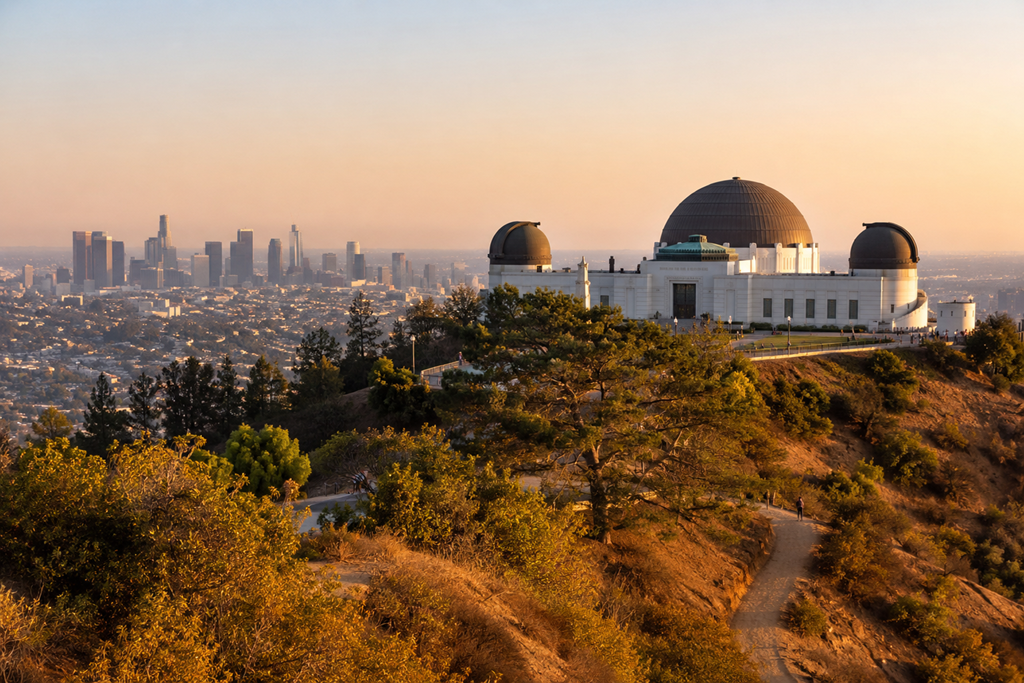
Griffith Observatory is one of the best places to understand Los Angeles visually. From the grounds, you can see the city, the Hollywood Sign, Griffith Park, and, on clear days, a broad sweep of the basin. The observatory also offers astronomy exhibits, telescopes, planetarium programming, and views that make it popular with both locals and visitors.
Go earlier for easier pacing or later for golden-hour views. Parking and traffic can be challenging during busy periods, so check current access details before you go.
Santa Monica Pier And Beach
Santa Monica is a classic Los Angeles coastal stop. The pier, beach, oceanfront path, and nearby shopping areas make it easy to enjoy without a complicated plan. It is especially useful for families, first-time visitors, and anyone who wants a beach day with restaurants and amenities nearby.
For a better experience, arrive early or build in extra time for parking and crowds.
Venice Beach And Venice Canals
Venice gives Los Angeles a more expressive beach personality. The boardwalk is known for street performers, vendors, skaters, gym culture, and people-watching. The canals offer a quieter contrast, with footbridges, homes, and reflective water views.
Pair the boardwalk with the canals and Abbot Kinney for a more complete visit.
The Getty Center
The Getty Center is one of Los Angeles’ most rewarding museum experiences, combining art, architecture, gardens, and elevated views. It is a strong choice even for visitors who are not usually museum-focused because the setting itself is part of the appeal.
Check current reservation and parking details before visiting, especially during busy travel periods.
The Broad And Walt Disney Concert Hall
Downtown Los Angeles has two major cultural landmarks near each other: The Broad, known for contemporary art, and Walt Disney Concert Hall, known for its striking architecture and music programming. Discover Los Angeles highlights cultural attractions such as The Getty Center, LACMA, Walt Disney Concert Hall, and other major institutions as key parts of the city’s visitor experience.
This area is easy to pair with Grand Central Market, Angels Flight, Little Tokyo, or the Arts District.
Hollywood Walk Of Fame And TCL Chinese Theatre
The Hollywood Walk of Fame and TCL Chinese Theatre are among the city’s most famous tourist stops. They are best approached with realistic expectations. The area is busy and commercial, but it remains meaningful for film fans and first-time visitors who want to see one of Los Angeles’ most recognizable districts.
A short visit is usually enough unless you are seeing a show, taking a tour, or pairing it with nearby attractions.
Universal Studios Hollywood
Universal Studios Hollywood combines a working studio environment with theme park attractions. It is one of the easiest major attractions to justify as a full-day plan, especially for families, movie fans, and theme park travelers.
Book ahead during busy periods and avoid overloading the same day with too many other activities.
LACMA, La Brea Tar Pits, And Museum Row
The Mid-Wilshire area is useful for museum lovers because several major institutions sit relatively close together. LACMA, the La Brea Tar Pits, the Academy Museum of Motion Pictures, and the Petersen Automotive Museum can anchor a culture-focused day.
Choose one or two main stops rather than trying to rush through everything.
The Hollywood Sign Viewpoints
The Hollywood Sign is easier to enjoy from viewpoints than from close up. Griffith Observatory, Lake Hollywood Park, and certain hiking routes offer popular perspectives. Some residential areas near the sign have restrictions or limited parking, so follow posted signs and be respectful of neighborhoods.
For most travelers, a good viewpoint is better than chasing the closest possible photo.
Grand Central Market
Grand Central Market is a historic Downtown food hall and a practical stop for travelers who want variety. It works well for lunch, casual dining, and combining food with nearby architecture and cultural sites.
Because vendor lineups and hours can change, use it as a flexible food stop rather than planning around one specific stall.
Beaches Worth Knowing
Los Angeles beaches vary in personality. Some are best for walking, others for surfing, scenery, families, or sunset.
Santa Monica Beach
Santa Monica is the easiest beach for many visitors because it has the pier, restrooms, restaurants, hotels, shopping, and a wide sandy shoreline. It is a strong all-purpose beach choice.
Venice Beach
Venice is best for people-watching, skating, murals, boardwalk energy, and a more unconventional beach experience. It is less about quiet relaxation and more about atmosphere.
Manhattan Beach
Manhattan Beach offers a polished South Bay experience with a scenic pier, walkable streets, restaurants, and a more residential coastal feel. It is a good choice if you want a cleaner, quieter alternative to the busier tourist beaches.
Malibu Beaches
Malibu beaches are more scenic and spread out. Depending on your route, you may find rocky coves, broad sand, surf breaks, and dramatic coastline. Access and parking vary by beach, so check current details before heading out.
Zuma Beach
Zuma Beach is one of Malibu’s most spacious beach options and can work well for a classic beach day. It is farther from central Los Angeles, so treat it as part of a Malibu outing rather than a quick stop.
Food And Dining In Los Angeles
Los Angeles is one of the best food cities in the United States because of its diversity, geography, and neighborhood depth. You do not need to chase the most talked-about restaurants to eat well here.
What To Eat
Start with tacos, Korean barbecue, Thai food, Japanese food, Persian food, Armenian bakeries, farmers market produce, classic delis, seafood, burgers, vegan restaurants, and neighborhood cafes. Los Angeles is especially rewarding when you choose food by area rather than by rankings.
Good food neighborhoods and corridors include Koreatown, Thai Town, Little Tokyo, Sawtelle, Boyle Heights, East Hollywood, the San Gabriel Valley, West Adams, Downtown, and the beach cities.
How To Plan Meals
Do not build every meal around reservations. Pick one or two priority restaurants if they matter to you, then leave room for casual spots, markets, taco stands, bakeries, and neighborhood finds.
Because Los Angeles traffic can shape your day, plan meals near your activities. A great restaurant across town may not feel worth it if it adds an hour of driving.
Transportation Basics
Los Angeles is famous for driving, but visitors have more options than many expect. The best choice depends on where you stay and what you plan to do.
Renting A Car
A rental car is useful if you want to visit Malibu, multiple beaches, the Getty Villa, the South Bay, canyon roads, or several spread-out neighborhoods. It gives flexibility, but it also means dealing with traffic, parking, fuel, and hotel parking costs.
If you rent a car, group your itinerary by area. Avoid crossing the city multiple times in one day.
Using Metro And Public Transit
Metro rail and bus service can be useful for certain routes, especially between Downtown, Hollywood, Universal City, Santa Monica, and other connected areas. Discover Los Angeles notes that Metro can connect visitors with major attractions and cultural stops across the city.
Visitors can use TAP to ride Metro and other participating transit systems; TAP is the Los Angeles region’s transit payment system for buses, trains, and other connected services.
Public transit works best when your hotel and activities are near good routes. It is less convenient for Malibu, some hill areas, and certain late-night plans.
Rideshare And Taxis
Rideshare can be helpful when you do not want to park, when you are going out at night, or when transit would take too long. However, rideshare costs can add up quickly, especially across long distances.
A balanced approach often works best: stay in a convenient area, use transit for simple routes, rideshare for awkward connections, and rent a car only for days when it adds clear value.
Walking And Biking
Los Angeles is not walkable as a whole, but individual neighborhoods can be very walkable. Santa Monica, Venice, Los Feliz, Downtown, Little Tokyo, Larchmont, Beverly Hills, West Hollywood, and parts of Pasadena can be enjoyable on foot.
Beach bike paths are also a good way to experience the coast without sitting in traffic.
Practical Planning Tips For Los Angeles
Plan By Geography, Not Just Interest
A Los Angeles itinerary works better when you group nearby places together. For example, pair Santa Monica with Venice, Hollywood with Griffith Observatory, Downtown with The Broad and Grand Central Market, and Malibu with a coastal drive.
This keeps the trip from becoming a series of long rides across town.
Do Less Than You Think You Can
Los Angeles days often take longer than expected. Parking, traffic, large museum campuses, long meals, and beach walks all stretch time. Two or three meaningful stops in a day can feel better than six rushed ones.
Check Current Details Before Visiting
For museums, observatories, studio tours, theme parks, and popular attractions, check current opening hours, reservation requirements, parking rules, and timed-entry policies before you go. These details can change even when the attraction itself remains a classic.
Leave Space For Views
Los Angeles is a city of viewpoints. Griffith Observatory, the Hollywood Hills, Mulholland Drive, Getty Center terraces, beach sunsets, and canyon roads all help the city make more sense. Add at least one view-focused stop to your trip.
Expect Traffic, But Do Not Let It Define The Trip
Traffic is part of Los Angeles, but it is manageable with thoughtful planning. Avoid unnecessary backtracking, build in buffer time, and do not schedule important reservations immediately after a cross-city drive.
Be Smart Around Beaches And Urban Areas
Use common-sense city travel habits. Do not leave valuables visible in a parked car, pay attention to posted parking signs, stay aware in crowded tourist areas, and give yourself extra time at night if you are unfamiliar with the neighborhood.
At the beach, watch conditions, follow lifeguard guidance, and respect posted rules.
A Simple First-Time Los Angeles Trip Plan
For a first visit, consider a four- or five-day structure like this:
Day One: Arrive, settle in, explore your hotel neighborhood, and have an easy dinner nearby.
Day Two: Santa Monica, Venice Beach, Venice Canals, and a sunset beach walk.
Day Three: Hollywood, Griffith Observatory, Los Feliz, and a viewpoint or hike.
Day Four: The Getty Center, Beverly Hills or West Hollywood, and a relaxed dinner.
Day Five: Downtown Los Angeles, The Broad, Walt Disney Concert Hall, Grand Central Market, Little Tokyo, or the Arts District.
If you have extra time, add Malibu, Universal Studios Hollywood, Museum Row, Pasadena, Manhattan Beach, or a focused food day.
What To Pack For Los Angeles
Pack for variety. Los Angeles can shift from warm afternoons to cool beach evenings, and you may move between museums, hikes, restaurants, and oceanfront paths in the same day.
Bring comfortable walking shoes, sunglasses, sunscreen, a light jacket, casual layers, a reusable water bottle, and clothes that work for both relaxed daytime exploring and casual dinners. If you plan to hike, bring shoes with grip and avoid exposed trails during hotter parts of the day.
How To Make The Most Of Los Angeles
The best Los Angeles trips are not built around checking off every famous name. They are built around a few clear priorities: a beach experience, a viewpoint, a museum or cultural stop, a food neighborhood, and one or two classic attractions.
Let the city be spread out. Let some days move slowly. Choose neighborhoods that fit your interests. Los Angeles becomes much easier to enjoy when you stop trying to conquer it and start experiencing it in pieces.
A thoughtful plan will help you avoid the most common frustrations while still leaving space for the things that make Los Angeles memorable: ocean air, hillside views, creative neighborhoods, global food, film history, and the feeling that there is always another version of the city waiting around the next turn.
Download Our Free E-book!