Mexico City is one of the most rewarding destinations in North America for travelers who enjoy culture, food, history, art, architecture, and neighborhood exploring. It is large, layered, and full of contrast, but a good trip does not have to feel complicated.
This guide will help you understand the city before you go: when to visit, where to stay, which neighborhoods to prioritize, what attractions are worth building around, how to approach the food scene, and how to get around with more confidence.
Mexico City rewards travelers who move at a thoughtful pace. Instead of trying to see everything, focus on a few strong areas each day, leave room for meals and walking, and give yourself time to absorb the city’s museums, plazas, parks, markets, and everyday street life.
Mexico City At A Glance
Mexico City, often called CDMX, is the capital of Mexico and one of the most culturally rich cities in the Americas. Its historic center was built over the former Aztec capital of Tenochtitlan, and the city still carries visible layers of pre-Hispanic, colonial, modern, and contemporary history. UNESCO lists the Historic Centre of Mexico City and Xochimilco as a World Heritage Site, noting the area’s Aztec temple remains, colonial cathedral, public buildings, and Xochimilco’s canal landscape.
For first-time visitors, Mexico City is best approached as a collection of distinct areas rather than one single sightseeing zone. The Historic Center offers major landmarks and museums. Chapultepec brings parks, museums, and green space. Roma and Condesa are popular for restaurants, cafés, architecture, and walkable streets. Coyoacán has a more village-like feeling, while Xochimilco offers a glimpse of the city’s historic canal culture.
The city also sits at a high elevation, around 2,240 meters above sea level, which can affect some travelers during the first day or two. The official Mexico City tourism site advises visitors to be aware of altitude effects, even though many people visit without serious symptoms.
Best Time To Visit Mexico City
Mexico City can be visited year-round, but some seasons are easier for walking, sightseeing, and outdoor meals.
Spring
Spring is one of the most popular times to visit. Days are often warm, parks and streets feel lively, and jacaranda trees may bloom across parts of the city. This is a good season for walking neighborhoods, visiting Chapultepec, and spending time on terraces or in plazas.
Because spring is a popular travel period, book accommodations and major museum visits ahead when possible.
Fall
Fall is another comfortable time for a Mexico City trip. The weather is generally pleasant, and the city’s cultural rhythm feels active without requiring a trip built around temporary events. It is a strong choice for travelers who want good walking weather and a balanced mix of museums, food, and neighborhoods.
Rainy Season
Rain is more common during the warmer months, often arriving in afternoon or evening bursts. This does not have to ruin a trip. Plan museums, markets, and indoor attractions for flexible parts of the day, and keep a light rain layer or compact umbrella with you.
Winter
Winter can be a good time to visit if you prefer milder daytime temperatures. Mornings and evenings may feel cooler, so layers are useful. It is also a practical season for museum-heavy itineraries and relaxed meals.
Where To Stay In Mexico City
Choosing the right area matters because Mexico City is spread out. A good neighborhood can reduce transit time and make the trip feel easier.
Roma Norte
Roma Norte is a strong choice for first-time visitors who want cafés, restaurants, galleries, parks, boutiques, and walkable streets. It has a creative, residential feel while still offering easy access to many central attractions.
This area works especially well for travelers who like starting the day with coffee, walking to dinner, and having a mix of quiet streets and active nightlife nearby.
Condesa
Condesa is leafy, relaxed, and easy to enjoy on foot. Its parks, Art Deco architecture, restaurants, and cafés make it a comfortable base for travelers who want a softer landing in a large city.
It is a good fit for couples, solo travelers, and anyone who wants a neighborhood that feels pleasant between sightseeing days.
Centro Histórico
Centro Histórico is best for travelers who want to be close to major landmarks such as the Zócalo, Metropolitan Cathedral, Palacio de Bellas Artes, and Templo Mayor. Staying here can make early sightseeing easier, but the area can feel busy during the day and quieter in some sections at night.
It works well if you plan to focus heavily on museums, architecture, and historic sites.
Polanco
Polanco is polished, upscale, and convenient for travelers who want refined hotels, high-end dining, shopping, and proximity to Chapultepec Park and major museums. It is less bohemian than Roma or Condesa, but it can be practical and comfortable.
Coyoacán
Coyoacán is farther south and better for travelers who already know they want a slower, more residential stay. It has plazas, museums, markets, and a strong neighborhood identity. For a first visit, many travelers prefer to visit Coyoacán as a day trip rather than stay there for the full trip.
Key Neighborhoods To Explore
Mexico City is best understood one neighborhood at a time. These areas give first-time visitors a strong sense of the city without requiring an overloaded itinerary.
Centro Histórico
The Historic Center is where many travelers begin. The Zócalo, Metropolitan Cathedral, National Palace area, Templo Mayor, and surrounding streets reveal the city’s deep historical layers. This is also a good area for architecture, traditional cafés, museums, and pedestrian walks.
Start early if you want fewer crowds, and give yourself time to wander beyond the main square.
Roma And Condesa
Roma and Condesa are often grouped together because they sit near each other and share a walkable, creative energy. Expect tree-lined streets, older mansions, restaurants, bakeries, bars, design shops, and parks.
These neighborhoods are ideal for slower exploring. They are not about one single landmark; they are about atmosphere, food, architecture, and everyday city life.
Coyoacán
Coyoacán feels different from central Mexico City. Its plazas, cobblestone streets, markets, churches, and colorful buildings make it one of the city’s most enjoyable areas for walking.
Many visitors come for the Frida Kahlo Museum, but the neighborhood itself is worth time even if you do not visit the museum. Book museum tickets ahead when needed, and leave time for the market, plazas, and side streets.
Xochimilco
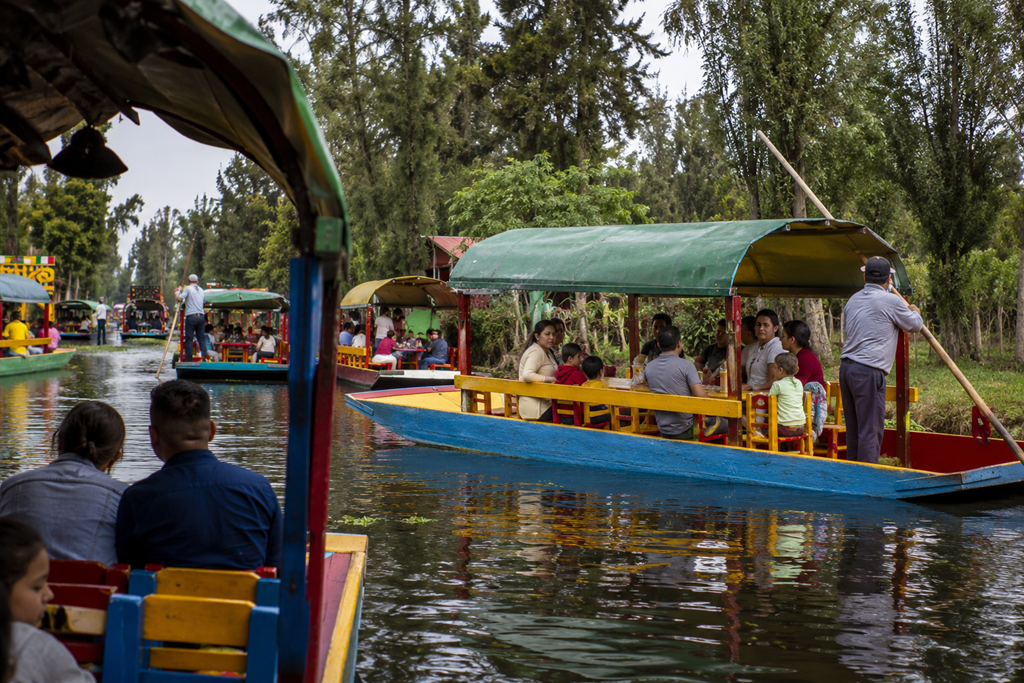
Xochimilco is known for its canals and colorful trajineras. It is one of the most distinctive experiences in Mexico City and part of the city’s UNESCO-listed heritage landscape.
A visit here works best when you see it as a cultural and historical experience, not just a boat ride. Go with realistic expectations, choose a reputable embarkation area or guide, and consider pairing it with Coyoacán because both are in the southern part of the city.
Chapultepec
Chapultepec is one of Mexico City’s most important green spaces and a major cultural zone. It includes parkland, museums, monuments, and walking paths. The National Museum of Anthropology and Chapultepec Castle are two of the most worthwhile attractions nearby.
This area deserves at least half a day, and many travelers could easily spend a full day here.
Best Attractions And Experiences
Mexico City has more to do than most travelers can cover in one trip. These are some of the most worthwhile experiences to build around.
Visit The Zócalo
The Zócalo is Mexico City’s central square and one of the most important public spaces in the country. It places you close to major historic sites, including the Metropolitan Cathedral and the Templo Mayor archaeological area.
This is a good first stop because it immediately shows the scale and history of the city. Walk slowly, look at the surrounding buildings, and allow time for nearby museums and streets.
Explore Templo Mayor
Templo Mayor is one of the clearest places to understand Mexico City’s pre-Hispanic history. The archaeological site and museum help connect modern Mexico City to Tenochtitlan, the Mexica capital that once stood in this area.
It pairs naturally with the Zócalo and the Metropolitan Cathedral.
See Palacio de Bellas Artes
Palacio de Bellas Artes is one of the city’s most recognizable cultural landmarks. Its architecture, murals, and performance spaces make it worth visiting even if you only view the building from outside.
For a stronger experience, check whether the interior, museum spaces, or performances fit your schedule.
Spend Time In Chapultepec Park
Chapultepec is a practical break from the density of the city. It is a place for museums, walking, views, and green space. Travelers who enjoy parks and culture should give this area unhurried time.
Combine the park with the National Museum of Anthropology or Chapultepec Castle rather than trying to add too many other neighborhoods the same day.
Visit The National Museum Of Anthropology
The National Museum of Anthropology is one of the most important museums in Mexico. It is especially valuable early in a trip because it gives helpful context for the country’s Indigenous civilizations, art, archaeology, and cultural heritage.
This is not a museum to rush. Choose the sections that interest you most, take breaks, and allow more time than you think you need.
Walk Through Roma And Condesa
Roma and Condesa are ideal for a flexible afternoon or evening. Walk through Parque México, explore side streets, stop for coffee, browse small shops, and enjoy a meal without turning the experience into a checklist.
These neighborhoods are especially good after a museum-heavy morning.
Visit Coyoacán
Coyoacán works well as a half-day or full-day outing. Visit the plazas, markets, churches, and museums, then slow down for lunch or coffee. The neighborhood has enough charm to reward unplanned wandering.
If the Frida Kahlo Museum is important to you, plan ahead. Popular museums may require advance tickets or timed entry.
Ride A Trajinera In Xochimilco
A trajinera ride through Xochimilco’s canals is one of Mexico City’s most memorable experiences. The area’s canals are tied to a longer agricultural and cultural history, including the chinampa system.
For a better experience, avoid treating it as a rushed add-on. Go with people you enjoy spending time with, clarify the length of the ride before boarding, and consider a weekday or earlier visit if you prefer a less crowded atmosphere.
Take A Food-Focused Walk
Food is central to the Mexico City experience. A self-guided food walk can be as simple as choosing one neighborhood and trying a few specialties over several hours.
Start with tacos, tamales, tlacoyos, quesadillas, tostadas, churros, pan dulce, or market snacks. Go slowly, choose busy stalls with steady turnover, and bring cash in small denominations.
Visit A Traditional Market
Markets are among the best places to understand daily life in Mexico City. They offer produce, prepared foods, flowers, household goods, and local specialties. For travelers, markets are useful because they combine food, culture, and observation in one place.
Go during the day, keep belongings secure, and ask before taking close-up photos of vendors or stalls.
What To Eat In Mexico City
Mexico City is one of the world’s great food cities, but you do not need a complicated restaurant plan to eat well. Some of the best meals are simple, casual, and rooted in everyday food culture.
Tacos
Tacos are essential. You will find many styles, including tacos al pastor, carnitas, barbacoa, suadero, and guisados. Instead of chasing one “best” taco, try different styles in different neighborhoods.
Look for places with steady local traffic and fresh preparation.
Tamales And Atole
Tamales are a classic breakfast or snack, often served with atole, a warm corn-based drink. This is a good low-key food experience for travelers who want something traditional and filling.
Chilaquiles
Chilaquiles are a common breakfast dish made with tortilla chips, salsa, cream, cheese, and often eggs or chicken. They are widely available and can be a satisfying start before a long sightseeing day.
Tlacoyos And Quesadillas
Tlacoyos are thick masa cakes often filled with beans, cheese, or other ingredients, then topped with salsa, nopales, or cheese. Quesadillas in Mexico City may or may not include cheese unless you ask for it, which surprises many first-time visitors.
Pan Dulce And Coffee
Bakeries and cafés are part of the city’s daily rhythm. A simple pastry and coffee can be a pleasant way to begin a slower morning in Roma, Condesa, Coyoacán, or near your hotel.
Market Meals
Markets are excellent for casual meals. They are especially useful if you want variety without committing to a formal restaurant. Choose stalls that are busy, clean, and preparing food fresh.
How To Get Around Mexico City
Mexico City is large, so transportation planning matters. The easiest approach is to group your days by geography and avoid crossing the city too many times in one itinerary.
Walking
Walking is the best way to enjoy neighborhoods like Roma, Condesa, Centro Histórico, Coyoacán, and parts of Polanco. Sidewalk conditions vary, so comfortable shoes are important.
Because of the altitude, give yourself time to adjust. You may feel more tired than expected during the first day or two.
Metro And Public Transit
Mexico City’s public transit system can be useful, especially for avoiding traffic in central areas. The official tourism site notes that using the Metro can also connect travelers with other systems such as Metrobús and Ecobici.
For first-time visitors, the Metro can be efficient but may feel crowded during peak commuting times. Keep valuables secure, avoid unnecessary bags, and use rideshare or taxis late at night if that feels more comfortable.
Rideshare And Taxis
Rideshare services are widely used by travelers and can be practical for longer distances, evenings, airport transfers, or trips between neighborhoods that are not easily connected by Metro.
For taxis, use authorized stands, hotel-arranged taxis, or reputable app-based options rather than hailing random vehicles when you are unfamiliar with the area.
Airport Transfers
Mexico City’s airport is relatively close to central neighborhoods, but traffic can affect travel time. Build in extra time when heading to the airport, especially during busy periods or rainy weather.
Practical Travel Tips
A little preparation can make Mexico City feel much easier.
Give Yourself Time To Adjust To The Altitude
Mexico City’s elevation can make walking, stairs, and alcohol feel different than they do at lower elevations. Drink water, pace your first day, and avoid overscheduling immediately after arrival. The U.S. State Department also advises travelers to be aware of altitude sickness symptoms in high-altitude Mexican cities, including Mexico City.
Group Your Days By Area
This is one of the most useful Mexico City planning habits. For example, pair Centro Histórico with Bellas Artes, Chapultepec with the Anthropology Museum, and Coyoacán with Xochimilco.
Trying to cross the city repeatedly can waste time and energy.
Book Popular Museums Ahead
Some museums and attractions may require timed-entry reservations or sell out during busy travel periods. Check current opening hours, ticket requirements, and reservation policies before you go.
This is especially important for smaller, high-demand museums.
Use Common-Sense City Safety
Mexico City is a major urban destination. Stay aware of your surroundings, keep phones and wallets secure, use well-reviewed transportation at night, and avoid isolated streets when you are unfamiliar with an area.
Most visitors focus on popular neighborhoods and have smooth trips, but basic city awareness matters.
Carry Some Cash
Cards are widely accepted in many restaurants, hotels, and shops, but cash is still useful for markets, street food, tips, small purchases, and some local experiences.
Carry smaller bills when possible.
Learn A Few Spanish Phrases
You can visit Mexico City without fluent Spanish, but a few basic phrases help. Simple greetings, ordering language, and polite expressions make everyday interactions easier and more respectful.
Do Less Than You Think You Can
Mexico City is dense with things to do, but the best trips usually leave room for slow meals, neighborhood walks, and unexpected discoveries. Two major activities in one day may be enough, especially if they are in different parts of the city.
A Simple First-Time Mexico City Plan
For a first visit, four to five days gives you a good introduction without rushing.
Day One: Centro Histórico
Start with the Zócalo, Metropolitan Cathedral, Templo Mayor, and nearby streets. Add Palacio de Bellas Artes if you have energy.
Day Two: Chapultepec And Museums
Spend time in Chapultepec Park, visit the National Museum of Anthropology, and consider Chapultepec Castle if your pace allows.
Day Three: Roma And Condesa
Use this as a lighter day. Walk, eat, browse, visit parks, and enjoy the neighborhoods without a strict schedule.
Day Four: Coyoacán And Xochimilco
Visit Coyoacán’s plazas, markets, and museums, then continue to Xochimilco for a trajinera ride if you want a fuller southern city day.
Day Five: Choose Your Interest
Use the final day for what you enjoyed most: another museum, a food tour, Polanco, a market visit, more time in Coyoacán, or a slower return to favorite neighborhoods.
How To Think About Mexico City
Mexico City is not a destination to “finish.” It is a city to experience in layers. One trip might focus on museums and food. Another might focus on architecture, markets, parks, and day trips. The goal is not to see every famous place, but to build a trip that feels clear, balanced, and memorable.
For most travelers, the best Mexico City itinerary combines a few major landmarks, one or two museum experiences, several strong meals, and enough neighborhood time to understand the city beyond its checklist attractions.
Start with the historic center, give Chapultepec the time it deserves, walk Roma and Condesa without rushing, and save space for Coyoacán or Xochimilco. With that foundation, Mexico City becomes much easier to navigate and much more rewarding to enjoy.
Download Our Free E-book!