Oslo is one of Europe’s easiest capitals to enjoy at a thoughtful pace. It has major museums, waterfront architecture, historic sites, forest trails, island ferries, and neighborhoods that feel lived-in rather than overwhelming. For travelers who want a mix of nature, culture, and practical city exploring, Oslo offers a strong balance: you can visit world-class art in the morning, walk along the fjord in the afternoon, and still have time for a simple dinner in a neighborhood café.
This guide is designed to help you understand Oslo before you arrive: when to go, where to stay, which areas to explore, how to get around, what to eat, and which attractions are most worth building your trip around.
Oslo At A Glance
Oslo is Norway’s capital and largest city, but it feels more manageable than many major European capitals. The city center is compact, public transportation is reliable, and many of the main sights are connected by walkable waterfront paths, tram routes, metro lines, buses, and ferries. VisitOSLO, the city’s official tourism organization, highlights the city’s mix of museums, sightseeing, restaurants, outdoor activities, and fjord experiences, which makes Oslo especially appealing for travelers who want both city culture and access to nature.
What makes Oslo distinct is how close everything feels to the landscape. The Oslofjord shapes the city’s waterfront, while forests, hills, parks, and islands are easy to reach without needing a car. That makes Oslo a good choice for travelers who enjoy museums and architecture but also want space to walk, breathe, and be outside.
Best Time To Visit Oslo
Oslo can be visited year-round, but the experience changes noticeably by season.
Late Spring And Summer
Late spring through summer is the easiest time for first-time visitors. Days are long, parks are green, waterfront areas feel lively, and it is easier to combine museums with outdoor activities. This is also a good period for walking along the harbor, visiting Bygdøy, taking ferries, and enjoying outdoor viewpoints.
Summer is popular, so book accommodations early if your dates are fixed. Some attractions may also use timed-entry systems or have busier periods, so check current details before you go.
Autumn
Autumn is a strong choice if you prefer cooler weather and fewer crowds. Parks and forested areas become especially scenic, and museums feel inviting on rainy or chilly days. It is a good season for travelers who want culture, food, architecture, and relaxed neighborhood exploring without peak-season pressure.
Winter
Winter gives Oslo a very different atmosphere. Days are shorter, the weather is colder, and snow is possible, but the city still works well for museums, cafés, saunas, holiday-season wandering, and winter landscapes. Travelers interested in Nordic winter culture may enjoy this season, but it helps to plan more indoor time and bring proper cold-weather clothing.
Early Spring
Early spring can be quieter and more affordable than peak travel months, but weather can be mixed. It is a practical time for museum-focused trips, short city breaks, and travelers who do not mind dressing in layers.
How Many Days Do You Need In Oslo?
For a first visit, three days is a comfortable amount of time. That gives you space to see the waterfront, visit a few major museums, explore one or two neighborhoods, and include either Bygdøy, Vigeland Park, or a fjord/island outing.
A shorter two-day visit can still work if you focus on the city center, Bjørvika, Akershus Fortress, the Opera House, and one major museum. Four or five days gives you more room for forest walks, sauna time, food experiences, neighborhood wandering, and slower museum visits.
Best Areas And Neighborhoods To Know
Oslo is easier to plan when you understand its main areas. You do not need to visit every neighborhood, but knowing the layout helps you choose where to stay and how to group your sightseeing.
Sentrum And The Waterfront
Sentrum is Oslo’s central district and a practical base for first-time visitors. It places you near Oslo Central Station, Karl Johans gate, the harbor, City Hall, the Opera House, the National Museum, and public transport connections.
The waterfront has become one of Oslo’s most important visitor areas. Bjørvika, Aker Brygge, and Tjuvholmen each offer a different version of modern Oslo: architecture, museums, restaurants, promenades, public spaces, and fjord views.
Bjørvika
Bjørvika is one of the best areas for travelers interested in contemporary architecture and culture. This is where you will find the Oslo Opera House and MUNCH, along with waterfront paths and modern public spaces. MUNCH is home to the world’s largest collection of works by Edvard Munch, with more than 26,000 artworks and more than 42,000 total objects, making it one of Oslo’s essential cultural stops.
Aker Brygge And Tjuvholmen
Aker Brygge and Tjuvholmen are polished waterfront areas with restaurants, harbor views, modern buildings, and easy walking routes. They are especially pleasant in good weather and work well for an evening stroll after visiting the National Museum, City Hall, or the harbor.
Grünerløkka
Grünerløkka is a good neighborhood for cafés, casual food, small shops, street life, and a more local-feeling Oslo experience. It is a helpful contrast to the waterfront and museum-heavy areas, especially if you want to spend part of your trip simply wandering.
Frogner And Majorstuen
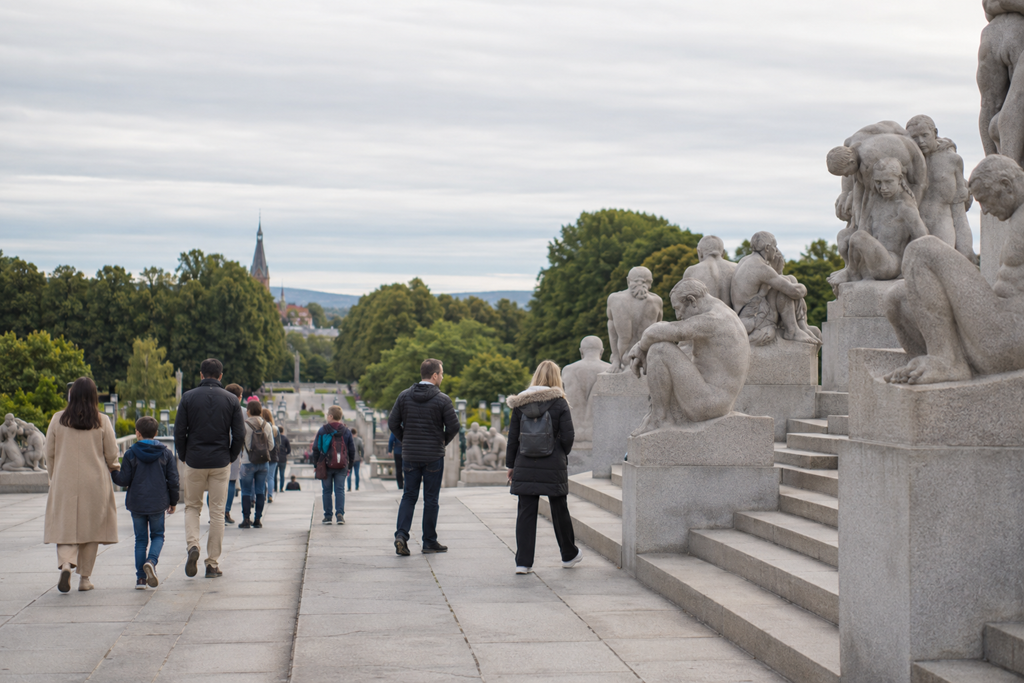
Frogner and nearby Majorstuen are useful areas to know because of Vigeland Sculpture Park and Frogner Park. Vigeland Sculpture Park contains more than 200 sculptures by Gustav Vigeland in granite, bronze, and wrought iron, and it remains one of Oslo’s most distinctive outdoor attractions.
Bygdøy
Bygdøy is a peninsula known for museums, green space, residential streets, and a quieter atmosphere. It is a good half-day or full-day area depending on how many museums you want to visit. Norsk Folkemuseum, the Norwegian Museum of Cultural History, presents Norwegian life from 1500 to the present and is one of the most useful places to understand the country beyond the capital.
Top Attractions And Experiences In Oslo
Oslo’s strongest attractions tend to fall into a few categories: art, architecture, history, parks, fjord scenery, and everyday neighborhood life. These are the experiences most worth considering for a first visit.
Oslo Opera House
The Oslo Opera House is one of the city’s signature landmarks. Even if you do not attend a performance, it is worth visiting for the architecture and waterfront setting. The building is designed so visitors can walk up its sloping exterior roof, giving you views over the harbor and Bjørvika.
Go early or later in the day if you want a quieter experience. It pairs naturally with MUNCH, the Deichman Bjørvika library, and a walk along the waterfront.
MUNCH
MUNCH is the major Oslo museum dedicated to Edvard Munch, one of Norway’s most important artists. It is especially worthwhile if you want to understand more than a single famous painting. The museum covers Munch’s broader body of work and also includes contemporary art, performances, talks, and changing programs.
Because museum displays and special exhibitions can change, check current details before your visit. If you are short on time, prioritize the collection areas and the building’s upper-level views.
The National Museum
The National Museum is one of Oslo’s most important cultural institutions and brings older art, modern art, contemporary art, architecture, and design under one roof. It is a strong choice for travelers who want a broad introduction to Norwegian and international visual culture.
This is a good museum to visit on your first or second day because it helps give context to Oslo’s design, architecture, and artistic identity.
Vigeland Sculpture Park
Vigeland Sculpture Park is one of Oslo’s most memorable outdoor experiences. It is part of Frogner Park and features more than 200 sculptures by Gustav Vigeland. The park is spacious, easy to walk through, and useful for travelers who want an attraction that does not require intense planning.
It is especially good for families, photographers, art lovers, and anyone who wants an outdoor break between museum visits.
Akershus Fortress
Akershus Fortress is a historic site near the harbor and a useful stop for understanding Oslo’s older layers. Its grounds offer views toward the fjord and the waterfront, and it pairs well with City Hall, Aker Brygge, and the harbor promenade.
Even if you do not spend a long time here, it is worth including as part of a central Oslo walk.
Oslo City Hall
Oslo City Hall is often more interesting than visitors expect. Its architecture, murals, civic symbolism, and harbor location make it a good stop between the National Museum, Aker Brygge, and Akershus Fortress. Check visitor access before you go, since public entry can vary around official events.
Bygdøy Museums
Bygdøy is one of the best areas for museum-focused travelers. Norsk Folkemuseum is especially useful for understanding Norwegian cultural history, with exhibits showing how people lived across different periods and regions of Norway.
Depending on your interests, you can also explore maritime and polar history museums in the area. Rather than trying to rush every museum, choose one or two that match your interests and give them enough time.
The Oslofjord And Islands
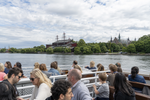
The Oslofjord is central to the city’s identity. In warmer months especially, ferries and waterfront walks can become a highlight of the trip. Even a simple harbor stroll gives you a sense of how Oslo relates to the water.
If you have extra time, consider a ferry ride to one of the nearby islands. Keep plans flexible and check current ferry schedules before going.
Ekebergparken And Viewpoints
For city views and an outdoor art experience, Ekebergparken is a worthwhile option. It combines hillside walking, sculpture, and views back toward Oslo and the fjord. It is a good choice if you want something quieter than the central waterfront.
Grünerløkka Wandering
Not every Oslo experience needs to be a landmark. Grünerløkka is a good area for a slower afternoon: coffee, bakeries, casual meals, small shops, riverside paths, and everyday city life. It helps balance the trip if your itinerary is heavy on museums and major sights.
Food And Drink In Oslo
Oslo’s food scene reflects both Norwegian tradition and an international, modern capital. You can find seafood, bakeries, coffee shops, casual food halls, fine dining, Nordic-inspired menus, and simple neighborhood meals.
For a first visit, focus less on chasing specific “best” restaurants and more on trying a few durable food experiences:
Seafood And Fjord-Inspired Eating
Norway’s coastline shapes its food culture, and seafood is a natural part of eating in Oslo. Look for fish, shrimp, salmon, cod, and seasonal seafood dishes. Waterfront restaurants can be scenic, but they are not the only places to eat well.
Bakeries And Coffee
Oslo has a strong bakery and coffee culture. A simple pastry and coffee break can be one of the easiest ways to enjoy the city between museums or neighborhood walks.
Food Halls And Casual Dining
Food halls and casual dining spots are useful if you want variety without committing to a formal restaurant. They are especially helpful for groups with different preferences.
Traditional Norwegian Flavors
If you want a more local food experience, look for dishes that feature fish, potatoes, root vegetables, waffles, brown cheese, rye bread, or seasonal ingredients. Menus change, so treat this as a general guide rather than a checklist.
Getting Around Oslo
Oslo is one of the easier European capitals to navigate without a car. Many central sights are walkable, and public transportation is useful for reaching museums, neighborhoods, parks, and the outer edges of the city.
Ruter is the public transport provider for Oslo and Akershus, and its system includes journey planning and ticket information. VisitOSLO also notes that the Ruter app is one of the easiest ways to manage public transport tickets, while physical tickets can be purchased through visitor centers, service centers, and selected shops.
Walking
Walking is the best way to experience central Oslo. The waterfront, Bjørvika, Aker Brygge, Karl Johans gate, City Hall, Akershus Fortress, and the National Museum can be connected on foot if you are comfortable with city walking.
Tram, Metro, Bus, And Ferry
Use public transport when visiting Frogner Park, Grünerløkka, Bygdøy, Ekeberg, or areas outside the center. Ferries can also be part of the experience, especially for fjord and island outings.
From The Airport
Most international travelers arrive through Oslo Airport. Rail connections are commonly used to reach the city center. Check current schedules and ticket options before arrival, especially if you are landing late or traveling with a group.
Do You Need A Car?
Most visitors do not need a car in Oslo. Public transport and walking are usually easier, and parking can add unnecessary stress. A car only becomes useful if Oslo is part of a wider Norway road trip.
Suggested First-Time Oslo Itinerary
This is a flexible three-day structure for travelers who want a balanced mix of nature, culture, and city exploring.
Day One: Central Oslo And The Waterfront
Start near Oslo Central Station and walk toward Bjørvika. Visit the Oslo Opera House, explore the waterfront, and choose either MUNCH or the National Museum depending on your interests.
In the afternoon, walk toward Akershus Fortress, City Hall, Aker Brygge, and Tjuvholmen. This gives you a strong first-day sense of Oslo’s architecture, harbor, civic landmarks, and fjord setting.
Day Two: Art, Parks, And Neighborhoods
Spend the morning at the National Museum or MUNCH, whichever you did not visit on day one. After lunch, take public transport to Vigeland Sculpture Park and walk through Frogner Park.
Later, head to Grünerløkka for a more relaxed neighborhood experience. This day balances major art institutions with outdoor space and local street life.
Day Three: Bygdøy Or Fjord Time
Use your third day for Bygdøy, a fjord outing, or a nature-focused walk. If you choose Bygdøy, pick one or two museums rather than trying to see everything quickly. Norsk Folkemuseum is especially good for cultural history.
If the weather is pleasant, consider adding a ferry ride or a longer waterfront walk. If the weather is poor, lean into museums, cafés, and indoor cultural stops.
Practical Travel Tips For Oslo
Plan Around Weather, Not Just Distance
Oslo is walkable, but weather can change how enjoyable a route feels. Bring layers, comfortable shoes, and rain protection. Even in warmer months, evenings can feel cool near the water.
Check Current Opening Hours
Museums, public buildings, ferries, and attractions can change hours by season or around holidays. Before building your day around one attraction, check current opening hours and reservation requirements.
Book Ahead During Busy Travel Periods
For popular museums, performances, special exhibitions, and well-known restaurants, booking ahead can make the trip easier. This is especially helpful in summer and around holiday periods.
Use Public Transport Strategically
Do not feel you need to walk everywhere. Oslo’s public transport can save time and energy, especially when moving between the waterfront, Frogner Park, Grünerløkka, Bygdøy, and hillier viewpoints.
Choose A Base That Matches Your Trip Style
Stay near Sentrum or Bjørvika if you want convenience and easy sightseeing. Choose Frogner or Majorstuen if you prefer a quieter, residential feel near parks. Consider Grünerløkka if cafés, casual food, and neighborhood atmosphere matter more than being next to the harbor.
Keep The Itinerary Light Enough To Enjoy
Oslo rewards slower travel. Instead of packing every museum into one day, choose a few priorities and leave room for walking, coffee breaks, park time, and unexpected views of the fjord.
Who Oslo Is Best For
Oslo is especially good for travelers who enjoy:
Art museums and modern architecture
Clean, easy-to-navigate cities
Waterfront walks and harbor views
Parks, forests, and outdoor space
Nordic culture and design
Trips that combine city experiences with nature
It may feel expensive compared with some European destinations, so the best approach is to plan intentionally. Focus your paid experiences on the museums, performances, or excursions that matter most to you, then balance them with free or low-cost walks, parks, viewpoints, and neighborhood exploring.
A Thoughtful Way To Experience Oslo
The best way to enjoy Oslo is not to treat it like a checklist. Its appeal comes from the combination: the white roof of the Opera House against the fjord, the emotional force of Munch’s art, the open space of Vigeland Park, the everyday rhythm of Grünerløkka, and the ease of moving between city streets and natural scenery.
Give yourself enough structure to avoid confusion, but enough flexibility to follow the weather, your energy, and the parts of the city that draw you in. With that approach, Oslo becomes more than a quick capital stop. It becomes a clear, memorable introduction to Norway’s culture, landscape, and way of life.
Download Our Free E-book!