Phuket is one of Thailand’s most popular island destinations, but it can also feel difficult to plan at first. The island has busy beach towns, quiet coves, cultural landmarks, night markets, boat tours, resort areas, and day trips in several directions.
This guide is designed to help you understand Phuket before you go. You’ll learn when to visit, where to stay, which beaches and tours to consider, how to get around, what to eat, and how to plan a trip that feels enjoyable rather than rushed.
Phuket At A Glance
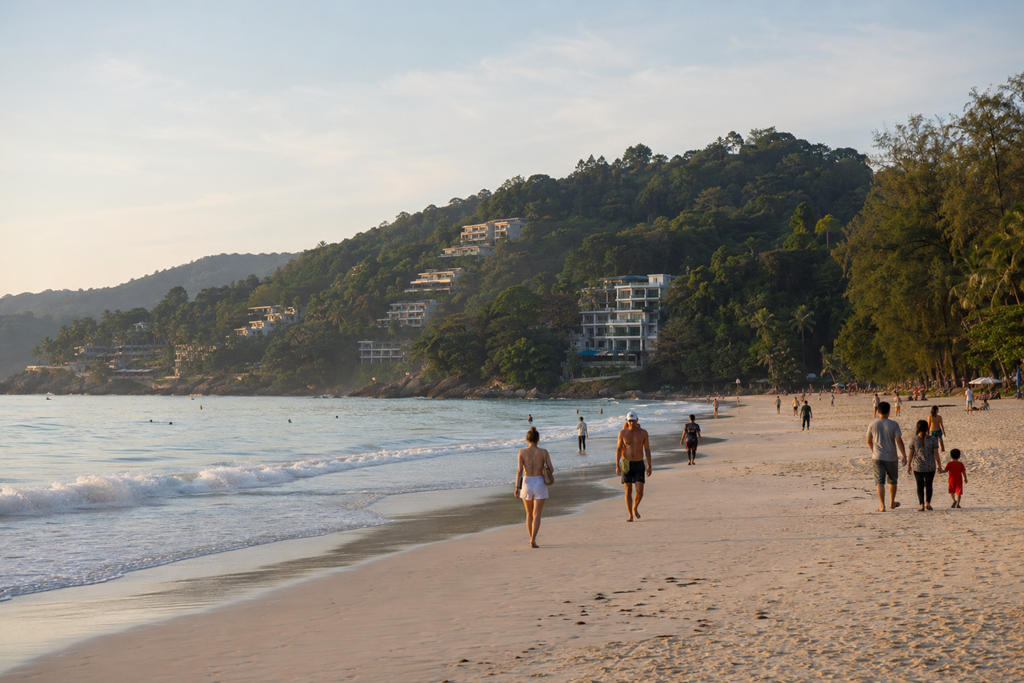
Phuket is Thailand’s largest island and sits on the Andaman Sea side of the country. It is known for its beaches, island-hopping tours, limestone scenery, viewpoints, local food, and easy access to nearby destinations such as Phang Nga Bay and the Phi Phi Islands. The Tourism Authority of Thailand highlights beaches including Patong, Karon, Kamala, Kata, Kata Noi, Rawai, and Mai Khao as some of Phuket’s well-known coastal areas.
The island is large enough that where you stay will shape your trip. Patong feels busy and nightlife-focused. Kata and Karon are more balanced for beach time and restaurants. Kamala is quieter and often popular with families and longer-stay travelers. Phuket Old Town gives you culture, architecture, cafes, markets, and local food, but it is not directly on the beach.
A good Phuket trip usually blends three things: beach time, cultural exploring, and at least one boat or nature-based day trip.
Best Time To Visit Phuket
Phuket is warm year-round, but the experience changes with the seasons. The driest and most popular travel period generally runs from around November through April, when beach days and boat tours are more predictable. The wetter season usually falls from May through October, when showers are more common and the sea can be rougher. For current conditions, check the Thai Meteorological Department forecast before finalizing boat trips or beach plans.
Dry Season
The dry season is usually the easiest time for first-time visitors. Seas tend to be calmer, beach weather is more reliable, and boat tours are more likely to run smoothly. This is also when Phuket is busiest, so it helps to book accommodations and popular tours ahead during peak travel periods.
Rainy Season
The rainy season does not always mean constant rain. Many days still have usable windows of sunshine, especially in the morning. The tradeoff is that the sea can be rougher, some boat trips may change or cancel, and certain beaches may have stronger currents. If you visit during this period, stay flexible and build in extra time rather than planning every day around a long-distance boat tour.
Shoulder Periods
The transition months can be a good fit for travelers who want fewer crowds and are comfortable with some weather uncertainty. Pack light rain protection, keep plans flexible, and avoid relying too heavily on one must-do outdoor excursion.
How Many Days Do You Need In Phuket?
For most travelers, four to five days is enough to enjoy beach time, see a few cultural highlights, and take one major day trip. A full week gives you more room to slow down, try multiple beaches, spend time in Old Town, and take additional tours without feeling over-scheduled.
A simple first-time structure could look like this:
Arrive and settle into your beach area. Spend one day exploring nearby beaches. Use one day for Phuket Old Town, Wat Chalong, and a viewpoint. Take one day for a boat tour. Keep your final day lighter for a favorite beach, massage, market, or relaxed meal.
Best Areas To Stay In Phuket
Choosing the right base matters more in Phuket than many first-time visitors expect. Traffic and distance can make it tiring to bounce across the island every day.
Patong
Patong is Phuket’s busiest and most energetic beach area. It has a wide beach, many hotels, shopping, restaurants, bars, nightlife, and tour desks. It is convenient if you want activity around you and do not mind crowds.
Patong is best for travelers who want nightlife, easy tour access, and a central west-coast base. It may not be the best choice if you are looking for quiet evenings or a slower beach atmosphere.
Kata
Kata is one of the best all-around areas for many first-time visitors. It has a pleasant beach, restaurants, cafes, shops, and access to nearby viewpoints. It feels active without being as intense as Patong.
Kata is a strong choice for couples, families, and travelers who want a beach base with enough convenience but less nightlife.
Karon
Karon has a long, spacious beach and a more spread-out feel. It sits between Patong and Kata, which makes it useful for travelers who want access to both but prefer a slightly less crowded base.
Karon works well for beach-focused travelers who like a larger beach and do not need constant activity outside the hotel door.
Kamala
Kamala is quieter than Patong and often feels more relaxed. It has a family-friendly pace, a beach village atmosphere, and a good mix of resorts and restaurants.
Kamala is a good fit for families, couples, and longer-stay visitors who want a softer landing in Phuket.
Rawai And Nai Harn
Rawai and Nai Harn sit toward the southern part of the island. Rawai is more of a local and expat-oriented area, while Nai Harn is known for one of Phuket’s lovelier beaches. This part of the island is a good choice if you want a quieter base and plan to rent a car, hire drivers, or explore at a slower pace.
Phuket Old Town
Phuket Old Town is not a beach destination, but it is one of the island’s most interesting cultural areas. It is known for Sino-Portuguese architecture, colorful streets, local food, cafes, markets, and a more urban feel. Tour operators commonly include Old Town alongside Wat Chalong, Big Buddha, and viewpoints on cultural sightseeing routes.
Old Town is best for travelers who care more about food, architecture, and local atmosphere than staying directly by the sea.
Best Beaches In Phuket
Phuket has many beaches, and each one has a slightly different personality. Rather than trying to visit them all, choose a few that match your travel style.
Kata Beach
Kata is one of Phuket’s most balanced beaches. It is scenic, accessible, and surrounded by enough restaurants and services to make a full beach day easy. It is popular, but it often feels more manageable than Patong.
Kata is a good choice for first-time visitors, couples, and families who want a classic Phuket beach experience without being too isolated.
Karon Beach
Karon is long and open, with more space to walk and spread out. Because the beach is larger, it can feel less compressed even during busier travel periods.
Karon is best for travelers who want a wide beach, sunset walks, and easy access to both Kata and Patong.
Patong Beach
Patong Beach is not the quietest or most pristine beach in Phuket, but it is one of the most convenient. It offers quick access to restaurants, shopping, nightlife, beach activities, and tours.
Choose Patong if convenience and energy matter more than solitude.
Kamala Beach
Kamala has a more relaxed rhythm and is often easier for families or travelers who want a quieter stay. It still has restaurants and accommodations nearby, but the atmosphere is softer than Patong.
Kamala is a good option if you want beach time without feeling surrounded by constant nightlife.
Nai Harn Beach
Nai Harn is a scenic beach in southern Phuket with a more peaceful feel than the main west-coast resort strips. It is especially appealing if you are staying in the Rawai or Nai Harn area.
It is a strong choice for travelers who want a more natural-looking beach setting and do not mind being farther from the island’s busiest zones.
Mai Khao Beach
Mai Khao is long, quiet, and located near the airport in northern Phuket. It feels very different from Patong, Kata, and Karon. The beach is better for long walks and resort stays than for travelers who want lots of restaurants and activity nearby.
Mai Khao is best for a quieter arrival or departure stay, especially if you want to be near the airport.
Attractions And Experiences Worth Planning Around
Phuket is more than beaches. Some of the island’s best experiences come from mixing coastal scenery with temples, viewpoints, local food, and boat trips.
Big Buddha
Big Buddha is one of Phuket’s most recognizable landmarks, located on a hilltop with wide views over the island. It is often paired with Wat Chalong and Phuket Old Town as part of a half-day cultural route. Many tour operators describe the site as a major viewpoint and spiritual landmark, and it remains one of the most common first-time visitor stops.
Dress respectfully, keep your visit quiet around worship areas, and check current access information before going, especially if maintenance or site restrictions are in place.
Wat Chalong
Wat Chalong is Phuket’s best-known Buddhist temple and a worthwhile stop for travelers interested in culture and local religious life. It is commonly included on island sightseeing routes with Big Buddha, viewpoints, and Old Town.
Wear clothing that covers shoulders and knees, remove shoes where required, and move through the temple grounds respectfully.
Phuket Old Town
Old Town is one of the easiest ways to see a different side of Phuket. The area is known for colorful Sino-Portuguese buildings, small shops, cafes, murals, local eateries, and markets. It is a good place to walk slowly, try local dishes, and break up a beach-heavy itinerary.
Visit earlier in the day if you want quieter streets and softer light for photos. Visit later if you want more food options and a livelier street atmosphere.
Promthep Cape
Promthep Cape is one of Phuket’s classic viewpoint stops, especially around sunset. It can get busy, but the coastal scenery is memorable and easy to combine with Nai Harn, Rawai, or southern Phuket exploring. The Tourism Authority of Thailand notes Laem Phromthep as a notable sunset viewpoint.
For a better experience, arrive with time to spare and avoid blocking paths or viewpoints for long photo sessions.
Karon Viewpoint
Karon Viewpoint is another popular scenic stop, offering views over the coastline and beaches in the Kata and Karon area. It works well as a quick stop while moving between Kata, Nai Harn, Big Buddha, or southern Phuket.
Local Markets
Markets are useful for food, souvenirs, and local atmosphere. Phuket has several night markets and weekend markets, but schedules can change. Treat markets as flexible additions to your plan and check current operating days before you go.
Markets are especially good for casual dinners, snacks, fruit, desserts, and browsing without committing to a formal restaurant.
Best Day Trips And Tours From Phuket
Phuket is a major base for boat tours, but not every tour suits every traveler. Think about distance, sea conditions, group size, and how much time you want to spend in transit.
Phang Nga Bay
Phang Nga Bay is one of the most memorable day trips from Phuket. The bay is known for limestone formations, sheltered water, caves, islands, and sea kayaking. The Tourism Authority of Thailand describes Phang Nga Bay National Park as a geological area with islets, sunken caverns, and vertical rock formations, and notes that the sheltered bay is well suited to sea-kayak excursions.
This is a strong choice if you want dramatic scenery without focusing only on beach time. It is also a good option for travelers who prefer sightseeing and kayaking over a purely snorkeling-focused tour.
Phi Phi Islands
The Phi Phi Islands are among the most famous day trips from Phuket. Tours often include beaches, lagoons, snorkeling stops, and scenic coves. Because the area is popular and environmentally sensitive, conditions, access rules, and temporary closures may change. Check current tour details before booking, especially if a specific stop is important to you.
Phi Phi is best for travelers who want a classic island-hopping experience and are comfortable with a longer, busier day.
Coral Island
Coral Island is closer to Phuket than Phi Phi and can be a simpler choice for travelers who want a beach-and-water-activities day without spending as much time in transit. It is often used for snorkeling, swimming, and relaxed beach time.
This can be a good option for families or travelers with limited time.
Similan Islands
The Similan Islands are known for clear water, snorkeling, diving, and marine scenery, but they are seasonal and farther from Phuket. Because access can be limited during parts of the year for safety and conservation reasons, check current opening status and tour availability before planning around them.
This trip is best for travelers who care deeply about snorkeling or diving and are willing to commit to a longer day.
Private Driver Or Custom Island Tour
A private driver can be one of the easiest ways to see Phuket’s inland and cultural highlights. You can combine Big Buddha, Wat Chalong, Old Town, viewpoints, and a beach stop without worrying about parking, route planning, or negotiating multiple short rides.
This is often a practical choice for families, small groups, or travelers who want a flexible day without joining a group tour.
What To Eat In Phuket
Phuket’s food scene reflects southern Thai flavors, Chinese influence, fresh seafood, street food, and international tourism. You can eat very simply or make meals a major part of the trip.
Look for dishes such as mee Hokkien noodles, roti, curry with rice noodles, grilled seafood, Thai-style omelets, fruit shakes, mango sticky rice, satay, and southern Thai curries. Old Town is especially useful for trying local dishes in a walkable area.
If you are sensitive to spice, ask for mild. If you have allergies, carry a translated allergy card or written note. In markets, choose busy stalls with high turnover and food that is cooked fresh.
Getting Around Phuket
Phuket is bigger than many visitors expect, and getting around takes planning. Distances may look short on a map, but traffic, hills, and limited public transport can slow things down.
Airport Transfers
Most visitors arrive through Phuket International Airport. Common transfer options include hotel-arranged cars, airport taxis, ride-hailing where available, shared vans, and buses. For a smoother arrival, arrange your transfer ahead if you land late, travel with children, or stay far from the airport.
Taxis And Ride-Hailing
Taxis and app-based rides are common, but prices can vary by area and demand. Confirm the fare or app price before starting. If you are staying in a quieter area, plan your return transportation before heading out at night.
Phuket Smart Bus
The Phuket Smart Bus is a public bus option that runs between Phuket International Airport and Rawai, passing several west-coast beach areas along the way. The official Phuket Smart Bus site describes it as a fixed-route service connecting the airport with beach destinations including Patong, Karon, Kata, and Rawai.
It can be useful for budget travelers and light packers, but it may not be ideal if you have heavy luggage, arrive late, or need door-to-door service.
Renting A Scooter Or Car
Scooters are common in Phuket, but road conditions, traffic, hills, rain, and unfamiliar driving habits can make them risky for inexperienced riders. If you rent any vehicle, make sure your license, insurance, helmet use, and rental agreement are in order.
A rental car can be useful for confident drivers staying outside the busiest areas, but parking and traffic can still be stressful. Many visitors find that a mix of walking, taxis, tour transfers, and occasional private drivers is easier.
Practical Travel Tips For Phuket
Choose Your Base Carefully
Do not choose a hotel only because the room looks nice. Look at the surrounding area, beach access, food options, transportation, and how far it is from the tours or neighborhoods you care about most.
Do Not Overload Your Itinerary
Phuket rewards slower planning. A day that includes a beach, a viewpoint, and dinner in a nearby area may feel better than trying to cross the island several times.
Check Sea Conditions Before Boat Tours
Boat tours are weather-dependent, especially during wetter months. If you are visiting during the rainy season, avoid saving your most important boat trip for the final day in case plans change.
Respect Temple Etiquette
Cover shoulders and knees at temples, remove shoes when required, keep your voice low, and avoid posing in ways that feel disrespectful around religious images.
Be Careful With Sun And Hydration
The sun can be intense even when the sky looks hazy. Use reef-conscious sun protection, drink water regularly, and take shade breaks during the strongest part of the day.
Travel More Lightly Around Nature
Phuket’s beauty depends on its beaches, reefs, bays, and coastal communities. Reduce single-use plastic where you can, avoid touching coral or marine life, and choose operators that explain safety and conservation rules clearly. Phuket has faced tourism-related waste pressures, so small responsible choices matter when many visitors are sharing the same island.
A Simple First-Time Phuket Plan
For a balanced first trip, consider staying in Kata, Karon, Kamala, or Patong depending on your preferred pace.
Spend your first full day near your beach area. Use the next day for Big Buddha, Wat Chalong, Phuket Old Town, and a viewpoint. Plan one day for Phang Nga Bay or Phi Phi Islands. Keep one day open for a slower beach, market, spa, or southern Phuket visit.
This gives you a trip that includes the beach, culture, local food, and island scenery without making every day feel packed.
Final Thoughts For Planning Phuket Well
Phuket is easiest to enjoy when you stop trying to see everything. Pick the right base, choose a few beaches that match your style, plan one or two meaningful tours, and leave space for weather, traffic, and slower meals.
The island can be lively, quiet, scenic, cultural, or convenient depending on how you plan it. With a thoughtful approach, Phuket becomes much more than a beach stop. It becomes a flexible introduction to southern Thailand’s coast, food, landscapes, and island rhythm.
Download Our Free E-book!