San Francisco is one of the most memorable cities in the United States, but it can also feel a little confusing on a first visit. The city is compact on a map, yet its hills, microclimates, neighborhoods, transit options, and famous attractions all shape the way a trip feels.
This guide is designed to help first-time visitors understand San Francisco before arriving. You’ll find practical advice on when to visit, where to stay, what neighborhoods to explore, how to get around, what to eat, and which classic experiences are worth building into your trip.
San Francisco at a Glance
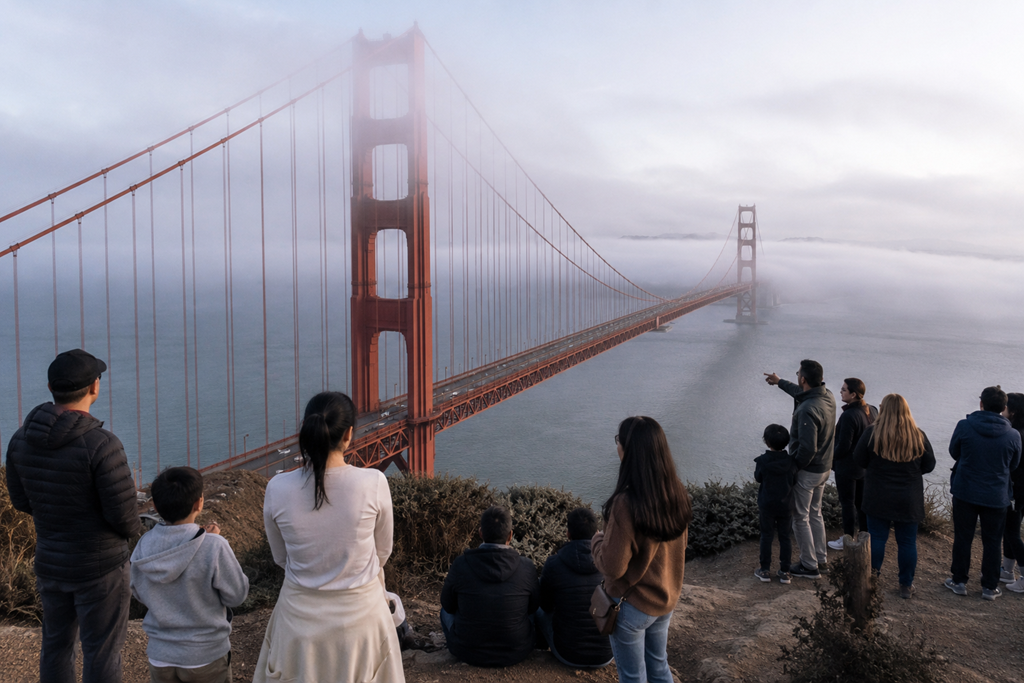
San Francisco sits at the tip of a peninsula between the Pacific Ocean and San Francisco Bay. That location gives the city its dramatic scenery: steep streets, foggy mornings, bay views, ocean cliffs, and one of the most recognizable bridges in the world.
For first-time visitors, San Francisco is best understood as a city of distinct neighborhoods rather than one central sightseeing zone. Fisherman’s Wharf, Chinatown, North Beach, the Mission District, Union Square, the Marina, the Presidio, Haight-Ashbury, and Golden Gate Park all offer different versions of the city. San Francisco’s official visitor site describes its neighborhoods as having their own distinct culture and character, which is one of the reasons planning by area helps so much.
A good first trip usually combines a few classic landmarks with slower neighborhood exploration. You do not need to see everything. San Francisco is better when you give yourself time to walk, pause for views, linger over food, and adjust plans around the weather.
Best Time to Visit San Francisco
San Francisco can be visited year-round, but the experience changes by season.
Spring
Spring is a pleasant time to visit if you want mild weather, blooming parks, and a slightly softer feel than peak summer travel periods. It is a good season for walking neighborhoods, visiting Golden Gate Park, and exploring waterfront areas.
Bring layers, especially for mornings and evenings. Even sunny days can cool down quickly near the water.
Summer
Summer is popular, but first-time visitors are often surprised by how cool and foggy San Francisco can feel. The city’s famous fog is part of its personality, especially near the coast, Golden Gate Bridge, and western neighborhoods.
Summer can still be a great time to visit, but do not pack as if you are going to a hot California beach city. A light jacket or sweater is useful almost every day.
Fall
Fall is often one of the most comfortable times to visit. The weather is usually mild, the skies may be clearer, and walking around the city can feel especially enjoyable.
This is a strong season for first-time visitors who want a balance of sightseeing, food, outdoor views, and neighborhood exploring.
Winter
Winter is quieter and can be rewarding for travelers who prefer fewer crowds. Rain is more likely, so it helps to build flexibility into your plans.
Museums, food experiences, bookstores, cafés, scenic drives, and neighborhood walks can still make winter visits worthwhile.
How Many Days Do You Need in San Francisco?
For a first visit, three to four days is a comfortable amount of time.
With two days, you can see the major highlights, but the trip may feel rushed. With three days, you can visit classic attractions, explore a few neighborhoods, and enjoy the city at a better pace. With four or five days, you can add Golden Gate Park, the Presidio, Alcatraz, museums, coastal views, and possibly a nearby day trip.
A realistic first-time visit might look like this:
Day one can focus on the waterfront, Fisherman’s Wharf, North Beach, Chinatown, and a scenic viewpoint.
Day two can include Golden Gate Bridge, the Presidio, the Marina, and Golden Gate Park.
Day three can explore the Mission District, Haight-Ashbury, museums, food, and a slower neighborhood walk.
If you add a fourth day, consider Alcatraz, a bay cruise, Lands End, the Ferry Building, or a nearby excursion.
Where to Stay in San Francisco
Choosing where to stay affects the rhythm of your trip. San Francisco is not huge, but traffic, hills, transit routes, and neighborhood atmosphere all matter.
Union Square and Downtown
Union Square is convenient for first-time visitors who want central access to hotels, shopping, transit, and classic city sights. It works well if you plan to use public transportation and want a practical base.
The area is busy and urban, so it may not feel as scenic or relaxed as other neighborhoods. Still, for convenience, it remains one of the most common first-trip choices.
Fisherman’s Wharf
Fisherman’s Wharf is popular with families and first-time visitors because it is close to many well-known attractions, including the waterfront, Pier 39, bay cruises, and Alcatraz ferry access. The Fisherman’s Wharf visitor site highlights the area’s dining, shopping, bay cruises, family attractions, museums, and outdoor activities.
It is touristy, but that can be useful on a first trip. If you want easy access to classic sightseeing, it can be a comfortable base.
Nob Hill
Nob Hill offers historic hotels, cable car access, and a more classic San Francisco atmosphere. The hills are steep, but the views and architecture are part of the appeal.
This area works well for travelers who want a more traditional city stay and do not mind walking uphill or using transit.
The Marina and Cow Hollow
The Marina and Cow Hollow are good options if you want a neighborhood feel with restaurants, shops, waterfront walks, and access to the Golden Gate Bridge area.
These neighborhoods can be especially appealing if you like walking, bay views, and a slightly less downtown-focused stay.
The Mission District
The Mission is a strong choice for food-focused travelers and visitors who want colorful murals, independent shops, lively streets, and easy access to local dining.
It is less traditional as a first-time hotel base than Union Square or Fisherman’s Wharf, but it can be rewarding for travelers who prefer neighborhood character over tourist convenience.
Key Neighborhoods to Explore
San Francisco makes more sense when you plan your days around neighborhoods. Instead of crossing the city repeatedly, group nearby sights together.
Fisherman’s Wharf and the Waterfront
This is one of the most visited parts of the city, especially for first-time travelers. It includes bay views, souvenir shops, seafood stands, family attractions, street performers, and access to many harbor cruises.
It can feel crowded and commercial, but it is still worth seeing once. Visit with realistic expectations: come for the waterfront energy, views, and classic tourist experience rather than hidden local charm.
Chinatown
San Francisco’s Chinatown is one of the city’s most distinctive neighborhoods. Walk through Dragon Gate, explore side streets, browse small shops, and leave time for dim sum, tea, bakeries, or a simple meal.
The best way to experience Chinatown is slowly. Look beyond the main tourist blocks and notice the markets, signs, balconies, temples, and everyday neighborhood life.
North Beach
North Beach is San Francisco’s historic Italian neighborhood and a natural pairing with Chinatown. The area is known for cafés, restaurants, independent bookstores, and a literary history connected to the Beat Generation.
It is a good neighborhood for walking, eating, and taking a break between more structured sightseeing stops.
The Mission District
The Mission District is one of the best neighborhoods for food, murals, and local culture. Balmy Alley and nearby streets are known for colorful murals, while Valencia Street offers shops, cafés, bookstores, and restaurants.
This is also one of the best areas to try a Mission-style burrito, one of San Francisco’s signature food experiences.
Haight-Ashbury
Haight-Ashbury is associated with 1960s counterculture, vintage shops, music history, and colorful Victorian homes. It pairs well with a visit to Golden Gate Park.
The neighborhood is interesting for first-time visitors who enjoy cultural history, independent shops, and a less polished side of the city.
The Presidio and Marina
The Presidio is one of San Francisco’s most rewarding areas for scenic walks, bridge views, historic military sites, trails, and green space. Nearby Marina Green and Crissy Field offer some of the best views of the Golden Gate Bridge.
This area is ideal when you want a break from dense city streets.
Golden Gate Park and the Inner Sunset
Golden Gate Park is large enough to fill much of a day. It includes gardens, museums, lakes, open lawns, walking paths, and quiet corners.
The nearby Inner Sunset is useful for casual food, coffee, and a neighborhood pause before or after visiting the park.
Classic Attractions and Experiences
San Francisco has many famous sights, but first-time visitors do not need to check off everything. Prioritize the experiences that match your interests and group them by location.
Golden Gate Bridge
The Golden Gate Bridge is the city’s most iconic landmark. You can view it from several places, including Crissy Field, Fort Point, Battery Spencer, Baker Beach, and parts of the Presidio.
Walking part of the bridge is memorable, but it can be windy and chilly. Wear layers and check conditions before going. If you are short on time, a viewpoint may be enough.
Alcatraz Island
Alcatraz is one of the most worthwhile classic attractions for first-time visitors. The island combines history, bay views, and a memorable ferry ride. The National Park Service notes that visitors must purchase a ferry ticket to reach the island and recommends making advance reservations.
Book ahead during busy travel periods, and check current departure details before your visit. Weather on the bay can be cool even when the city feels warmer.
Golden Gate Park
Golden Gate Park is one of the best places to slow down. You can visit gardens, museums, lakes, meadows, and walking paths. Depending on your interests, you might spend a couple of hours or most of a day here.
For a first visit, choose one or two main stops rather than trying to cover the entire park.
The Ferry Building
The Ferry Building is a good stop for food lovers and anyone who enjoys markets, local products, and waterfront views. It is also a practical place to pause during a day around the Embarcadero.
Visit for coffee, baked goods, local food shops, casual meals, or a scenic walk along the bay.
Lombard Street
Lombard Street is famous for its winding block and flower-lined curves. It is a quick sightseeing stop rather than a long activity.
It pairs well with North Beach, Fisherman’s Wharf, or a cable car ride. Expect other visitors, and be respectful of the residential setting.
Cable Cars
Cable cars are both transportation and an experience. They are especially fun for first-time visitors, but they can have long waits at popular turnaround points.
For a smoother experience, ride outside the busiest times or board at a less crowded stop when possible. SFMTA’s visitor guidance notes that Muni visitor passes can cover Muni, Muni Metro, historic streetcars, and cable cars, depending on the pass type.
Painted Ladies and Alamo Square
The Painted Ladies are a row of colorful Victorian houses facing Alamo Square. The view is classic San Francisco, especially with the skyline behind the homes.
This is a short stop, but it is pleasant if you enjoy architecture, photography, or parks.
Lands End and Sutro Baths
Lands End offers coastal trails, ocean views, cypress trees, and a different feeling from the dense central city. The nearby Sutro Baths ruins add history and atmosphere.
This is a strong choice for visitors who enjoy walking and scenery. Wear comfortable shoes and bring a layer, since the coastal side of the city can be cool and windy.
Food and Drink in San Francisco
San Francisco is a strong food city, but first-time visitors do not need to chase the newest restaurant to eat well. Focus on food experiences that reflect the city’s neighborhoods and history.
Seafood and Sourdough
Near the waterfront, many visitors try clam chowder in a sourdough bread bowl. It is touristy, but it is also part of the classic first-time experience.
For a better approach, enjoy it as a simple waterfront meal rather than expecting it to be the city’s best dining moment.
Mission-Style Burritos
The Mission District is the place to try a Mission-style burrito. These burritos are large, filling, and deeply associated with San Francisco food culture.
This is one of the most practical and satisfying meals to build into a sightseeing day.
Dim Sum and Bakeries in Chinatown
Chinatown is a good place for dim sum, roast meats, bakeries, tea, and casual snacks. A first visit can be as simple as walking, browsing, and stopping for something small along the way.
Do not over-plan every bite. Part of the pleasure is wandering and noticing what looks good.
Italian Food and Cafés in North Beach
North Beach is a natural place for pasta, espresso, pastries, and old-school cafés. It is also a good evening neighborhood if you want dinner after exploring Chinatown or the waterfront.
Markets and Local Food Halls
The Ferry Building is one of the easiest places to sample local flavors without committing to a formal restaurant reservation. It works well for solo travelers, couples, and groups with different tastes.
Getting Around San Francisco
San Francisco is walkable in some areas, but the hills can make distances feel longer than they look. A smart transportation plan makes the trip much easier.
Walking
Walking is one of the best ways to experience San Francisco, especially in neighborhoods like Chinatown, North Beach, the Mission, the Marina, and parts of the Embarcadero.
Check elevation before committing to a long walk. A short route on a map may include a steep hill.
Public Transportation
San Francisco’s public transportation system includes Muni buses, light rail, historic streetcars, and cable cars. SFMTA describes Muni as part of the city’s overall transportation network for helping visitors and residents move around San Francisco.
For first-time visitors, public transit is especially useful for moving between major neighborhoods, avoiding parking stress, and reducing the need for a rental car.
Cable Cars and Historic Streetcars
Cable cars are best treated as a scenic experience. Historic streetcars along Market Street and the Embarcadero can also be useful and enjoyable.
If riding cable cars is important to you, build in extra time and check current routes before you go.
Rideshare and Taxis
Rideshare services and taxis can be helpful at night, when traveling with luggage, or when crossing areas that are inconvenient by transit.
They are also useful if you are tired after a long day of walking hills.
Rental Cars
Most first-time visitors do not need a rental car for San Francisco itself. Parking can be expensive and stressful, and many popular areas are easier to reach by walking, transit, or rideshare.
A rental car may make sense if you are adding a regional road trip, such as wine country, Muir Woods, Monterey, or the Pacific Coast.
Getting From the Airport
San Francisco International Airport is south of the city. Many visitors use BART, rideshare, shuttle services, or taxis depending on where they are staying and how much luggage they have.
Check your hotel location before choosing. For some areas, transit is convenient. For others, a direct ride may be easier after a long flight.
Practical Planning Tips for First-Time Visitors
Pack Layers Every Day
San Francisco weather can change quickly by neighborhood and time of day. A sunny afternoon in one area can become a windy, foggy evening near the water.
Bring a light jacket, sweater, or wind-resistant layer even if the forecast looks mild.
Do Not Overload Your Itinerary
San Francisco rewards a slower pace. Hills, transit time, photo stops, food breaks, and changing weather all affect your day.
Plan one or two major experiences per day, then add nearby neighborhoods or viewpoints around them.
Group Attractions by Area
This is one of the easiest ways to reduce stress. Pair Chinatown with North Beach. Pair Golden Gate Bridge with the Presidio and Marina. Pair Haight-Ashbury with Golden Gate Park. Pair the Ferry Building with the Embarcadero and waterfront.
A geographically logical plan will feel much better than jumping across the city.
Book Alcatraz Ahead
Alcatraz is one attraction where advance planning matters. Ferry access is required, and popular times can sell out. The National Park Service recommends making advance reservations for Alcatraz visits.
Before you go, check current schedules, departure locations, and any service updates.
Expect Hills
The hills are part of San Francisco’s beauty, but they can be tiring. Wear comfortable shoes and use transit or rideshare when needed.
Do not judge walking time by distance alone.
Be Thoughtful With Valuables
Use normal city awareness. Keep bags close, avoid leaving belongings visible in parked cars, and stay aware in busy tourist areas.
This is especially important if you rent a car. Do not leave luggage or electronics visible inside the vehicle.
Check Current Details Before Visiting
For museums, ferries, tours, and major attractions, check current hours and reservation requirements before you go. This keeps the article’s evergreen advice practical while still protecting your trip from schedule changes.
A Simple First-Time San Francisco Plan
If you want an easy starting point, use this as a flexible three-day structure.
Day One: Waterfront, North Beach, and Chinatown
Start near the Ferry Building or Embarcadero, then continue toward the waterfront. Visit Fisherman’s Wharf if it interests you, or keep the stop brief if you prefer less touristy areas.
Later, walk into North Beach for cafés, bookstores, and Italian food. End with Chinatown for markets, shops, dinner, or an evening stroll.
Day Two: Golden Gate Bridge, Presidio, and Marina
Begin with Golden Gate Bridge viewpoints. Spend time in the Presidio, Crissy Field, or Fort Point depending on your interests.
Continue into the Marina or Cow Hollow for lunch or a relaxed walk. If you still have energy, add Palace of Fine Arts or a bayfront stroll.
Day Three: Golden Gate Park, Haight-Ashbury, and the Mission
Spend the first part of the day in Golden Gate Park. Choose a museum, garden, or scenic walk rather than trying to see the whole park.
Explore Haight-Ashbury nearby, then head to the Mission District later for murals, shops, and a Mission-style burrito.
Common First-Time Mistakes to Avoid
Treating San Francisco Like a Warm Beach Destination
San Francisco is coastal, but it is not usually a hot beach city. Pack layers and expect wind near the water.
Staying Too Far From What You Want to Do
A cheaper hotel far from your main interests may cost you time and convenience. Consider transit access, neighborhood feel, and how you plan to spend your days.
Trying to See Too Much in One Day
San Francisco looks compact, but hills and transit time matter. A focused day in two or three nearby areas is usually better than rushing across town.
Renting a Car for the Whole Trip
Unless you are leaving the city, a car can be more trouble than help. Use public transportation, walking, and occasional rideshare for most city sightseeing.
Forgetting to Reserve Popular Experiences
Some attractions, especially Alcatraz, are easier when planned in advance. Build in flexibility, but reserve the experiences that matter most.
Is San Francisco Worth Visiting?
San Francisco is absolutely worth visiting for first-time travelers who enjoy scenery, food, neighborhoods, history, architecture, and walkable urban exploring. It is not the easiest city to understand at first glance, but with a simple plan, it becomes much more approachable.
The best first visit does not need to be packed. See the Golden Gate Bridge, explore a few neighborhoods, eat well, ride a cable car if it appeals to you, and leave time for the views. San Francisco is a city where the in-between moments often become the most memorable part of the trip.
Download Our Free E-book!