Traveling to the FIFA Women’s World Cup can be expensive, but the biggest savings usually come from planning the trip around the event instead of planning it like a regular vacation. The key is to avoid letting match excitement control every decision. Tickets matter, but lodging, city-to-city movement, food, timing, and match selection often shape the final cost just as much.
The FIFA Women’s World Cup is a major international spectator event, and future tournaments can create complex planning choices for fans. With a 32-team format and matches spread across host cities, travelers may be thinking not only about one match, but about travel distances, knockout-round uncertainty, and the cost of staying flexible.
For many travelers, the hard part is not deciding whether the event is worth attending. It is deciding how to enjoy it without turning the trip into a financial strain.
The Most Expensive Choice Is Usually Waiting Too Long
World Cup travel costs often rise because fans wait until the tournament feels “real.” That usually happens after teams qualify, matchups become clearer, tickets go on sale, or a favorite country advances.
By then, more people are searching for the same flights, hotels, and short-term rentals. Even travelers who are not attending the tournament may be competing for the same rooms if the host city is already a popular destination.
The calmer approach is to separate early planning from final committing. You may not know every match you want to attend, but you can still study likely host cities, compare lodging areas, understand transport options, and set a realistic travel budget before prices feel compressed.
This does not mean rushing into nonrefundable bookings. It means doing enough early thinking that you are not forced into expensive decisions later.
Choose Your Matches Before You Choose Your Dream Trip
A common mistake is starting with the idea of a dream vacation and then adding World Cup matches on top of it. That can quickly make the trip more expensive than expected.
A lower-cost approach starts with one question: “What kind of fan trip am I actually trying to have?”
Some travelers want to see their favorite national team. Others want to experience one major stadium atmosphere. Some want to attend several group-stage matches because they are often easier to plan around than knockout rounds. Others care more about being in the host country during the tournament than attending multiple matches.
None of these choices is wrong. The problem comes from trying to do all of them at once.
Seeing one meaningful match and spending more time in one city may cost far less than chasing multiple games across several host cities. Following a team through the knockout rounds can be exciting, but it also requires more flexibility, more transport, and often more expensive last-minute decisions.
Staying in One Base City Can Protect Your Budget
For a tournament spread across multiple cities, travel between matches can quietly become one of the biggest expenses. Flights, buses, trains, rideshares, airport transfers, luggage storage, and extra hotel nights can add up quickly.
A base-city strategy can help. Instead of trying to follow the entire tournament, choose one host city or region and build your experience around the matches available there.
This approach can reduce transportation costs, make lodging simpler, and give the trip a steadier rhythm. It also helps you avoid spending too much of the experience moving between airports, stations, and hotel check-ins.
A base city does not have to mean missing out. It can mean watching some matches in person, enjoying others with local fans, and having more control over meals, rest, sightseeing, and daily spending.
The Cheapest Lodging Is Not Always the Best Value
It is natural to look for the lowest nightly rate, but sports tourism lodging has a different cost equation. A cheaper room far from the stadium or reliable transit may create new expenses every match day.
Before choosing lodging, look beyond the price and ask:
How much will it cost to get to the stadium area?
How late will transportation be available after evening matches?
Will rideshare prices surge after games?
Is the neighborhood convenient for affordable meals and groceries?
Will staying farther away cost extra time, stress, and transport money?
For major events, a slightly more expensive room near dependable public transit may be the better value. The goal is not luxury. The goal is fewer surprise costs and fewer stressful match-day logistics.
Food Costs Rise When Every Day Feels Like Event Day
One easy way to overspend during a major tournament is to treat every meal like part of the event experience. Stadium food, tourist-zone restaurants, hotel breakfasts, and convenience meals can slowly push the trip beyond budget.
You do not have to remove all enjoyment. A better approach is to decide which meals matter.
Maybe you choose one special meal near the stadium, one local food experience, and a few simple meals from grocery stores, bakeries, markets, or casual neighborhood spots. This gives the trip texture without making every meal expensive.
Sports tourism can make people feel like they should maximize every moment. But a quieter meal, a slower morning, or a simple snack before the match can make the whole trip feel more manageable.
Build Your Budget Around the Full Match Day
Fans often budget for tickets and lodging but underestimate the full cost of a match day.
A match day may include transportation to and from the stadium, food, drinks, team gear, bag storage, mobile data, pre-match meetups, post-match rides, and a late-night meal if the game ends after normal dinner hours.
Even if each item seems small, the total can surprise you.
A realistic match-day budget gives you room to enjoy the experience without constantly reacting to prices. It also helps you decide when to say yes and when to keep things simple.
The point is not to make the trip feel restricted. It is to prevent small unplanned costs from making the trip feel heavier than it needs to be.
Be Careful With Knockout-Round Flexibility
Knockout-round matches are often the most exciting part of a World Cup, but they can also be the hardest to plan affordably. Teams move, schedules narrow, demand rises, and fans make quick decisions based on results.
If your budget is limited, it may be better to plan around group-stage matches or a fixed host city instead of assuming you will follow a team deep into the tournament.
There is nothing wrong with leaving room for a spontaneous knockout-round match. Just avoid building the entire trip around a level of flexibility you may not want to pay for.
This is one of the most important reframes for Women’s World Cup travel: flexibility feels freeing, but during a major event, flexibility often costs money.
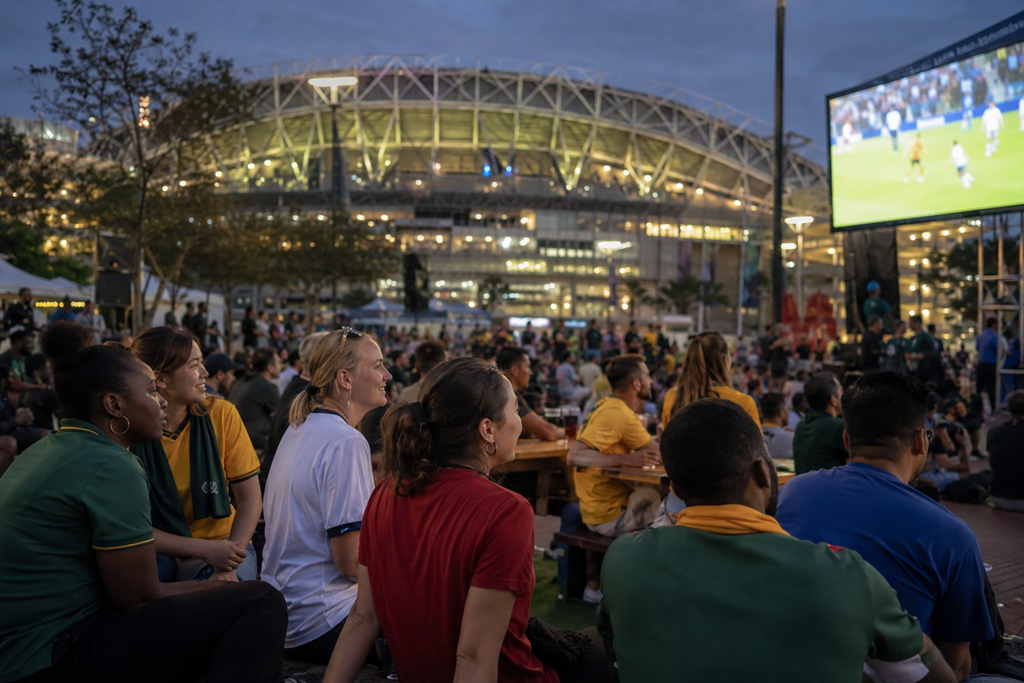
Watch Parties Can Be Part of the Trip, Not a Backup Plan
Some travelers feel disappointed if they cannot attend every match they care about in person. But during a major international tournament, watching with fans in the host country can still be a meaningful part of the experience.
Local watch parties, fan zones, sports bars, hotel lounges, and public viewing areas can give you atmosphere without requiring another ticket or another city transfer.
This can be especially helpful when a match is sold out, too expensive, or located far from your base city. It lets you stay connected to the tournament while protecting your budget and energy.
A good sports tourism trip does not have to be built entirely around stadium entry. Sometimes the best memories come from the city around the event.
Leave Space for Rest So You Do Not Spend to Fix Fatigue
Overpacked sports travel often creates extra spending. When travelers are tired, rushed, hungry, or disoriented, they are more likely to pay for convenience.
That might mean expensive taxis, last-minute meals, overpriced coffee, unnecessary upgrades, or impulse purchases near the stadium.
Rest is not just about comfort. It is a budget tool.
Leaving space between matches, choosing lodging that supports easier mornings, and avoiding too many city transfers can reduce the number of times you have to spend money just to recover from your own schedule.
This matters because World Cup travel is emotionally exciting. The atmosphere can make you want to say yes to everything. A calmer plan helps you enjoy more of what matters without paying for every impulse.
A Lower-Cost Trip Can Still Feel Complete
Keeping FIFA Women’s World Cup travel costs down is not about making the trip small or joyless. It is about choosing the version of the experience that fits your real budget, energy, and priorities.
You may attend one match instead of four. You may stay in one city instead of chasing a team across the country. You may eat simply most days and choose one special meal. You may watch some matches with local fans instead of buying every ticket.
Those choices do not make the trip less meaningful. They make it more sustainable.
The strongest Women’s World Cup travel plan is not always the most ambitious one. It is the one that lets you be present for the match, enjoy the host atmosphere, and return home glad you went — without feeling like the trip got away from you.
Download Our Free E-book!