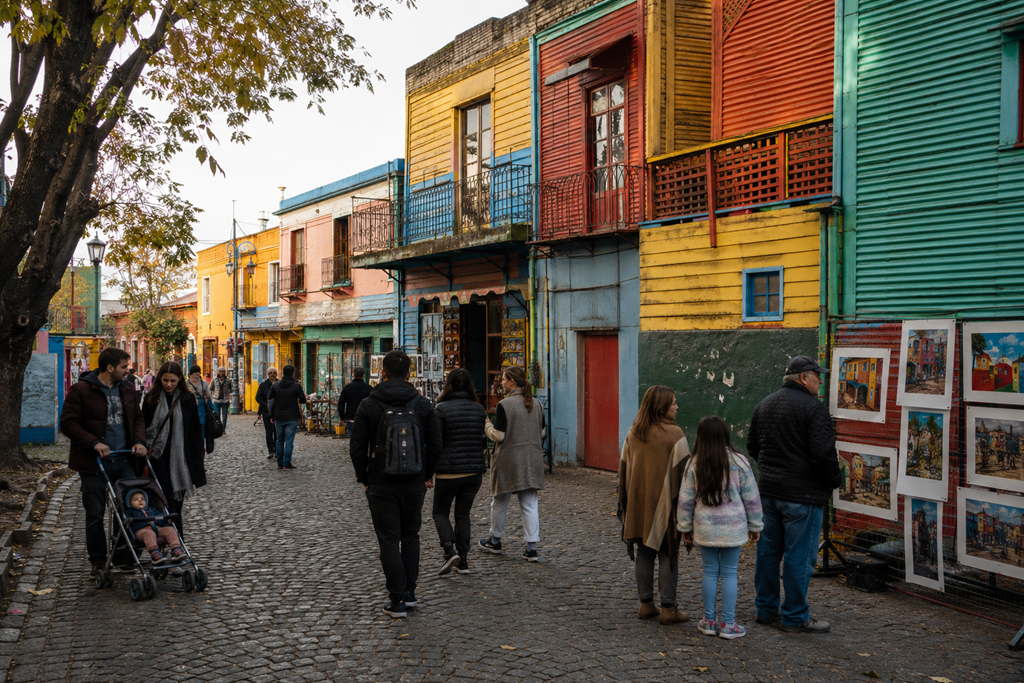
Buenos Aires is a city that rewards slow, curious travel. Its best experiences are not only the famous landmarks, but also the neighborhoods, cafés, markets, parks, theaters, and everyday rituals that help you understand how the city feels.
This guide focuses on durable, first-time visitor experiences: the places and activities most likely to remain worthwhile long after temporary trends change. You will find classic cultural stops, walkable neighborhoods, food experiences, and practical ways to plan your time without trying to do everything at once. The article follows your uploaded master prompt requirements for a LifeStylenaire “Things to Do” article.
Classic Buenos Aires Landmarks
1)) Walk Through Recoleta Cemetery
Recoleta Cemetery is one of Buenos Aires’ most memorable landmarks, not because it feels like a typical sightseeing stop, but because it feels like an open-air museum of architecture, history, and memory. Its narrow lanes are lined with elaborate mausoleums, statues, crypts, and family tombs, including the tomb of Eva Perón. The city tourism office describes it as a “labyrinthine city of the dead” with thousands of statues, sarcophagi, coffins, and crypts.
It is best for travelers who enjoy history, architecture, photography, and quiet wandering. Give yourself enough time to explore without rushing, and consider using a map or guided tour if you want more context.
Good to know: Check current entry details and visiting hours before you go, especially if you are planning around a tight schedule.
2)) Visit Teatro Colón
Teatro Colón is one of the city’s great cultural landmarks and a strong choice even if you do not plan to attend a performance. The building itself is the experience: grand interiors, historic design, and a sense of how deeply theater and music are woven into Buenos Aires life.
If you enjoy architecture, opera houses, or performing arts history, a guided visit can be a good way to understand the space. If you prefer a more immersive experience, look into current performances and book ahead when needed.
Best for: Architecture lovers, music fans, and travelers who want one “grand Buenos Aires” cultural experience.
3)) See Plaza de Mayo and Casa Rosada
Plaza de Mayo is one of the most important civic spaces in Buenos Aires. It is surrounded by major buildings and is closely tied to Argentina’s political and public life. Casa Rosada, the pink presidential palace, is the most recognizable landmark here.
This is a good place to start if you want a basic understanding of the city’s historical center. You do not need to spend all day here, but it pairs well with Avenida de Mayo, Café Tortoni, the Metropolitan Cathedral, and nearby downtown architecture.
Planning tip: Visit during the day, keep your belongings secure, and treat the area as both a landmark and an active public space.
4)) Stroll Along Avenida de Mayo
Avenida de Mayo connects Plaza de Mayo with the area around Congress and gives visitors one of the most atmospheric walks in the city center. The street is known for historic buildings, cafés, old-world details, and a layered mix of European-inspired architecture.
It is worth doing because it helps you connect individual landmarks into a more coherent sense of place. Instead of jumping from sight to sight, you can walk, look up, stop for coffee, and notice the rhythm of the city.
Best for: First-time visitors, architecture fans, and anyone who prefers self-guided exploring.
Neighborhoods Worth Exploring
5)) Wander San Telmo
San Telmo is one of Buenos Aires’ oldest and most characterful neighborhoods. The city tourism office highlights its tango and arts scene, antiques, cobblestones, old façades, and Plaza Dorrego as part of its distinct atmosphere.
This is a neighborhood to experience on foot. Browse antique shops, step into small galleries, stop for coffee, and look for details in the buildings. Sundays are especially well known for market activity around Plaza Dorrego, but San Telmo is still worth visiting outside market hours if you prefer a quieter walk.
Best for: History, antiques, cafés, street life, and first-time visitors who want an older side of Buenos Aires.
6)) Visit La Boca and Caminito
La Boca is famous for Caminito, a colorful pedestrian area with painted buildings, tango imagery, and strong links to the city’s port and immigrant history. The official city tourism site notes La Boca’s brightly painted houses, its connection to Boca Juniors football club, and nearby arts and cultural spaces.
Caminito is touristy, but it is still one of the city’s most recognizable places. Go for the color, history, and photography, but keep expectations realistic: this is a compact area, not a full-day neighborhood wander.
Good to know: Visit during the day and stay within the main visitor areas. The city tourism office specifically advises against walking around La Boca at night.
7)) Spend Time in Palermo
Palermo is Buenos Aires’ largest neighborhood and one of the easiest areas for visitors to enjoy without a strict plan. It includes parks, museums, cafés, boutiques, restaurants, and smaller subareas such as Palermo Soho and Palermo Hollywood. The city tourism office notes Palermo’s large parks, wooded areas, lakes, gardens, museums, and active dining and shopping districts.
This is a good neighborhood for travelers who want flexibility. You can make Palermo a park day, a museum day, a café-and-shopping day, or a relaxed evening base.
Best for: Longer stays, food, design, parks, nightlife, and travelers who like wandering between stops.
8)) Walk Puerto Madero and the Waterfront
Puerto Madero offers a very different version of Buenos Aires: modern, open, polished, and waterfront-focused. Former dock warehouses have been converted into restaurants, offices, and public spaces, and the Puente de la Mujer is one of the area’s best-known landmarks.
It is a good place for an easy walk when you want space, river air, and a break from denser neighborhoods. It also pairs well with the nearby ecological reserve if you want more greenery.
Best for: Easy walking, modern city views, waterfront photos, and a slower afternoon.
Art, Culture, and Local Identity
9)) Experience Tango Thoughtfully
Tango is one of Buenos Aires’ defining cultural traditions. The city tourism office describes tango as part of the city’s identity, something visitors can listen to, watch, or even try themselves.
There are several ways to experience it. A polished tango show can be an easy introduction, especially for first-time visitors. A milonga, where locals gather to dance, can feel more authentic, though it may require more patience and cultural awareness. A beginner class is a good middle ground if you want to participate without feeling lost.
How to prioritize: Choose a show for convenience, a milonga for atmosphere, or a lesson for a more personal experience.
10)) Visit the Museo Nacional de Bellas Artes
The Museo Nacional de Bellas Artes is one of the best museum choices for travelers who want a deeper cultural stop without overcomplicating the itinerary. It is located in Recoleta, making it easy to pair with Recoleta Cemetery, nearby parks, and cafés.
The museum is especially useful on hot, rainy, or slower travel days. It also gives balance to an itinerary that might otherwise lean heavily on neighborhoods, food, and outdoor walking.
Best for: Art lovers, repeat visitors, and anyone looking for a quieter cultural stop.
11)) Explore MALBA
MALBA, the Museo de Arte Latinoamericano de Buenos Aires, is a strong choice if you want to focus on Latin American art in a modern museum setting. It works well as part of a Palermo day, especially if you are already visiting the parks or nearby cultural attractions.
This is one of the better activities for travelers who want to understand Buenos Aires as part of a wider Latin American cultural conversation, not just as a city of European-influenced architecture.
Planning tip: Check current exhibitions and entry details before visiting, since special exhibitions and ticketing policies may change.
12)) Look for Street Art
Buenos Aires has a strong street art culture, and the city tourism office describes it as one of the world’s notable urban art destinations. Areas such as Palermo, Colegiales, Chacarita, Villa Crespo, La Boca, and Barracas are mentioned as places where visitors may encounter murals and urban art.
Street art is a good way to see a more contemporary side of the city. You can look for it casually as you walk, or take a guided tour if you want more context about artists, neighborhoods, and local themes.
Best for: Photography, contemporary culture, and travelers who like exploring beyond traditional landmarks.
Food and Everyday Experiences
13)) Try an Argentine Asado or Parrilla Meal
A parrilla meal is one of the most classic food experiences in Buenos Aires. Asado is more than grilled meat; the official tourism site describes it as a social ritual that brings friends and family together.
For visitors, the easiest version is usually eating at a parrilla restaurant. You can try traditional cuts of beef, chimichurri, provoleta, empanadas, salads, and local wine. If you are not a big meat eater, choose carefully and look for places with vegetable sides, grilled cheese, pastas, or other options.
Best for: First-time visitors, food-focused travelers, and anyone who wants a classic Buenos Aires meal.
14)) Sit in a Historic Café
Buenos Aires has a deep café culture, and sitting in a historic café can be just as meaningful as checking off a landmark. These cafés are good places to slow down, people-watch, read, plan the next part of your day, or try local staples such as medialunas with coffee.
Café Tortoni is the famous name, but the broader idea matters more than one specific stop. Look for cafés with history, character, and a steady local rhythm.
Best for: A slower morning, a break between walks, or travelers who enjoy everyday rituals.
15)) Visit a Market
Markets are a helpful way to experience local food, architecture, and neighborhood life in one stop. San Telmo Market is one of the best-known options for visitors because it fits naturally into a San Telmo walk. Depending on when you go, you may find food stalls, produce, antiques, casual meals, and a lively mix of locals and travelers.
A market visit works best when you do not treat it like a checklist. Walk through, notice what people are eating, stop for something simple, and leave room for the neighborhood around it.
Best for: Casual food, browsing, rainy-day flexibility, and travelers who like local texture.
Practical Planning Notes for Buenos Aires
Buenos Aires is very walkable in many visitor-friendly neighborhoods, but distances can be larger than they look on a map. Build your days around clusters: Recoleta and nearby museums, San Telmo and Plaza de Mayo, Palermo and its parks, or La Boca with another nearby daytime stop.
For public transportation, Buenos Aires uses the SUBE card for buses and the subte metro. The official tourism site notes that the city has a large public transport network, taxis, cycle lanes, buses, the subte, and a bike-share system.
A few simple habits make the trip easier:
- Check current opening hours before visiting museums, theaters, and ticketed attractions.
- Book ahead for popular performances, guided tours, or busy dining periods.
- Use taxis or rideshare-style services at night if you are unsure about walking routes.
- Keep valuables secure in crowded areas, markets, transit stations, and tourist zones.
- Give yourself unscheduled time; Buenos Aires is often best experienced between the major stops.
How to Choose What to Do First
If you only have a short visit, prioritize Recoleta Cemetery, Teatro Colón, San Telmo, La Boca/Caminito, Palermo, one tango experience, and one classic parrilla meal. That combination gives you architecture, history, food, neighborhood life, and local culture without overloading your days.
If you have more time, add MALBA, the Museo Nacional de Bellas Artes, Puerto Madero, street art, markets, and slower café stops. Buenos Aires does not need to be rushed to be rewarding. In many ways, the best plan is a thoughtful mix of one major sight, one neighborhood walk, and one good meal each day.
Download Our Free E-book!