Tokyo can feel enormous at first. It is a city of historic temples, quiet gardens, neon streets, excellent food, efficient trains, and neighborhoods that each feel like their own small world.
For a first visit, the goal is not to see everything. The better approach is to choose a balanced mix of classic sights, local food experiences, walkable neighborhoods, viewpoints, and cultural stops that help you understand the city without rushing through it.
This guide highlights 25 of the best things to do in Tokyo for first-time visitors, with practical notes to help you decide what belongs on your own trip.
Classic Tokyo Landmarks
1)) Visit Senso-ji Temple in Asakusa
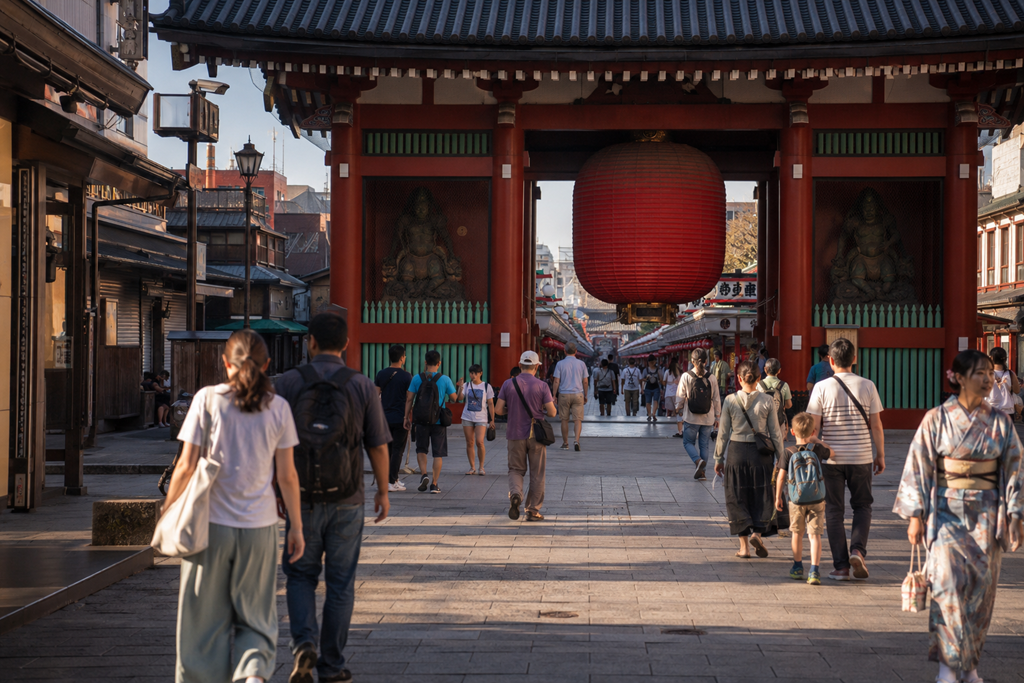
Senso-ji is one of the most important places to visit on a first trip to Tokyo. Located in Asakusa, it is Tokyo’s oldest Buddhist temple and one of the city’s most photographed historic sites.
The approach is part of the experience. Visitors pass through Kaminarimon Gate, walk along Nakamise shopping street, and continue toward the temple’s main hall. This gives you a clear sense of old Tokyo, especially if you arrive earlier in the day before the area becomes too crowded.
Senso-ji is best for first-time visitors who want a strong introduction to Tokyo’s traditional side. Give yourself time to wander the side streets around Asakusa afterward, rather than treating the temple as a quick photo stop.
2)) Walk Through Meiji Jingu Shrine
Meiji Jingu Shrine offers a completely different feeling from Asakusa. Set within a large forested area between Shinjuku and Shibuya, it gives visitors a peaceful break from some of Tokyo’s busiest neighborhoods. The shrine honors Emperor Meiji and Empress Shoken, and its forest was created with roughly 100,000 donated trees from around Japan.
The walk to the shrine is part of why it is worth visiting. The broad gravel paths, tall trees, torii gates, and spacious grounds make it feel removed from the city even though it is very central.
This is a good stop to pair with Harajuku or Omotesando, but try not to rush it. Meiji Jingu is most rewarding when you allow time for the walk in and out.
3)) Experience Shibuya Crossing
Shibuya Crossing is one of Tokyo’s most famous modern scenes. It is not a long activity, but it is a memorable one. Watching hundreds of people cross from multiple directions gives you a quick sense of Tokyo’s energy, organization, and scale.
The crossing is best experienced both at street level and from above if you have time. Many visitors combine it with nearby shopping, cafés, record stores, department stores, and the Hachiko statue area.
This is a good stop in the late afternoon or evening when Shibuya feels especially lively. It is also easy to pair with Harajuku, Meiji Jingu, or Omotesando.
4)) See Tokyo From Tokyo Skytree
Tokyo Skytree is one of the city’s major observation landmarks. It rises 634 meters and is recognized as the tallest freestanding broadcasting tower in the world.
For first-time visitors, the main reason to go is perspective. Tokyo can feel hard to understand from the ground because it spreads in every direction. Seeing the city from above helps you appreciate its size, density, rivers, neighborhoods, and skyline.
Skytree is especially convenient if you are already visiting Asakusa or the eastern side of the city. Check current ticketing and reservation details before you go, especially during busy travel periods.
5)) Visit Tokyo Tower for a Classic Skyline View
Tokyo Tower has a different appeal from Tokyo Skytree. While Skytree is taller and more modern, Tokyo Tower has a nostalgic city-symbol quality. Its orange-and-white structure appears in countless photos, films, and skyline views.
A visit here is best if you enjoy classic city landmarks or want a view that feels connected to Tokyo’s postwar modern identity. It also pairs well with nearby areas such as Roppongi, Zojoji Temple, or parts of central Tokyo.
If you only want one high viewpoint, compare Tokyo Tower, Tokyo Skytree, and the Tokyo Metropolitan Government Building before deciding.
Neighborhoods Worth Exploring
6)) Spend Time in Asakusa Beyond the Temple
Many first-time visitors see Senso-ji and leave, but Asakusa is worth more time. The neighborhood is known for traditional streets, craft shops, riverside views, and easy access to the Sumida River. Tokyo’s official travel guide describes Asakusa as an area centered around Senso-ji, Kaminarimon Gate, and Nakamise shopping street, with traditional streets and authentic souvenir shops nearby.
After visiting the temple, walk slowly through the side streets. Look for small shops selling snacks, paper goods, kitchenware, sweets, or handmade items. Asakusa is also a good place to take a break because the area has plenty of casual food options.
This is one of the best neighborhoods for travelers who want a more traditional Tokyo atmosphere without leaving the city center.
7)) Explore Harajuku and Omotesando
Harajuku and Omotesando sit close together but offer different experiences. Harajuku is associated with youth fashion, street snacks, and trend-focused shopping, while Omotesando feels more polished, with architecture, boutiques, cafés, and tree-lined avenues.
This area is best when you treat it as a walk rather than a checklist. Start near Meiji Jingu, continue toward Harajuku’s busier streets, then move into Omotesando for a more spacious feel.
It is a useful area for first-time visitors because it shows how quickly Tokyo changes mood from shrine forest to fashion street to elegant boulevard.
8)) Walk Around Shinjuku
Shinjuku is one of Tokyo’s busiest and most useful districts for visitors. It has major train connections, department stores, restaurants, nightlife areas, hotel zones, and tall buildings. It can feel overwhelming at first, but it is also one of the clearest examples of Tokyo’s urban energy.
First-time visitors may enjoy walking around the west side for skyscrapers and observation views, then exploring the east side for restaurants, lights, and evening atmosphere.
Shinjuku is best approached with a loose plan. Pick one or two areas rather than trying to cover everything in one visit.
9)) Browse Ginza
Ginza is Tokyo’s polished shopping and dining district, known for department stores, luxury shops, galleries, cafés, and wide avenues. Even if you are not planning to shop much, it is still worth visiting for the architecture, window displays, food halls, and organized city feel.
Ginza is especially good for travelers who enjoy design, stationery, sweets, department-store food floors, and refined urban walks. It also pairs well with Tsukiji Outer Market because the two areas are close enough to combine in one morning or early afternoon.
10)) Visit Akihabara for Electronics, Games, and Pop Culture
Akihabara is one of Tokyo’s best-known neighborhoods for electronics, anime, manga, games, collectibles, and hobby shops. It is a distinctive part of the city and worth visiting if any of those interests are part of your trip.
For first-time visitors, Akihabara works best as a focused stop rather than a full-day plan unless you are deeply interested in the scene. Walk the main streets, explore a few multi-floor shops, and leave time to browse without needing to buy anything.
It is easy to combine Akihabara with Ueno, Kanda, or central Tokyo depending on your route.
Food and Market Experiences
11)) Eat Your Way Through Tsukiji Outer Market
Tsukiji Outer Market remains one of the best food experiences for first-time visitors. Although the inner wholesale market moved to Toyosu, the outer market continues to operate with many shops selling seafood, snacks, kitchenware, and prepared foods. Tokyo’s official guide describes the outer market as a thriving area of about 460 shops.
This is a good place to try sushi, grilled seafood, tamagoyaki, rice bowls, tea, sweets, or small snacks while walking. Go earlier in the day for the most active atmosphere, and remember that some shops may close earlier than typical restaurants.
Tsukiji is best for travelers who enjoy casual food exploration more than formal dining.
12)) Try Ramen in a Local Shop
Ramen is one of the easiest and most satisfying meals to build into a Tokyo trip. You do not need to chase the most famous shop. Tokyo has excellent ramen in many neighborhoods, from small counter restaurants to station-area spots.
For a first visit, try one classic bowl and pay attention to the style: shoyu, shio, miso, tonkotsu, tsukemen, or another regional variation represented in the city. Many ramen shops use ticket machines, so it helps to look at photos or translated menus before ordering.
Ramen is best as a flexible meal between sightseeing stops because shops are often quick, casual, and solo-traveler friendly.
13)) Visit a Department Store Food Hall
Tokyo department store food halls, often found on basement levels, are excellent places to see the city’s food culture in an organized and accessible way. You can browse bento boxes, sweets, fruit, tea, prepared dishes, pastries, and seasonal specialties.
This is a useful experience for first-time visitors because it lets you sample high-quality food without committing to a full restaurant meal. It is also a smart option on arrival day, rainy days, or evenings when you want something easy to bring back to your hotel.
Look for department stores in areas like Ginza, Shinjuku, Shibuya, Ikebukuro, and Tokyo Station.
14)) Have Sushi Without Overcomplicating It
Sushi in Tokyo can range from casual conveyor-belt restaurants to formal omakase counters. For a first visit, you do not need the most exclusive reservation to have a memorable meal.
Choose based on your comfort level. A casual sushi restaurant can be ideal if you want flexibility and lower pressure. A reserved counter experience can be worthwhile if sushi is a major priority for your trip.
The key is to avoid turning sushi into a stressful planning project. Pick one good experience that fits your budget and schedule, and enjoy it.
15)) Try an Izakaya Evening
An izakaya is a casual Japanese pub-style restaurant where people order drinks and shared small plates. It is one of the best ways to experience Tokyo’s everyday dining culture.
Typical dishes might include grilled skewers, fried foods, sashimi, salads, tofu, rice dishes, and seasonal specials. Some izakaya are lively and smoky, while others are quieter and more polished.
For first-time visitors, choose a place with a menu you can understand or go with a guided food walk if you want help navigating the experience. Izakaya dining is best when you are open to ordering a few dishes at a time and lingering rather than rushing.
Parks, Gardens, and Quieter Breaks
16)) Walk Through Ueno Park
Ueno Park is one of Tokyo’s most useful sightseeing areas because it combines green space, museums, temples, a zoo, and easy access to nearby shopping streets. It is a good place to slow down between more intense neighborhoods.
For first-time visitors, Ueno works well as a half-day area. You can visit a museum, stroll the park, stop by Shinobazu Pond, and continue toward Ameyoko for food and market energy.
Ueno is especially helpful if you want a day that mixes culture, walking, and casual browsing without too much transit.
17)) Visit Shinjuku Gyoen National Garden
Shinjuku Gyoen is one of the best places in central Tokyo to pause, walk, and reset. The garden has open lawns, landscaped areas, trees, ponds, and seasonal beauty without feeling as crowded as nearby shopping streets.
It is especially useful for first-time visitors staying in or near Shinjuku because it gives you a quiet contrast to the surrounding urban density.
Check current entry details before going, and consider visiting earlier in the day if you want a more relaxed walk.
18)) See the Imperial Palace East Gardens
The Imperial Palace East Gardens offer a central Tokyo green space with historic stone walls, gates, lawns, and garden paths. They are a good choice for visitors interested in history, city planning, or a quieter walk near Tokyo Station.
This is not the most dramatic attraction in Tokyo, but it is valuable because it helps you understand the city’s center. The surrounding palace area also gives a sense of space that contrasts with dense districts like Shibuya or Shinjuku.
Pair it with Marunouchi, Tokyo Station, or Ginza for a balanced central Tokyo day.
19)) Walk Along the Sumida River
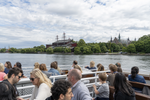
The Sumida River is a good way to experience Tokyo from a different angle. Around Asakusa, the riverfront offers views toward Tokyo Skytree and access to walking paths, bridges, and boat routes.
Tokyo’s official travel guide notes that Asakusa visitors can enjoy riverside views and cruises on Tokyo’s waterways, making it a natural add-on to a visit to Senso-ji.
This is best for travelers who enjoy slower city walks and scenic transitions between neighborhoods. It can also be a pleasant way to end an Asakusa visit before continuing toward Skytree.
Museums, Culture, and Local Interests
20)) Visit the Tokyo National Museum
The Tokyo National Museum in Ueno is one of the best cultural stops for first-time visitors who want context for Japanese art, history, craft, and design. It is a strong choice if you want more than surface-level sightseeing.
Because the museum is large, it is better to choose a few sections rather than trying to see everything. Give yourself enough time to move slowly and take breaks.
This pairs naturally with Ueno Park and nearby neighborhoods, making it easy to build into a half-day plan.
21)) Explore teamLab or a Major Digital Art Museum
Tokyo is known not only for temples and traditional neighborhoods but also for immersive contemporary experiences. A digital art museum can be a memorable addition, especially for travelers who enjoy light, space, technology, and photography.
Because these experiences can change locations, ticketing systems, and entry requirements over time, check current details before planning your visit. Book ahead during busy periods if it is a high priority.
This is best for travelers who want a modern Tokyo experience that feels very different from shrines, gardens, and markets.
22)) Browse Tokyo Station and Character Street
Tokyo Station is more than a transit hub. Its surrounding area includes historic architecture, underground shopping, food halls, ramen areas, souvenir shops, and Character Street, where you can find stores connected to Japanese animation, mascots, and pop culture.
This is a practical stop because many travelers pass through Tokyo Station anyway. It is also useful for last-day shopping, rainy-day browsing, or an easy meal before a train.
Give yourself time here if you enjoy snacks, gifts, stationery, sweets, or character goods.
23)) Visit Odaiba and Tokyo Bay
Odaiba offers a more open, waterfront version of Tokyo. Built on reclaimed land, it has bay views, shopping centers, entertainment complexes, museums, and wide pedestrian spaces.
This area is best if you want a break from dense central neighborhoods. It can be especially enjoyable around sunset or in the evening when the waterfront views feel more spacious.
Odaiba is not essential for every first-time visitor, but it is a good fit for families, photography-focused travelers, and anyone who wants a modern bayfront experience.
Viewpoints, Walks, and First-Trip Planning Experiences
24)) Go to the Tokyo Metropolitan Government Building Viewpoint
The Tokyo Metropolitan Government Building in Shinjuku is a practical viewpoint option, especially if you want city views without committing to a paid observation tower. Tokyo’s official guide describes its observation decks on the 45th floor as offering strong city views, with Mount Fuji sometimes visible during clearer winter conditions.
It is a good first-day or Shinjuku-area stop because it helps you understand the scale of Tokyo. Check current access information before going, as observation policies can change.
This is a strong choice if you are trying to choose between several viewpoints and want one that is convenient and straightforward.
25)) Learn to Use Tokyo’s Trains Early
This may not sound like a sightseeing activity, but it is one of the most useful things you can do as a first-time visitor. Tokyo’s train and subway system is extensive, efficient, and much easier once you get comfortable with basic station navigation.
Tokyo’s official first-time itinerary guidance recommends using a rechargeable IC card such as Suica or Pasmo for easier station entry and exit, and notes that these cards can also be used for small purchases in places like vending machines and convenience stores.
On your first day, choose a simple route between two major neighborhoods and practice reading signs, platform numbers, and exits. The exit matters because large stations can place you several blocks from where you intended to be.
Getting comfortable with trains early will make the rest of your Tokyo trip feel much easier.
How to Prioritize These Tokyo Experiences
For a first visit, choose a mix instead of filling every day with major sights. A balanced Tokyo trip might include:
One traditional area, such as Asakusa
One shrine or garden, such as Meiji Jingu or Shinjuku Gyoen
One food-focused stop, such as Tsukiji Outer Market or a department store food hall
One modern neighborhood, such as Shibuya, Shinjuku, Harajuku, or Akihabara
One viewpoint, such as Tokyo Skytree, Tokyo Tower, or the Tokyo Metropolitan Government Building
One museum or cultural experience, depending on your interests
Tokyo rewards curiosity, but it also rewards restraint. Leave room for wandering, train transfers, meals, convenience-store stops, and unexpected discoveries. You will enjoy the city more if your days have a clear shape without being packed from morning to night.
Download Our Free E-book!