Super Bowl weekend is not stressful only because the game is big. It becomes stressful when travelers treat it like a normal weekend trip.
The most common Super Bowl travel mistakes happen when people underestimate how much the event changes the city around it. Hotels fill early. Rideshares surge. Streets close. Restaurants get crowded. Ticket timing matters. Even simple choices, like where to stay or when to leave for the stadium, can affect the whole weekend.
A smoother Super Bowl trip usually comes from planning around the event first, then building the rest of the weekend around it. The goal is not to control every detail. It is to avoid the avoidable pressure that comes from assuming everything will work the way it does on an ordinary trip.
The Weekend Feels Bigger Than the Game Itself
A Super Bowl trip often starts with the game ticket, but the actual experience includes much more than kickoff. Travelers are dealing with airport crowds, hotel check-ins, security lines, event zones, fan gatherings, transportation delays, restaurant demand, and postgame traffic.
That is why the weekend can feel surprisingly tiring. Even fans who are excited to be there may feel stretched if every meal, ride, and arrival time becomes a decision made under pressure.
The mistake is not being excited. The mistake is letting excitement replace basic logistics.
A Super Bowl weekend works best when you accept that the city is operating in event mode. That means your plans need more space, more patience, and fewer tight connections than usual.
Booking Too Late Can Create Stress Before You Arrive
One of the biggest mistakes is waiting too long to book lodging, flights, or transportation. Super Bowl host cities often see demand rise across several categories at once. Even travelers who are flexible may find that late choices are more expensive, less convenient, or farther away from the event areas they care about.
This matters because lodging location affects almost everything else. A hotel that looks manageable on a map may become inconvenient once road closures, traffic patterns, stadium access routes, and rideshare demand are involved.
The better approach is to think beyond price alone. A slightly more convenient location may reduce stress if it cuts down on long rides, late-night transfers, or complicated postgame travel. On the other hand, staying farther away can still work if you are honest about the extra time and transportation planning it requires.
The key is to avoid pretending that distance will feel the same during Super Bowl weekend as it would on a regular visit.
Assuming Transportation Will Be Easy Is a Common Trap
Many travelers assume they can simply call a rideshare, grab a taxi, or drive near the stadium when they are ready. During a major event weekend, that assumption can quickly become frustrating.
Super Bowl transportation often involves congestion, designated pickup areas, walking distances, security perimeters, road closures, and heavy demand before and after the game. Even if the city has strong transit options, visitors still need to understand where they are going and how long it may realistically take.
The problem is not that transportation is impossible. It is that travelers often plan it too casually.
A calmer plan starts with deciding how you will get to the stadium before game day. It also helps to know where you will go after the game, especially if you are meeting friends, returning to a hotel, or trying to catch a late reservation.
Postgame travel is usually where the stress shows up most. Everyone leaves at once, emotions are high, phone batteries may be low, and waiting areas can be crowded. Giving yourself extra time after the game can make the difference between a memorable night and a chaotic one.
Packing the Weekend Too Tightly Leaves No Room for Delays
Another common mistake is building a schedule that looks good on paper but does not match the reality of a major sports event weekend.
A traveler might plan a late arrival, a dinner reservation, a fan event, a game-day meetup, and an early flight home with very little breathing room between them. That kind of schedule can work during an ordinary trip, but Super Bowl weekend adds friction to almost every movement.
Lines are longer. Venues are busier. Security takes time. Short rides can become slow rides. A quick meal may not be quick.
This does not mean the weekend should be empty. It just means the best Super Bowl trips usually include fewer plans than travelers first imagine. Choosing the experiences that matter most can make the whole weekend feel more enjoyable.
A good question to ask is: “Will this still feel worth it if getting there takes longer than expected?” If the answer is no, it may not belong in the schedule.
Forgetting the Basics Can Make the Day Feel Harder
Because the Super Bowl feels special, people sometimes focus on the big-ticket details and overlook simple comfort planning. That can make the day more tiring than it needs to be.
Common examples include not checking stadium bag policies, wearing uncomfortable shoes, forgetting portable phone charging, underestimating walking distances, skipping meals, or not dressing for changing weather.
These are not glamorous details, but they affect the actual experience. A fan who is hungry, cold, lost, or stuck with a dead phone is going to feel more stressed, no matter how exciting the event is.
The best event-day preparation is usually practical rather than complicated. Know what you can bring. Wear what helps you move comfortably. Eat before you are desperate. Keep your phone usable. Give yourself enough time to enter the stadium without rushing.
Small details matter more when the environment is crowded and the stakes feel high.
Treating Every Official or Unofficial Event as Essential Can Dilute the Trip
Super Bowl weekend often comes with parties, concerts, brand activations, fan festivals, media events, and local attractions. It is easy to feel like you should do as much as possible because the weekend is rare.
That can create another kind of stress: the feeling that you are always missing something.
A more grounded way to approach the weekend is to decide what kind of trip you actually want. Some travelers want the full fan atmosphere. Some mainly care about the game. Some want one memorable dinner, one fan event, and enough downtime to enjoy the city without feeling rushed.
There is no single correct version of a Super Bowl trip.
The mistake is trying to experience every version at once. When everything becomes a must-do, the weekend can start to feel more like a checklist than a celebration.
Waiting Until Game Day to Understand the Stadium Area
Game day is not the best time to first understand the stadium layout, entry gates, nearby transit stops, rideshare zones, or walking routes. Even a little familiarity can reduce stress.
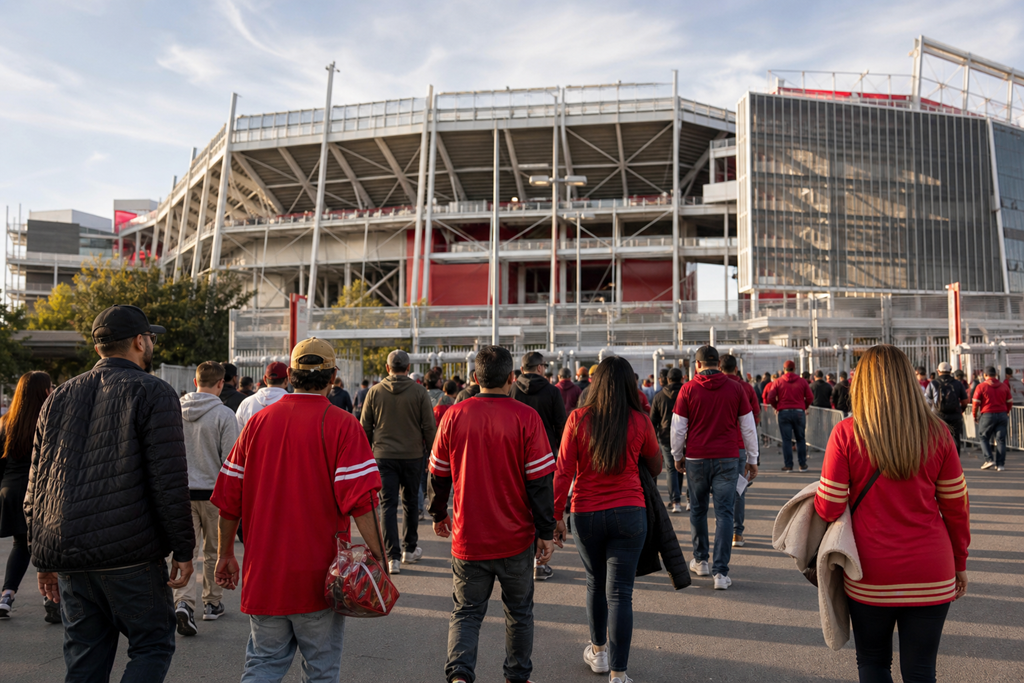
Many fans underestimate how disorienting a stadium area can feel during a major event. There may be barriers, security checkpoints, restricted streets, temporary signage, and large groups of people moving in different directions.
Knowing your gate, arrival route, and general exit plan helps you avoid unnecessary confusion. It also makes it easier to stay calm if something changes.
You do not need to memorize every detail. You just need enough awareness that you are not making every decision for the first time in the middle of a crowd.
Ignoring Recovery Time Can Make the Trip Feel More Draining
Super Bowl weekend can be exciting and exhausting at the same time. Travel, crowds, noise, late nights, long walks, and emotional energy all add up.
A common mistake is planning the return trip as if the game ends cleanly and life immediately goes back to normal. In reality, leaving the stadium, getting back to your hotel, sleeping, packing, checking out, and reaching the airport can all take longer than expected.
An early flight the morning after the game may be cheaper or more convenient on paper, but it can feel rough if the night runs late. For some travelers, building in a slower departure makes the trip feel much more manageable.
Not everyone has that flexibility, of course. But even when your schedule is fixed, it helps to prepare for the reality that the final stretch may feel tiring.
Better Super Bowl Trips Are Planned Around Friction
The most stressful Super Bowl travel mistakes usually come from underestimating friction. Travelers assume short distances will stay short, flexible plans will stay flexible, and last-minute decisions will be easy to solve.
But Super Bowl weekend changes the normal rhythm of a city.
A better mindset is simple: expect more people, more time, more movement, and more small decisions than usual. Then give yourself enough structure to avoid scrambling, but enough flexibility to enjoy the weekend.
That means choosing lodging with transportation in mind, leaving more time than you think you need, simplifying the schedule, preparing for stadium realities, and being honest about how much energy the weekend requires.
Super Bowl travel does not have to feel chaotic. When the biggest pressure points are handled early, the weekend has more room to feel like what it is supposed to be: a memorable sports tourism experience centered around one of the biggest games of the year.
Download Our Free E-book!