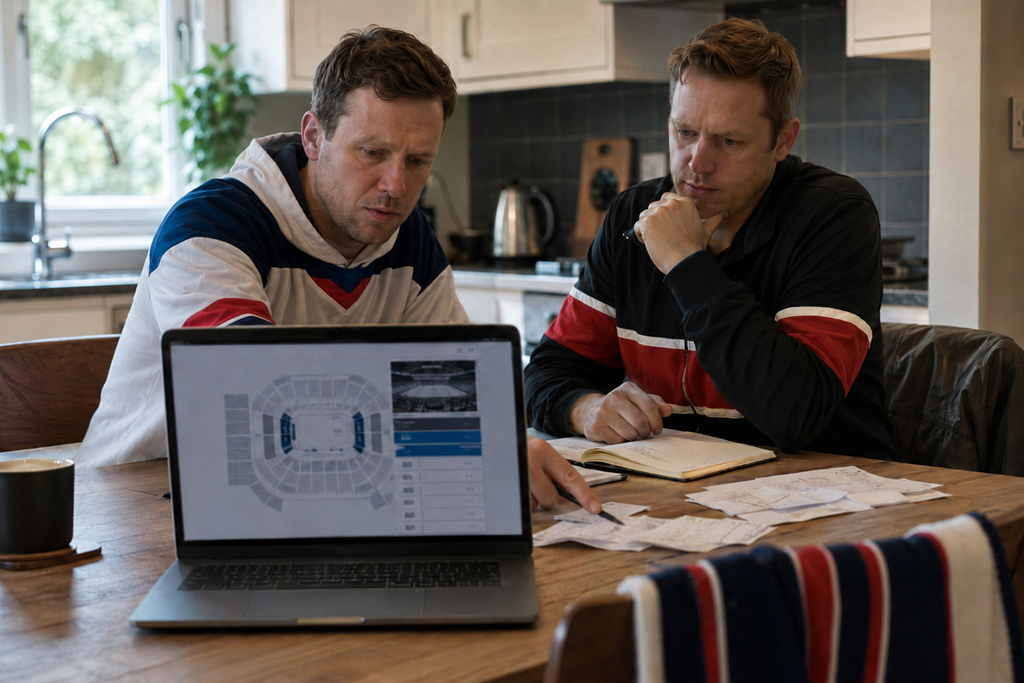
A Stanley Cup Final trip is easier to budget when you treat it as a full travel experience, not just a ticket purchase. The game ticket may be the emotional center of the trip, but the real cost usually comes from the combination of lodging, flights or driving, local transportation, meals, fan events, souvenirs, and the extra flexibility you may need around game timing.
The goal is not to make the trip feel cheap or perfectly predictable. The goal is to give every major cost a place before the excitement of the Final pushes you into rushed decisions.
For many hockey fans, the Stanley Cup Final feels different from a regular-season road trip. It is emotional, rare, and often tied to years of following a team. That makes it easy to justify expenses one at a time without noticing how quickly they connect. A ticket here, a hotel there, a jersey, a last-minute rideshare, a meal near the arena, and suddenly the trip feels bigger than expected.
A calmer budget helps you enjoy the experience without feeling like every decision is happening under pressure.
Start With The Full Trip, Not Just The Game Ticket
The biggest budgeting mistake is starting with the ticket price and treating everything else as secondary.
For a Stanley Cup Final trip, the ticket is only one part of the experience. You are also paying for access to a city during one of its busiest sports moments. Hotels may be more expensive near the arena. Flights may be less flexible. Restaurants and bars around the venue may be crowded. Local transportation may take longer or cost more than expected.
A better starting point is to think in categories:
You need to know how you are getting there, where you are sleeping, how you are getting around, what you will eat, what event-related spending you want to allow, and how much cushion you need for unexpected changes.
This does not require a complicated spreadsheet. It just means the trip should be budgeted as a complete experience before you commit too much money to one piece of it.
The Stanley Cup Final Creates A Different Kind Of Travel Pressure
Budgeting for the Final can feel overwhelming because the trip often develops quickly. Once teams qualify, fans may have limited time to compare options. There may also be emotional pressure because the opportunity feels special.
That is part of what makes this kind of sports tourism unique. You are not simply planning a weekend getaway. You are planning around a high-demand event with limited seats, limited dates, and a strong emotional pull.
This is why it helps to decide what kind of trip you are actually trying to have.
Some fans want the best seat they can reasonably afford. Some would rather sit higher up and spend more on lodging or meals. Some care most about being in the host city, even if they watch one game at a fan event instead of inside the arena. Others want a simple in-and-out trip with minimal extras.
None of those choices is wrong. The problem comes from not choosing at all, then letting every decision compete for the same pool of money.
Give The Ticket A Limit Before You Start Browsing
Stanley Cup Final tickets can trigger emotional spending because the event feels once-in-a-lifetime, especially if your team has not been there often. That does not mean you should avoid going. It does mean you need a ticket ceiling before you start comparing seats.
A ticket ceiling is the maximum amount you are comfortable spending after remembering that the trip still needs lodging, transportation, food, and breathing room.
This number should not be based only on what you technically can pay. It should be based on what lets you attend without feeling tense the entire time.
A seat that stretches your budget too far can change the way the whole trip feels. You may find yourself skipping meals you wanted, avoiding transportation that would make the day easier, or feeling guilty about small purchases. A slightly less expensive seat can sometimes create a better overall experience because it protects the rest of the trip.
Separate “Must-Have” Costs From “Nice-To-Have” Spending
A Stanley Cup Final trip becomes easier to manage when you separate required costs from flexible ones.
The required costs are the things that make the trip possible: game access, transportation to the city, lodging, basic meals, and local transportation. These should be estimated first.
The flexible costs are the things that make the trip more memorable but are not essential: upgraded seats, extra nights, team merchandise, higher-end meals, pregame experiences, sightseeing, or bar tabs around the arena.
This separation helps because it keeps the trip from becoming one giant emotional expense. You can still enjoy extras, but you are choosing them knowingly instead of letting them sneak into the budget.
For example, a fan might decide that attending the game and staying within walking distance of the arena matters more than buying new gear. Another fan may choose a lower-cost hotel farther away so they can spend more on a better seat. A third may skip the arena ticket altogether for one game and spend money on travel, atmosphere, and a watch party experience.
The point is not to remove fun. The point is to decide which version of fun matters most.
Lodging Can Quietly Become The Budget Breaker
Hotel costs are easy to underestimate during a major championship event. Fans often focus on tickets first, then discover that convenient lodging has become expensive or limited.
For a Stanley Cup Final trip, lodging deserves early attention because it affects both money and stress. Staying close to the arena may cost more, but it can reduce transportation headaches on game day. Staying farther away may save money, but it can add time, rideshare costs, parking issues, or late-night travel concerns.
The best choice depends on your comfort level and trip style.
If you are traveling with family, walking distance or easy transit may be worth paying for. If you are traveling solo or with flexible friends, staying farther away may be reasonable. If you are driving, parking costs and postgame traffic should be part of the lodging decision, not an afterthought.
A cheaper hotel is not always cheaper if it creates extra transportation costs or makes the event day harder to enjoy.
Build A Game-Day Cushion So Small Costs Do Not Feel Stressful
Game day usually includes more spending than people expect.
You may buy food earlier than planned because restaurants are crowded. You may pay more for transportation because demand is high. You may want a souvenir once you are surrounded by fans. You may need water, snacks, parking, or an extra layer of clothing. You may stay out longer after the game than expected.
These costs are not necessarily mistakes. They are part of the experience.
The mistake is pretending they will not happen.
A simple game-day cushion gives you room to participate in the moment without feeling like every purchase is a budget failure. It also helps reduce the emotional swing between excitement and anxiety.
This is especially useful for championship travel because the atmosphere is part of what you came for. You do not need to spend freely, but you also do not want the entire day to feel financially rigid.
Do Not Let The Final Turn Into A Trip You Cannot Enjoy
One of the hardest parts of budgeting for a Stanley Cup Final trip is admitting that not every version of the trip is worth it.
There may be a version that is technically possible but emotionally uncomfortable. Maybe it requires taking on debt, skipping important bills, using money meant for something else, or traveling with no cushion. That kind of trip can create stress before, during, and after the event.
A better question is: “What version of this trip would I still feel good about after I get home?”
That question can make the decision more grounded.
Maybe the answer is one game instead of two. Maybe it is a shorter stay. Maybe it is driving instead of flying. Maybe it is attending only if the game is within a certain distance. Maybe it is watching in the host city atmosphere without paying arena prices. Maybe it is waiting for a future opportunity.
A Stanley Cup Final trip should feel meaningful, not financially punishing.
Watch For The Costs That Feel Small In The Moment
The overwhelming feeling often comes from small decisions stacking together.
A few common patterns can make the budget harder to control:
Buying tickets before checking hotel prices. Adding an extra night without estimating meals and transportation. Choosing a hotel far away without considering game-day rideshare demand. Assuming you will “keep food cheap” in a crowded event district. Buying merchandise emotionally because the moment feels historic. Forgetting taxes, fees, parking, baggage, or transit costs.
None of these choices are unusual. They happen because championship travel is exciting and compressed.
The solution is not to plan every minute. It is to pause before the biggest commitments and ask what each decision does to the rest of the trip.
A Better Budget Makes The Trip Feel More Like A Memory Than A Problem
A good Stanley Cup Final budget does not remove the emotion from the trip. It protects it.
When the major costs are named ahead of time, you can arrive with fewer surprises. When you know your ticket limit, you can browse with more confidence. When lodging and transportation are included early, you are less likely to feel trapped by hidden costs. When you leave room for game-day spending, you can enjoy the atmosphere without feeling careless.
The clearest approach is simple: decide what the trip must include, decide what would be nice if the budget allows, and protect a cushion for the realities of championship event travel.
That kind of budget will not make every option affordable. But it can help you choose the version of the trip that feels exciting, realistic, and easier to enjoy once you are there.
Download Our Free E-book!