Planning a trip to the NHL Winter Classic is different from planning a normal hockey road trip. The game is outdoors, the crowd is larger than a regular arena crowd, the weather can shape the entire day, and the event often feels more like a full sports travel experience than a single hockey game.
The best way to plan a Winter Classic trip is to treat the game as an outdoor event first and a hockey game second. That means building your day around warmth, walking time, crowd flow, transportation, and patience. The hockey is the reason for the trip, but the cold weather and game-day logistics are what usually determine how comfortable the experience feels.
The Winter Classic Is A Hockey Game With Stadium-Level Travel Logistics
A regular NHL game usually gives you a controlled indoor environment. You arrive at an arena, pass through security, find your seat, and settle into a predictable temperature. The Winter Classic changes that rhythm.
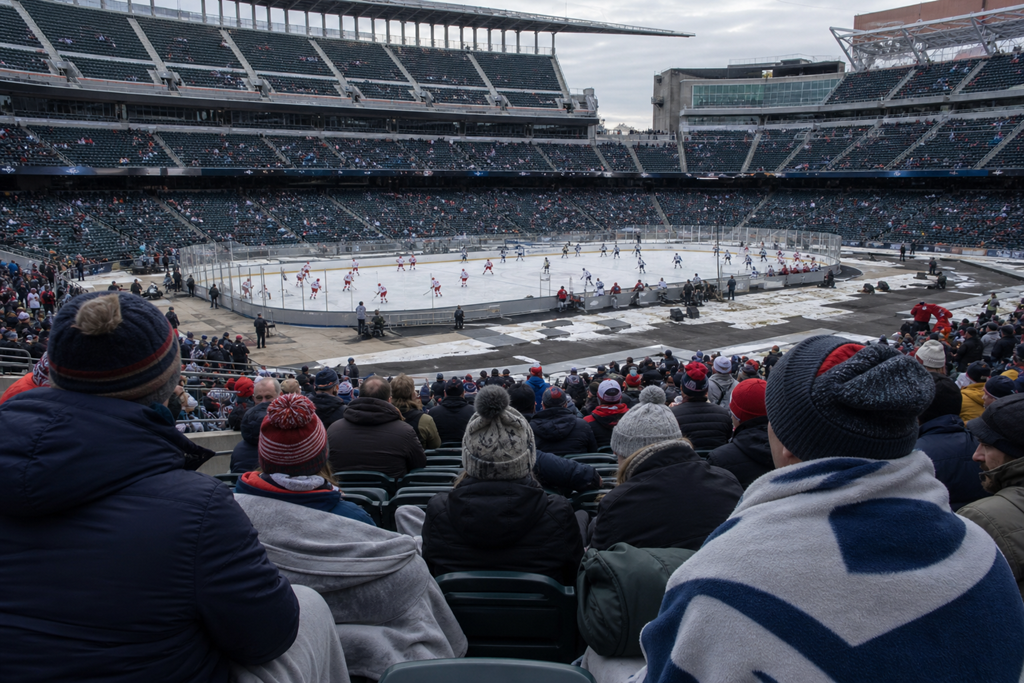
Because the game is played outdoors, often in a large football or baseball stadium, the experience feels closer to attending a major outdoor sporting event. There may be longer walks from transit stops or parking lots, larger security lines, more spread-out seating, and more time spent exposed to winter weather before the puck even drops.
That is what makes this kind of sports tourism trip easy to underestimate. Many fans plan around the ticket and hotel, but not enough around the hours before and after the game. The result can be a trip that technically works, but feels colder, slower, and more tiring than expected.
Cold Weather Planning Starts Before You Pack
For a Winter Classic trip, cold weather planning is not just about bringing a heavy coat. It is about staying comfortable while standing, walking, waiting, sitting, and slowly leaving with a large crowd.
The cold can feel manageable while you are moving, but very different once you are sitting in your seat for several hours. Stadium seating can also feel colder than street-level walking because you may be more exposed to wind. Even if the forecast looks tolerable, the combination of shade, wind, metal seating, and limited movement can make the day feel much colder.
A smart packing approach includes layered clothing rather than one bulky solution. A warm base layer, insulating middle layer, weather-resistant outer layer, winter hat, gloves, wool socks, and comfortable shoes usually matter more than trying to dress stylishly for photos. Hand warmers, a scarf or neck gaiter, and a small clear-bag-compliant pouch for cold-weather extras can also make the day easier.
The goal is not to prepare for extreme adventure. It is simply to avoid spending the game distracted by discomfort.
The Biggest Mistake Is Planning Like It’s A Normal Arena Game
One of the most common Winter Classic planning mistakes is assuming the day will move like a typical NHL game day.
At a regular arena, you may be able to arrive close to puck drop, grab food quickly, and leave within a reasonable amount of time. At the Winter Classic, that same approach can create stress. Bigger venues, unfamiliar layouts, holiday-season travel, outdoor entry lines, and concentrated crowd movement all add friction.
It helps to think in wider time blocks. Give yourself more time to get to the stadium. Expect entry to take longer. Assume concessions and restrooms may have lines. Plan for a slower exit. If you are meeting other people, choose a clear meeting spot before the crowd gets dense.
This does not mean the day has to be complicated. It means your schedule should have more breathing room than you would normally give an indoor hockey game.
Where You Stay Can Shape The Entire Trip
For a Winter Classic trip, lodging is not just about price or hotel quality. Location can affect how tired, cold, and rushed you feel on game day.
A cheaper hotel farther away may seem sensible until you factor in winter transportation, rideshare demand, postgame traffic, and the challenge of moving with thousands of other fans at the same time. A hotel within walking distance or near reliable public transportation may cost more, but it can make the day feel calmer.
That does not mean everyone needs to stay beside the stadium. The better question is: “How easy will it be to get back when everyone else is leaving too?”
If the answer depends on getting a quick rideshare immediately after the game, that plan may be weaker than it looks. Rideshare prices, pickup zones, road closures, and crowd movement can all make the postgame period more frustrating. A slightly longer walk to transit, a planned meal after the game, or a hotel near a direct route can reduce that pressure.
Game-Day Crowds Are Part Of The Experience, Not A Problem To Eliminate
The Winter Classic is supposed to feel big. The crowd, the outdoor setting, the jerseys, the family groups, the traveling fans, and the pregame energy are all part of why people go.
The issue is not that crowds exist. The issue is expecting them to behave like a smaller indoor crowd.
Large outdoor events move more slowly. People stop for photos. Lines form in odd places. Families and groups get separated. Fans unfamiliar with the venue pause to check signs. Security and bag rules can create bottlenecks. None of this means the event is poorly organized. It is simply the reality of a major spectator travel experience.
The calmer mindset is to expect slower movement and build around it. Arrive earlier than feels necessary. Eat before you are starving. Use the restroom before lines become urgent. Take photos before the densest crowd periods. Keep your group’s plan simple.
A Winter Classic trip becomes easier when you stop treating crowd time as wasted time and start treating it as part of the day’s rhythm.
Tickets Matter, But Seat Comfort Matters Too
When choosing Winter Classic tickets, many fans focus on view, price, and team loyalty. Those matter, but comfort should also be part of the decision.
Outdoor stadium sightlines can be different from arena sightlines. Some seats may be farther from the ice than fans expect, especially in venues not originally designed for hockey. Lower is not always automatically better if the view is obstructed or the angle is awkward. Higher seats may offer a better full-rink perspective, but they may also feel more exposed to wind.
It helps to check seating maps carefully, look for venue-specific hockey layout information, and read recent fan experiences when available. If you are traveling with children, older relatives, or anyone sensitive to cold, the best seat may not be the most dramatic seat. It may be the seat that balances view, access, restroom proximity, and weather exposure.
For a trip like this, the “best” ticket is the one that supports the experience you actually want to have.
Food, Warmth, And Breaks Deserve A Real Plan
Winter Classic trips can become uncomfortable when fans assume they will solve everything inside the stadium.
Concessions may be available, but lines can be long and options may be limited by crowd volume. Warm indoor space may not be as accessible as it would be in a standard arena. Even when there are concourses, they may be crowded with other fans trying to warm up at the same time.
Eating a real meal before heading to the stadium can make the day easier. So can carrying approved small items that fit the venue’s rules, dressing warmly enough that you are not dependent on indoor breaks, and knowing where restrooms and covered areas are once you arrive.
The point is not to over-plan every minute. It is to avoid relying on the busiest parts of the venue to fix problems that could have been handled earlier.
Build The Trip Around The Whole Day, Not Just Puck Drop
The Winter Classic often sits inside a larger travel window. Fans may arrive the day before, explore the host city, attend related events, meet friends, or make the game part of a holiday-season trip.
That can be wonderful, but it also creates a planning trap. If you pack the schedule too tightly, game day may feel like one more obligation instead of the center of the trip.
A better approach is to keep the game day relatively simple. Avoid scheduling too many activities before the game. Leave time to get dressed properly, travel slowly, find your entrance, and absorb the atmosphere. After the game, avoid assuming you will immediately move on to another reservation across town unless you have allowed for slow exits and transportation delays.
The Winter Classic is more enjoyable when the day has room to breathe.
A Realistic Plan Helps You Enjoy The Event More Fully
The NHL Winter Classic is memorable because it is not ordinary. The outdoor setting, winter air, large crowd, and unusual venue are all part of the appeal. But those same qualities can make the trip feel harder if you only plan around the hockey.
A good Winter Classic trip plan does not need to be complicated. It needs to be realistic. Dress for sitting in the cold, not just walking through it. Give yourself more time than a normal arena game. Choose lodging and transportation with the postgame crowd in mind. Treat lines and slow movement as part of the event, not as surprises. Keep the day centered on the game instead of crowding it with too many extras.
When you plan this way, the cold and crowds become manageable parts of the experience rather than the things that define it. You can focus more on the setting, the fans, the teams, and the rare feeling of watching NHL hockey outdoors.
Download Our Free E-book!