A UEFA Euro trip works best when the football is treated as the anchor of the trip, not something squeezed into an already crowded vacation. The safest way to plan it is to build your schedule around match days, recovery time, transportation realities, and a few meaningful non-football experiences instead of trying to see everything.
That can feel counterintuitive. A major tournament creates the sense that you should make the most of every hour: another city, another attraction, another fan zone, another late night, another early train. But the more tightly packed the itinerary becomes, the less enjoyable the actual football experience can feel.
A good UEFA Euro trip is not about doing the maximum. It is about protecting the moments you came for.
The Match Day Takes More Energy Than It Looks Like
On paper, attending a match may look simple. You arrive in the host city, go to the stadium, watch the game, and head back to your hotel.
In real life, a major tournament match can take over most of the day.
You may be navigating unfamiliar transport, crowded stations, security lines, stadium entry timing, pre-match atmosphere, post-match crowds, late meals, and a slow return to your accommodation. Even if everything goes smoothly, the day is full of movement, noise, waiting, walking, and decisions.
That does not mean match day is stressful. It can be one of the best parts of the trip. But it deserves space.
When travelers underestimate the energy of a tournament match, they often plan a full sightseeing day before kickoff or an early departure the next morning. That is when the trip starts to feel rushed instead of memorable.
Let Football Be the Center, Not the Interruption
The main planning mistake is treating the match as a two-hour appointment inside a normal travel itinerary. A UEFA Euro match is more than the game itself. It includes the build-up, the city atmosphere, the travel to the venue, the fans, the walk to the stadium, and the decompression afterward.
A calmer way to plan is to make each match day the central event.
That might mean keeping the morning slow, staying close to your accommodation, choosing one light activity, and giving yourself a generous window to reach the stadium. It may also mean avoiding important museum bookings, long restaurant reservations, or cross-city plans on the same day.
This does not make the trip less exciting. It usually makes it better. You are less likely to arrive at the stadium tired, irritated, hungry, or worried about timing.
Fewer Cities Usually Means a Better Tournament Trip
A UEFA Euro trip can tempt travelers into city-hopping. The tournament may be spread across multiple host cities, and it can feel appealing to follow matches across the country or combine the event with a larger European vacation.
That can work, but only if the pace is realistic.
Every city change has hidden costs: packing, checking out, getting to the station or airport, waiting, delays, finding the next hotel, adjusting to a new transport system, and figuring out where to eat. These transitions take time even when distances look short on a map.
For many travelers, staying longer in fewer places creates a better experience. It gives you more room to enjoy the city, handle delays, rest between match days, and avoid feeling like the trip is being controlled by luggage and train times.
A useful rule is this: if you are attending multiple matches, do not only count match dates. Count movement days too. A travel day between cities is not the same as a rest day.
Build in White Space Around the Big Moments
White space is the unscheduled room in your itinerary. It is the difference between a trip that feels full and a trip that feels overloaded.
For a UEFA Euro trip, white space matters because tournament travel has variables you cannot fully control. Crowds may slow you down. Public transport may be busier than expected. Meals may take longer. You may want to linger in a fan area. You may need a quiet morning after a late match.
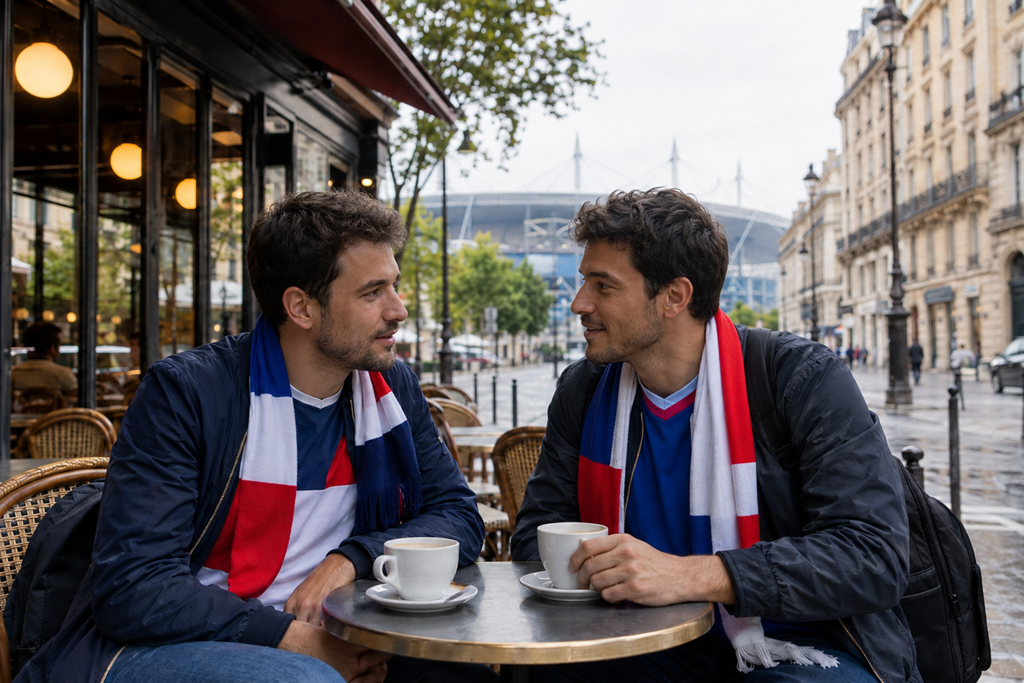
White space also lets you enjoy unexpected good moments. A relaxed café near your hotel, a walk through a neighborhood, a conversation with other supporters, or a calm afternoon before kickoff can become part of the memory.
When every hour is assigned a task, there is no room for the trip to breathe.
Be Careful With Early Departures After Night Matches
One of the easiest ways to overload a UEFA Euro trip is to book early travel the morning after a match.
This can look efficient when planning from home. You watch the game, sleep, and move on to the next city. But night matches often end late, and the return from the stadium may take longer than expected. Add crowds, post-match food, walking, and winding down, and sleep can become shorter than planned.
The next morning can feel rough, especially if you need to pack, check out, reach a train station or airport, and manage another full day of sightseeing.
A later departure, an extra night, or a slower next morning can make the whole trip feel more human. It may cost a little more, but it can protect the experience you already invested in.
Choose Side Activities That Match the Energy of the Trip
A UEFA Euro trip does not need to be only about football. The mistake is choosing side activities that compete with the football instead of supporting the overall experience.
On match days, lighter activities usually work best: a slow breakfast, a short walk, a nearby landmark, a casual lunch, or time in a public square. On non-match days, you can plan something more substantial, like a museum, a day trip, or a longer neighborhood visit.
The key is matching activity intensity to the day.
A stadium day already has plenty of stimulation. A travel day already has plenty of logistics. A recovery day should not be treated like wasted time. It may be the reason the rest of the trip stays enjoyable.
The Fan Atmosphere Is Part of the Experience
Some travelers overload their schedule because they think the “real” experience is only inside the stadium. But tournament atmosphere often starts much earlier and extends beyond the final whistle.
Host cities can feel different during a major football event. Streets, restaurants, transport hubs, plazas, and fan areas may all become part of the experience. Rushing past all of that to fit in more sightseeing can make the trip feel less connected to the tournament itself.
Leaving time to simply be in the city on match day helps the trip feel more grounded. You notice the shirts, chants, families, flags, nervous energy, and shared anticipation. That is sports tourism, too.
Do Not Plan Every Meal Like a Reservation
Food planning matters, but over-planning meals can add pressure. Around match days, restaurant timing can be unpredictable. Crowds, transport, and stadium entry windows may affect when and where you actually want to eat.
It helps to know a few options near your hotel, near major transport routes, and near the area where you expect to spend time before the match. But locking every meal into a tight reservation schedule can create unnecessary stress.
For tournament travel, flexibility often beats perfection. A simple, well-timed meal is better than rushing across town for a “must-visit” restaurant when you are already tired.
A Good Schedule Protects the Memory
The point of planning carefully is not to make the trip rigid. It is to protect the reason you are going.
A UEFA Euro trip can be expensive, exciting, emotional, and logistically complex. When the schedule is overloaded, the most meaningful parts can get buried under movement, fatigue, and constant decision-making.
A better plan gives the football room to matter.
That may mean fewer cities, fewer attractions, slower mornings, later departures, and more open time than you would usually allow on vacation. It may feel like you are doing less, but you are often experiencing more of what you came for.
The best UEFA Euro itinerary is not the one that proves how much you squeezed in. It is the one that lets you arrive at the match clear-headed, enjoy the atmosphere fully, and remember the trip without feeling like you had to race through it.
Download Our Free E-book!