Helsinki is a compact, easygoing capital that works especially well for a short first visit. In two days, you can see the city’s historic center, waterfront, design districts, major cultural sights, and one of its most memorable island experiences without rushing from place to place.
This 2-day Helsinki itinerary is built around realistic pacing, walkable areas, and classic experiences that are likely to remain useful for future trips. You’ll explore Senate Square, Helsinki Cathedral, Market Square, Suomenlinna, Temppeliaukio Church, the Design District, Töölö, and a few everyday city experiences that help Helsinki feel more personal and less like a checklist. This article follows the itinerary-focused travel brief you provided for LifeStylenaire.com.
Helsinki’s public transportation system makes short visits easier, and the Suomenlinna ferry is part of the HSL public transport network, running from Market Square to the fortress island year-round. The ride takes about 15 minutes, making it a practical half-day addition even on a two-day trip.
How To Use This 2-Day Helsinki Itinerary
This itinerary assumes you have two full days in Helsinki and want a balanced first visit: historic landmarks, local neighborhoods, design, food, waterfront views, and one major island excursion.
You can follow the days in order, but they also work well if switched. If the weather looks clearer on one day, use that day for Suomenlinna and the waterfront. If the weather is colder, rainy, or windy, move more museum, church, café, and design stops into that day.
Helsinki is very walkable in the center, but trams, buses, metro lines, and ferries are useful when you want to save energy. HSL operates the region’s public transport, and its website and app are the best places to check current routes, tickets, and schedules before you go.
Day 1: Historic Helsinki, The Waterfront, And Suomenlinna
Your first day focuses on the most classic Helsinki sights: the historic center, harbor area, Market Square, and Suomenlinna. This gives you an immediate sense of the city’s layout, architecture, sea connection, and everyday rhythm.
Morning: Start At Senate Square And Helsinki Cathedral
Begin at Senate Square, one of the best places to understand Helsinki’s neoclassical side. The square is open, spacious, and easy to take in slowly. Around it, you’ll see some of the city’s most recognizable architecture, with Helsinki Cathedral rising above the steps.
Helsinki Cathedral is often the landmark people picture first when they think of the city. Even if you only spend a short time here, it is worth walking around the square, looking at the buildings from different angles, and taking in the contrast between the pale cathedral, broad steps, and open sky.
From here, you can walk toward the waterfront at a comfortable pace. The distance is short, and the route helps you connect the historic center with the harbor.
Late Morning: Walk To Market Square And The Old Market Hall Area
Next, head toward Market Square, Helsinki’s classic waterfront gathering point. This is a useful place to orient yourself because it connects the city center, harbor, ferry departures, and nearby historic streets.
Depending on the season and time of day, you may find market stalls, food vendors, local produce, crafts, or simple waterfront activity. Avoid building your plans around any one specific stall or vendor, since market activity can vary. Instead, treat this as a place to pause, look around, and get a feel for Helsinki’s relationship with the sea.
Nearby, the Old Market Hall area can be a good stop for food or coffee. It is especially useful if you want a simple lunch before taking the ferry to Suomenlinna. Look for Finnish staples such as salmon soup, rye bread, pastries, coffee, or casual seafood dishes.
Midday And Afternoon: Take The Ferry To Suomenlinna
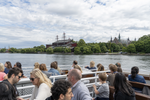
From Market Square, take the ferry to Suomenlinna, the sea fortress spread across several islands just outside the city center. The ferry is part of Helsinki’s public transport system, and the crossing is short enough to fit naturally into a first-time itinerary.
Suomenlinna is one of Helsinki’s most rewarding experiences because it combines history, coastal scenery, walking paths, old fortifications, and quiet residential corners. It does not feel like a single attraction you “finish.” It is better experienced as a place to wander.
Once you arrive, give yourself time to walk through the main paths, pass old stone walls and grassy areas, look out over the water, and explore at a relaxed pace. Some visitors focus on the fortress history, while others enjoy the sea views and open-air atmosphere. Both approaches work.
Check current ferry schedules before you go, especially if you are visiting in colder months or later in the day. The ferry operates year-round, but timing and frequency can vary by season and time.
Late Afternoon: Return To The Harbor And Visit Uspenski Cathedral
After returning from Suomenlinna, walk toward Uspenski Cathedral, located near the harbor. Its red-brick exterior, elevated position, and Eastern Orthodox design give it a very different feeling from Helsinki Cathedral.
Even if you do not spend long here, it is worth seeing both cathedrals on your first day because they show two distinct sides of Helsinki’s cultural and architectural history. The area around Uspenski also gives you good views back toward the harbor and nearby waterfront.
Evening: Dinner Near The Center Or Waterfront
For your first evening, keep dinner simple and central. Choose a restaurant near the city center, Esplanadi, the harbor, or your hotel area so you do not spend the evening commuting.
Good first-night food options include Finnish comfort dishes, Nordic-style seasonal cooking, seafood, rye bread, mushrooms, berries, root vegetables, or a casual café-style meal if you prefer something lighter. Helsinki has both traditional and modern food experiences, so you do not need to chase a famous restaurant to have a satisfying meal.
After dinner, take a short walk along Esplanadi or nearby central streets if you still have energy. This gives you a gentle finish to the day without adding another major attraction.
Day 2: Design, Rock Church, Töölö, And Everyday Helsinki
Your second day shifts from the historic waterfront to Helsinki’s design culture, neighborhoods, architecture, parks, and local daily life. It is still very manageable, but it gives the trip more depth.
Morning: Explore The Design District
Start in Helsinki’s Design District, a walkable area known for design shops, galleries, cafés, studios, and small streets that show the city’s creative side. MyHelsinki highlights the Design District as one of the city’s key neighborhoods for visitors to explore.
You do not need a strict route here. The best way to experience the area is to walk slowly, stop into shops that interest you, and notice details: ceramics, textiles, home goods, fashion, glassware, books, and understated Nordic design.
This is also a good morning for coffee. Helsinki has a strong café culture, and a simple coffee-and-pastry stop can feel just as memorable as a formal attraction.
If you enjoy museums, consider adding the Design Museum or another nearby cultural stop, depending on your interests and current opening hours. Check details before you go, since museum schedules and exhibitions can change.
Late Morning: Visit Temppeliaukio Church
Next, make your way to Temppeliaukio Church, often called the Rock Church. Built directly into natural rock, it is one of Helsinki’s most distinctive architectural sights.
The appeal here is not only religious or historical. It is also spatial and atmospheric: rough stone walls, natural textures, and a design that feels very different from a traditional European church. It is a strong stop for travelers interested in architecture, design, photography, or quiet indoor spaces.
Because visiting conditions can vary due to services, concerts, or visitor policies, check current opening information before you go.
Midday: Lunch In Töölö Or Near The City Center
After Temppeliaukio Church, stay in or near Töölö for lunch. Töölö sits just west of the city center and is known for a mix of cultural venues, leafy streets, cafés, restaurants, and everyday Helsinki life. MyHelsinki describes it as a neighborhood where culture, cafés, and local life come together close to the center.
This is a good area for a slower midday break. Look for a simple lunch spot, bakery, or café rather than trying to squeeze in another major sight immediately.
Afternoon: Walk Around Töölönlahti And Visit Oodi
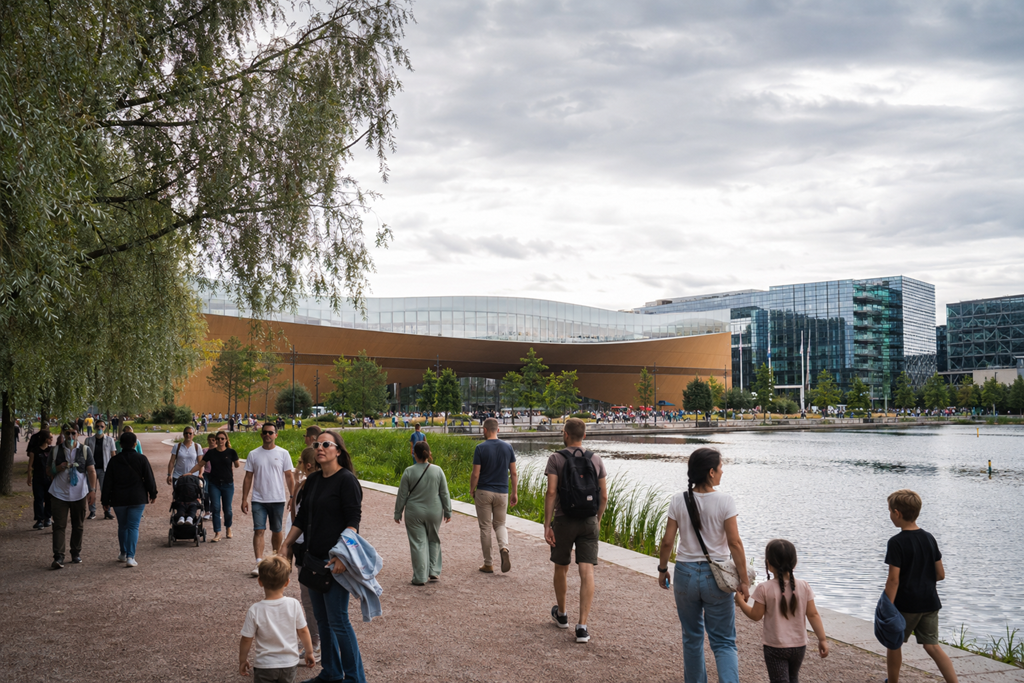
In the afternoon, walk toward Töölönlahti, the bay and green area near central Helsinki. This part of the city is useful on a short trip because it combines open space, water, paths, and major cultural buildings without requiring a long transfer.
From there, continue toward Oodi Central Library, one of Helsinki’s most inviting modern public spaces. Even if you are not usually interested in libraries as travel stops, Oodi is worth considering because it reflects Helsinki’s design values, public life, and everyday accessibility.
Inside, you can browse, pause, warm up in colder weather, or simply appreciate the architecture and the way locals use the space. It is a good example of a city attraction that does not need to be rushed.
Late Afternoon: Choose A Museum Or Neighborhood Walk
For the last part of the afternoon, choose one direction based on your interests.
If you want art, consider Ateneum Art Museum or another major museum near the center. If you prefer architecture and neighborhoods, continue walking through central Helsinki, Töölö, or back toward the Design District.
If you want a more local-feeling area, you could also explore Kallio, a neighborhood northeast of the center. MyHelsinki describes Kallio as an authentic and energetic part of the city, and it is easy to reach from central Helsinki by public transport.
For a two-day first visit, do not try to do every museum and neighborhood. Choose one that fits your travel style, then leave space to enjoy it properly.
Evening: End With A Sauna, Waterfront Walk, Or Simple Finnish Dinner
For your final evening, choose a classic Helsinki ending:
A sauna experience is a meaningful option if you want to connect with Finnish culture. Check current booking requirements, mixed-gender policies, swim access, and what to bring before you go.
A waterfront walk is a good low-effort choice if the weather is pleasant. Helsinki’s sea-facing character is one of its defining features, and returning to the water at the end of the trip helps the city feel more complete.
A simple Finnish dinner is ideal if you prefer a slower evening. Look for seasonal ingredients, fish, root vegetables, rye, berries, mushrooms, or modern Nordic dishes. Keep the focus on a comfortable final meal rather than trying to find the most talked-about restaurant.
Where To Stay For A First Helsinki Trip
For a first visit, staying near the city center, Kamppi, Kluuvi, Punavuori, Töölö, or the Design District can make the trip easier. These areas keep you close to major sights, public transport, cafés, restaurants, shops, and walkable streets.
If you want maximum convenience, choose a central hotel near the railway station, Esplanadi, or Kamppi. If you prefer a slightly more neighborhood-based stay, look at Punavuori, Töölö, or the Design District.
For only two days, avoid staying too far from the center unless you already know the transport connection is simple. Saving 15 or 20 minutes each way can make the itinerary feel much smoother.
Getting Around Helsinki
Helsinki is one of the easier European capitals to navigate on a short trip. Many central sights are walkable, and public transport fills in the gaps.
Use walking for short distances between Senate Square, the harbor, Esplanadi, central streets, cafés, and nearby museums. Use trams, metro, buses, or local trains when crossing between neighborhoods or saving energy. Use the ferry for Suomenlinna.
HSL is the main public transport authority for the Helsinki region, and its journey planner, ticket information, and app are the best places to confirm routes and current details.
Best Time To Visit Helsinki For This Itinerary
This itinerary can work year-round, but the feel of the trip changes by season.
Late spring through early autumn usually offers the easiest walking weather, longer daylight, and a more open waterfront feel. Summer is especially pleasant for Suomenlinna, outdoor cafés, parks, and harbor walks.
Autumn can be atmospheric, with cooler temperatures and fewer crowds. Winter brings shorter days and colder weather, but Helsinki’s indoor design, museum, café, sauna, and library experiences still work well.
In colder or wetter months, build in more indoor stops, dress for wind near the waterfront, and check ferry and attraction details before heading out.
Practical Tips For A Smooth 2-Day Helsinki Visit
Keep your itinerary flexible around weather. Suomenlinna and waterfront walks are more enjoyable in clear conditions, while museums, churches, cafés, Oodi, and design shops work well in less ideal weather.
Wear comfortable shoes. Helsinki is not overwhelming in size, but this itinerary includes a lot of walking on streets, waterfront paths, squares, and island terrain.
Do not overpack the schedule. Helsinki rewards noticing small details: quiet courtyards, clean design, sea views, coffee breaks, and everyday public spaces.
Check current opening hours before visiting churches, museums, saunas, and market halls. These details can change by day, season, holiday, or special event.
Book ahead for any sauna, popular restaurant, or timed-entry attraction that matters to you, especially during busier travel periods.
A Simple 2-Day Helsinki Itinerary Recap
Day 1
Start at Senate Square and Helsinki Cathedral. Walk to Market Square and the waterfront. Have lunch near the harbor or Old Market Hall area. Take the ferry to Suomenlinna and spend the afternoon exploring the sea fortress. Return to the city, visit Uspenski Cathedral, then have dinner near the center or waterfront.
Day 2
Begin in the Design District with shops, cafés, and creative streets. Visit Temppeliaukio Church. Have lunch in Töölö or nearby. Walk around Töölönlahti and visit Oodi Central Library. Choose a museum, Kallio walk, or more neighborhood exploring in the afternoon. End with a sauna, waterfront walk, or relaxed Finnish dinner.
Final Thoughts On Spending 2 Days In Helsinki
Two days in Helsinki is enough time to experience the city’s essentials without turning the trip into a race. The key is to combine the historic center and Suomenlinna with a second day focused on design, architecture, neighborhoods, and everyday public spaces.
Helsinki may not overwhelm you with constant spectacle, and that is part of its appeal. Its best moments often come from a quiet ferry ride, a well-designed library, a simple café break, a walk along the water, or the contrast between old stone, modern design, and open sky.
For first-time visitors, this itinerary gives you a clear and balanced introduction while leaving enough room to enjoy the city at a human pace.
Download Our Free E-book!