Auckland is one of the easiest New Zealand cities to enjoy on a first visit because it gives you a little of everything: waterfront walks, volcanic viewpoints, Māori and Pacific cultural history, island escapes, neighborhood dining, and relaxed city exploring.
This 3-day Auckland itinerary is designed for travelers who want a clear plan without packing every hour too tightly. It focuses on classic sights, logical geography, and experiences that are likely to remain worthwhile over time. You can follow it closely or use it as a flexible framework depending on your pace, weather, and interests.
Auckland is spread out, but the central city, waterfront, ferries, and several major attractions are manageable with a mix of walking, public transport, rideshare, and occasional taxis. For public transport, Auckland Transport recommends an AT HOP card for buses, trains, and ferries around the city.
Before You Start: How To Think About 3 Days In Auckland
With three days, the goal is not to see every corner of the region. Auckland rewards a balanced trip: one day for the central city and waterfront, one day for culture and scenic views, and one day for either an island escape or a slower neighborhood-based day.
For most first-time visitors, staying near the city center, Britomart, Viaduct Harbour, Wynyard Quarter, or Ponsonby makes the itinerary easier. These areas keep you close to restaurants, ferries, shopping streets, and transport links.
Check current opening hours before you go, especially for museums, galleries, ferry schedules, and any attractions that use timed entry.
Day 1: Central Auckland, The Waterfront, And Sky Tower
Start your first day by getting oriented in the heart of the city. This day is intentionally walkable, giving you a feel for Auckland’s harbor setting, downtown streets, and skyline.
Morning: Walk Through Britomart And The Auckland Waterfront
Begin around Britomart, one of Auckland’s most useful central areas for visitors. It has train access, ferry connections nearby, cafés, restaurants, and a mix of restored heritage buildings and modern city design.
From there, walk toward the waterfront. The route around the Ferry Building, Viaduct Harbour, and Wynyard Quarter is one of the best introductions to Auckland. You will see the city’s maritime side, with boats, restaurants, public seating areas, and harbor views.
Keep this morning unhurried. Stop for coffee, take photos along the water, and let yourself adjust to the city’s layout. If you arrived after a long flight, this is a gentle way to begin without committing to a complicated schedule.
Midday: Explore Viaduct Harbour And Wynyard Quarter
Continue into Viaduct Harbour and Wynyard Quarter. This area works well for lunch because there are plenty of casual and sit-down options nearby. Instead of chasing a specific “must-visit” restaurant, choose a place that fits your appetite and budget.
Wynyard Quarter is also a good area for a relaxed stroll. The waterfront paths, public spaces, and views back toward the city make it feel open and easy to navigate. It is especially pleasant when the weather is mild.
Afternoon: Visit The Sky Tower Area
After lunch, head toward the Sky Tower area. The Sky Tower is one of Auckland’s most recognizable landmarks and a useful visual reference point as you move around the city. Tourism New Zealand highlights it as one of Auckland’s signature city sights.
You can choose whether to go up for the view or simply see it from the surrounding streets. If visibility is good, the observation levels can help you understand Auckland’s geography: the harbor, surrounding suburbs, nearby volcanic cones, and islands in the Hauraki Gulf.
If you prefer art or shopping over skyline views, use this part of the afternoon for Queen Street, nearby laneways, or a short visit to Auckland Art Gallery Toi o Tāmaki. The gallery describes itself as New Zealand’s largest visual arts experience, with four floors of exhibitions in the city center.
Evening: Dinner In The City Or Ponsonby
For your first evening, keep dinner simple and close to where you are staying. The central city, Britomart, Viaduct Harbour, and Ponsonby all work well.
Ponsonby is a good choice if you want a lively neighborhood dinner area with plenty of restaurants and bars. It is close enough to the center for a short taxi or rideshare ride, but it feels more neighborhood-based than the waterfront.
Day 2: Auckland Museum, Parnell, And Maungawhau / Mount Eden
Your second day adds cultural depth and one of the city’s best natural viewpoints. It is still not overloaded, but it gives you a fuller sense of Auckland beyond the waterfront.
Morning: Visit Auckland War Memorial Museum
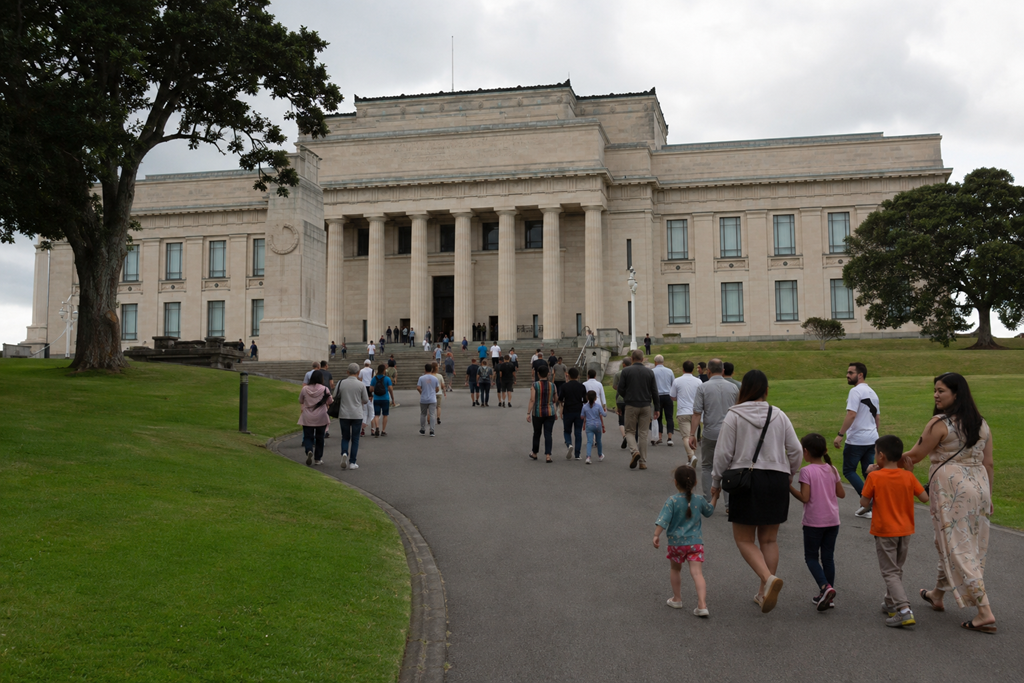
Start at Auckland War Memorial Museum Tāmaki Paenga Hira, located in the Auckland Domain. This is one of the most worthwhile stops for first-time visitors because it gives context to New Zealand’s natural history, Māori and Pacific heritage, and Auckland’s place in the wider region.
The museum is known for its Māori and Pacific treasures and also serves as a war memorial for the Auckland province. Plan enough time to move through the museum without rushing. Even if you do not see every gallery, it is worth giving this visit a meaningful part of your morning.
The surrounding Auckland Domain is also pleasant for a walk, especially if you want fresh air before or after the museum.
Midday: Lunch In Parnell
From the museum, head toward Parnell for lunch. Parnell is one of Auckland’s older inner neighborhoods and works well as a softer midday stop after a museum visit. You will find cafés, restaurants, small shops, and leafy residential streets.
This is also a good point in the itinerary to slow down. Auckland is not a city where every good experience has to be a major attraction. Some of the best moments come from walking between neighborhoods, stopping for coffee, and noticing the mix of city, greenery, and water.
Afternoon: Go To Maungawhau / Mount Eden
In the afternoon, make your way to Maungawhau / Mount Eden, one of Auckland’s most memorable viewpoints. It is a volcanic cone with wide views across the city, harbor, and surrounding landscape.
The summit area is culturally significant, so stay on marked paths, respect signage, and avoid walking into protected areas. Go at a comfortable pace, especially if you are visiting after lunch or in warm weather.
This is one of the best places to understand why Auckland feels different from many other cities. The volcanic landscape is part of the city’s identity, and the view helps connect the central skyline, suburbs, harbor, and distant islands.
Evening: Dinner In Mount Eden, Newmarket, Or Back Downtown
After visiting Maungawhau / Mount Eden, you can have dinner nearby or head back toward the city. Mount Eden village has a more local feel, while Newmarket offers more shopping and dining options. If you prefer convenience, return downtown and keep the evening easy.
This is also a good night to avoid overplanning. After two full days, a relaxed dinner and early night may make Day 3 more enjoyable.
Day 3: Waiheke Island, Devonport, Or A Flexible Auckland Day
For your third day, choose the version that best fits your travel style and the weather. Waiheke Island is the most classic full-day option, while Devonport is easier and shorter. If the forecast is poor, you can build a city-based day around galleries, shopping, food, and indoor attractions.
Option A: Waiheke Island Day Trip
Waiheke Island is a favorite Auckland day trip because it combines beaches, coastal views, vineyards, village atmosphere, and a ferry ride across the Hauraki Gulf. Fullers360 operates regular sailings between downtown Auckland and Waiheke Island, so it is one of the most accessible island escapes for visitors.
Morning: Take The Ferry From Downtown Auckland
Start early enough to give yourself a full day, but do not make the schedule too tight. Ferry schedules can vary, and weather may affect your plans, so check current departures before you go.
The ferry ride itself is part of the experience. You get harbor views, fresh air, and a better sense of Auckland’s relationship with the surrounding water.
Late Morning And Midday: Explore Oneroa
Once you arrive, head toward Oneroa, the island’s main village area. It is a natural first stop for cafés, shops, beach access, and an easy introduction to the island.
You can spend time at Oneroa Beach, walk through the village, or settle into a long lunch. If you are interested in wine, Waiheke is known for vineyards, but you do not need to build the entire day around wine tasting. The island is enjoyable even if you simply want coastal scenery and a slower pace.
Afternoon: Beach, Walk, Or Vineyard Visit
Use the afternoon for one main activity rather than trying to cross off too many stops. Choose a beach, a coastal walk, a vineyard visit, or a scenic bus/taxi route around part of the island.
If you are traveling without a car, plan transportation before you commit to a far-flung stop. Waiheke is easy to reach by ferry, but getting around the island still takes some planning.
Return to Auckland in the late afternoon or early evening, leaving enough buffer so you are not rushing to make the last ferry.
Option B: Devonport And North Shore Views
If you want a lighter final day, choose Devonport instead. It is a short ferry ride from downtown Auckland and works well for travelers who want harbor views, historic streets, cafés, and an easier pace.
Spend the morning walking around Devonport village, then head up one of the local viewpoints for views back toward Auckland’s skyline. Have lunch near the village before returning to the city.
This option is especially useful if you have an evening flight, limited energy, or uncertain weather.
Option C: A City-Based Food, Art, And Park Day
If you prefer to stay in Auckland city, build Day 3 around art, food, and green space.
Start with Auckland Art Gallery Toi o Tāmaki if you did not visit on Day 1. Then walk through Albert Park and nearby central streets. Later, consider Auckland Zoo if you are traveling with family or want a longer outdoor attraction. Auckland Zoo is located near Western Springs and describes itself as home to at least 130 species and more than 2,800 animals.
This option is less dramatic than Waiheke, but it can be a very satisfying final day if you want to keep logistics simple.
Where To Stay For This Auckland Itinerary
For a first visit, the easiest areas are:
Britomart And The Waterfront
This is the most convenient base for ferries, dining, waterfront walks, and public transport. It is especially useful if you plan to visit Waiheke Island or Devonport.
Auckland CBD
The central business district works well if you want access to shopping, Sky Tower, galleries, and transport. Choose your exact location carefully, as some streets feel more practical than atmospheric.
Ponsonby
Ponsonby is a good fit if restaurants, cafés, and neighborhood energy matter more to you than being next to the ferry terminal. You may use taxis or rideshare more often from here.
Parnell
Parnell is quieter and leafier, with good access to Auckland Domain and the museum. It suits travelers who prefer a gentler neighborhood feel.
Practical Tips For First-Time Visitors
Do Not Overload The Itinerary
Auckland is spread out, and traffic can slow you down. It is better to choose fewer stops and enjoy them properly than to spend the day moving from one side of the city to another.
Check Ferry And Attraction Details Before You Go
Ferry times, museum hours, gallery access, and timed-entry rules can change. Check current details before making firm plans, especially for island trips.
Use Public Transport Where It Makes Sense
Buses, trains, and ferries can be useful, especially around central Auckland and ferry-linked destinations. Auckland Transport provides visitor guidance for public transport, including use of AT HOP and contactless payments.
Bring Layers
Auckland weather can shift through the day. A light jacket or layer is useful even when the morning looks bright, especially near the waterfront or on ferry trips.
Respect Cultural And Natural Sites
Many volcanic cones and heritage places have deep cultural significance. Stay on marked paths, follow posted guidance, and treat these places as more than just photo stops.
A Simple 3-Day Auckland Itinerary At A Glance
Day 1
Britomart, Auckland waterfront, Viaduct Harbour, Wynyard Quarter, Sky Tower area, dinner downtown or in Ponsonby.
Day 2
Auckland War Memorial Museum, Auckland Domain, Parnell, Maungawhau / Mount Eden, dinner in Mount Eden, Newmarket, or central Auckland.
Day 3
Choose Waiheke Island for a full-day escape, Devonport for an easier harbor day, or a city-based day with Auckland Art Gallery, Albert Park, food, and Auckland Zoo.
Final Thoughts For Planning Your Auckland Trip
Three days in Auckland gives you enough time to enjoy the city without rushing through it. The best version of this itinerary balances the waterfront, cultural context, volcanic viewpoints, good food, and at least one experience connected to the harbor.
For a first visit, think of Auckland as a city to ease into rather than a checklist to conquer. Walk when the weather is good, use ferries when they simplify the day, leave room for slow meals, and choose the Day 3 option that best matches your energy. That approach will give you a trip that feels full, realistic, and memorable.
Download Our Free E-book!