Chiang Mai is one of Thailand’s most rewarding destinations for travelers who want a mix of culture, food, nature, and slower-paced city exploring. Set in northern Thailand, it offers historic temples, mountain viewpoints, traditional markets, local food, and easy access to scenic countryside.
This 3-day Chiang Mai itinerary is designed for first-time visitors who want a practical, balanced plan. It gives you time to explore the Old City, visit the famous mountain temple of Wat Phra That Doi Suthep, enjoy local markets, and spend a day with nature outside the city without making the trip feel rushed.
Tourism Authority of Thailand highlights Chiang Mai for its blend of nature, Lanna culture, Phra That Doi Suthep, Thapae Walking Street, Nimmanhaemin Road, and Doi Inthanon, which makes these strong evergreen anchors for a first visit.
How To Use This 3-Day Chiang Mai Itinerary
This itinerary works best if you stay in or near the Old City, Nimmanhaemin, or the riverside area. The Old City is especially convenient for temples, walking, cafés, massage shops, and casual restaurants.
The plan is flexible. You can swap days depending on weather, temple preferences, market days, or whether you want a guided day trip into the mountains. Always check current opening hours, transportation options, and reservation needs before you go.
Day 1: Old City Temples, Local Food, And Night Market Energy
Morning: Start Inside Chiang Mai’s Old City
Begin your trip in Chiang Mai’s Old City, the historic center surrounded by remnants of walls and a moat. This is one of the easiest areas to explore on foot, especially in the morning before the day gets too warm.
A good first stop is Wat Phra Singh, one of the city’s most important temples. Its Lanna-style architecture, detailed woodwork, and peaceful courtyards make it a strong introduction to Chiang Mai’s cultural identity.
From there, walk slowly through the nearby streets. Part of the pleasure of Chiang Mai is not just moving from one famous stop to another, but noticing the smaller temples, shaded lanes, coffee shops, and everyday scenes that sit between them.
Late Morning: Visit Wat Chedi Luang
Next, head to Wat Chedi Luang, one of Chiang Mai’s most memorable temple sites. The large historic chedi gives the temple a different feeling from the more polished golden temple complexes. It feels old, grounded, and deeply tied to the city’s past.
Take your time here. Walk around the grounds, observe the architecture, and be respectful of worshippers. As with all temples in Thailand, dress modestly by covering shoulders and knees, remove shoes where required, and keep your voice low inside sacred spaces.
Lunch: Try Northern Thai Flavors
For lunch, look for classic northern Thai dishes rather than defaulting to familiar tourist food. Chiang Mai is a good place to try khao soi, a coconut curry noodle dish often served with crispy noodles on top, pickled greens, shallots, and lime.
Other dishes to look for include sai ua, a northern Thai herb sausage, and nam prik ong, a tomato and chili dip often served with vegetables. You do not need to chase a specific “best” restaurant. A well-reviewed local spot near the Old City or Nimmanhaemin is enough for a satisfying first meal.
Afternoon: Slow Down With A Massage Or Café Break
After a temple-heavy morning, give yourself a lighter afternoon. Chiang Mai is known for affordable massage, relaxed cafés, and shaded places to rest between sightseeing. This is a good time to enjoy a Thai massage, stop for coffee, or return to your hotel for a short break.
If you want another cultural stop, consider Wat Chiang Man, often associated with Chiang Mai’s early history. It is smaller and quieter than some of the better-known temples, which can make it a pleasant contrast.
Evening: Explore A Night Market
Spend your first evening at one of Chiang Mai’s night market areas. The Chiang Mai Night Bazaar is a familiar choice for visitors, with food, souvenirs, casual shopping, and an easy-to-navigate atmosphere. If your visit falls on the right day, Sunday Walking Street near Tha Phae Gate and Ratchadamnoen Road is also a classic Chiang Mai experience; Tourism Authority of Thailand highlights Thapae Walking Street as part of Chiang Mai’s local shopping and handmade product culture.
Keep dinner simple: walk, browse, snack, and try a few dishes rather than planning a formal meal. This is a good first-night rhythm because it lets you adjust to the city while still feeling like you have arrived.
Day 2: Doi Suthep, Mountain Views, And Nimmanhaemin
Morning: Visit Wat Phra That Doi Suthep
Start early and head up the mountain to Wat Phra That Doi Suthep, one of Chiang Mai’s defining landmarks. Tourism Authority of Thailand describes Phra That Doi Suthep as an important landmark for Chiang Mai people, making it a meaningful stop rather than just a scenic viewpoint.
The temple sits above the city, and the journey up is part of the experience. You can go by private driver, red songthaew, taxi, rideshare where available, or guided tour. Going earlier in the day usually helps with heat and crowds.
At the temple, expect golden architecture, devotional spaces, bells, steps, and wide views over Chiang Mai when the weather is clear. Dress modestly and move respectfully, especially around people praying or making offerings.
Late Morning: Add A Nearby Nature Stop
After Doi Suthep, you can keep the morning focused on the mountain. Depending on your energy and transportation, consider adding a nearby forested stop, viewpoint, or short nature walk in the Doi Suthep area.
Avoid overloading this part of the day. The goal is to experience Chiang Mai’s mountain setting without turning the day into a rushed checklist. If you prefer a simpler plan, just visit Doi Suthep and return to the city for lunch.
Lunch: Return Toward Nimmanhaemin
Head back down toward Nimmanhaemin Road, often called Nimman. Tourism Authority of Thailand highlights Nimmanhaemin Road for art products, local cuisine, and culture, which makes it a useful area for travelers who want a more contemporary side of Chiang Mai.
Nimman has cafés, restaurants, boutiques, small galleries, and a more modern neighborhood feel. It is a good place to eat after a temple morning because you can choose anything from northern Thai food to lighter café meals.
Afternoon: Explore Nimman At An Easy Pace
Spend the afternoon wandering Nimman. This is not the part of the trip that needs a strict route. Look for local design shops, coffee, small dessert spots, and quiet side streets.
If you enjoy museums or cultural learning, you can also use this afternoon for a Chiang Mai history or culture stop, depending on what is open and convenient. Just check current details before going, since museum schedules and exhibits can change.
Evening: Choose A Quieter Dinner Or Riverside Walk
For the evening, choose a slower meal after a busier sightseeing day. The riverside area can be pleasant for dinner, especially if you want a change from the Old City and Nimman.
If you still have energy, return to a market area for snacks or casual shopping. If not, keep the night simple. Chiang Mai rewards travelers who leave a little space in the schedule.
Day 3: Nature, Countryside, Or Doi Inthanon
Option A: Take A Day Trip To Doi Inthanon
For a nature-focused final day, consider a day trip to Doi Inthanon National Park. Tourism Authority of Thailand highlights Doi Inthanon as part of Chiang Mai’s nature and mountain travel appeal and notes it as Thailand’s highest point.
A typical Doi Inthanon day may include mountain scenery, waterfalls, forest trails, viewpoints, and pagoda areas, depending on the tour or route. This is usually best done with a guided tour or private driver because it sits well outside the city and involves multiple stops.
Bring layers, comfortable walking shoes, water, and rain protection if traveling during wetter months. Mountain weather can feel different from the city, so do not assume it will match Chiang Mai’s center.
Option B: Visit Ethical Elephant Experiences With Care
Many travelers come to northern Thailand hoping to see elephants. If this is important to you, research carefully and choose an experience that prioritizes elephant welfare, avoids riding, and focuses on observation, education, and responsible care.
Because standards and operators can change, this is one area where you should do extra current research before booking. Read recent reviews, look at the organization’s policies, and avoid any attraction that treats animals mainly as props for entertainment.
Option C: Choose A Gentler Countryside Day
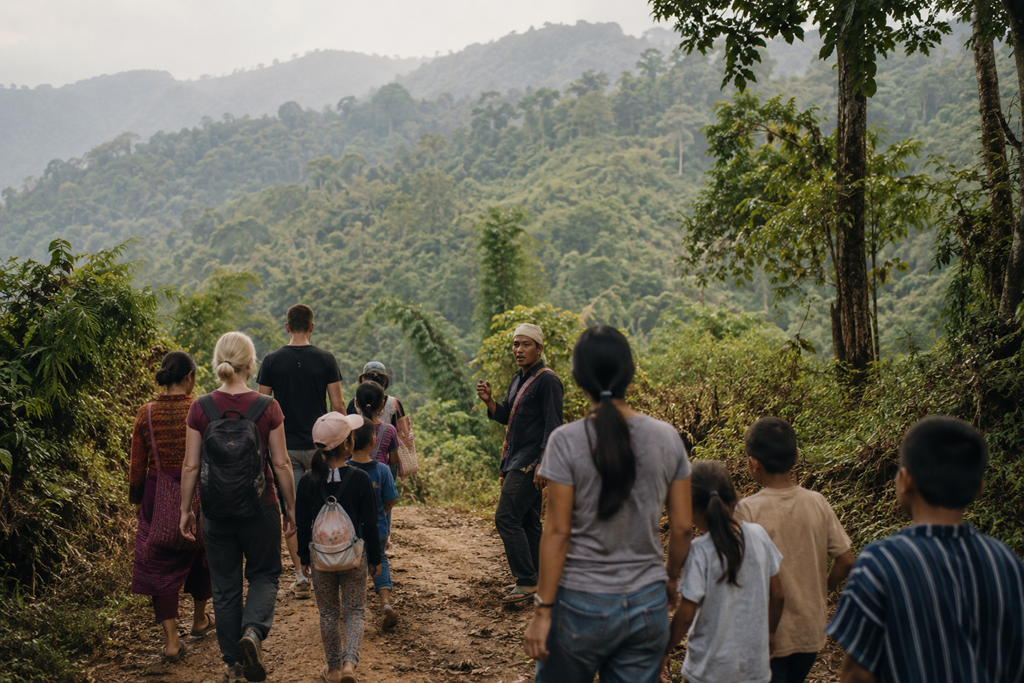
If you do not want a full mountain day, choose a gentler countryside experience instead. Depending on your interests, this could mean a cooking class, a village-focused tour, botanical garden visit, craft village, rice field scenery, or a short trip into the hills.
This option works especially well if you want your final day to feel less physically demanding. It also gives you a deeper look at northern Thai food, craft, and daily life beyond central Chiang Mai.
Evening: Return For A Final Chiang Mai Meal
After your nature or countryside day, return to Chiang Mai for one last dinner. This is a good time to revisit your favorite area from the trip: the Old City for an easy walk, Nimman for cafés and casual dining, or the Night Bazaar area for snacks and shopping.
Keep the final evening flexible. You may be tired after a day trip, so do not plan anything that depends on a tight schedule.
Where To Stay In Chiang Mai For 3 Days
Old City
The Old City is the best choice for many first-time visitors. It puts you close to temples, casual restaurants, massage shops, cafés, and walkable streets. It is especially practical if you want to minimize transportation.
Nimmanhaemin
Nimman is a good fit if you prefer cafés, modern restaurants, boutiques, and a younger neighborhood feel. It is less historic than the Old City but convenient for a more contemporary stay.
Riverside
The riverside area can feel more relaxed and polished. It is a good option if you want a quieter hotel environment and do not mind using transportation to reach temples and markets.
Getting Around Chiang Mai
Chiang Mai is easier to navigate than larger Thai cities, but you will still use a mix of walking and local transportation.
Inside the Old City, walking is often the best way to explore short distances. For longer trips, common options include red songthaews, tuk-tuks, taxis, rideshare where available, private drivers, and guided tours. For mountain or countryside trips, a private driver or organized tour is usually more convenient than trying to piece the route together yourself.
Traffic, weather, and festival periods can affect travel time, so leave some buffer between activities.
Practical Tips For Visiting Chiang Mai
Dress Respectfully For Temples
Bring clothing that covers shoulders and knees for temple visits. Lightweight, breathable fabrics work well in Chiang Mai’s warm climate. A scarf or light layer can help, but some temples may expect more complete coverage.
Start Early When You Can
Morning is usually the best time for major temples, markets, and outdoor exploring. You will often find cooler temperatures, softer light, and fewer crowds.
Do Not Overpack The Itinerary
Chiang Mai looks simple on a map, but temples, meals, markets, and mountain drives all take time. A better 3-day trip leaves room for wandering, resting, and enjoying the city’s slower rhythm.
Be Thoughtful With Animal Tourism
If you include an elephant experience, choose carefully. Prioritize welfare, education, and observation over close-contact photo opportunities.
Check Current Details Before You Go
Opening hours, road conditions, tour availability, and market schedules can change. Use this itinerary as a durable framework, then verify key details close to your travel dates.
A Simple 3-Day Chiang Mai Itinerary Summary
Day 1
Explore the Old City, visit Wat Phra Singh and Wat Chedi Luang, try northern Thai food, enjoy a massage or café break, and spend the evening at a night market.
Day 2
Visit Wat Phra That Doi Suthep in the morning, enjoy mountain views, return to Nimmanhaemin for lunch and cafés, then have a relaxed dinner in Nimman, the Old City, or by the river.
Day 3
Choose a nature-focused day trip to Doi Inthanon, an ethical elephant experience, or a gentler countryside activity, then return to Chiang Mai for a final meal.
Final Thoughts On Planning 3 Days In Chiang Mai
Three days in Chiang Mai gives you enough time to experience the city’s essential mix: temples, local food, markets, mountain views, and nature. You will not see everything, and that is perfectly fine. The best version of this trip is not the one with the most stops, but the one that gives you space to understand why Chiang Mai feels so different from many other destinations in Thailand.
Use the first day to settle into the Old City, the second day to connect the city with the mountain, and the third day to experience the nature and countryside that make northern Thailand so memorable.
Download Our Free E-book!