Jaipur is one of India’s most rewarding cities for a short cultural trip. In three days, you can experience hilltop forts, royal palaces, colorful bazaars, historic observatories, peaceful viewpoints, and the everyday rhythm of the Pink City without trying to see everything at once.
This 3-day Jaipur itinerary is designed for first-time visitors who want a practical, well-paced plan. It focuses on classic sights, logical geography, and durable travel experiences that are likely to remain useful long after publication.
Why Spend 3 Days In Jaipur?
Three days is enough time to see Jaipur’s major highlights while leaving room for slower moments. You can dedicate one day to the old city, one day to the forts and viewpoints around Amer, and one day to museums, markets, gardens, and flexible extras.
Jaipur is known for its royal heritage, pink-toned architecture, craft traditions, and historic landmarks. Rajasthan Tourism highlights Jaipur’s forts, palaces, Hawa Mahal, and Jal Mahal as some of the city’s major places of interest.
Before You Go
Jaipur is rewarding, but it is easier to enjoy when you plan your days by area instead of crossing the city repeatedly.
A few simple planning notes:
- Start sightseeing early when possible, especially for forts, viewpoints, and the old city.
- Check current opening hours before you go.
- Use a car and driver, app-based taxi, rickshaw, or guided tour for longer routes.
- Dress comfortably and modestly for temples, palaces, and crowded market areas.
- Carry water, sun protection, and comfortable walking shoes.
- Build in pauses. Jaipur can feel busy, warm, and visually intense.
Day 1: The Pink City, Palaces, And Classic Jaipur
Your first day focuses on Jaipur’s historic core. This is where you will find some of the city’s most recognizable architecture, including Hawa Mahal, City Palace, Jantar Mantar, and the old bazaars.
Morning: Start At Hawa Mahal
Begin with Hawa Mahal, one of Jaipur’s most famous landmarks. Its honeycomb-like façade is the image many travelers associate with the city. The building sits along a busy street, so visiting earlier in the day can make the experience feel more manageable.
You can admire the exterior from across the street, then decide whether to go inside. The exterior view is the main reason many visitors come, but the interior gives you a better understanding of the building’s structure and views.
This is a good place to slow down rather than rush. Notice the small windows, the symmetry, and the way the building interacts with the street around it.
Late Morning: Visit City Palace
From Hawa Mahal, continue to City Palace. This is one of the best places to understand Jaipur’s royal history and design. Expect courtyards, gateways, museum spaces, textiles, weapons, and architectural details that reward close attention.
Do not treat City Palace as a quick photo stop. Give yourself time to move through the courtyards and quieter corners. If you enjoy history, architecture, or decorative arts, this may become one of the most memorable parts of the day.
Because access rules and ticket options can change, check current visitor information before you go.
Early Afternoon: Explore Jantar Mantar
Next, visit Jantar Mantar, located near City Palace. This UNESCO World Heritage site is an early 18th-century astronomical observation site with around 20 main fixed instruments designed for observing astronomical positions with the naked eye.
Even if you are not deeply interested in astronomy, Jantar Mantar is worth visiting because it feels unlike most palace or museum stops. The instruments are large, sculptural, and architectural. A guide or audio explanation can make the site much easier to understand.
Mid-Afternoon: Pause For Lunch And Rest
After several major attractions, take a break. The old city can be lively and crowded, so this is a good time for a slower lunch, tea, or a short rest back at your hotel if you are staying nearby.
For food, Jaipur is known for Rajasthani dishes, sweets, snacks, and thali-style meals. Choose a place that fits your comfort level rather than chasing the most talked-about restaurant. For an evergreen trip, reliable, well-reviewed local food and simple cafés are often better than trendy stops.
Late Afternoon: Walk Through The Old Bazaars
Spend the late afternoon exploring Jaipur’s traditional market areas. Johari Bazaar is known for jewelry and textiles, while Bapu Bazaar is popular for fabrics, shoes, souvenirs, and everyday shopping.
The goal is not to buy everything. The experience is walking slowly, noticing colors and textures, and getting a feel for Jaipur’s craft culture. If you shop, compare quality, ask questions, and be respectful while bargaining.
Evening: Keep It Simple
For your first evening, keep plans light. Have dinner, take a short walk near your hotel, or relax. Jaipur is best enjoyed when you leave energy for the next day’s forts.
Day 2: Amber Fort, Jaigarh Fort, Jal Mahal, And Views
Day 2 takes you outside the densest part of the city toward Amer and the surrounding hills. This is one of the most scenic days of the itinerary.
Morning: Visit Amber Fort
Start early with Amber Fort, also known as Amer Fort or Amber Palace. Rajasthan Tourism describes Amber Palace as a strong example of Rajasthani architecture, with highlights such as Diwan-e-Aam and Sheesh Mahal.
Amber Fort is large, layered, and best experienced slowly. Expect courtyards, gateways, mirrored rooms, hillside views, and architectural details that show a mix of grandeur and practical fort design.
This is one of Jaipur’s essential sights, so do not overload the morning with too many other stops. Wear comfortable shoes, as there can be uneven surfaces and uphill walking.
Late Morning: Continue To Jaigarh Fort
After Amber Fort, continue to Jaigarh Fort if you have the energy. Jaigarh sits above the Amer area and gives a different perspective on the landscape. It feels more defensive and rugged than the palace-like sections of Amber Fort.
This pairing works well because the two sites are close in geography and connected historically. Amber Fort is also part of UNESCO’s Hill Forts of Rajasthan listing, which recognizes major fortified sites across the state.
Early Afternoon: Lunch And A Slower Break
After the forts, take a proper break. This is a good point in the itinerary to sit down for lunch rather than continuing nonstop. A slower midday pause will make the rest of the day more enjoyable.
If the weather is hot, consider returning to your hotel for a rest before heading out again.
Late Afternoon: Stop At Jal Mahal
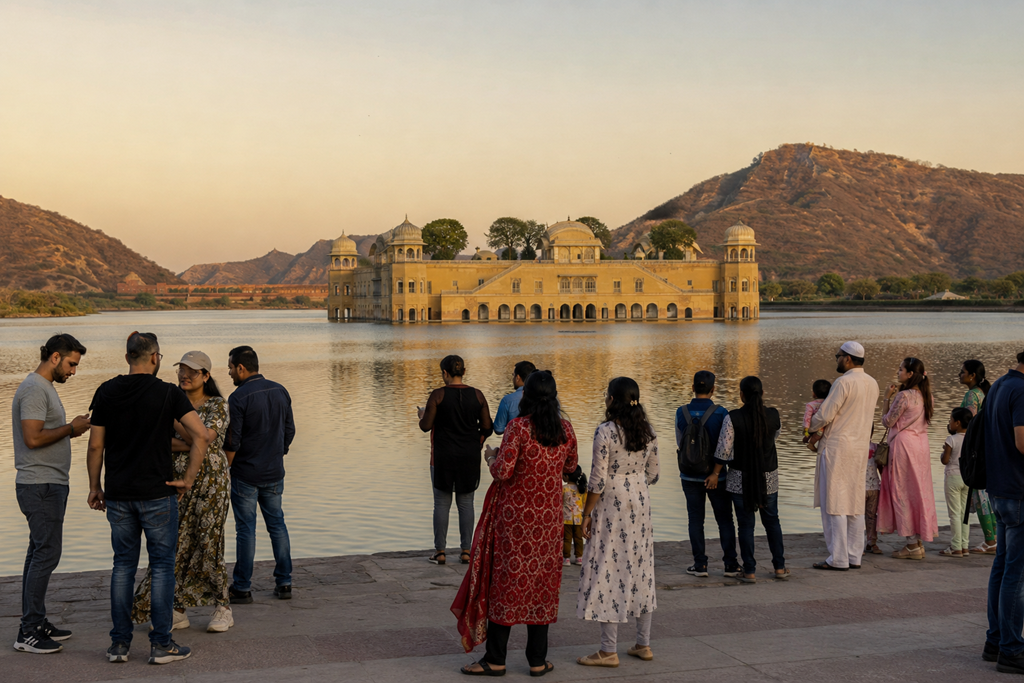
On the way back toward central Jaipur, stop near Jal Mahal, the Water Palace. Most visitors view it from the lakeside rather than entering the palace itself.
This is a simple but worthwhile pause. It gives you a different kind of Jaipur view: water, hills, birds, and a palace set away from the street. Late afternoon light can be especially pleasant, but conditions vary, so treat it as a scenic stop rather than a fixed photography mission.
Evening: Sunset From Nahargarh Fort Or A Rooftop View
If you still have energy, consider ending the day with a view from Nahargarh Fort or a rooftop viewpoint in the city. Nahargarh is known for wide views over Jaipur and can be a memorable way to understand the city’s layout.
Only add this if the day still feels comfortable. Amber Fort and Jaigarh Fort already make a full day, and there is no need to force another stop if you are tired.
Day 3: Museums, Markets, Gardens, And Local Flavor
Your final day gives you flexibility. It balances cultural sights with markets, food, and a softer pace so the trip does not feel like a checklist.
Morning: Visit Albert Hall Museum
Start at Albert Hall Museum, one of Jaipur’s major museum stops. It is a good choice if you want to see art, artifacts, decorative objects, and a broader cultural collection in a historic building.
Even if you only visit for the architecture, the museum area makes a strong start to the day. As always, check current opening details before visiting.
Late Morning: See Patrika Gate Or Birla Mandir
Next, choose one lighter stop depending on your interests.
Patrika Gate is known for its colorful painted details and works well for travelers who enjoy photography and design. Birla Mandir offers a quieter temple experience and a contrast to the busier old city.
You do not need to do both unless you have plenty of energy. Pick the one that fits your mood.
Early Afternoon: Lunch With Rajasthani Flavors
Use your final day to enjoy a more intentional meal. Look for dishes such as dal baati churma, gatte ki sabzi, ker sangri, kachori, lassi, or a traditional thali if available.
Food is one of the easiest ways to connect with Jaipur without adding another attraction. Choose a comfortable place, take your time, and avoid overplanning the meal around online rankings that may change.
Mid-Afternoon: Return To The Markets
Spend your last afternoon shopping or browsing with more focus. Jaipur is especially known for textiles, block prints, jewelry, leather goods, blue pottery, and handmade crafts.
Good market browsing is slower than it looks. Leave room to compare shops, check quality, and walk away when something does not feel right. If you are buying higher-value items, take extra care and use reputable sellers.
Late Afternoon: Relax In A Garden Or Café
After market time, slow the pace. Sisodia Rani Garden, Central Park, or a relaxed café can give you a quieter final moment in the city.
This part of the day is intentionally flexible. A good itinerary should leave space for weather, traffic, tired feet, and the discoveries you did not plan.
Evening: A Simple Final Dinner
End with an easy dinner rather than a complicated cross-city plan. If you are leaving the next morning, use the evening to pack, confirm transportation, and avoid a rushed finish.
Where To Stay In Jaipur For This Itinerary
For a first visit, it helps to stay in an area that makes transportation simple.
Old City Or Near MI Road
This is convenient for Hawa Mahal, City Palace, Jantar Mantar, and bazaars. It can be lively and busy, but it works well if sightseeing access is your top priority.
C-Scheme Or Civil Lines
These areas can feel more comfortable and balanced for many travelers. They offer easier access to restaurants, hotels, and transport while still being practical for sightseeing.
Amer Area
Staying near Amer can be scenic and quieter, but it is less convenient if you want to spend a lot of time in central Jaipur. It may work best for travelers who prefer resort-style stays or a slower pace.
How To Get Around Jaipur
Jaipur is spread out enough that you should not plan to walk everywhere. For a three-day trip, mix short walks with hired transport.
Common options include:
- App-based taxis where available
- Auto-rickshaws for shorter rides
- Private car and driver for fort days
- Guided day tours for easier logistics
- Hotel-arranged transport
For Day 2, a car and driver can make the fort route much smoother. For Day 1, you can combine walking in the old city with short rides between stops.
Best Time To Visit Jaipur
The most comfortable period for many travelers is during the cooler months, roughly from late fall through early spring. Days are generally more pleasant for forts, markets, and walking.
The hotter months can make midday sightseeing more tiring, so early starts and longer breaks become more important. Monsoon season may bring rain and humidity, but it can also soften the landscape around the hills.
Because weather patterns vary, check the forecast close to your trip and adjust your pace accordingly.
Practical Jaipur Travel Tips
Start Early, Especially For Forts
Amber Fort and other major sites are easier to enjoy before the day gets too hot or crowded. Early starts also make the itinerary feel less rushed.
Do Not Overload Each Day
Jaipur has enough palaces, temples, viewpoints, and markets to fill a week. For three days, choose quality over quantity.
Keep Market Expectations Realistic
Markets are lively, colorful, and sometimes overwhelming. Go in with patience, keep your belongings secure, and do not feel pressured to buy.
Verify Details Before Visiting
Opening hours, access rules, ticket structures, and restoration areas can change. Check current details before you go, especially for major monuments and museums.
Respect Cultural Spaces
Dress thoughtfully, follow photography rules, remove shoes when required, and avoid interrupting worship or private moments.
A Simple 3-Day Jaipur Itinerary At A Glance
Day 1: Pink City Highlights
- Hawa Mahal
- City Palace
- Jantar Mantar
- Lunch and rest
- Johari Bazaar or Bapu Bazaar
- Easy dinner
Day 2: Forts And Views
- Amber Fort
- Jaigarh Fort
- Lunch and break
- Jal Mahal
- Nahargarh Fort or rooftop view
Day 3: Culture, Food, And Markets
- Albert Hall Museum
- Patrika Gate or Birla Mandir
- Rajasthani lunch
- Market browsing
- Garden, café, or relaxed final walk
- Simple final dinner
Final Thoughts On Planning 3 Days In Jaipur
A good Jaipur trip does not need to include every palace, fort, temple, and market. The city is much easier to appreciate when you give each day a clear focus: the old city, the forts, and a flexible final day for culture and local flavor.
With three days, you can see Jaipur’s most memorable landmarks, enjoy its markets, understand its royal history, and still leave space for slower moments. That balance is what makes the trip feel complete rather than crowded.
Download Our Free E-book!