Cape Town is one of those destinations where the landscape shapes almost every part of the trip. Table Mountain rises behind the city, the Atlantic coastline curves around scenic beaches, and the Cape Peninsula stretches toward dramatic cliffs, ocean viewpoints, and protected natural areas.
This 4-day Cape Town itinerary is designed for first-time visitors who want a balanced trip: city views, coastal drives, gardens, history, beaches, and a little breathing room. It avoids packing too much into each day, so you can enjoy the setting instead of rushing from stop to stop.
Cape Town is also a destination where weather can affect plans, especially mountain views, boat trips, and coastal drives. Use this itinerary as a flexible framework, and check current conditions, opening hours, and booking requirements before you go.
Day 1: Table Mountain, Bo-Kaap, And The V&A Waterfront
Start your trip with Cape Town’s most iconic view. Table Mountain is part of Table Mountain National Park, which includes major natural attractions such as Table Mountain, Cape Point, Boulders Penguin Colony, Lion’s Head, and Signal Hill.
Morning: Table Mountain
Begin with Table Mountain if the weather is clear. Views from the top can change quickly, so this is worth prioritizing early in your trip rather than saving it for the final day.
You can take the cableway or, if you are experienced and prepared, hike one of the established routes. For most first-time visitors, the cableway is the simplest option. Once at the top, take time to walk around the viewing areas rather than just snapping a quick photo and leaving.
From the summit, you can see the city bowl, the Atlantic coastline, Robben Island, and the surrounding mountains. Bring a light layer, even on a warm day, because conditions can feel cooler and windier at the top.
Midday: Bo-Kaap
After Table Mountain, head toward Bo-Kaap, one of Cape Town’s most recognizable historic neighborhoods. Cape Town Tourism describes Bo-Kaap as a distinct neighborhood known for its Cape Malay community, colorful flat-roofed houses, and cobbled roads.
This is a place to explore respectfully. The neighborhood is lived-in, not just a photo backdrop. Walk slowly, keep noise low, avoid blocking doorways or streets, and consider learning about the area’s Cape Malay heritage through a local guide or food-focused experience.
Bo-Kaap works well as a short cultural stop rather than a long half-day activity. It pairs naturally with the city center, Company’s Garden, or the V&A Waterfront.
Afternoon And Evening: V&A Waterfront
Spend the late afternoon and evening at the V&A Waterfront. It is one of Cape Town’s most visitor-friendly areas, with harbor views, restaurants, shops, museums, boat departures, and walkable public spaces. The official V&A Waterfront site highlights attractions, food and drink, stores, and leisure activities across the area.
This is a good first-night base because it is easy to navigate, especially after a long travel day. You can walk along the harbor, browse the Watershed, visit the Two Oceans Aquarium, or keep the evening simple with dinner near the water.
If you plan to visit Robben Island later in the trip, the ferry departure point is also at the waterfront, which makes it easy to understand the layout in advance.
Day 2: Robben Island, City History, And Signal Hill
Day 2 adds historical context to the scenic beauty. Cape Town is not only a city of mountains and coastline; it is also deeply shaped by South Africa’s history.
Morning: Robben Island
Visit Robben Island in the morning if you can get a suitable tour time. The official Robben Island Museum site lists tours departing from the Nelson Mandela Gateway at the V&A Waterfront, and the standard visit includes ferry travel to and from the island.
Because this experience depends on boats and weather, book ahead and check the latest details before going. Allow enough time before and after the tour so the day does not feel rushed.
Robben Island is one of the most important historical experiences near Cape Town. It is best approached with attention and respect, not as a quick sightseeing checkbox. The visit gives deeper context to South Africa’s apartheid history and Nelson Mandela’s imprisonment.
Afternoon: District Six Or Company’s Garden
After returning to the waterfront, choose one city-based stop depending on your energy.
District Six Museum is a meaningful option for travelers who want more historical context. It helps explain the forced removals and urban disruption caused by apartheid-era policies. Check current opening details before planning your visit.
For something gentler outdoors, walk through Company’s Garden, a historic green space in the central city. It is a useful pause between museums, city streets, and viewpoints.
You could also visit the South African National Gallery or explore nearby cafés if you want a slower afternoon.
Late Afternoon: Signal Hill
End the day at Signal Hill for sunset views. This is one of the easiest scenic viewpoints to access in Cape Town, and it gives you a beautiful perspective of the city, Table Mountain, Lion’s Head, and the Atlantic side.
Arrive before sunset, bring a light layer, and arrange your transport back in advance. Like many popular viewpoints, it can get busy around golden hour, so give yourself time.
If sunset logistics feel too crowded, go earlier in the afternoon instead. The view is still worthwhile.
Day 3: Cape Peninsula, Cape Point, And Boulders Beach
Day 3 is the big scenic drive. This is the day for ocean roads, dramatic cliffs, beaches, and the Cape Peninsula.
If you are not comfortable driving on the left side of the road or navigating winding coastal routes, consider booking a reputable small-group tour or private driver. This lets you enjoy the views without managing the road.
Morning: Chapman’s Peak Drive And Hout Bay
Start with a coastal drive toward Hout Bay and Chapman’s Peak Drive, one of the most scenic routes in the Cape Town area. Conditions and access can vary, so check current road status before setting out.
Stop at viewpoints along the way when safe and permitted. The goal is not to rush south as quickly as possible; the drive itself is part of the experience.
Hout Bay can be a good place for a coffee stop or harbor walk before continuing down the peninsula.
Midday: Cape Point And The Cape Of Good Hope
Continue to Cape Point and the Cape of Good Hope within Table Mountain National Park. SANParks lists Cape of Good Hope and Cape Point among the major attractions in Table Mountain National Park.
This area is known for rugged coastline, ocean viewpoints, walking paths, fynbos landscapes, and windswept scenery. Take your time at the viewpoints, and wear comfortable shoes if you plan to walk.
SANParks notes that swimming is not allowed at Diaz Beach because of strong rip currents and that there are no lifeguards at Cape Point beaches. For most visitors, this part of the peninsula is better for views, photography, walking, and nature rather than swimming.
Afternoon: Boulders Beach Penguin Colony
On the return journey, stop at Boulders Beach near Simon’s Town to see the African penguin colony. This is one of the most memorable wildlife experiences near Cape Town and works well as part of a Cape Peninsula day.
Stay on designated paths and viewing areas, and give the penguins space. This is a protected natural setting, not an interactive animal experience.
After Boulders, return to Cape Town through the False Bay side of the peninsula. Depending on timing, you may pass through Muizenberg, Kalk Bay, or St James. These coastal communities are good for a relaxed meal or short walk if you still have energy.
Day 4: Kirstenbosch, Constantia, Beaches, And A Final View
Your final day is intentionally more flexible. After a full Cape Peninsula day, this gives you a slower mix of gardens, mountain scenery, coastal neighborhoods, and optional wine country close to the city.
Morning: Kirstenbosch National Botanical Garden
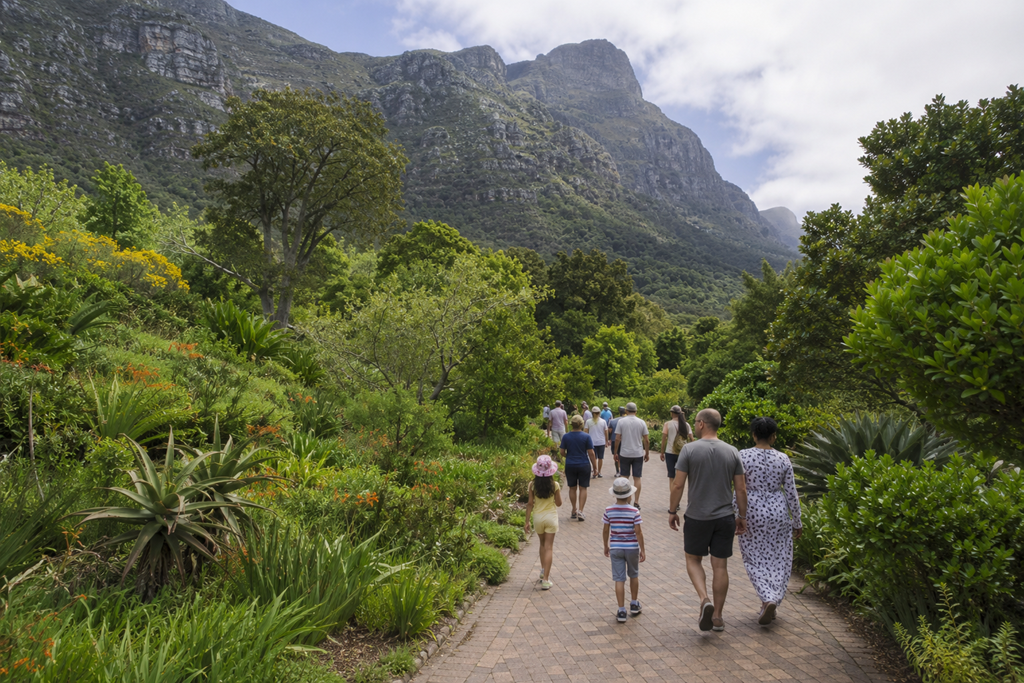
Start at Kirstenbosch National Botanical Garden, one of Cape Town’s most beautiful and durable attractions. SANBI describes Kirstenbosch as one of the great botanic gardens of the world, set against the eastern slopes of Table Mountain.
This is a strong choice even if you are not especially interested in gardens. The setting is the main reason to go: mountain slopes, indigenous plants, shaded paths, lawns, and wide views.
Walk the garden paths at an easy pace. The Tree Canopy Walkway is a popular feature, but the best experience is simply giving yourself time to wander. If you enjoy nature photography, this is one of the best places in Cape Town for softer, more peaceful landscape images.
Midday: Constantia Or A Slow Lunch
From Kirstenbosch, you can continue to Constantia, Cape Town’s historic wine-growing area. This works well if you want a relaxed lunch, vineyard views, or wine tasting without committing to a full Winelands day trip.
Keep this portion simple. Choose one estate or one lunch stop rather than trying to visit several places. If you are tasting wine, arrange transport responsibly.
If wine is not your priority, stay longer at Kirstenbosch or head back toward the city for a slower afternoon.
Afternoon: Camps Bay, Clifton, Or Sea Point
Spend the afternoon along the Atlantic coast. Camps Bay is the most dramatic option, with a wide beach, mountain backdrop, and plenty of places to sit nearby. Clifton offers smaller beaches tucked between boulders, while Sea Point is better for a long, easy promenade walk.
This part of the day is less about checking off attractions and more about enjoying Cape Town’s coastal rhythm. Bring a layer, because the Atlantic side can feel breezy even when the sun is out.
Swimming conditions can vary, and the water is often cold. Treat the beaches as scenic places to relax unless conditions are clearly suitable.
Evening: Lion’s Head Or A Final Waterfront Dinner
For your final evening, choose between one more view or one easy dinner.
If you are fit, prepared, and have safe conditions, Lion’s Head is a popular hike with excellent views. Go with proper shoes, enough water, and good judgment about daylight. Avoid hiking down in the dark unless you are experienced and properly equipped.
For a simpler ending, return to the V&A Waterfront or choose a restaurant in Sea Point, Green Point, or Camps Bay. A relaxed final meal is often better than squeezing in one more activity.
Where To Stay For This 4-Day Cape Town Itinerary
For a first visit, it helps to stay somewhere that reduces transport stress.
V&A Waterfront
The V&A Waterfront is convenient, walkable, and easy for first-time visitors. It works especially well if you want restaurants, harbor views, shopping, museums, and Robben Island access nearby.
Green Point And Sea Point
Green Point and Sea Point are practical choices with good access to the waterfront, promenade, beaches, and city center. Sea Point is especially good if you like morning or evening walks by the water.
City Bowl
The City Bowl puts you closer to central restaurants, museums, Bo-Kaap, and Table Mountain access. It can be a good fit if you want a more urban stay, though you will likely rely on rideshares or taxis at times.
Camps Bay
Camps Bay is scenic and beach-focused, with beautiful views and a vacation feel. It is less central for some itinerary days, but it can be a lovely choice if coastal atmosphere matters more than convenience.
Getting Around Cape Town
Cape Town is spread out, and many of its best experiences are not connected by a simple walking route. Plan on using a mix of rideshares, taxis, guided tours, and possibly a rental car.
For the Cape Peninsula day, a rental car gives flexibility, but a guided tour or private driver can be easier if you prefer not to drive. For city days, rideshare services and taxis are often more practical than renting a car for every movement.
Avoid leaving valuables visible in vehicles, and use common-sense city awareness, especially at night. Ask your accommodation for current local advice on areas, transport, and evening plans.
Best Time To Visit Cape Town
Cape Town can be visited year-round, but your experience will vary by season.
The warmer, drier months are popular for beaches, outdoor dining, and long scenic days. Spring and autumn can be excellent for milder weather, fewer crowds, and comfortable sightseeing. Winter can bring cooler temperatures and more rain, but it may still work well for food, museums, moody coastal scenery, and lower-key travel.
Because this itinerary depends heavily on views and outdoor experiences, build in flexibility. If Table Mountain is clear on your first morning, go. If the Cape Peninsula forecast looks better on a different day, swap the order.
Practical Planning Notes
Book Robben Island ahead when possible, and confirm the latest tour schedule before you go. Boat-based activities can be affected by weather.
Check Table Mountain conditions before heading up. Clouds and wind can change the experience quickly.
Do not overload the Cape Peninsula day. The distances, stops, and views take time.
Use sunscreen and bring layers. Cape Town weather can shift between sun, wind, and cooler coastal air.
Respect residential neighborhoods like Bo-Kaap. Keep visits thoughtful, quiet, and locally supportive where possible.
Treat ocean conditions seriously. Some beaches are better for scenery than swimming, and currents can be dangerous in certain areas.
A Simple 4-Day Cape Town Itinerary Overview
Day 1
Table Mountain
Bo-Kaap
V&A Waterfront
Day 2
Robben Island
District Six Museum or Company’s Garden
Signal Hill
Day 3
Hout Bay
Chapman’s Peak Drive
Cape Point and Cape of Good Hope
Boulders Beach
False Bay coastal return
Day 4
Kirstenbosch National Botanical Garden
Constantia or slow lunch
Camps Bay, Clifton, or Sea Point
Lion’s Head or final waterfront dinner
Final Thoughts For Planning 4 Days In Cape Town
Four days in Cape Town is enough time to experience the city’s signature mix of mountains, ocean, gardens, history, and scenic drives. You will not see everything, but you can leave with a strong sense of place if you plan the days around geography and weather instead of trying to do too much.
Use clear-weather windows for Table Mountain and the Cape Peninsula, give Robben Island the time and attention it deserves, and leave space for the coastline. Cape Town rewards travelers who slow down enough to notice the views between the major stops.
Download Our Free E-book!