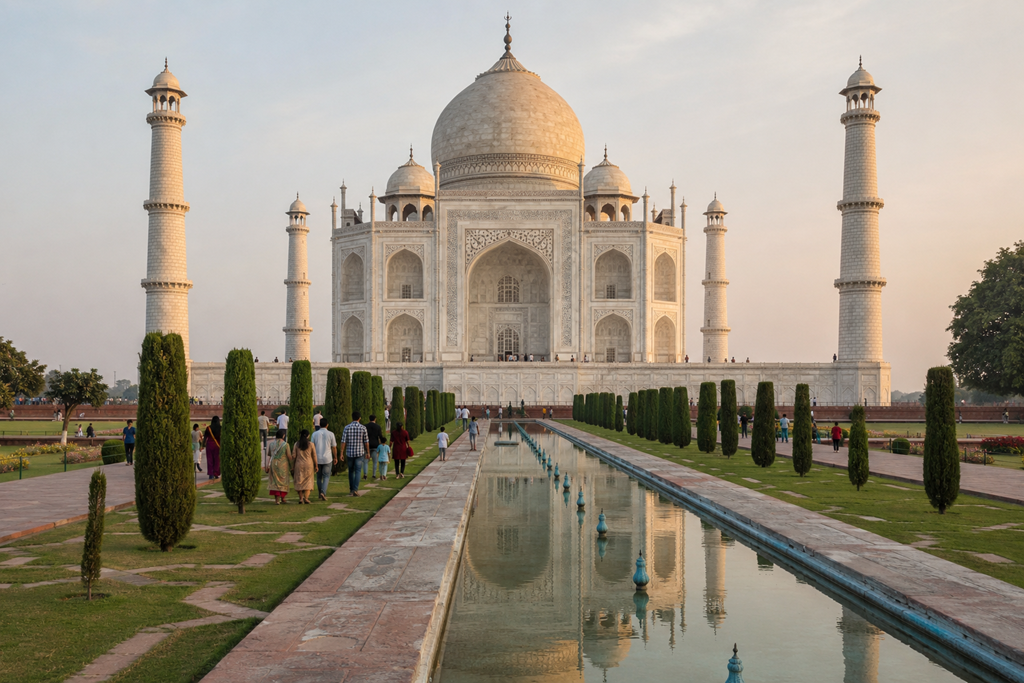
Agra is one of India’s most recognizable travel destinations, but it is also a place that rewards visitors who look beyond the postcard view. The Taj Mahal is the reason many travelers come, yet the city also offers Mughal forts, river gardens, marble craftsmanship, lively markets, old neighborhoods, and a useful base for exploring nearby Fatehpur Sikri.
This guide will help you understand how to plan a thoughtful trip to Agra: when to go, where to stay, what to see, how to get around, what to eat, and how to make your visit feel less rushed. It is based on your travel article prompt for LifeStylenaire.com.
Agra At A Glance
Agra sits in the northern Indian state of Uttar Pradesh and is best known as the home of the Taj Mahal, located on the banks of the Yamuna River. The city is part of India’s popular “Golden Triangle” travel route with Delhi and Jaipur, which makes it a common stop for first-time visitors to North India.
What makes Agra especially important is the concentration of major Mughal-era sites. Incredible India notes that Agra has three UNESCO World Heritage Sites: the Taj Mahal, Agra Fort, and Fatehpur Sikri.
For many travelers, one or two full days is enough to see the major highlights. A longer stay can make the experience easier, especially if you want time for sunrise views, markets, food, artisan workshops, and a day trip to Fatehpur Sikri without feeling rushed.
Best Time To Visit Agra
The most comfortable time to visit Agra is generally during the cooler, drier months from late autumn through early spring. Many India travel guides describe October through March, or roughly November through February, as the most pleasant window for sightseeing because daytime heat is usually more manageable.
Cooler Months
This is the most popular time to visit Agra. The weather is usually better for walking through large monuments, gardens, markets, and old city lanes. It is also when crowds can be heavier, especially around the Taj Mahal, so it helps to start early and book key plans ahead when possible.
Hot Season
Spring can become increasingly hot, and summer heat can make long sightseeing days tiring. If you visit during hotter months, plan major outdoor attractions early in the morning, take breaks during the warmest part of the day, and choose accommodation with reliable air conditioning.
Monsoon Season
The monsoon months can bring rain, humidity, and occasional disruption, but they may also bring softer light and fewer visitors. Keep plans flexible, especially for riverfront viewpoints, gardens, and day trips.
A Note About Fog
Winter mornings can sometimes be hazy or foggy in North India. If your dream is a clear sunrise view of the Taj Mahal, give yourself some flexibility. A morning visit can still be beautiful, but a second viewing later in the day may offer better visibility.
How Many Days Do You Need In Agra?
One Day
A one-day visit works if you are short on time and mainly want to see the Taj Mahal and Agra Fort. This is common for travelers coming from Delhi by train or private car, but it can feel compressed.
A practical one-day plan might include the Taj Mahal early, Agra Fort late morning or afternoon, and Mehtab Bagh or a river viewpoint near sunset.
Two Days
Two days is a better pace for most visitors. You can see the Taj Mahal without rushing, explore Agra Fort properly, visit Itmad-ud-Daulah’s Tomb, spend time in markets, and add either Akbar’s Tomb or Fatehpur Sikri.
Three Days
Three days gives you room for a slower trip. This is ideal if you enjoy photography, history, food, handicrafts, or less crowded sightseeing. It also allows you to build in a rest period, which can be helpful in a busy Indian city.
Key Areas To Know
Agra is not a destination where most visitors need to understand every district. Still, knowing a few practical areas will make planning easier.
Taj Ganj
Taj Ganj is the area near the Taj Mahal and is one of the most convenient places to stay for first-time visitors. It has many hotels, guesthouses, rooftop views, restaurants, cafés, and tour services. Staying here can make an early Taj Mahal visit easier because you are already close to the entry area.
The tradeoff is that it can feel busy and tourist-oriented. Choose accommodation carefully, especially if you want quiet evenings.
Cantonment And Railway Station Areas
Agra Cantonment, often called Agra Cantt, is the city’s major railway station area. This can be convenient if you are arriving or leaving by train, but it is not always the most atmospheric place to stay.
It works best for travelers who prioritize logistics over scenery.
Sadar Bazaar
Sadar Bazaar is a lively shopping and food area where visitors can browse leather goods, souvenirs, casual eateries, and street snacks. It is more useful for an evening wander than as a sightseeing base.
Old City And Jama Masjid Area
The old city around Jama Masjid and Kinari Bazaar gives a more local, textured view of Agra. Expect narrow lanes, shops, crowds, and sensory overload. It is best explored with patience, comfortable shoes, and a willingness to move slowly.
Sikandra
Sikandra is northwest of central Agra and is best known for Akbar’s Tomb. It is worth considering if you have extra time or want to see another major Mughal site away from the densest Taj Mahal crowds.
Top Attractions And Experiences
The Taj Mahal
The Taj Mahal is Agra’s defining landmark and one of the world’s most famous monuments. Built as a mausoleum and set beside the Yamuna River, it is known for its white marble, symmetry, gardens, calligraphy, and changing appearance in different light. The official Taj Mahal site describes its shifting tones through the day, from morning pinkish hues to evening white and moonlit gold.
For the best experience, visit early if you can. The light is softer, the temperature is usually more comfortable, and the first view through the gateway is memorable. Late afternoon can also be beautiful, especially if you want warmer light for photos.
Give yourself time to move slowly. Many visitors rush straight to the central platform, but the gardens, side views, mosque, guest house, and river-facing areas all help you understand the full layout.
Before visiting, check current opening hours, ticketing rules, entry gate information, bag restrictions, and whether any special viewing arrangements are available. Details can change, and official sources are the safest place to confirm.
Agra Fort
Agra Fort is a massive red sandstone and marble fortress that gives important context to the Taj Mahal. It was a major seat of Mughal power and includes palaces, courtyards, audience halls, balconies, and views toward the river.
If the Taj Mahal feels like poetry, Agra Fort feels like politics, strategy, family history, and empire. Visiting both gives a fuller picture of Mughal Agra.
Plan at least a couple of hours if you enjoy history and architecture. A guide can be useful here because the site is large and the stories behind the buildings are not always obvious from the architecture alone.
Fatehpur Sikri
Fatehpur Sikri is often visited as a day trip from Agra. It was once a Mughal capital and remains one of the region’s most impressive historic complexes. Since it is outside central Agra, it is best planned as a half-day or full-day outing rather than squeezed between too many city sights.
The site is especially rewarding for travelers interested in architecture, courtyards, gateways, imperial planning, and the quieter grandeur of Mughal history. Wear comfortable shoes and bring sun protection, as much of the experience involves walking through open spaces.
Itmad-ud-Daulah’s Tomb
Often called the “Baby Taj,” Itmad-ud-Daulah’s Tomb is smaller than the Taj Mahal but highly rewarding. It is known for delicate marble inlay work, garden setting, and refined proportions. Many travelers find it easier to enjoy because it is less overwhelming and often less crowded.
This is a good stop if you appreciate decorative detail. It also helps you understand the artistic traditions that shaped later Mughal architecture.
Mehtab Bagh
Mehtab Bagh is a garden across the Yamuna River from the Taj Mahal. It is best known for its view back toward the monument, especially around sunset when the light softens.
This is not a replacement for visiting the Taj Mahal itself. Instead, think of it as a quiet visual counterpoint. It lets you see the Taj as part of the river landscape rather than only as a monument entered through formal gates.
Check local conditions before you go, especially during wetter periods, since riverfront areas can be affected by seasonal water levels.
Akbar’s Tomb At Sikandra
Akbar’s Tomb is another worthwhile Mughal site, located in Sikandra. It combines large gateways, gardens, red sandstone, marble details, and a more peaceful atmosphere than the Taj Mahal area.
It is a strong choice for travelers with an extra half-day in Agra. It also pairs well with other sites outside the immediate Taj Mahal zone.
Jama Masjid And Kinari Bazaar
Jama Masjid and the surrounding market lanes offer a different side of Agra. This area is busier, denser, and more everyday than the manicured monument zones.
Come here for local atmosphere, street scenes, textiles, small shops, sweets, spices, and the experience of moving through an old urban market. It is not the easiest area for every traveler, but it can be one of the more memorable parts of the city if you enjoy real street life.
Marble Craft And Inlay Workshops
Agra is known for marble inlay work, the decorative craft associated with the Taj Mahal’s floral and geometric designs. Visiting a workshop can help you understand the skill behind the patterns you see in the monuments.
As with any craft-shopping experience, go in with clear expectations. A demonstration can be interesting, but you should not feel pressured to buy. Compare quality, ask questions, and only purchase something if you genuinely want it.
Food In Agra
Agra’s food scene reflects North Indian flavors, Mughal influence, street snacks, sweets, and the needs of travelers moving through a busy heritage city.
What To Try
Petha is Agra’s best-known sweet. It is usually made from ash gourd and comes in many varieties, from plain and translucent to flavored versions.
Mughlai-style dishes are also common, including rich curries, kebabs, breads, and biryani-style rice dishes. Vegetarian travelers will find plenty of options, including paneer dishes, lentils, vegetable curries, stuffed breads, chaats, and sweets.
Street food can be rewarding, but choose busy stalls with high turnover and freshly prepared items. If your stomach is sensitive, ease into local snacks gradually.
Where To Eat
Instead of chasing current “best restaurant” lists, choose meals based on context:
Stay near the Taj Mahal and you will find rooftop cafés, hotel restaurants, and traveler-friendly menus.
Visit Sadar Bazaar or old city areas for snacks, sweets, and a more local atmosphere.
Choose higher-end hotel dining if you want a quieter meal, familiar service standards, or a break from the street.
For an evergreen approach, focus less on trendy names and more on freshness, cleanliness, location, and whether the restaurant fits your day’s pace.
Getting To Agra
From Delhi
Delhi is the most common gateway to Agra. Travelers usually arrive by train, private car, or organized tour. Trains can be efficient, especially if you are comfortable with Indian rail travel. A private car offers more flexibility, especially for groups, families, or travelers with luggage.
Road travel time can vary depending on traffic, stops, and where you begin in Delhi. Build in extra time rather than planning connections too tightly.
From Jaipur
Agra is also commonly paired with Jaipur as part of a Golden Triangle itinerary. Travel is possible by car, train, or bus, depending on comfort level and schedule. If you are moving between Jaipur and Agra, Fatehpur Sikri may be worked into the route with the right planning.
By Air
Agra has limited air connectivity compared with Delhi, so many international travelers still use Delhi as the main arrival point. Check current flight options before building an itinerary around flying directly into Agra.
Getting Around Agra
Auto-Rickshaws And Taxis
Auto-rickshaws, app-based rides where available, taxis, and private drivers are the most practical ways to move around the city. For short trips, agree on the fare or use a metered/app-based option when possible.
Private Driver
A private driver can be useful if you want to visit multiple sites in one day, especially places spread across the city. This can reduce friction and make the day more comfortable.
Walking
Walking works best within specific zones, such as around your hotel, near the Taj Mahal, in market areas, or inside monument complexes. Agra is not always an easy city for long casual walks due to traffic, heat, uneven surfaces, and busy roads.
Guided Tours
A good guide can add value at the Taj Mahal, Agra Fort, and Fatehpur Sikri. Guides are especially helpful if you want historical context rather than simply viewing the buildings.
Choose licensed or well-reviewed guides, clarify the plan in advance, and be clear about whether you want shopping stops included or avoided.
Practical Travel Tips For Agra
Start Early
Early starts help with heat, crowds, traffic, and photography. This is especially true for the Taj Mahal and Agra Fort.
Keep Your Plans Realistic
Agra can be intense. Traffic, security checks, heat, crowds, and distances between attractions can make a packed itinerary feel tiring. Two or three major sights in a day is often more enjoyable than trying to see everything.
Check Rules Before Visiting Monuments
Major sites may have restrictions on bags, tripods, food, drones, and other items. Opening days, entry gates, ticketing systems, and special access rules can also change. Always check current details before you go.
Dress For Comfort And Respect
Lightweight, breathable clothing works well for much of the year. Since many sites are historic, religious, or culturally significant, modest clothing is a respectful and practical choice.
Comfortable shoes are important. Monument complexes are large, and you may spend more time walking than expected.
Be Prepared For Security And Crowds
Security checks are common at major monuments. Carry only what you need, keep valuables secure, and allow extra time.
Crowds are part of the Agra experience, especially at the Taj Mahal. Patience will make the visit much easier.
Use Common-Sense Shopping Boundaries
Agra has many shops and craft showrooms. Some are excellent, while others can feel high-pressure. Decide in advance whether you want to shop, compare before buying, and remember that you are allowed to say no politely.
Protect Yourself From Heat And Sun
Even outside peak summer, sightseeing can involve long walks in exposed spaces. Bring water, sunscreen, sunglasses, and a hat. Take breaks before you feel exhausted.
Be Flexible With Photography
The Taj Mahal is heavily photographed, but the most rewarding images often come from patience rather than perfect conditions. Fog, crowds, haze, or construction work can affect the view. Look for side angles, garden frames, details, arches, and river perspectives.
A Simple Two-Day Agra Plan
Day One: Taj Mahal, Agra Fort, And A Sunset View
Start with the Taj Mahal in the morning. Give yourself enough time to enter slowly, explore the gardens, admire the marble details, and take in the riverfront setting.
After a break, visit Agra Fort. This pairs naturally with the Taj Mahal because the two sites are historically connected and visually complementary.
In the late afternoon or early evening, consider Mehtab Bagh or another river-facing viewpoint for a quieter look back toward the Taj Mahal.
Day Two: Local Details And A Wider View Of Mughal Agra
Begin with Itmad-ud-Daulah’s Tomb, where the smaller scale makes it easier to notice craftsmanship and detail.
Then choose one of two directions. If you want another major historic site, visit Akbar’s Tomb at Sikandra. If you prefer a larger day trip, spend more time at Fatehpur Sikri.
End with a market walk, sweets, a relaxed dinner, or a marble craft demonstration if that interests you.
Who Agra Is Best For
Agra is best for travelers interested in history, architecture, photography, culture, and iconic landmarks. It is also a natural fit for first-time visitors to North India because it connects easily with Delhi and Jaipur.
It may be less appealing if you want a quiet retreat, nightlife-focused travel, or a highly polished resort-style city experience. Agra is busy, layered, and sometimes chaotic. Its beauty is real, but it is best experienced with patience and realistic expectations.
Final Thoughts On Visiting Agra
Agra is more than a single monument, even though the Taj Mahal deserves its reputation. The strongest visit combines the famous view with the wider setting: Agra Fort’s power, Mehtab Bagh’s river perspective, Itmad-ud-Daulah’s detail, Fatehpur Sikri’s scale, and the everyday energy of markets and food streets.
Plan lightly, start early, avoid overloading your days, and give yourself enough time to notice the details. Agra is easiest to appreciate when you let it be both grand and imperfect.
Download Our Free E-book!