Amsterdam is one of Europe’s most rewarding cities for first-time visitors because it combines beauty, history, culture, and everyday ease in a compact setting. The city is known for its canals, museums, bicycles, narrow houses, relaxed cafés, and walkable neighborhoods, but the best trip comes from understanding how the city fits together before you arrive.
This guide will help you plan your first visit with more confidence. You’ll learn when to go, where to stay, which neighborhoods to explore, what attractions are worth prioritizing, how to get around, what to eat, and how to approach Amsterdam in a way that feels enjoyable rather than rushed.
Amsterdam is the capital of the Netherlands and is widely known for its historic canal ring, major art museums, cycling culture, and rich cultural life. Official tourism resources describe the city as a place of canals, history, and cultural experiences, with strong public transport and many museum options for visitors.
Amsterdam At A Glance
Amsterdam is a city best experienced slowly and on foot. While there are famous attractions to plan around, much of the city’s appeal comes from simple moments: walking beside a canal, crossing small bridges, browsing a neighborhood market, sitting in a brown café, or noticing the details of old canal houses.
For first-time visitors, Amsterdam works especially well for a three- to five-day trip. That gives you enough time to see the major museums, explore several neighborhoods, take a canal cruise, enjoy the food culture, and leave room for slower wandering.
Best For
Amsterdam is a strong choice for travelers who enjoy:
Art and museums
Historic architecture
Walkable neighborhoods
Cafés and casual food experiences
Scenic city views
Independent exploring
Easy public transportation
Short European city breaks
It is also a practical destination for travelers who do not want every day to feel overplanned. Many of the best experiences are close together, and the city’s tram, metro, ferry, bus, and train network makes it fairly simple to move around.
Best Time To Visit Amsterdam
Amsterdam can be enjoyable throughout the year, but each season creates a different kind of trip.
Spring
Spring is one of the most popular times to visit Amsterdam, especially when flowers begin blooming and outdoor walking becomes more pleasant. This is a beautiful time for parks, canal walks, and nearby flower-focused day trips. It can also be busy, so book major museums and popular attractions ahead when possible.
Summer
Summer brings long days, outdoor terraces, parks, and a lively atmosphere along the canals. It is a good time for walking, cycling, and relaxed evenings outside. It is also one of the busier travel periods, so plan lodging early and expect more visitors around major sights.
Fall
Fall is a great choice for first-time visitors who want comfortable sightseeing weather with a slightly more settled feel. The canals and tree-lined streets can be especially atmospheric, and museums become even more appealing as the weather cools.
Winter
Winter in Amsterdam is quieter, cooler, and often gray, but it can still be a rewarding time to visit. Museums, cafés, historic interiors, and canal walks remain enjoyable. Pack warm layers and expect shorter daylight hours.
How Many Days Do You Need In Amsterdam?
For a first visit, three days is enough for the highlights, while four or five days gives you a more balanced experience.
Two Days
Two days works if Amsterdam is part of a larger European trip. Focus on the canal ring, one or two major museums, a canal cruise, and one or two neighborhoods.
Three Days
Three days is a strong first-time visit. You can see the historic center, visit major museums, explore Jordaan and De Pijp, take a canal cruise, and enjoy a slower final day.
Four To Five Days
Four or five days lets you go deeper. You can add more museums, spend time in Noord, visit markets, explore parks, and consider a day trip outside the city.
Where To Stay In Amsterdam
Choosing where to stay in Amsterdam matters because each area has a different rhythm. For a first visit, it is usually best to stay somewhere central enough to reduce travel time, but not so busy that the trip feels crowded from morning to night.
Key Areas And Neighborhoods
Canal Ring
The Canal Ring is one of the most scenic and classic places to stay or explore. It places you near historic canals, bridges, shops, cafés, and many central sights. This is a good area for first-time visitors who want the postcard version of Amsterdam close by.
It can be more expensive and busy, but the convenience is excellent.
Jordaan
Jordaan is one of Amsterdam’s most appealing neighborhoods for wandering. It has narrow streets, small shops, quiet canals, galleries, cafés, and a residential feel while still being central.
This area is ideal if you want charm without feeling removed from the main attractions.
Museum Quarter
The Museum Quarter is a strong choice if you plan to spend time at the Rijksmuseum, Van Gogh Museum, Stedelijk Museum, or Vondelpark. It is a little calmer than the historic center and works well for travelers who want access to culture and green space.
De Pijp
De Pijp is lively, diverse, and food-friendly. It is known for restaurants, cafés, everyday neighborhood energy, and the Albert Cuyp Market area. It is a good fit for travelers who want a more local-feeling base while still being close to central Amsterdam.
Amsterdam Centrum
Amsterdam Centrum includes many of the city’s busiest areas, including Dam Square, the Red Light District, shopping streets, and major transport connections. It is convenient, but some parts can feel crowded or noisy.
For first-time visitors, Centrum is useful for sightseeing, but choosing lodging slightly outside the busiest streets may make the trip more comfortable.
Amsterdam Noord
Amsterdam Noord sits across the IJ waterway from the central station area. Free ferries connect parts of Noord with the city center, making it easier to visit than many first-timers expect. It has a more modern, spacious, creative feel and can be a good option for repeat visitors or travelers who do not mind being slightly removed from the historic core.
Top Attractions And Experiences For First-Time Visitors
Amsterdam has many things to do, but first-time visitors should prioritize a mix of museums, neighborhoods, canals, food, and everyday city life.
Explore The Canal Ring
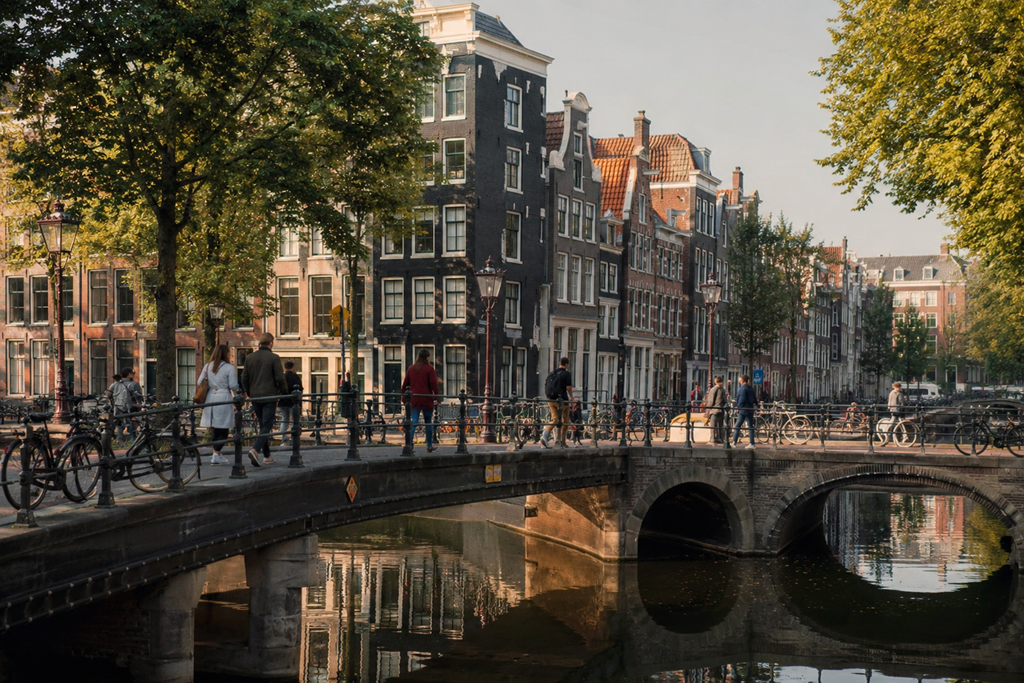
The canal ring is one of Amsterdam’s defining features. Walking along the canals gives you a strong sense of the city’s shape, history, and beauty. You will see arched bridges, leaning canal houses, houseboats, bicycles, and quiet corners that feel different from the busy tourist streets.
A good approach is to start near the central canal area and simply walk without trying to see every bridge or street. Amsterdam rewards wandering.
Take A Canal Cruise
A canal cruise is one of the easiest ways to understand Amsterdam from a different perspective. From the water, the city’s bridges, houses, and historic layout feel more connected.
Choose a cruise that fits your travel style. Some are simple sightseeing cruises, while others are smaller and more intimate. Because options and schedules can change, check current details before booking.
Visit The Rijksmuseum
The Rijksmuseum is one of Amsterdam’s most important cultural attractions. It is especially valuable for first-time visitors who want to understand Dutch art, history, and the country’s Golden Age. The museum is located in the Museum Quarter, making it easy to pair with other nearby sights.
Plan enough time so the visit does not feel rushed. Even if you only see selected galleries, it is worth approaching the museum with a focused plan.
Visit The Van Gogh Museum
The Van Gogh Museum is another major Amsterdam highlight. It gives visitors a deeper look at Vincent van Gogh’s life, development, and artistic legacy. Because it is one of the city’s most popular museums, timed-entry planning is often helpful.
For many first-time visitors, the Rijksmuseum and Van Gogh Museum are the two most important art stops.
Tour The Anne Frank House
The Anne Frank House is one of Amsterdam’s most meaningful historic sites. It is a powerful, reflective experience rather than a casual sightseeing stop. Because demand is high and entry procedures can change, book ahead when possible and check current visitor information before your trip.
Give yourself time afterward. This is not the kind of place to rush between other activities.
Walk Through Jordaan
Jordaan is one of the best neighborhoods for experiencing Amsterdam at a slower pace. It has quiet canals, attractive streets, independent shops, small cafés, and a lived-in feeling.
This is a good area to explore without a rigid itinerary. Walk, stop for coffee, look into small shops, and enjoy the neighborhood as part of the experience.
Spend Time In Vondelpark
Vondelpark is Amsterdam’s best-known city park and a useful break from museums and canal streets. It is a good place for walking, resting, people-watching, or adding a relaxed moment to a busy sightseeing day.
It pairs especially well with the Museum Quarter.
Visit A Local Market
Markets help you see a more everyday side of Amsterdam. The Albert Cuyp Market in De Pijp is one of the best-known options and is a practical place to sample casual foods, browse stalls, and experience neighborhood energy.
Market hours and vendors can vary, so check current details before making a special trip.
See Dam Square And The Historic Center
Dam Square is one of the city’s central historic spaces and a useful orientation point for first-time visitors. The surrounding area includes shopping streets, historic buildings, and easy access to other central sights.
It is worth seeing, but it is also one of the busier parts of Amsterdam. Treat it as a stop, not necessarily the place to spend most of your time.
Explore Amsterdam Noord
Amsterdam Noord gives visitors a different view of the city. After taking the ferry from the central station area, you’ll find a more spacious, modern, creative side of Amsterdam. It is a good option if you want to step outside the classic canal scenery for a few hours.
This area works well after you have already seen the core historic sights.
Food And Drink In Amsterdam
Amsterdam’s food scene is varied, casual, and international. For a first trip, focus less on chasing “best” lists and more on trying a mix of Dutch classics, neighborhood cafés, markets, and simple local experiences.
Dutch Foods To Try
Stroopwafels are thin waffle cookies with syrup inside and are easy to find throughout the city. Bitterballen are savory fried snacks often served with mustard. Poffertjes are small, fluffy pancakes that are especially popular as a sweet treat. Herring is a traditional Dutch snack, though it may not be for everyone.
You can also look for Dutch cheeses, apple pie, fries with sauce, and pancakes.
Café Culture
Amsterdam cafés are a big part of the travel experience. Some are modern coffee spots, while traditional “brown cafés” offer a cozy, old-world feel. For first-time visitors, a simple café stop can be just as memorable as a formal restaurant meal.
Restaurant Planning
Amsterdam has many excellent restaurants, but avoid building your trip around places that may change in popularity or availability. Instead, choose restaurants by neighborhood, cuisine, and convenience. Make reservations for special meals, especially during busy travel periods.
Transportation Basics
Amsterdam is one of the easier European cities to navigate without a car. Walking, trams, metro, buses, ferries, trains, and bicycles all play a role.
The official Amsterdam tourism site describes the city’s public transport network as including trams, buses, metro, ferries, and trains, and travel passes may be useful depending on your plans.
Walking
Walking is often the best way to experience central Amsterdam. Many major sights are close enough to combine on foot, and walking helps you notice the city’s bridges, canals, courtyards, and side streets.
Bring comfortable shoes. Cobblestones, bridges, and long museum days can add up quickly.
Trams And Metro
Trams are especially useful in central Amsterdam and for reaching areas like the Museum Quarter, De Pijp, and other neighborhoods. The metro is helpful for some longer routes but may not be necessary for every first-time visitor.
Ferries
Ferries connect the central station area with parts of Amsterdam Noord. They are practical and also give you a quick view of the city from the water.
Bicycles
Amsterdam is famous for cycling, and bikes are a major part of local life. However, first-time visitors should be honest about their comfort level. The cycling culture is efficient and fast-moving, and it can feel intense if you are not used to it.
If you rent a bike, start in quieter areas, follow local rules, stay alert, and avoid stopping suddenly in bike lanes.
Taxis And Rideshares
Most visitors do not need taxis often within central Amsterdam. They may be useful for late arrivals, luggage, mobility needs, or specific routes, but public transport and walking usually cover most sightseeing needs.
Getting From The Airport
Many visitors arrive through Amsterdam Airport Schiphol. Train connections into the city are typically straightforward, but always check current routes and service details before arrival, especially if you are landing late or carrying significant luggage.
Practical Tips For First-Time Visitors
Book Major Attractions Ahead
Amsterdam’s most popular museums and historic sites can require timed-entry planning. This is especially true during busy travel periods. Book ahead when there is something you know you do not want to miss.
Keep Your Daily Plan Realistic
Amsterdam looks compact on a map, but museums, meals, canal walks, and neighborhood wandering all take time. A better day might include one major museum, one neighborhood, one meal area, and unplanned walking.
Watch For Bikes
Bike lanes are active transportation lanes, not pedestrian space. Look carefully before crossing and avoid standing in bike lanes while checking your phone or taking photos.
Respect Residential Areas
Many of Amsterdam’s most beautiful streets are also places where people live. Keep noise low, avoid blocking doorways or bridges, and be mindful when taking photos.
Bring Layers
Weather can shift throughout the day. A light rain jacket, comfortable layers, and good walking shoes are useful in most seasons.
Choose A Base That Matches Your Style
If you want classic scenery, consider the Canal Ring or Jordaan. If museums are your priority, look near the Museum Quarter. If food and neighborhood energy matter most, De Pijp may be a good fit.
Do Not Overfocus On The Red Light District
The Red Light District is part of Amsterdam’s historic center, but it is not the whole city. First-time visitors often have a better trip when they balance central sightseeing with museums, parks, residential neighborhoods, markets, and canal walks.
Check Current Details Before You Go
Opening hours, entry rules, booking systems, and transport details can change. For any attraction that matters to your trip, check current information before visiting.
A Simple First-Time Amsterdam Plan
Here is an easy way to think about your first visit without overloading the itinerary.
Day One: Historic Amsterdam
Start with the canal ring, Dam Square, and the historic center. Take a canal cruise to understand the city from the water. Spend the evening walking through Jordaan or enjoying a simple dinner near your hotel.
Day Two: Museums And Vondelpark
Focus on the Museum Quarter. Visit the Rijksmuseum or Van Gogh Museum, then walk through Vondelpark. If you have energy, explore De Pijp for dinner or a relaxed evening.
Day Three: Anne Frank House, Jordaan, And Local Wandering
Visit the Anne Frank House if you have secured entry, then spend time in Jordaan. Add a market, café stop, or slow canal walk. Keep this day more flexible so you can enjoy the city without rushing.
Extra Day: Amsterdam Noord Or A Day Trip
With a fourth day, consider Amsterdam Noord, additional museums, or a nearby day trip. Choose based on your interests rather than trying to see everything.
Common Mistakes To Avoid
Trying To Do Too Many Museums In One Day
Amsterdam has excellent museums, but two major museums in one day can be tiring. Give yourself space to absorb what you are seeing.
Staying Too Far From The Areas You Want To Explore
A cheaper hotel far from the center may not save much if it adds extra travel time every day. Balance price with convenience.
Treating Amsterdam Like A Checklist
The city is more enjoyable when you leave room for unplanned walks, cafés, and neighborhood exploring.
Forgetting To Book The Most Popular Sights
Some attractions are difficult to visit spontaneously during busy periods. Reserve ahead for your highest priorities.
Ignoring Local Flow
Amsterdam has a strong rhythm of pedestrians, cyclists, trams, and boats. Pay attention to crossings, bike lanes, and narrow streets.
Is Amsterdam Good For A First Trip To Europe?
Amsterdam can be an excellent first European city. It is compact, scenic, culturally rich, and relatively easy to navigate. English is widely used in visitor-facing settings, public transportation is practical, and the city offers a strong mix of history, art, food, and everyday atmosphere.
It also works well as part of a larger trip because train connections make it possible to continue to other parts of the Netherlands or nearby European cities.
Final Thoughts For Planning Your First Amsterdam Trip
Amsterdam is at its best when you give it room to unfold. Plan the major sights that matter to you, but do not fill every hour. Walk the canals, choose a few neighborhoods, take time with the museums, try simple Dutch foods, and let the city’s smaller details become part of the trip.
For a first visit, the goal is not to see every attraction. It is to understand the city well enough to enjoy it: the water, the streets, the art, the bicycles, the cafés, and the quiet moments between planned stops.
Download Our Free E-book!