Berlin is one of Europe’s most layered cities: historic without feeling frozen, creative without feeling polished, and energetic without requiring you to chase every trend. A good Berlin trip can include major landmarks, quiet museum hours, long walks through distinct neighborhoods, relaxed cafés, food from around the world, and late nights if that is part of your travel style.
This guide is designed to help you plan a clearer, more confident trip to Berlin, Germany, with practical evergreen guidance on when to visit, where to stay, what to see, how to get around, and how to experience the city’s history, culture, and nightlife without overloading your itinerary. The structure and requirements are based on your pasted master prompt for a LifeStylenaire.com travel guide.
Berlin At A Glance
Berlin is Germany’s capital and one of the most historically significant cities in Europe. It is a place where imperial architecture, World War II history, Cold War memory, contemporary art, immigrant food culture, and late-night music scenes all sit close together.
For first-time visitors, Berlin is best understood as a city of areas rather than a single compact sightseeing zone. Mitte holds many of the classic landmarks. Kreuzberg and Neukölln bring food, nightlife, and multicultural energy. Prenzlauer Berg feels leafy and residential. Charlottenburg offers a more traditional West Berlin feel. Friedrichshain is known for nightlife, murals, and the East Side Gallery.
Berlin is also larger and more spread out than many visitors expect. The good news is that public transportation is extensive, and a valid Berlin public transport ticket can cover the S-Bahn, U-Bahn, buses, trams, and ferries depending on the fare zone and validity period.
Best Time To Visit Berlin
Berlin can be visited year-round, but the experience changes by season.
Spring And Early Summer
Late spring into early summer is one of the most enjoyable times to visit. Parks become active, outdoor cafés fill up, and long daylight hours make walking-heavy days easier. Official Berlin tourism guidance notes that May to September generally gives visitors the best chance of good weather, sunshine, and moderate temperatures.
This is a strong time for first-time visitors who want a balanced trip: museums, historic sites, neighborhoods, parks, and evenings outdoors.
Summer
Summer is lively, social, and busy. It is a good fit if you enjoy outdoor dining, parks, lakes, courtyards, and nightlife. Expect more visitors at major landmarks and museums, especially around Museum Island, Brandenburg Gate, and the Reichstag area.
Book accommodations early during popular travel periods, and check whether major attractions require reservations or timed entry.
Autumn
Autumn can be one of the most comfortable times to explore Berlin. The weather is cooler, the parks are colorful, and the city still has plenty of energy without the full intensity of summer crowds. It is especially good for museums, cafés, long walks, and photography.
Winter
Winter in Berlin is cold and darker, but it can still be rewarding if your trip is built around museums, history, food, cafés, and indoor culture. Outdoor sightseeing is still possible, but you will want warm clothing and a flexible plan.
Winter is often better for travelers who prefer slower days and do not mind spending more time indoors.
How Many Days Do You Need In Berlin?
For most first-time visitors, three to five days is a good amount of time.
With three days, you can cover the major landmarks, Museum Island or another museum focus, the Berlin Wall sites, one or two neighborhoods, and a taste of the food and nightlife scene.
With four or five days, Berlin becomes easier to enjoy. You can slow down, add Charlottenburg or Potsdam, visit more museums, spend time in parks, and explore neighborhoods without rushing across the city all day.
With a week, Berlin works well as a deeper cultural trip. You can combine classic sightseeing with galleries, day trips, markets, lakes, cafés, and more local-feeling neighborhoods.
Where To Stay In Berlin
Choosing the right area matters because Berlin is spread out. There is no single perfect neighborhood for everyone, but these areas work well for different travel styles.
Mitte: Best For First-Time Sightseeing
Mitte is the most convenient base for first-time visitors who want to be close to major landmarks. Brandenburg Gate, Museum Island, the Reichstag, Unter den Linden, Alexanderplatz, and many museums are in or near this central area.
Stay here if you want convenience, shorter transit times to classic sights, and a straightforward first Berlin experience.
Prenzlauer Berg: Best For A Softer Neighborhood Feel
Prenzlauer Berg is leafy, walkable, and full of cafés, restaurants, independent shops, and residential streets. It is a good choice for travelers who want access to central Berlin but prefer a slightly quieter base.
It works well for couples, families, slower travelers, and visitors who enjoy neighborhood wandering.
Kreuzberg: Best For Food, Culture, And Nightlife
Kreuzberg is one of Berlin’s most dynamic areas, with a strong mix of food, bars, street life, canals, markets, and cultural history. It is a good base if you want your evenings to feel lively and your meals to include everything from Turkish food to casual global dining.
Stay here if you want a more energetic, less polished version of Berlin.
Friedrichshain: Best For Nightlife And Creative Energy
Friedrichshain is known for nightlife, music venues, casual restaurants, murals, and proximity to the East Side Gallery. It is a practical base for travelers who plan to stay out late or want a youthful, social atmosphere.
It may not be the quietest choice, so check location carefully if you are sensitive to noise.
Charlottenburg: Best For Classic West Berlin
Charlottenburg offers a more elegant, traditional side of Berlin, with shopping streets, museums, restaurants, and easy access to Charlottenburg Palace. It can feel more polished and less edgy than Kreuzberg or Friedrichshain.
It is a good fit for travelers who want comfort, classic architecture, and a slightly calmer base.
Neukölln: Best For A Local, Food-Focused Stay
Neukölln has become a popular area for cafés, casual restaurants, bars, and multicultural food. It is better for repeat visitors or travelers who are comfortable staying outside the most obvious sightseeing areas.
Choose it if your priority is neighborhood life rather than being steps from the main landmarks.
Berlin’s Essential Attractions And Experiences
Berlin’s best sights are not only beautiful places to photograph. Many are tied to memory, politics, division, reunification, and cultural reinvention. Build your itinerary with enough time to absorb what you are seeing.
Brandenburg Gate
Brandenburg Gate is Berlin’s most recognizable landmark and a natural starting point for a first visit. It sits near many other important sights, including the Reichstag, Tiergarten, Unter den Linden, and the Memorial to the Murdered Jews of Europe.
It is especially worthwhile early in the morning or later in the evening, when the area feels less crowded.
Reichstag Building And Dome
The Reichstag is home to the German Bundestag and one of Berlin’s most meaningful public buildings. The glass dome offers views over the parliamentary district and central Berlin. Public visits to the roof terrace and dome require prior registration, so plan ahead rather than leaving it to chance.
This is one of the best Berlin experiences for visitors interested in architecture, politics, and modern German history.
Museum Island
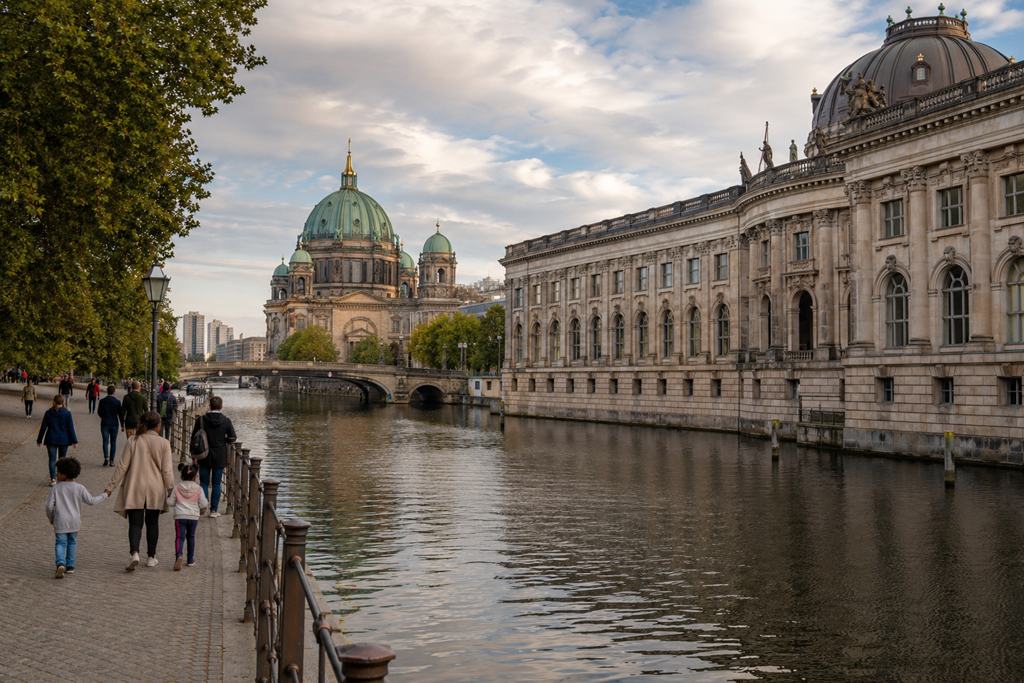
Museum Island is one of Berlin’s major cultural anchors. It is a UNESCO World Heritage Site made up of five museums built between 1824 and 1930, reflecting an important period in museum architecture and cultural collecting.
The island includes the Altes Museum, Neues Museum, Alte Nationalgalerie, Bode Museum, and Pergamon Museum, though renovation schedules can affect what is open at any given time. Check current museum access before planning a day around a specific collection.
Even if you do not visit every museum, the area is worth walking for its architecture, river views, and proximity to Berlin Cathedral and the historic center.
Memorial To The Murdered Jews Of Europe
Located near Brandenburg Gate, the Memorial to the Murdered Jews of Europe is Germany’s central Holocaust memorial. It includes the Field of Stelae and an underground Information Centre.
Visit respectfully and give yourself time. This is not a quick photo stop; it is a place of remembrance.
Berlin Wall Memorial
The Berlin Wall Memorial on Bernauer Strasse is one of the most important places to understand the division of Berlin. It offers historical context, preserved sections, and educational resources tied to the Wall and its impact on daily life.
If you want more depth than a quick stop at Checkpoint Charlie, prioritize this memorial.
East Side Gallery
The East Side Gallery is a long preserved section of the Berlin Wall covered in murals. VisitBerlin describes it as a 1.3-kilometer walk connected to the history and art of the Wall.
It is best experienced as a walk rather than a single viewpoint. Pair it with Friedrichshain, the Spree riverside, or nearby cafés and restaurants.
Tiergarten
Tiergarten is Berlin’s large central park and a useful reset between museums and monuments. It works well for walking, cycling, resting, or connecting sights between the Brandenburg Gate area and the western side of the city.
It is especially helpful if your itinerary is history-heavy and you need a quieter break.
Berlin Cathedral And The Historic Center
Berlin Cathedral sits near Museum Island and the Lustgarten. Even if you do not go inside, the surrounding area is good for photos, architecture, and orientation. It pairs naturally with Museum Island, Unter den Linden, Humboldt Forum, and the riverfront.
Charlottenburg Palace
Charlottenburg Palace gives visitors a different view of Berlin: royal, formal, and more connected to Prussian history than Cold War memory. The palace gardens are worth time, especially if you want a slower day away from the densest central sightseeing route.
Tempelhofer Feld
Tempelhofer Feld is a former airport turned public park, and it captures Berlin’s ability to reuse large urban spaces in unusual ways. It is ideal for walking, cycling, people-watching, and seeing a more local side of the city.
It is less about a single attraction and more about understanding how Berliners use space.
Berlin Neighborhoods Worth Exploring
Berlin’s neighborhoods are a major part of the trip. Try not to spend every day moving only from landmark to landmark.
Mitte
Mitte is where many first-time routes begin. It includes major museums, government buildings, historic boulevards, and several classic sights. It is convenient, central, and practical, though parts of it can feel more tourist-oriented than local.
Use Mitte as your orientation point, then branch out.
Kreuzberg
Kreuzberg is good for food, bars, street art, canals, and cultural variety. Around the Landwehr Canal, you can build a relaxed afternoon with walking, coffee, casual meals, and people-watching.
It is one of the best neighborhoods for travelers who want Berlin to feel lived-in rather than museum-like.
Friedrichshain
Friedrichshain is energetic, nightlife-oriented, and close to the East Side Gallery. It is useful for casual restaurants, bars, music venues, and late evenings.
If nightlife is a major reason for your trip, Friedrichshain should be on your map.
Prenzlauer Berg
Prenzlauer Berg offers a quieter rhythm with cafés, small shops, leafy streets, and neighborhood squares. It is a pleasant area for a slower morning or an easy dinner.
It also works well for travelers who want Berlin’s creative side without staying in the busiest nightlife districts.
Neukölln
Neukölln is diverse, food-rich, and popular with younger locals and international residents. It is good for casual dining, bars, and a less formal neighborhood experience.
It is best explored with curiosity and a flexible plan rather than a checklist.
Charlottenburg
Charlottenburg gives you classic West Berlin: broad avenues, shopping, museums, older cafés, and palace grounds. It is a good counterbalance to the grittier or more contemporary parts of the city.
Food And Drink In Berlin
Berlin’s food culture is casual, international, and shaped by migration as much as tradition. You can eat very well without focusing only on fine dining.
What To Try
Currywurst is one of Berlin’s classic street-food staples, usually served with curry-spiced ketchup and fries or bread. Döner kebab is also deeply associated with Berlin’s everyday food culture, shaped by the city’s Turkish community.
Beyond those famous choices, look for German bakeries, Turkish grill spots, Vietnamese restaurants, Syrian food, modern vegetarian and vegan places, beer gardens, food halls, and neighborhood cafés.
How To Approach Restaurants
Avoid building your trip around “must-eat” lists that may become outdated. Instead, use neighborhoods as your guide. Kreuzberg, Neukölln, Prenzlauer Berg, Mitte, and Friedrichshain all have strong food options, but the best choice depends on where you already are and what kind of evening you want.
For popular restaurants, book ahead when possible. For casual meals, leave room for discovery.
Cafés And Bakeries
Berlin is a good city for slow café breaks. Use them strategically between museum visits, long walks, or colder-weather sightseeing days. A simple bakery breakfast or afternoon coffee can make the city feel easier to navigate.
Berlin Nightlife: How To Enjoy It Without Overplanning
Berlin’s nightlife is famous, but it is also broader than its club reputation. You do not have to build your trip around all-night clubbing to enjoy Berlin after dark.
Bars And Casual Evenings
For a relaxed night, look around Kreuzberg, Neukölln, Friedrichshain, and Prenzlauer Berg. You will find everything from low-key bars to cocktail spots, beer gardens, music venues, and late-night casual food.
A good Berlin evening can be as simple as dinner, a neighborhood walk, and one or two bars.
Clubs And Music
Berlin is known globally for electronic music and club culture. If that is part of your trip, research venues before you go, understand that door policies can vary, and avoid treating any one club as guaranteed.
Keep plans flexible. Berlin nightlife often works better when you have a general area and backup options rather than a rigid schedule.
Late-Night Transportation
Berlin’s transit network makes many late evenings manageable, but service patterns can vary by day and route. Check live transit information before heading across the city late at night, especially if you are staying far from the nightlife area.
Transportation Basics
Berlin’s public transportation is one of the easiest ways to explore the city once you understand the basics. The network includes U-Bahn, S-Bahn, buses, trams, and some ferries. A valid ticket can cover multiple forms of transit within the correct zones and time period.
Understanding Zones
Berlin transit uses fare zones. Many central attractions are within the main city zones, while airport trips and some day trips may require a wider zone ticket. Always confirm the correct zone before buying your ticket.
Airport Arrival
Berlin Brandenburg Airport is outside the immediate center, so most visitors will need a valid ticket that covers the airport zone. Check current route options before arrival because the best connection depends on where you are staying.
Walking And Cycling
Berlin is walkable within neighborhoods, but not always between them. A good approach is to use transit between major areas, then walk once you arrive.
Cycling can also be a useful way to experience Berlin, especially in parks and flatter neighborhood routes, but choose this only if you are comfortable navigating city traffic and bike lanes.
Tourist Transport Cards
Berlin has visitor transport cards, including versions of the Berlin WelcomeCard that combine public transport with discounts or museum options. The official Berlin WelcomeCard includes public transport options and attraction discounts, with different validity periods available.
Whether it is worth it depends on how many paid attractions you plan to visit and how often you will use transit. Compare options before buying.
Safety And Practical Travel Notes
Berlin is generally manageable for visitors, but basic city awareness still matters.
Keep an eye on belongings in crowded areas, transit stations, and tourist-heavy sites. Use normal caution late at night, especially if you are navigating unfamiliar nightlife areas. When visiting memorials and historic sites, be respectful with photos and behavior.
English is widely used in many visitor-facing settings, but learning a few simple German phrases is still appreciated. Carry a payment card, but do not assume every small business will accept every card type. Having a small backup payment option can be useful.
Berlin is casual in dress compared with many European capitals. Comfortable shoes matter more than looking formal because many days involve long walks, transit stairs, museum time, and uneven sidewalks.
A Simple First-Time Berlin Itinerary Framework
Use this as a flexible planning outline rather than a strict schedule.
Day One: Historic Mitte
Start around Brandenburg Gate, the Reichstag, Tiergarten, and the Memorial to the Murdered Jews of Europe. Walk Unter den Linden toward Museum Island and the historic center. Keep the evening simple with dinner in Mitte, Prenzlauer Berg, or Kreuzberg.
Day Two: Museums And Cultural Berlin
Spend a half day on Museum Island or choose one major museum instead of trying to visit several quickly. In the afternoon, explore Hackescher Markt, Prenzlauer Berg, or the riverfront. Use the evening for cafés, casual dining, or a performance.
Day Three: Berlin Wall History And The East
Visit the Berlin Wall Memorial on Bernauer Strasse for deeper context, then head toward the East Side Gallery. Spend time in Friedrichshain or Kreuzberg afterward. This is a natural night to explore Berlin’s bar or music scene.
Day Four: West Berlin Or Local Neighborhoods
If you have another day, choose Charlottenburg Palace and West Berlin, or slow down with Tempelhofer Feld, Neukölln, and Kreuzberg. This day should feel less checklist-driven.
Day Five: Day Trip Or Deeper Berlin
Use an extra day for Potsdam, more museums, a food-focused neighborhood day, or a slower revisit to an area you liked. Berlin rewards extra time more than rushed coverage.
Common Berlin Planning Mistakes To Avoid
One common mistake is trying to see Berlin like a small old European city. Berlin is big, spread out, and historically layered. You will enjoy it more if you group sights by area.
Another mistake is treating nightlife as something you must do in only one famous way. Berlin has clubs, but it also has bars, music venues, late dinners, outdoor spaces, and relaxed neighborhood evenings.
A third mistake is rushing through memorials and historic sites. Berlin’s history deserves time and attention. Choose fewer places and understand them better.
Finally, do not rely on exact opening hours, renovation schedules, or ticket policies from old travel articles. Check current details before visiting museums, the Reichstag dome, and other reservation-based attractions.
Who Berlin Is Best For
Berlin is a strong destination for travelers who enjoy history, museums, architecture, nightlife, food, urban culture, and neighborhoods with distinct personalities. It is especially rewarding for people who like cities that are complex rather than simply pretty.
It may be less ideal if you want a compact, romantic old town experience or a trip centered mainly on polished scenery. Berlin’s beauty is real, but it is often found in contrast: grand monuments beside modern memorials, quiet courtyards near busy streets, and creative life built around difficult history.
Final Thoughts On Visiting Berlin
Berlin is not a city you need to “complete.” It is better approached as a place to understand in layers. Give yourself time for the famous landmarks, but also leave space for ordinary moments: a long walk through a neighborhood, a museum that takes longer than expected, a simple meal after dark, or a quiet pause in a park after a heavy historical site.
The best Berlin trip balances structure with flexibility. Know your priorities, group your days by area, use public transportation confidently, and let the city reveal itself without trying to force every experience into one itinerary.
Download Our Free E-book!