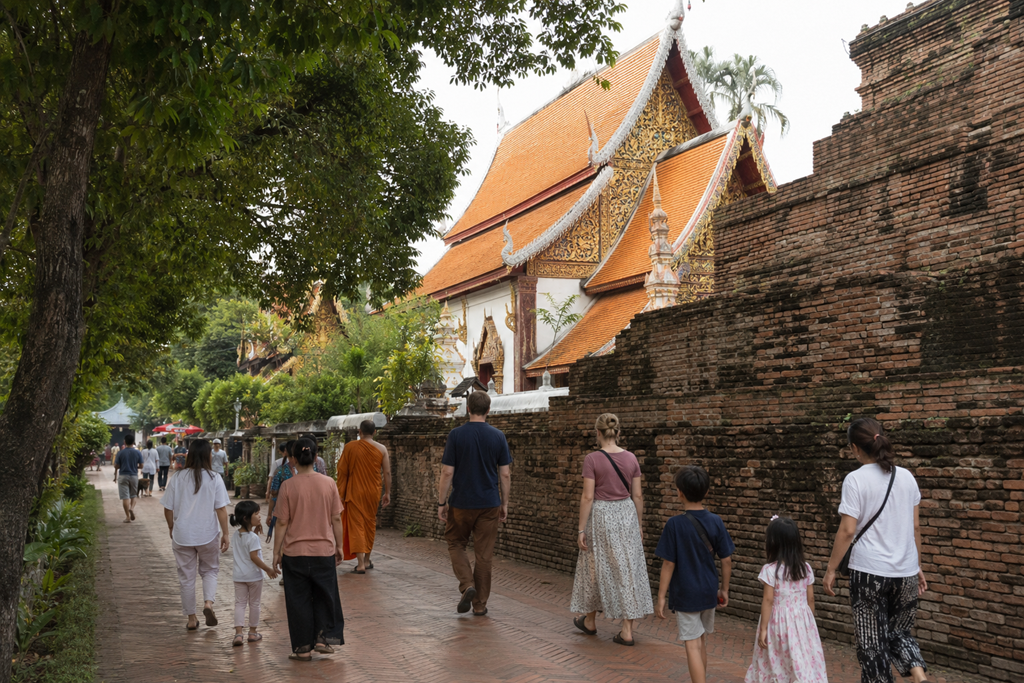
Chiang Mai is one of Thailand’s most rewarding destinations for travelers who want culture, nature, food, and a slower pace than the country’s larger cities. Set in northern Thailand, it blends historic temples, mountain scenery, traditional markets, creative neighborhoods, and day trips into green countryside.
This guide will help you understand where to stay, when to visit, what to prioritize, how to get around, and how to experience Chiang Mai in a way that feels thoughtful rather than rushed.
Why Visit Chiang Mai?
Chiang Mai is often described as Thailand’s cultural capital, and for good reason. The city is known for its Lanna heritage, Buddhist temples, old city walls and gates, handmade goods, mountain viewpoints, and easy access to nature. The Tourism Authority of Thailand highlights Phra That Doi Suthep, Thapae Walking Street, Nimmanhaemin Road, Doi Inthanon, Queen Sirikit Botanical Garden, Rajapruek Royal Park, Mae Kampong, and Doi Pui among the area’s notable experiences.
What makes Chiang Mai especially appealing is the balance. You can spend one morning visiting centuries-old temples, the afternoon in a leafy café or artisan shop, and the next day hiking, visiting a botanical garden, or exploring mountain villages outside the city.
Best Time To Visit Chiang Mai
Northern Thailand has three broad travel seasons: cool, hot, and rainy. The cool season, generally from November to February, is the most comfortable time for walking, temple visits, markets, and outdoor day trips. Thailand’s inland regions are mostly dry during this period, and northern areas can feel cooler than much of the country, especially in the mountains.
The hot season, roughly March to May, can make midday sightseeing tiring. If you visit then, plan temple walks early, use the afternoon for shaded cafés or museums, and stay hydrated.
The rainy season brings greener landscapes and can be a beautiful time for nature-focused travelers. Rain often comes in bursts rather than lasting all day, but roads, trails, and viewpoints may be affected. Pack light rain gear and keep outdoor plans flexible.
Air quality can also vary in northern Thailand, especially around regional burning periods. If you are sensitive to smoke or respiratory issues, check local air quality before and during your trip.
How Many Days Do You Need?
For a first visit, three to five days is a practical amount of time.
With three days, you can explore the Old City, visit Doi Suthep, enjoy markets, try northern Thai food, and take one nature or culture-focused day trip.
With five days, you can move more slowly, add Doi Inthanon or Mae Kampong, explore Nimmanhaemin, visit more temples, and leave room for downtime.
A week or more works well if you want to use Chiang Mai as a base for slow travel, wellness, cooking classes, creative workshops, or day trips into the surrounding mountains.
Best Areas To Stay In Chiang Mai
Old City
The Old City is the easiest choice for many first-time visitors. It sits inside the old moat and historic walls, with temples, cafés, guesthouses, massage shops, and walking streets nearby. Staying here makes it simple to explore on foot and get a strong sense of Chiang Mai’s history.
Choose the Old City if you want convenience, temple access, and a classic first-time Chiang Mai experience.
Tha Phae Gate Area
Tha Phae Gate sits on the eastern edge of the Old City and is one of Chiang Mai’s most recognizable landmarks. The area is convenient for walking streets, markets, restaurants, and transport connections.
Choose this area if you want to be close to both the Old City and the livelier commercial streets just outside it.
Nimmanhaemin
Nimmanhaemin, often called Nimman, is a more modern neighborhood known for cafés, boutiques, galleries, coworking spaces, and a younger creative feel. The Tourism Authority of Thailand notes Nimmanhaemin Road for art products, local cuisine, and culture.
Choose Nimman if you like stylish cafés, design shops, and a more contemporary side of the city.
Riverside
The Ping River area offers a softer, more spacious feel than the Old City or Nimman. It is a good option for travelers who want boutique hotels, river views, and a quieter base while still being a short ride from the main sights.
Choose Riverside if you value atmosphere and a slightly more relaxed stay.
Essential Things To Do In Chiang Mai
Visit Wat Phra That Doi Suthep
Wat Phra That Doi Suthep is one of Chiang Mai’s most important landmarks. Set on Doi Suthep mountain above the city, it is known for its golden chedi, temple architecture, and views over Chiang Mai on clear days. The Tourism Authority of Thailand identifies Phra That Doi Suthep as a key Chiang Mai highlight and an important local landmark.
Go early if you prefer fewer crowds and softer light. Dress respectfully, expect steps, and check current visiting details before you go.
Explore The Old City Temples
The Old City is filled with temples, each with its own atmosphere. Wat Chedi Luang, Wat Phra Singh, and Wat Chiang Man are common first-visit choices, but part of the experience is simply walking slowly and noticing smaller temple grounds tucked between everyday streets.
When visiting temples, cover shoulders and knees, remove shoes where required, speak quietly, and avoid treating sacred spaces like photo props.
Walk Around Tha Phae Gate
Tha Phae Gate is a useful orientation point and a natural starting place for exploring central Chiang Mai. It connects the Old City with busy streets, markets, cafés, and walking routes.
It is not a place you need to over-plan. Stop by, take in the old city wall setting, then use it as a gateway into nearby streets.
Visit The Walking Streets And Markets
Chiang Mai’s markets are part shopping experience, part cultural introduction. Thapae Walking Street is highlighted by the Tourism Authority of Thailand as a place to experience local life and shop for handmade products.
Markets are good places to browse textiles, ceramics, woodwork, silver items, snacks, and souvenirs. Bring cash, walk patiently, and avoid over-scheduling the evening.
Spend Time In Nimmanhaemin
Nimman shows Chiang Mai’s modern creative side. It is a good area for coffee, design shops, small galleries, casual dining, and people-watching. It works especially well as a lighter day after temple-heavy sightseeing.
Pair Nimman with a visit to nearby cafés, boutiques, or a relaxed dinner rather than trying to turn it into a checklist.
Take A Day Trip To Doi Inthanon
Doi Inthanon is one of northern Thailand’s classic nature day trips and is highlighted by the Tourism Authority of Thailand among Chiang Mai’s notable mountain experiences.
Travelers often visit for mountain scenery, viewpoints, waterfalls, gardens, and cooler air. Conditions can change with elevation and season, so bring layers and check current access before setting out.
Visit Queen Sirikit Botanical Garden Or Rajapruek Royal Park
For travelers who want nature without a strenuous hike, Queen Sirikit Botanical Garden and Rajapruek Royal Park are strong options. Both are mentioned by the Tourism Authority of Thailand as places to see plant life around Chiang Mai.
These are good choices for families, photographers, garden lovers, and anyone wanting a slower outdoor experience.
Consider Mae Kampong
Mae Kampong is a mountain village known for forested scenery and a quieter pace. The Tourism Authority of Thailand notes Mae Kampong for ecotourism homestay experiences.
It is best approached as a slow cultural and nature outing rather than a rushed photo stop. If staying overnight or joining a village-based experience, choose operators that respect the community and environment.
Learn Through A Cooking Class
Chiang Mai is one of Thailand’s best places to take a cooking class. Many classes introduce local ingredients, market shopping, curry pastes, soups, stir-fries, and desserts.
Choose a class that emphasizes small groups, clear instruction, and a respectful approach to Thai food traditions. It is a practical way to bring part of the trip home with you.
Choose Ethical Animal Experiences Carefully
Chiang Mai has many elephant-related experiences, but not all are equal. Avoid venues that promote riding, forced performances, or stressful close-contact interactions. Look for programs that prioritize observation, rescue, habitat, veterinary care, and clear animal welfare standards.
A good rule: the less the experience is built around entertaining tourists, the better.
What To Eat In Chiang Mai
Chiang Mai is one of the best places in Thailand to explore northern Thai food. The flavors often feel earthy, aromatic, herbal, and deeply satisfying.
Look for dishes such as khao soi, a coconut curry noodle soup often served with crispy noodles; sai ua, northern Thai sausage; nam prik ong, a tomato and chili dip often eaten with vegetables; and laap khua, a northern-style minced meat dish with spices.
Markets, simple local restaurants, and family-run eateries can be just as memorable as more polished dining rooms. Rather than chasing trendy lists, focus on places that are busy, clean, and known for local dishes.
Getting Around Chiang Mai
Chiang Mai is easier to navigate than Bangkok, but it still helps to understand your options.
In the Old City, walking is often the best way to explore. For longer distances, travelers commonly use red songthaews, tuk-tuks, taxis, and ride-hailing apps where available. Songthaews are shared red trucks that operate like informal shared transport around the city.
For temple visits, markets, and short hops between neighborhoods, rides are usually simple to arrange. For mountain trips or attractions outside the center, consider a private driver, guided day tour, or arranged transport through your accommodation.
Scooter rental is common, but it is not the best choice for every traveler. Traffic, road rules, mountain roads, weather, and insurance requirements all matter. If you are not experienced and properly licensed, use other transport.
Practical Chiang Mai Travel Tips
Dress Respectfully For Temples
Temple etiquette matters. Wear clothing that covers shoulders and knees, remove shoes before entering temple buildings, and be mindful when taking photos. Lightweight clothing is useful in Thailand’s climate, but temple visits require more coverage than a beach or resort setting. Thailand tourism guidance notes that temples may expect more conservative dress and that shoes are often removed before entering.
Build In Rest Time
Chiang Mai rewards slower travel. It is better to visit two temples thoughtfully than rush through six. Leave space for coffee, markets, massage, or simply walking through quieter lanes.
Carry Cash For Small Purchases
Many markets, street food stalls, local shops, and transport options may be easier with cash. Keep smaller bills handy and avoid depending entirely on cards.
Check Hours Before You Go
Temple access, market schedules, tours, and park details can change. For evergreen planning, assume the main attractions will remain important, but verify current hours, booking rules, and closures before visiting.
Be Thoughtful With Mountain And Nature Trips
Weather changes quickly in mountain areas. Bring water, sun protection, rain protection when needed, and a light layer for higher elevations. Avoid leaving trash, stay on marked paths, and choose guides who respect local communities.
A Simple First-Time Chiang Mai Plan
For a balanced trip, start with the Old City temples and Tha Phae Gate on your first day. Use the second day for Doi Suthep, Nimman, and a relaxed evening meal. Spend the third day at a market, cooking class, botanical garden, or nature day trip.
If you have more time, add Doi Inthanon, Mae Kampong, a deeper food day, or a slow day with no major sightseeing. Chiang Mai is not a city that needs to be conquered. It is better experienced in layers.
Final Thoughts For Planning Chiang Mai
Chiang Mai works best when you give it room. The temples are meaningful, the food is memorable, the markets are easy to enjoy, and the mountains nearby add a sense of space that many travelers appreciate.
A good Chiang Mai trip does not need to be packed from morning to night. Choose a comfortable base, plan around the weather, respect temple culture, and focus on experiences that help you understand the city rather than simply move through it.
Download Our Free E-book!