Florence is one of Italy’s most rewarding cities for travelers who love art, architecture, food, history, and walkable streets. It is compact enough to explore on foot, but layered enough that even a short visit can feel rich and memorable.
This guide will help you understand the best times to visit, where to stay, which neighborhoods to explore, what attractions are worth prioritizing, how to approach the food scene, and how to move around with less stress. Florence rewards planning, but it does not require rushing.
Why Visit Florence?
Florence is the capital of Tuscany and one of the great centers of Renaissance art and architecture. Its historic center is filled with churches, museums, bridges, piazzas, palaces, and narrow streets that make the city feel like an open-air museum.
Many first-time visitors come for the Duomo, the Uffizi Gallery, Michelangelo’s David, and the Ponte Vecchio. Those are all worth seeing. But Florence is also a city of artisan workshops, quiet courtyards, local food traditions, river views, and evening walks through neighborhoods that feel more relaxed once the day-tripper crowds thin out.
The most popular cultural sites include the Cathedral complex, the Uffizi, the Accademia, the Bargello, Santa Croce, Santa Maria Novella, and San Lorenzo, all of which continue to define the classic Florence experience.
Best Time To Visit Florence
Florence can be visited year-round, but the experience changes depending on the season.
Spring
Spring is one of the most pleasant times to visit. The weather is usually comfortable for walking, gardens begin to bloom, and daylight hours are long enough for full sightseeing days. This is also a popular travel period, so book major museums and central accommodations ahead of time.
Summer
Summer brings long days, lively streets, and the highest heat. Florence’s stone streets and piazzas can feel very warm in the afternoon, so it helps to plan indoor museum visits during the hottest part of the day and save walks for morning or evening.
Fall
Fall is another excellent season for Florence. The weather often remains comfortable, and the city pairs especially well with Tuscany’s food and wine culture. Early fall can still be busy, while later fall may feel more manageable.
Winter
Winter is quieter, cooler, and often better for travelers who care more about museums and food than long outdoor days. Some attractions may have shorter hours, so check current schedules before you go.
How Many Days Do You Need In Florence?
Florence can be enjoyed in two days, but three to four days gives you a much better experience.
With two days, focus on the historic center, the Duomo area, the Uffizi or Accademia, Ponte Vecchio, and one scenic viewpoint. With three days, add the Oltrarno, Boboli Gardens, Santa Croce, San Lorenzo, or the Bargello. With four or more days, you can slow down, take a food-focused walk, explore more churches and museums, or use Florence as a base for nearby Tuscan towns.
Florence is not a city where you need to see everything. It is better to choose a few major attractions, leave room for wandering, and avoid stacking too many museum visits into one day.
Key Areas And Neighborhoods In Florence
Historic Center
The historic center is the heart of Florence and the best area for first-time visitors who want to be close to major sights. This is where you will find the Duomo, Piazza della Signoria, Palazzo Vecchio, the Uffizi Gallery, and many of the city’s busiest walking streets.
Staying here is convenient, but it can also be crowded. If you choose a hotel in the historic center, look carefully at the exact street and nearby nightlife before booking.
Duomo And San Giovanni
The Duomo area is ideal for travelers who want to be near Florence’s most recognizable landmark. It is central, dramatic, and easy for sightseeing, though it can feel busy throughout the day.
This area works well for short stays because many major attractions are within walking distance.
Santa Maria Novella
Santa Maria Novella is convenient if you are arriving by train or planning day trips. The neighborhood sits near Florence’s main railway station and has easy access to the historic center.
It is practical rather than romantic in some parts, but it can be a smart base for travelers who value transportation convenience.
Santa Croce
Santa Croce is a lively area east of the main tourist core. It offers easy access to the Basilica of Santa Croce, restaurants, bars, and streets that feel slightly less concentrated than the Duomo area.
It can be a good choice for travelers who want central access with a bit more neighborhood atmosphere.
San Lorenzo And San Marco
San Lorenzo is known for markets, food, and Medici history. San Marco is a little quieter and is close to the Accademia Gallery. These areas are useful if you want to stay near major museums without being directly beside the Duomo.
Oltrarno
Oltrarno means “beyond the Arno,” referring to the side of Florence across the river from the historic center. This area includes Santo Spirito, San Frediano, Pitti Palace, and the Boboli Gardens.
Oltrarno is often a favorite for travelers who want artisan workshops, smaller streets, evening atmosphere, and a slightly less polished feel. It is still close enough to walk to the main sights, especially if you stay near Ponte Vecchio or Santo Spirito.
Top Attractions And Experiences In Florence
The Duomo And Cathedral Complex
Florence’s Cathedral of Santa Maria del Fiore is the city’s defining landmark. Its dome, designed by Filippo Brunelleschi, dominates the skyline and anchors the historic center.
The wider cathedral complex includes the cathedral, dome, bell tower, baptistery, crypt, and museum. You do not need to do every part to appreciate the area, but the exterior alone is worth time from multiple angles.
If you want to climb the dome or bell tower, book ahead and be prepared for stairs. If you prefer a less physically demanding visit, spend time in the piazza, visit the museum, or enjoy the view from a nearby terrace or street corner.
Uffizi Gallery
The Uffizi Gallery is one of the most important art museums in Italy. It is especially known for Renaissance masterpieces, including works associated with Botticelli, Leonardo da Vinci, Michelangelo, Raphael, and other major artists.
This is not a museum to rush through. Choose a time slot, arrive prepared, and focus on the rooms and works that matter most to you. The official Uffizi ticketing information includes reserved entry options, which can help travelers plan around busy periods.
Accademia Gallery
The Accademia Gallery is best known for Michelangelo’s David. Seeing the sculpture in person is a major Florence experience, even for travelers who are not deeply familiar with Renaissance art.
Because the museum is smaller than the Uffizi, many visitors pair it with the San Marco or San Lorenzo area. Timed entry is commonly recommended for the Accademia because long lines can form, especially during busy travel periods.
Ponte Vecchio
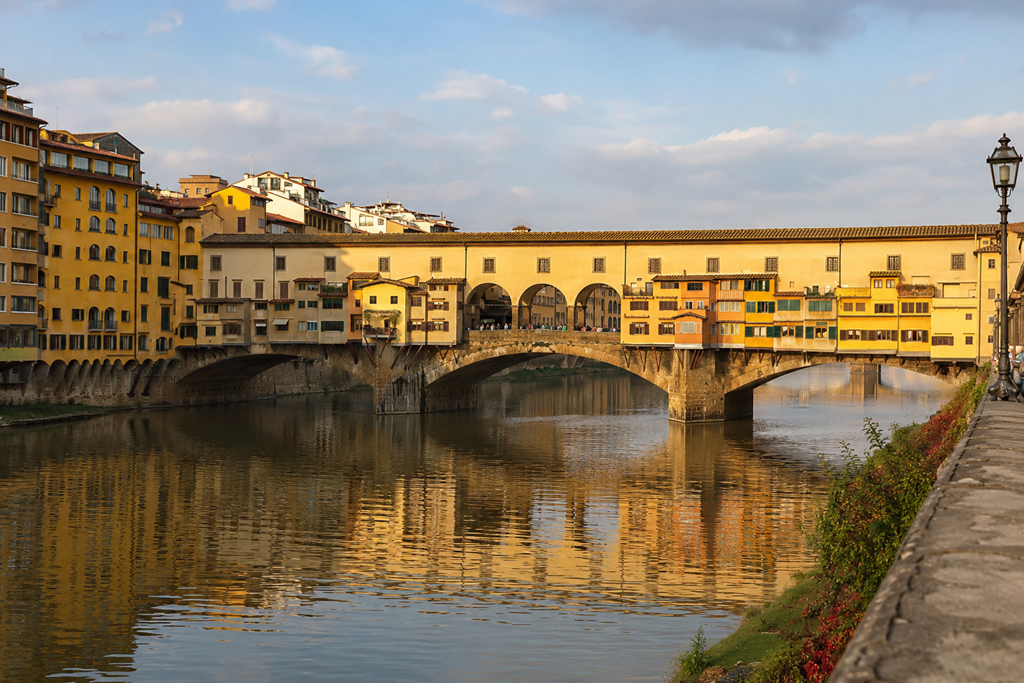
Ponte Vecchio is Florence’s famous medieval bridge over the Arno River. Its shops, arches, and river setting make it one of the most photographed places in the city.
The bridge itself can be crowded, so it is often best enjoyed early in the morning, later in the evening, or from nearby riverbanks where you can see it from a distance.
Piazza della Signoria And Palazzo Vecchio
Piazza della Signoria is one of Florence’s most important public squares. It sits near the Uffizi and Palazzo Vecchio and is filled with sculpture, architecture, and political history.
Even if you do not tour Palazzo Vecchio, spend time in the square. It is one of the best places to feel Florence’s civic and artistic identity in one setting.
Basilica Of Santa Croce
Santa Croce is a major Franciscan church and one of Florence’s most meaningful historic sites. It is associated with important Italian figures and contains impressive art, chapels, and monuments.
The surrounding neighborhood is also worth exploring, especially if you want to move slightly away from the tightest Duomo-area crowds.
Pitti Palace And Boboli Gardens
Across the river, Pitti Palace and the Boboli Gardens offer a different side of Florence: grand, spacious, and connected to the city’s Medici history.
The palace contains multiple museum spaces, while the gardens provide outdoor views, paths, and a break from dense streets. This is a good choice for travelers with more than two days in Florence.
Piazzale Michelangelo
Piazzale Michelangelo is one of the classic viewpoints over Florence. From here, you can see the Duomo, Palazzo Vecchio, Ponte Vecchio, the Arno River, and the Tuscan hills beyond the city.
The walk uphill can be part of the experience, though taxis and buses are options for those who prefer not to climb. Sunset is popular, but morning can be quieter.
San Lorenzo Market And Mercato Centrale
The San Lorenzo area is useful for travelers interested in food, leather goods, and a busy market atmosphere. Mercato Centrale offers a convenient way to sample different foods under one roof, while the surrounding streets are full of vendors and shops.
As with any market area, compare quality, avoid rushed purchases, and keep an eye on your belongings.
Oltrarno Artisan Streets
Oltrarno is one of the best areas for a slower walk. Look for artisan workshops, antique shops, cafés, small churches, and quieter side streets.
The Santo Spirito area is especially pleasant in the evening, when the neighborhood feels more lived-in and less centered on sightseeing.
Food In Florence: What To Expect
Florence is deeply connected to Tuscan food traditions. Meals are often simple, hearty, and ingredient-focused rather than overly complicated.
Dishes And Foods To Look For
Classic foods and experiences to consider include:
- Bistecca alla Fiorentina, a thick Florentine-style steak usually shared
- Ribollita, a traditional Tuscan bread and vegetable soup
- Pappa al pomodoro, a tomato and bread soup
- Crostini, often served with Tuscan-style toppings
- Pappardelle with wild boar ragù, common in Tuscan cooking
- Lampredotto, a traditional Florentine street food
- Cantucci with vin santo, a classic sweet pairing
- Gelato, best found at shops that focus on quality ingredients
You do not need to chase the most famous restaurant in town to eat well. Florence rewards simple trattorias, bakeries, market stalls, wine bars, and neighborhood places that serve traditional dishes with care.
How To Choose Restaurants
Look for menus that are focused rather than endless. Be cautious of places with aggressive street promotion, large photo-heavy menus, or locations directly beside the most crowded landmarks.
Reservations are helpful for popular small restaurants, especially for dinner. For a more relaxed experience, consider eating slightly earlier or slightly later than peak times.
Coffee, Wine, And Aperitivo
Florence is a good city for simple coffee stops, Tuscan wine, and aperitivo. A morning espresso at the bar, a glass of Chianti with dinner, or a pre-dinner drink near Santo Spirito can all become part of the travel experience without requiring much planning.
Getting Around Florence
Florence is best explored on foot. The historic center is compact, and many of the main attractions are within a manageable walking distance of each other.
Walking
Walking is the easiest way to experience Florence. The streets are narrow, scenic, and often more enjoyable when you allow extra time between major sights.
Comfortable shoes matter. Stone streets, uneven pavement, and museum-heavy days can be tiring.
Train Arrival
Many travelers arrive at Firenze Santa Maria Novella station, which is close to the historic center. From there, many central hotels are reachable on foot or by a short taxi ride.
Airport Transfer
Florence Airport is connected to the city by tram service, including a route between the airport and the Santa Maria Novella area. Official regional tourism guidance describes the tram ride between the airport and the station area as a practical connection, though travelers should always check current schedules before arrival.
Buses And Trams
Most first-time visitors staying centrally will not need buses often. Trams are especially useful for airport access and some routes outside the historic center, while buses can help with less central areas. Florence travel guidance commonly notes that central visitors may rely mostly on walking, with public transport used when going farther out.
Taxis And Ride Planning
Taxis can be useful with luggage, late arrivals, mobility needs, or trips to uphill viewpoints. They are usually found at taxi stands rather than hailed casually on the street.
Practical Travel Tips For Florence
Book Major Museums Ahead During Busy Periods
The Uffizi and Accademia are two of Florence’s most in-demand museums. If these are priorities, reserve timed-entry tickets ahead of time during busy travel periods and verify the official entry process before you go.
Do Not Overload Your Museum Days
Florence has world-class art, but too many museums in one day can become exhausting. Pair one major museum with a neighborhood walk, a long lunch, or a scenic viewpoint.
Start Early For Popular Sights
Early mornings are helpful for the Duomo area, Ponte Vecchio, and major piazzas. The city feels different before the busiest part of the day begins.
Leave Time For Wandering
Some of Florence’s best moments happen between planned stops: a side street near Santa Croce, an artisan window in Oltrarno, a quiet church, or a view of the Arno at dusk.
Check Current Rules Before Visiting Churches
Many churches require modest dress and may limit access during services. Carrying a light layer can be useful, especially in warmer months.
Watch For Crowds In Narrow Areas
Florence is compact, and the busiest streets can feel crowded. Keep valuables secure, especially around major landmarks, markets, and train areas.
Stay Longer If You Want A Softer Pace
A rushed Florence trip can feel like a checklist. Adding even one extra day makes it easier to balance famous art, food, neighborhoods, and rest.
A Simple First-Time Florence Plan
For a first visit, a balanced Florence trip might look like this:
Spend your first day around the Duomo, Piazza della Signoria, the Uffizi, Ponte Vecchio, and the river. Use the evening for a relaxed dinner and a walk through the historic center.
Spend your second day seeing the Accademia, San Lorenzo, Santa Maria Novella, or Santa Croce. Add time for a market, a traditional lunch, and a slower evening in Oltrarno.
On a third day, visit Pitti Palace and Boboli Gardens, explore Santo Spirito, walk up to Piazzale Michelangelo, or add another museum depending on your interests.
The goal is not to see every famous site. The goal is to experience Florence in a way that gives the art, food, streets, and history room to breathe.
Is Florence Worth Visiting?
Florence is absolutely worth visiting, especially if you appreciate art, architecture, walkable cities, and strong food traditions. It can be crowded, and the most famous attractions require planning, but the city remains deeply rewarding.
The best Florence trip balances the iconic and the ordinary: the Duomo and a quiet side street, the Uffizi and a simple bowl of ribollita, Ponte Vecchio and an evening across the river in Oltrarno. With a little structure and enough open time, Florence can feel both impressive and personal.
Download Our Free E-book!