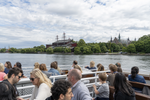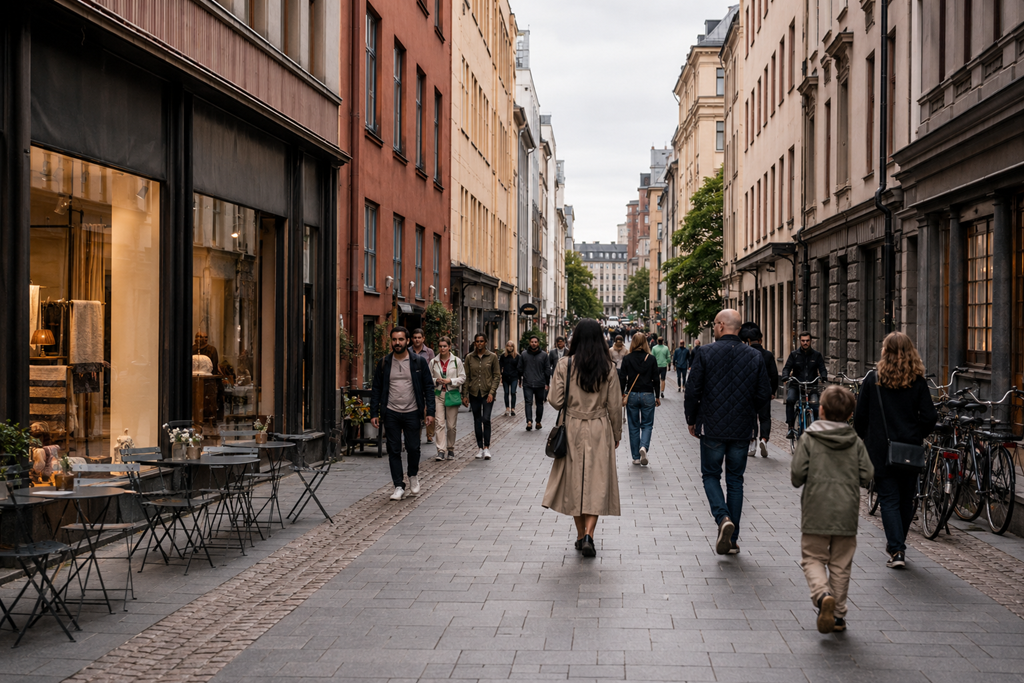
Helsinki is one of Europe’s most approachable capital cities: coastal, design-minded, walkable, and easy to enjoy without rushing from sight to sight. It blends Nordic architecture, island scenery, public saunas, museums, markets, cafés, and everyday city life in a way that feels both refined and practical.
This guide will help you understand where to stay, what to see, how to get around, when to visit, what to eat, and how to plan a Helsinki trip that feels organized without becoming overpacked. It follows your travel guide prompt and evergreen article requirements.
Helsinki At A Glance
Helsinki is Finland’s capital and largest city, located on the Gulf of Finland along the country’s southern coast. It is known for its waterfront setting, island access, Nordic design, public saunas, neoclassical landmarks, modern architecture, and strong connection between city life and nature. Visit Finland describes the Helsinki region as a place where nature trails and city life are both close at hand, with food, saunas, museums, architecture, and design as key parts of the visitor experience.
For first-time visitors, Helsinki is usually easiest to enjoy over three to four days. That gives you enough time for the historic center, one or two museums, Suomenlinna, a sauna experience, markets, design-focused neighborhoods, and relaxed meals. With extra time, you can add nearby nature, more islands, or a day trip.
Helsinki is not a city that depends on one “must-see” moment. Its appeal comes from how the pieces fit together: walking from a grand square to a waterfront market, taking a ferry to a sea fortress, warming up in a sauna, browsing design shops, and ending the day with Finnish comfort food or a simple café break.
Best Time To Visit Helsinki
Helsinki changes noticeably by season, so the best time to visit depends on the kind of trip you want.
Summer: Long Days And Outdoor Helsinki
Summer is the most popular time to visit Helsinki, especially for first-time travelers who want long daylight hours, easier walking weather, terrace dining, island trips, and waterfront time. Visit Finland notes that Finland has distinct seasons, with Helsinki summers regularly reaching warm temperatures compared with the rest of the country.
This is a good season for Suomenlinna, parks, outdoor cafés, harbor walks, island hopping, and slow evenings by the water. It can also be a busier and more expensive period, so book lodging ahead if you are traveling during peak summer weeks.
Spring And Autumn: Quieter, Practical, And Atmospheric
Spring and autumn are good choices if you prefer fewer crowds and a more everyday feel. Spring brings longer days and gradually livelier outdoor spaces, while autumn adds crisp air, changing leaves, and a more reflective city mood.
These shoulder seasons work well for museums, food, architecture, design browsing, cafés, and neighborhood walks. Bring layers, expect shifting weather, and plan a mix of indoor and outdoor activities.
Winter: Short Days, Sauna Culture, And Nordic Atmosphere
Winter in Helsinki can be cold, dark, and beautiful in a restrained way. This is a good time for travelers who enjoy museums, saunas, cozy cafés, winter walks, and a less crowded city experience. It is not the best season if your main goal is long outdoor sightseeing days, but it can be rewarding if you plan realistically.
Pack warm layers, waterproof footwear, gloves, and a hat. Build your days around shorter sightseeing blocks and use museums, saunas, libraries, cafés, and restaurants as comfortable pauses.
How Many Days Do You Need In Helsinki?
For most visitors, three days is a solid starting point.
With two days, focus on the historic center, Market Square, Helsinki Cathedral, a sauna, and either Suomenlinna or one major museum.
With three to four days, you can add the Design District, Oodi Central Library, Temppeliaukio Church, more waterfront time, neighborhood exploring, and a slower food experience.
With five days or more, Helsinki becomes a base for nearby nature, additional islands, day trips, and a more local pace.
Helsinki is compact enough that you do not need to fill every hour. In fact, the city is often better when you leave space for walking, coffee, water views, and unplanned stops.
Where To Stay In Helsinki
Choosing where to stay in Helsinki is mostly about your preferred pace. The city is well connected by public transportation, so you do not need to stay directly beside every attraction. Still, first-time visitors usually benefit from staying central.
City Center And Around Helsinki Central Station
The city center is the most convenient area for first-time visitors. You will be close to trains, trams, shopping streets, restaurants, museums, and many major sights. This area is practical if you are arriving by rail, taking day trips, or want easy access to public transport.
It is not always the most atmospheric part of the city, but it is one of the easiest bases.
Kruununhaka And Senate Square Area
This area places you near Helsinki Cathedral, Senate Square, the harbor, and the older neoclassical core of the city. It is a good fit if you enjoy historic architecture, quieter streets, and being within walking distance of the waterfront.
Design District And Punavuori
The Design District and nearby Punavuori are good choices for travelers who like boutiques, galleries, cafés, restaurants, and a more creative neighborhood feel. This area works well for couples, solo travelers, and repeat visitors who want to experience Helsinki beyond the main sightseeing circuit.
Kamppi And Töölö
Kamppi is central, practical, and convenient for shopping, transport, and restaurants. Nearby Töölö is a strong choice for culture-focused travelers because it gives good access to museums, parks, Finlandia Hall surroundings, Temppeliaukio Church, and the waterfront.
Kallio
Kallio has a more local, everyday feel, with bars, cafés, casual restaurants, and good transit connections. It can be a good option for budget-conscious travelers or visitors who want a less polished neighborhood base.
Key Areas And Neighborhoods To Explore
Helsinki is best understood through a few distinct areas rather than a long checklist of isolated sights.
Senate Square And The Historic Center
Senate Square is one of Helsinki’s most recognizable spaces, anchored by Helsinki Cathedral and surrounded by neoclassical buildings. It is a natural starting point for first-time visitors because it gives a clear sense of the city’s architecture, history, and layout.
From here, you can walk toward the harbor, Market Square, Esplanadi, and several central museums.
Market Square And The South Harbor
Market Square sits beside the harbor and is one of the city’s classic visitor areas. It is especially useful as a starting point for Suomenlinna ferries, waterfront walks, and views toward the islands. The atmosphere changes with the season, but the harbor remains one of the most important orientation points in the city.
Nearby, the Old Market Hall is a good place to explore Finnish food traditions in a sheltered setting.
Esplanadi
Esplanadi is a central park-like boulevard between the city center and the harbor. It is a useful walking route, a place to pause, and a good connector between shopping streets, cafés, design stores, and waterfront areas.
Design District
The Design District is less about one single attraction and more about browsing slowly. Expect shops, studios, galleries, cafés, and design-focused stops. It is a good area for travelers interested in Finnish aesthetics, interiors, fashion, craft, and everyday design culture.
Töölö
Töölö offers a mix of museums, architecture, parks, waterfront paths, and cultural venues. It is a good area when you want a more spacious Helsinki experience, especially around Töölönlahti Bay and nearby cultural landmarks.
Kallio
Kallio is more residential and less formal than the central sightseeing areas. It is a good place to see a younger, more local side of Helsinki through casual cafés, bars, vintage shops, and neighborhood streets.
Top Attractions And Experiences In Helsinki
Helsinki has enough major sights to fill several days, but the city is most enjoyable when you balance landmarks with slower experiences.
Helsinki Cathedral And Senate Square
Helsinki Cathedral is the city’s most famous architectural landmark. Its white façade, green domes, and broad steps define the view over Senate Square. Even if you only stop briefly, this is one of the essential places to understand Helsinki’s visual identity.
The square is also a useful orientation point. From here, it is easy to walk toward the harbor, market, university area, and central shopping streets.
Suomenlinna Sea Fortress
Suomenlinna is one of Helsinki’s most worthwhile experiences. This historic sea fortress spreads across a group of islands and combines walking paths, old fortifications, sea views, museums, cafés, and residential life. It is a UNESCO World Heritage Site and one of the best ways to experience Helsinki’s relationship with the water.
Plan enough time to walk without rushing. Wear comfortable shoes, bring layers, and check ferry details before you go. HSL notes that the same public transport ticket can be used across trams, buses, Metro, commuter trains, light rail, and the Suomenlinna ferry, which makes the trip straightforward for visitors.
Temppeliaukio Church
Temppeliaukio Church, often called the Rock Church, is built directly into solid rock and is one of Helsinki’s most distinctive modern architectural sights. Its interior is simple, warm, and memorable, with natural stone walls and a copper-toned ceiling.
It is a good stop for architecture lovers, photographers, and anyone who appreciates quiet spaces. Check current visiting times before you go, as churches may adjust access for services or events.
Oodi Central Library
Oodi Central Library is one of Helsinki’s best examples of modern public architecture and civic design. It is more than a library: visitors come for the flowing wooden exterior, open interior spaces, views, work areas, cafés, and community atmosphere.
It is especially useful on cold or rainy days, but it is worth visiting in any season. It also pairs well with nearby cultural sites around Töölönlahti.
National Museum Of Finland
The National Museum is a strong choice if you want historical context for Finland and Helsinki. It helps visitors understand the country beyond surface impressions, especially if this is your first trip to Finland.
As with any museum, check current opening information and any renovation notes before planning your day.
Ateneum Art Museum
Ateneum is one of Finland’s major art museums and a good stop for travelers interested in Finnish visual culture. It is centrally located, making it easy to combine with the railway station area, shopping streets, cafés, and other central sights.
Museum Of Contemporary Art Kiasma
Kiasma is Helsinki’s main contemporary art museum and works well for visitors who want a more modern cultural stop. Its architecture and exhibitions make it a useful contrast to the neoclassical center and older museums.
Amos Rex
Amos Rex is known for its contemporary art focus and distinctive underground exhibition spaces. Even if you do not go inside, the exterior courtyard and domed skylight forms are worth noticing as part of Helsinki’s modern architectural landscape.
Uspenski Cathedral
Uspenski Cathedral stands near the harbor and offers a different architectural perspective from Helsinki Cathedral. Its red brick exterior, onion domes, and elevated position make it one of the city’s most recognizable landmarks.
It is easy to pair with Market Square, the harbor, and Katajanokka.
Löyly Or A Public Sauna Experience
Sauna is an essential part of Finnish life, and Helsinki gives visitors several ways to experience it. A public sauna can be a memorable part of the trip, especially if you choose one with sea access or a strong local atmosphere.
Learn the basic etiquette before you go, bring what the facility requires, and check booking rules. Some saunas are more social and design-forward, while others are more traditional and local.
Old Market Hall
The Old Market Hall is a good place to explore Finnish food in an easy, central setting. It is useful for travelers who want to try local flavors without committing to a formal restaurant meal. Look for fish dishes, rye bread, pastries, coffee, soups, and seasonal specialties.
Seurasaari Open-Air Museum
Seurasaari offers a quieter, greener experience outside the densest part of the city. The open-air museum and surrounding island setting are useful for travelers interested in traditional Finnish buildings, nature, and slower walking.
It is especially pleasant in mild weather, though seasonal access and museum operations should be checked before visiting.
Sibelius Monument
The Sibelius Monument is a popular outdoor sculpture dedicated to Finnish composer Jean Sibelius. It is often included in first-time Helsinki itineraries and pairs well with a walk through Töölö or a visit to nearby parks and waterfront paths.
Helsinki’s Waterfront Walks
Some of Helsinki’s best moments are simple: walking by the water, watching ferries move through the harbor, sitting near the shore, or connecting parks and neighborhoods on foot.
The city’s coastal setting is one of its strongest features, so do not limit your visit to indoor attractions. Even a short waterfront walk can make the trip feel more grounded.
Food And Drink In Helsinki
Helsinki’s food scene is shaped by Finnish traditions, Nordic ingredients, Baltic influences, seasonal cooking, coffee culture, and modern design-minded dining. You do not need to chase trendy restaurants to eat well here. Focus instead on classic flavors, market halls, bakeries, cafés, and a few thoughtfully chosen meals.
Finnish Foods To Try
Good starting points include salmon soup, rye bread, Karelian pies, cinnamon buns, fish dishes, berries, mushrooms, potatoes, root vegetables, and seasonal game or seafood depending on the restaurant. Finnish food is often simple in presentation but satisfying when ingredients are good.
Café Culture
Coffee and pastries are an easy part of daily Helsinki life. A café stop can be useful between museums, especially in colder months. Try a cinnamon bun, cardamom pastry, or simple cake with coffee.
Market Halls And Casual Meals
Market halls are practical for travelers because they let you sample local food without a long meal. They are also good for solo travelers, families, and visitors who want something flexible.
Restaurants
For restaurants, consider mixing one traditional Finnish meal with one modern Nordic meal and one casual neighborhood dinner. Book ahead for popular places, especially during weekends and busy travel periods, but avoid building your trip around any single restaurant that may change over time.
Getting Around Helsinki
Helsinki is one of the easier European capitals to navigate. The city center is walkable, public transport is reliable, and airport connections are straightforward.
Walking
Walking is often the best way to experience central Helsinki. Many major sights are close enough to connect on foot, especially around Senate Square, Market Square, Esplanadi, Kamppi, and parts of Töölö.
Wear comfortable shoes. Cobblestones, winter conditions, and waterfront wind can make footwear more important than distance.
Public Transportation
Helsinki’s public transport network includes trams, buses, Metro, commuter trains, light rail, and ferries. HSL says visitors can use the same ticket across major transport modes, including the Suomenlinna ferry, which makes route planning easier.
Trams are especially useful for visitors because they connect central areas and allow you to see the city as you move. The Metro is helpful for longer east-west journeys. Buses and trains are useful for areas beyond the core.
Airport To City Center
Helsinki Airport is connected to the city center by commuter trains. Finavia notes that the P and I trains run between the airport and Helsinki city centre, with a journey of about 30 minutes.
For most visitors, the train is the simplest airport transfer. Check current ticket zones, schedules, and purchasing options before arrival.
Taxis And Ride Services
Taxis can be useful late at night, with luggage, or during bad weather, but most visitors can rely mainly on public transport and walking. Confirm pricing and use official or reputable services.
Cycling
Helsinki can be good for biking in suitable weather, and the city notes that Helsinki is well suited for biking and walking, with reliable public transportation available year-round.
Cycling is best if you are comfortable with urban biking and understand local routes. In winter or poor weather, public transport is usually easier.
Practical Planning Tips
Build Your Days By Area
Avoid crossing the city repeatedly. Group nearby sights together. For example, combine Senate Square, Helsinki Cathedral, Market Square, the Old Market Hall, Uspenski Cathedral, and the harbor in one day. Save Töölö, Oodi, museums, and Temppeliaukio Church for another.
Leave Time For Weather
Helsinki weather can shift quickly, especially near the water. Keep a flexible plan with indoor backups such as museums, cafés, Oodi, market halls, and sauna time.
Check Hours Before You Go
Museums, churches, saunas, and seasonal attractions may change schedules. For evergreen planning, assume that opening hours, entry rules, and booking requirements can change. Check current details before visiting.
Pack Layers
Even in summer, evenings by the water can feel cool. In winter, warm outerwear and proper footwear matter. A layered approach works better than relying on one heavy item.
Use Contactless Or App-Based Transit Options
Helsinki’s transit system is visitor-friendly, but you should still understand ticket zones before traveling, especially for the airport. HSL recommends visitor-friendly ticket options and notes that contactless payment is available for adult single tickets.
Do Not Overpack Your Itinerary
Helsinki rewards a slower pace. A good day might include one major attraction, one neighborhood walk, one museum or sauna, and a relaxed meal. Trying to force too many sights into one day can make the city feel less enjoyable than it is.
Suggested First-Time Helsinki Itinerary
Day One: Historic Helsinki And The Harbor
Start at Senate Square and Helsinki Cathedral. Walk toward Market Square, browse the harbor area, and visit the Old Market Hall. Continue to Uspenski Cathedral and Katajanokka if you want more architecture and waterfront views.
In the afternoon, walk along Esplanadi or explore central shopping streets and cafés. Keep dinner simple and central.
Day Two: Suomenlinna And Sauna
Take the ferry to Suomenlinna and spend several hours walking the island fortress. Give yourself time for sea views, fortifications, small museums, and a relaxed lunch or coffee stop.
Later, return to the city for a sauna experience. This is a good day to avoid overplanning because Suomenlinna is best enjoyed without rushing.
Day Three: Design, Museums, And Modern Helsinki
Spend the day around the Design District, Kamppi, Töölö, and the cultural center. Visit Oodi Central Library, choose one or two museums, and stop at Temppeliaukio Church if it fits your route.
End with a thoughtful Finnish or modern Nordic meal, or keep things casual in a neighborhood restaurant.
Optional Extra Day: Nature, Islands, Or A Day Trip
With more time, visit Seurasaari, explore additional waterfront paths, spend more time in Kallio or Punavuori, or consider a nearby day trip. Keep the extra day flexible so you can adjust for weather.
Common Mistakes To Avoid
Treating Helsinki Like A Checklist City
Helsinki has important landmarks, but its real strength is atmosphere, design, water, food, and daily life. Give yourself time to walk and notice.
Skipping The Water
The harbor, islands, ferries, and waterfront paths are central to the Helsinki experience. Even if you are not taking a long boat trip, include time near the sea.
Underestimating The Weather
Wind, rain, snow, or cold can affect how long you want to stay outside. Dress practically and plan indoor breaks.
Staying Too Far From Transit
You do not have to stay in the exact center, but make sure your accommodation is close to a tram, Metro, bus, or train connection.
Expecting A Loud Nightlife Capital
Helsinki has nightlife, bars, and music, but many visitors appreciate it most for design, food, saunas, architecture, and a more measured pace.
Is Helsinki Worth Visiting?
Helsinki is absolutely worth visiting if you enjoy Nordic cities, architecture, design, clean public spaces, coastal scenery, museums, saunas, and thoughtful food experiences. It may not have the dramatic density of some older European capitals, but that is part of its appeal.
It is a city for travelers who like to walk, observe, eat well, warm up in a sauna, cross the water by ferry, and experience a capital that feels closely connected to nature. For a first trip to Finland, Helsinki is the most practical and rewarding place to begin.
Download Our Free E-book!