Munich is one of Europe’s easiest major cities to enjoy on a first visit. It has grand historic squares, world-class museums, leafy parks, traditional beer halls, elegant shopping streets, and quick access to the Bavarian countryside. It feels polished without being difficult, cultural without being overwhelming, and large enough to offer variety while still being manageable for a short trip.
This guide will help you understand Munich before you go: when to visit, where to stay, which neighborhoods matter most, what to see, how to get around, what to eat, and how to plan your time without trying to do everything at once.
Munich’s classic first-time sights include Marienplatz, the Neues Rathaus, Frauenkirche, Viktualienmarkt, Nymphenburg Palace, the Residenz, the English Garden, and several major museums, many of which are concentrated in or near the historic center.
Munich At A Glance
Munich is the capital of Bavaria in southern Germany. For travelers, it is best known for its historic Old Town, beer culture, royal architecture, art museums, green spaces, and proximity to the Alps.
The city works especially well for first-time visitors because many of its most important sights are either walkable or well connected by public transportation. You can spend the morning exploring historic churches and squares, have lunch at a market or beer hall, visit a museum in the afternoon, and still have time for a relaxed evening stroll.
Munich is also a good choice if you want a European city that feels organized and approachable. It has a strong public transit network, clear central neighborhoods, and a travel experience that can be shaped around history, food, art, architecture, parks, or day trips.
Best Time To Visit Munich
Munich is a year-round destination, but the best time depends on the kind of trip you want.
Spring
Spring is a pleasant time to visit if you want mild weather, blooming parks, and a less intense travel pace than peak summer. The English Garden, palace grounds, and outdoor cafés become especially enjoyable as temperatures rise.
Pack layers, since spring weather can shift between cool mornings, mild afternoons, and occasional rain.
Summer
Summer brings the warmest weather and the most outdoor energy. It is a good season for beer gardens, park walks, day trips, and long evenings outside. It is also one of the busier times to visit, so book accommodations early and expect more people around major landmarks.
Autumn
Autumn is one of Munich’s most appealing seasons. The weather is often comfortable, parks take on rich colors, and the city has a traditional Bavarian atmosphere. Early autumn can be especially busy, so plan ahead if your trip overlaps with major seasonal events.
Winter
Winter is quieter in some ways and atmospheric in others. Cold weather makes museums, churches, cafés, and indoor cultural sites more appealing. Outdoor sightseeing is still possible, but you will want warm layers, sturdy shoes, and a more flexible schedule.
How Many Days Do You Need In Munich?
For a first visit, three full days is a comfortable amount of time.
With three days, you can see the Old Town, visit major attractions, spend time in the English Garden, explore a museum or palace, and enjoy Munich’s food culture without rushing.
If you only have two days, focus on the historic center, one major museum or palace, and a simple evening beer hall experience. If you have four or five days, add a day trip, slow down your museum visits, or spend more time in neighborhoods outside the Old Town.
Best Areas To Stay In Munich
Munich has several useful areas for first-time visitors. The best choice depends on your budget, travel style, and how much you want to walk.
Altstadt-Lehel: Best For First-Time Sightseeing
Altstadt-Lehel includes much of Munich’s historic core. Staying here puts you close to Marienplatz, the Frauenkirche, Viktualienmarkt, the Residenz, major shopping streets, and many classic sights.
This is one of the most convenient areas for a first visit, especially if you want to walk to many attractions. It can also be more expensive, so it is best suited for travelers who value location over space or lower prices.
Maxvorstadt: Best For Museums And Culture
Maxvorstadt is a strong choice if you like museums, galleries, cafés, and a slightly more local city feel. It is home to major art institutions and is close enough to the Old Town for easy sightseeing.
This area works well for travelers who want culture during the day and quieter evenings than the busiest parts of the center.
Ludwigsvorstadt-Isarvorstadt: Best For Convenience And Nightlife
This large area includes the zone around Munich’s main train station and extends toward lively dining and nightlife areas. It can be practical if you are arriving by train, planning day trips, or looking for a wider range of hotels.
As with many areas near major train stations, the feel can vary from block to block. Read recent hotel reviews and pay attention to the exact location.
Schwabing: Best For A Livelier Local Feel
Schwabing sits north of the center and is known for cafés, restaurants, shops, and access to the English Garden. It is a good fit if you want a neighborhood atmosphere rather than staying directly in the Old Town.
You will likely use public transportation more often from here, but the tradeoff is a more residential, lived-in side of Munich.
Best Things To See And Do In Munich
Munich has plenty to do, but first-time visitors should start with the places that give the clearest sense of the city.
Marienplatz And The Neues Rathaus
Marienplatz is Munich’s central square and a natural starting point for a first visit. It is surrounded by historic buildings and dominated by the Neues Rathaus, the ornate New Town Hall.
This is where Munich immediately feels like Munich: Gothic Revival architecture, busy pedestrian streets, church towers, visitors taking photos, and locals passing through on daily errands. The Glockenspiel in the New Town Hall is one of the square’s best-known features, and the building itself is a major landmark.
Even if you only pass through briefly, Marienplatz helps you understand the layout of the Old Town.
Frauenkirche
The Frauenkirche is one of Munich’s most recognizable landmarks, with its twin towers shaping the skyline of the Old Town. Its simple, powerful exterior makes it easy to identify from many central viewpoints.
It is worth visiting for its architecture, scale, and importance to the city’s identity. Step inside if it is open, but also take time to notice how often the towers appear as a visual anchor while you walk through the center.
Viktualienmarkt
Viktualienmarkt is Munich’s classic open-air food market near Marienplatz. It is a good place to see local food culture without committing to a formal restaurant meal.
You may find produce, cheese, bread, sausages, flowers, prepared foods, and traditional Bavarian items depending on the day and season. It works well as a casual lunch stop or a place to browse between Old Town sights.
For first-time visitors, it is one of the easiest ways to connect sightseeing with everyday Munich life.
Munich Residenz
The Munich Residenz was once the seat of Bavarian rulers and is one of the city’s most important historic interiors. It is a strong choice if you enjoy palaces, decorative arts, royal history, and grand rooms.
Because the complex can take time to explore, do not squeeze it in as an afterthought. Choose it when you have enough energy to appreciate the detail.
Nymphenburg Palace
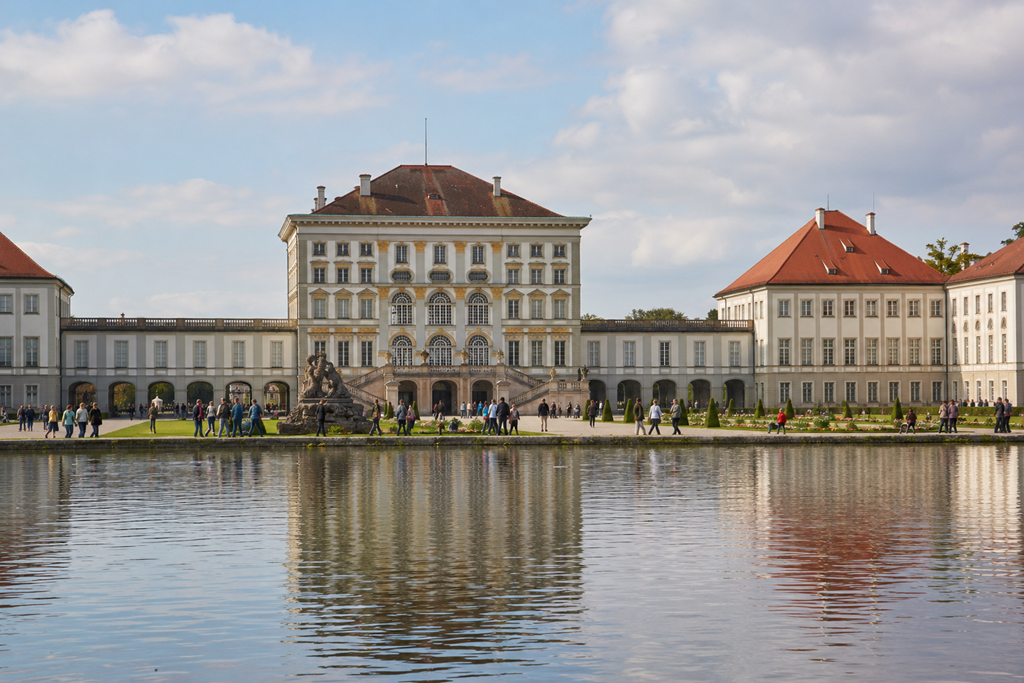
Nymphenburg Palace sits outside the tight Old Town core and offers a more spacious royal setting. The palace, gardens, water features, and surrounding grounds make it a good half-day experience.
It is especially worthwhile if you want a break from dense city streets. The grounds are part of the appeal, so choose a day when you are comfortable spending time outdoors.
English Garden
The English Garden is one of Munich’s great public spaces. It is large, green, and useful for a slower part of your trip. You can walk, people-watch, stop near a beer garden, or simply take a break from museums and buildings.
The park is especially helpful for balancing a first-time itinerary. After a busy morning in the Old Town, the English Garden gives you room to breathe and see how locals use the city.
Kunstareal And The Pinakothek Museums
Munich’s museum quarter, often associated with the Pinakothek museums, is a major destination for art and culture. If you enjoy painting, design, sculpture, or European art history, plan meaningful time here.
Rather than trying to visit every museum in one day, choose one or two based on your interests. Museum fatigue is real, and Munich is more enjoyable when you leave space between major cultural stops.
Deutsches Museum
The Deutsches Museum is one of Munich’s most famous museums and a strong choice for travelers interested in science, technology, engineering, and hands-on learning.
It works especially well for families, curious adults, and rainy-day planning. Because large museums can take more time than expected, check current visitor information before you go and focus on the sections that interest you most.
BMW Welt And BMW Museum
BMW Welt and the BMW Museum are useful stops for travelers interested in cars, design, mobility, and modern German industry. BMW describes the site as a place to experience the BMW brand, architecture, models, exhibitions, and related visitor experiences near the company headquarters.
This is not essential for every visitor, but it is one of Munich’s most distinctive modern attractions if the subject interests you.
Beer Halls And Beer Gardens
Munich’s beer culture is part of the city’s identity. You do not need to drink heavily to appreciate it. Traditional beer halls and beer gardens are also about food, conversation, communal tables, and a slower social rhythm.
For a first visit, consider having one traditional Bavarian meal in a beer hall or beer garden. Go with realistic expectations: these places can be lively and busy, but they are also part of the local cultural fabric.
Munich Food And Drink: What To Expect
Munich’s food scene includes both traditional Bavarian meals and modern international dining. For a first trip, it is worth trying a few classic local experiences before branching out.
Common Bavarian foods include pretzels, sausages, roast meats, dumplings, potato dishes, cabbage, Obatzda cheese spread, and hearty soups. For something lighter, markets, bakeries, cafés, and casual restaurants are easy to work into the day.
Breakfast and coffee culture are also useful for travelers. A bakery breakfast can be simple, affordable, and efficient before sightseeing. Cafés are good for slower mornings or afternoon breaks.
If you have dietary restrictions, check menus ahead when possible. Munich has plenty of options, but traditional Bavarian restaurants can be meat-heavy.
Getting Around Munich
Munich is easy to navigate once you understand the basics.
The city’s public transportation system includes U-Bahn, S-Bahn, trams, and buses. Munich’s official tourism site describes public transport, walking, bike hire, taxis, car sharing, and other mobility options as common ways to get around the city.
For most first-time visitors, the best combination is:
Walk within the Old Town
Use public transportation for longer distances
Avoid renting a car unless you have a specific regional road trip planned
From Munich Airport To The City Center
Munich Airport is connected to the city by S-Bahn. The airport notes that the S1 and S8 lines connect the airport with Munich’s city center, with travel to the main railway station taking around 40 minutes.
Before traveling, check current schedules and service updates, especially if you are arriving late, traveling with heavy luggage, or connecting to another train.
Walking In Munich
Munich is a good walking city, especially in the Old Town. Many first-time routes naturally connect Marienplatz, Frauenkirche, Viktualienmarkt, the Residenz, Odeonsplatz, and nearby shopping streets.
Comfortable shoes matter. Even if the map looks compact, cobblestones, museum time, and repeated short walks add up.
Public Transit Basics
You do not need to master the entire transit system before arriving. Focus on knowing the nearest station to your hotel, the route from the airport or train station, and the easiest line into the center.
Use official transit tools or current map apps while there, since schedules, platforms, and service changes can vary.
Practical Planning Tips For First-Time Visitors
Choose A Central Base If Your Trip Is Short
If you have only two or three days, location matters. Staying near the Old Town, Maxvorstadt, or a well-connected transit stop can save time and energy.
A cheaper hotel far from the center may not be worth it if you spend more of your trip commuting.
Do Not Overload Your Museum Days
Munich has excellent museums, but they are more rewarding when you give them space. One major museum plus a walk, meal, or smaller attraction is often better than three museums in a row.
Check Current Hours Before Visiting
Even evergreen attractions can change opening hours, close sections for renovation, or require timed entry during busy periods. Before visiting major museums, palaces, or special sites, check the official website.
Book Ahead During Busy Travel Periods
Munich can become very busy during major holidays, summer travel periods, and well-known seasonal events. Book lodging early if your dates are fixed.
For popular museums, tours, or palace visits, advance planning can also reduce stress.
Build In Weather Flexibility
Munich’s weather can change quickly, especially in shoulder seasons. Have a simple indoor backup plan, such as a museum, church interior, café, or palace visit.
Use Day Trips Carefully
Munich is a strong base for day trips, but do not use all your time outside the city. If this is your first visit, give Munich itself at least two full days before adding a full-day excursion.
Suggested First-Time Munich Itinerary
Day One: Old Town Essentials
Start at Marienplatz and spend time around the Neues Rathaus. Visit Frauenkirche, wander nearby pedestrian streets, and stop at Viktualienmarkt for lunch or a snack.
In the afternoon, visit the Residenz or explore Odeonsplatz and nearby historic streets. End the day with a traditional Bavarian meal or a relaxed beer hall experience.
Day Two: Museums, Parks, And Local Rhythm
Spend the morning in Maxvorstadt visiting one of the major art museums or another cultural institution that fits your interests.
In the afternoon, head toward the English Garden for a walk and a slower break. If you still have energy, explore Schwabing for dinner or a café stop.
Day Three: Palace Or Specialized Interest
Use your third day for Nymphenburg Palace, the Deutsches Museum, or BMW Welt and the BMW Museum.
Choose based on your travel style. Palace and garden lovers should prioritize Nymphenburg. Science and technology travelers may prefer the Deutsches Museum. Car and design enthusiasts may enjoy BMW-focused sites.
Common Mistakes To Avoid
Trying To See Everything In The Old Town Too Quickly
The Old Town is compact, but it rewards slower attention. Give yourself time to look up, step into courtyards, pause in churches, and notice how the streets connect.
Treating Munich Only As A Day-Trip Base
The Bavarian countryside is appealing, but Munich deserves time of its own. If you only sleep in the city and leave each morning, you miss much of what makes it enjoyable.
Assuming Traditional Food Is The Only Food
Bavarian food is important, but Munich also has international restaurants, modern cafés, bakeries, markets, and lighter options. Mix traditional meals with simpler everyday food.
Forgetting To Rest
Munich can feel easy, which makes it tempting to keep adding stops. A better trip often comes from fewer attractions, better pacing, and time to enjoy the city between planned activities.
Is Munich Worth Visiting?
Munich is absolutely worth visiting for first-time travelers who want a balanced European city experience. It offers history, architecture, museums, parks, food traditions, efficient transportation, and access to broader Bavaria without feeling as overwhelming as some larger capitals.
It is especially good for travelers who like walkable historic centers, thoughtful cultural sites, organized public transit, and trips that can blend city sightseeing with relaxed outdoor time.
The best way to enjoy Munich is not to rush through a checklist. Start with the Old Town, choose a few major sights that match your interests, leave room for parks and food, and let the city reveal itself at a comfortable pace.
Download Our Free E-book!