Orlando is one of the most popular family travel destinations in the United States, but it is easier to enjoy when you understand how the city is laid out, what each major area offers, and how to pace your trip. The theme parks are the biggest draw, but Orlando also has walkable neighborhoods, lakeside parks, shopping districts, museums, gardens, and day-trip options that can make a visit feel more balanced.
This guide covers the essentials: when to visit, where to stay, how to think about the major theme parks, what to do beyond the parks, how to get around, and practical tips for planning a smoother trip.
Orlando at a Glance
Orlando is spread out, car-friendly, and built around several major visitor zones rather than one compact downtown. Most first-time visitors focus on Walt Disney World Resort, Universal Orlando Resort, SeaWorld Orlando, International Drive, and nearby resort areas. Visit Orlando describes the destination as having an easy-to-navigate highway system, commuter rail, public transportation, and ride-share options, though many travelers still find a car or rideshare useful depending on where they stay.
The key to planning Orlando well is not trying to do everything. Theme park days can be long, warm, and physically tiring. Adding lighter days between park visits often makes the trip more enjoyable, especially for families, multigenerational groups, and first-time visitors.
Best Time to Visit Orlando
Orlando can be visited year-round, but the experience changes by season.
Fall Through Spring
Late fall, winter, and spring are often the most comfortable times for walking-heavy days. Temperatures are generally easier to manage than in summer, and outdoor attractions can feel more pleasant. This is a strong period for theme parks, gardens, neighborhood exploring, and outdoor dining.
Busy travel periods still matter. School breaks, holidays, and long weekends can bring larger crowds, so it is wise to book lodging and major attraction reservations early.
Summer
Summer can work well for families because of school schedules, but it is also hot, humid, and often stormy in the afternoon. Plan early starts, midday breaks, indoor meals, water rides, and flexible evenings. A hotel pool is not just a bonus in summer; it can become part of the trip rhythm.
Hurricane Season Considerations
Florida’s hurricane season runs during the warmer part of the year, so travelers visiting in late summer or fall should keep plans flexible and review cancellation policies. This does not mean avoiding Orlando, but it does mean paying attention to forecasts before and during the trip.
Key Areas to Know
Walt Disney World and Lake Buena Vista
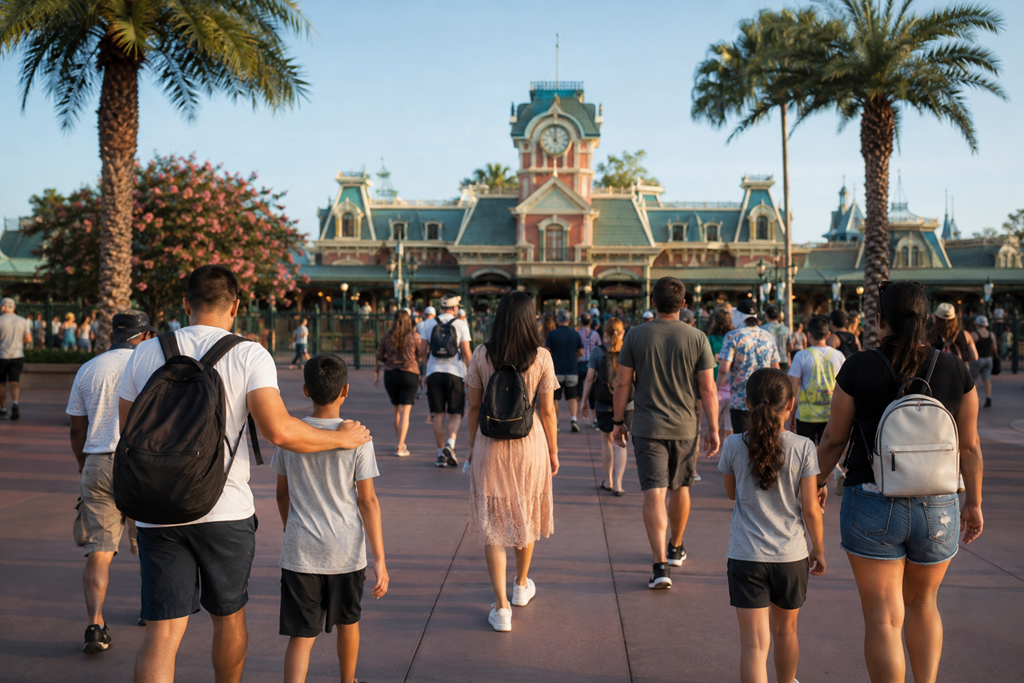
This is the best base if Disney parks are the main reason for your trip. Walt Disney World includes four major theme parks—Magic Kingdom, EPCOT, Disney’s Hollywood Studios, and Disney’s Animal Kingdom—along with water parks, resorts, dining, shopping, and entertainment at Disney Springs. Visit Orlando notes that reservations may be required at the time of your visit, so check current requirements before booking park days.
Staying nearby can reduce transportation stress, especially if you plan to visit Disney parks on multiple days.
Universal Orlando and International Drive
Universal Orlando Resort and the International Drive area are convenient for travelers who want theme parks, restaurants, attractions, shopping, and nightlife close together. International Drive, often called I-Drive, is one of Orlando’s main tourism corridors and includes hotels, dining, entertainment, and access to many non-Disney attractions.
This area can work well for visitors who want a more central tourism base rather than staying deep inside one resort ecosystem.
Downtown Orlando and Lake Eola
Downtown Orlando gives visitors a look at the city beyond the parks. Lake Eola Park is the centerpiece, with a lakeside walking path, skyline views, swan boats, and green space. It is a good choice for a slower morning or evening, especially if you want a break from large attractions.
Winter Park
Winter Park sits just north of Orlando and offers one of the area’s most pleasant non-theme-park experiences. Its Park Avenue District is known for walkable streets, shopping, restaurants, museums, parks, and access to the Winter Park Chain of Lakes.
Winter Park is especially worthwhile for couples, adults, repeat Orlando visitors, and anyone who wants a more local-feeling day.
Lake Nona, Mills 50, and Other Local Districts
Orlando has several neighborhoods and districts worth exploring if you have extra time. Visit Orlando highlights the city’s neighborhoods as part of the experience beyond theme parks, and areas such as Mills 50, Audubon Park, Thornton Park, and Lake Nona can add food, murals, coffee shops, parks, and local character to a trip.
Major Theme Parks and Attractions
Walt Disney World Resort
Walt Disney World is large enough to be a trip by itself. Each park has a different personality:
Magic Kingdom is the classic fairytale park, best for iconic rides, younger children, parades, and first-time Disney visitors.
EPCOT works well for food, festivals, global pavilions, gardens, and a slightly more relaxed pace.
Disney’s Hollywood Studios focuses on movie-themed lands, thrill rides, and highly popular attractions.
Disney’s Animal Kingdom combines rides, animal experiences, walking trails, and detailed environments.
For most visitors, one park per day is easier than trying to rush between multiple parks. Build in breaks, use official apps, and decide your top priorities before arrival.
Universal Orlando Resort
Universal is a strong choice for thrill rides, immersive lands, movie-based attractions, and older kids, teens, and adults. The resort area is easier to navigate than Disney because many major hotels, parks, and dining areas are relatively close together.
If Universal is your main focus, staying nearby can make mornings and evenings easier. Check current park options, ticket rules, and reservation details before committing to dates.
SeaWorld Orlando
SeaWorld combines marine-life exhibits, roller coasters, animal presentations, and family attractions. It can be a good fit for travelers who want a mix of thrill rides and animal-focused experiences.
Because the park includes both outdoor exhibits and rides, weather planning matters. Start earlier in the day when possible, especially in warmer months.
LEGOLAND Florida Resort
LEGOLAND Florida is outside central Orlando in Winter Haven, so it is better treated as a full-day outing rather than a quick add-on. It is especially appealing for families with younger children and LEGO fans. The official LEGOLAND Florida site describes the resort as spanning 150 acres with more than 50 attractions across themed lands.
Check drive times before booking, particularly if you are staying near Disney, Universal, or International Drive.
Things to Do Beyond the Theme Parks
Visit Disney Springs
Disney Springs is a dining, shopping, and entertainment district that does not require a theme park ticket. It is useful for arrival day, departure day, or an evening when you want Disney atmosphere without a full park visit.
Explore ICON Park and International Drive
International Drive has observation wheels, indoor attractions, restaurants, entertainment venues, and shopping areas. It is touristy, but convenient, especially for groups who want easy evening options without driving far.
Walk Around Lake Eola Park
Lake Eola Park is one of the simplest ways to experience downtown Orlando. Walk the lake loop, enjoy the skyline views, or pair it with a nearby meal. It is a good option when you want a low-cost, low-pressure outing.
Spend a Day in Winter Park
Winter Park offers a more refined, walkable break from the theme park pace. Explore Park Avenue, visit a museum, stroll through Central Park, or consider a scenic boat tour if it fits your schedule. The City of Winter Park describes Central Park as a central feature of the downtown shopping district.
Visit Gardens, Museums, and Cultural Sites
Orlando’s museum and garden options are especially useful on hot or rainy days. Consider art museums, science museums, botanical gardens, and historic sites depending on your group’s interests. Always check current hours before you go, especially for smaller museums.
Take a Nature-Focused Day Trip
Central Florida has springs, lakes, wildlife areas, and nature parks within day-trip range. These can be especially refreshing if your itinerary is heavy on theme parks. Check swimming, paddling, parking, and reservation rules before visiting, since natural areas can have capacity limits.
Food and Dining in Orlando
Orlando’s food scene is broader than theme park meals. You will find resort dining, family-friendly chains, international restaurants, food halls, neighborhood cafes, and upscale options.
For first-time visitors, it helps to think in layers:
Theme park dining is convenient but should be planned ahead for popular table-service meals.
Resort dining can be a nice option on rest days, especially if you want a more relaxed evening.
International Drive is practical for groups because it has many familiar options close together.
Winter Park, Mills 50, Audubon Park, and downtown areas offer more local character.
Reservations are helpful for popular restaurants, especially during weekends, holidays, and school-break periods. For casual meals, keep a short list of backup options near your hotel so you are not making decisions when everyone is tired.
Transportation Basics
Arriving by Air
Most visitors fly into Orlando International Airport, commonly known as MCO. The airport supports rideshare pickup, rental cars, taxis, shuttles, and other ground transportation options. MCO’s official rideshare information notes that services such as Uber, Lyft, and Wingz are permitted to operate at the airport in designated locations.
Renting a Car
A rental car is useful if you plan to visit multiple resort areas, explore neighborhoods, take day trips, or stay somewhere without reliable shuttle service. Parking fees, toll roads, hotel parking, and theme park parking should be part of your planning.
Rideshare and Taxis
Rideshare can work well for couples, adults, short stays, and visitors staying near major attractions. It is often simpler than driving if your itinerary is mostly hotel-to-park travel. For families with car seats, larger groups, or frequent transfers, compare convenience and cost before relying only on rideshare.
Hotel Shuttles
Many hotels offer shuttles to major attractions, but schedules vary. Before booking a hotel because of a shuttle, check where it goes, how often it runs, whether reservations are needed, and whether return times match your plans.
Public Transit
Orlando has public transit, but visitors should check routes carefully before depending on it. The City of Orlando highlights LYMMO as a free downtown circulator that runs throughout downtown Orlando, while Visit Florida notes that LYNX buses, SunRail, rideshare services, and hotel shuttles can all help visitors get around without a car.
For most theme park-focused trips, public transit is best viewed as a selective tool rather than the main transportation plan.
Practical Orlando Planning Tips
Do Not Overload Each Day
Orlando rewards realistic pacing. A full theme park day can involve miles of walking, heat, lines, transportation time, and sensory overload. Plan fewer things well instead of filling every hour.
Choose Your Hotel Based on Your Main Trip Goal
If Disney is the priority, stay near Disney. If Universal is the priority, stay near Universal. If you want restaurants, smaller attractions, and flexible evenings, International Drive may make sense. If you want a more local stay, consider downtown Orlando or Winter Park, but be honest about drive times.
Build in Rest Time
A pool afternoon, quiet breakfast, or late-start day can improve the whole trip. This is especially important for children, older travelers, and anyone visiting during warmer months.
Use Official Apps and Check Current Rules
Theme parks regularly adjust ride systems, reservation policies, entertainment schedules, and entry procedures. Use official park apps and websites for current details before and during your visit.
Prepare for Weather
Pack breathable clothing, comfortable shoes, sunscreen, refillable water bottles, light rain gear, and layers for cooler evenings in winter. In summer, assume that heat and afternoon storms may affect your plans.
Prioritize Your Must-Dos Before Arrival
Each person in your group should choose a few top priorities. This makes it easier to make decisions when wait times, weather, or fatigue change the day.
Leave Room for Simple Moments
Some of the best Orlando moments are not complicated: a quiet hotel breakfast, a walk around a lake, an evening at Disney Springs, a slow meal in Winter Park, or watching kids enjoy the pool after a long park day.
A Simple First-Time Orlando Trip Framework
For a first visit, a balanced trip might include:
Two to four theme park days, depending on your budget and interests.
One lighter day for Disney Springs, the pool, or International Drive.
One local day for Winter Park, Lake Eola, museums, gardens, or a nature outing.
One flexible day for a favorite park, a rest day, or a backup plan if weather changes.
This structure keeps the trip focused without making it feel rushed. Orlando has enough to fill several vacations, so the goal is not to see everything. The goal is to choose the version of Orlando that fits your group best.
Final Thoughts for Planning Orlando Well
Orlando is easiest to enjoy when you treat it as a destination with different layers. The theme parks may be the reason you go, but the best trip often includes smart pacing, comfortable lodging, realistic transportation choices, and a few experiences beyond the parks.
Plan the major pieces early, keep the daily schedule flexible, and give yourself permission to skip things that do not fit your energy, budget, or travel style. A good Orlando trip does not have to be packed from morning to night. It just needs to be thoughtful, practical, and built around what your group will actually enjoy.
Download Our Free E-book!