Tokyo can feel like several cities in one: historic temple districts, polished shopping streets, quiet gardens, busy train stations, tiny food alleys, peaceful shrines, and high-rise viewpoints all layered together. For first-time visitors, the key is not trying to see everything. It is learning how the city works, choosing a few areas each day, and leaving space to enjoy the details.
This guide will help you understand Tokyo’s best seasons, main neighborhoods, classic attractions, food culture, transportation basics, and practical travel considerations so you can plan a trip that feels manageable and rewarding.
Tokyo At A Glance
Tokyo is Japan’s capital and one of the world’s largest metropolitan areas, known for its mix of tradition, technology, food, shopping, design, and everyday efficiency. It is a city where you can visit a centuries-old temple in the morning, eat lunch in a train station, walk through a quiet garden in the afternoon, and end the day looking across a skyline of towers and neon.
For a first trip, Tokyo is best approached by neighborhood. The city is large, but many of its most memorable experiences are concentrated in walkable areas. Instead of crossing the city repeatedly, group your days around places that are close together.
A good first Tokyo trip usually includes:
A historic area such as Asakusa
A major shopping and entertainment area such as Shibuya or Shinjuku
A polished central area such as Ginza, Tokyo Station, or Marunouchi
A cultural stop such as a museum, garden, temple, or shrine
Time for food exploration, walking, and unplanned discoveries
Tokyo is well connected by trains and subways, and official tourism resources emphasize that the city has extensive transportation options for visitors.
Best Time To Visit Tokyo
Tokyo can be visited year-round, but spring and fall are often the easiest seasons for first-time travelers because the weather is generally milder. Tokyo’s official tourism guidance notes that spring and fall tend to have the mildest temperatures, which can make sightseeing more comfortable.
Spring
Spring is one of Tokyo’s most popular seasons, especially when cherry blossoms are in bloom. Parks, riversides, temple grounds, and neighborhood streets can be especially beautiful. It is also a busy travel period, so book accommodations early and expect crowds in well-known viewing areas.
March through May is widely promoted by Japan’s tourism organization as a strong season for travel, with greenery, seasonal flowers, and comfortable conditions in many parts of the country.
Summer
Summer in Tokyo can be hot and humid. It can still be a good time to visit if your schedule requires it, but plan with shade, indoor breaks, hydration, and a slower pace in mind. Museums, department stores, cafés, and underground shopping areas can be useful places to pause during the hottest parts of the day.
Fall
Fall is another excellent season for first-time visitors. The weather is usually easier for walking, and parks and gardens may have autumn color later in the season. It is a good time for travelers who want comfortable sightseeing without relying on cherry blossom timing.
Winter
Winter is cooler, but Tokyo remains very workable for sightseeing. Clear days can make viewpoints especially appealing, and crowds may be more manageable outside major holiday periods. Pack layers, especially if you plan to be outside early in the morning or after dark.
How Many Days Do You Need In Tokyo?
For a first visit, four to six full days is a strong starting point. You can see major highlights in three days, but Tokyo rewards slower travel. A longer stay allows you to explore neighborhoods without turning every day into a checklist.
If You Have 3 Days
Focus on the essentials: Asakusa, Shibuya, Shinjuku, one garden or shrine, and one museum or viewpoint. Keep the schedule simple and avoid long transfers.
If You Have 5 Days
Add more neighborhood depth. Include Ginza or Tokyo Station, Ueno, Harajuku and Omotesando, and a flexible food-focused evening.
If You Have 7 Days Or More
You can move at a more relaxed pace and consider a day trip, such as Yokohama, Kamakura, Nikko, or Mount Takao, depending on your interests and the season.
Best Areas To Stay In Tokyo
Choosing where to stay affects how your trip feels. Tokyo’s trains make many areas workable, but first-time visitors usually benefit from staying near a convenient station with strong rail or subway connections.
Shinjuku
Shinjuku is one of the most convenient areas for first-time visitors. It has major train connections, hotels across many budgets, restaurants, shopping, nightlife, and easy access to several parts of the city. It is busy and can feel overwhelming at first, especially around the station, but it is practical.
Best for: first-time visitors who want convenience, nightlife, and transportation access.
Shibuya
Shibuya is energetic, youthful, and central to shopping, dining, and street life. It works well for travelers who want to be close to fashion, cafés, music, and nightlife. It is also convenient for Harajuku, Omotesando, and parts of western Tokyo.
Best for: travelers who want a lively base and do not mind crowds.
Ginza And Tokyo Station
Ginza, Marunouchi, and the Tokyo Station area feel more polished and orderly. They are useful for shopping, dining, business hotels, department stores, and transportation connections, including rail links to other parts of Japan.
Best for: travelers who want a central, refined base with easy transit.
Asakusa And Ueno
Asakusa and Ueno offer a more traditional feel, with temples, markets, museums, parks, and older neighborhood character. They may be especially appealing if you want a slightly slower base while still having good transit access.
Best for: travelers who like historic atmosphere, museums, and classic Tokyo scenery.
Roppongi, Akasaka, And Central Tokyo
These central areas can be convenient for dining, museums, nightlife, and access to multiple parts of the city. They are often good for repeat visitors, but they can also work for first-time travelers who find a hotel near a useful station.
Best for: travelers who want central access with a more international feel.
Tokyo Neighborhoods First-Time Visitors Should Know
Tokyo becomes easier to understand when you think in terms of areas rather than individual attractions.
Asakusa
Asakusa is one of the best places to begin if you want a sense of older Tokyo. The area is anchored by Senso-ji, Tokyo’s famous Buddhist temple, and its surrounding streets have traditional snacks, souvenir shops, and classic sightseeing atmosphere.
Go early if you want a quieter visit, or later if you want the energy of the shopping street and surrounding area.
Shibuya
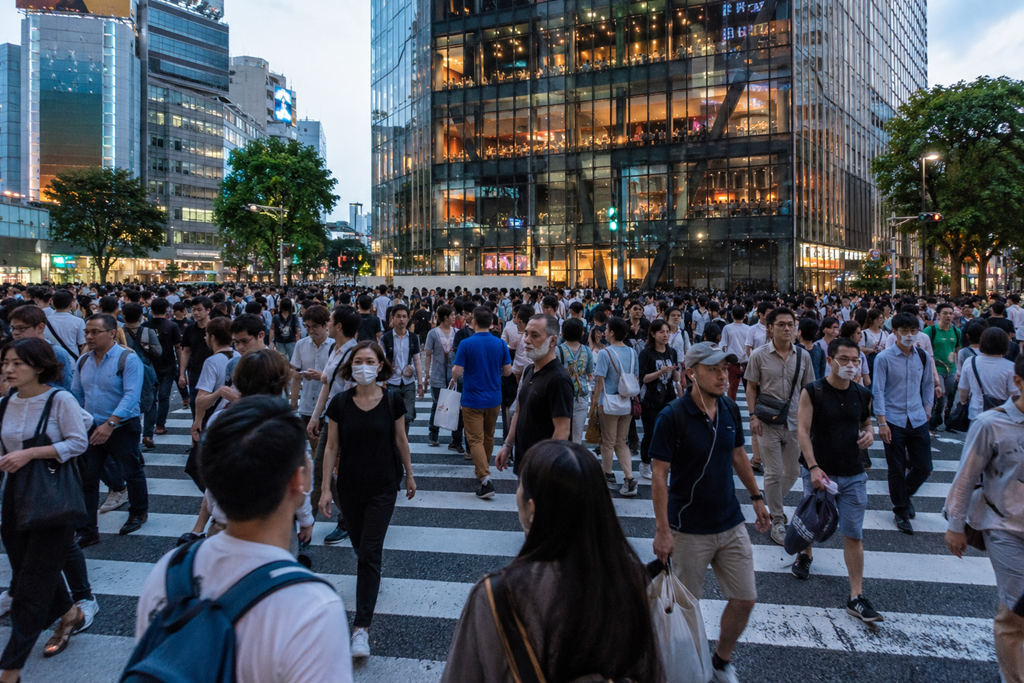
Shibuya is known for its famous crossing, shopping, restaurants, entertainment, and youth culture. It is a useful area for people-watching and understanding Tokyo’s modern pace.
The area is best explored on foot. Walk around the station, side streets, shopping complexes, and nearby neighborhoods rather than treating the crossing as the only reason to visit.
Shinjuku
Shinjuku is intense, practical, and layered. It has department stores, restaurants, nightlife areas, office towers, and green spaces. The station can be confusing, so give yourself extra time when transferring or meeting someone.
For a first visit, combine Shinjuku Gyoen, the observation decks at the Tokyo Metropolitan Government Building, and an evening walk through the brighter entertainment streets.
Harajuku And Omotesando
Harajuku and Omotesando sit close together but feel different. Harajuku is associated with youth fashion, casual shopping, and busy pedestrian streets. Omotesando is more polished, with architecture, boutiques, cafés, and tree-lined avenues.
Nearby Meiji Shrine offers a quiet contrast and is one of the most worthwhile stops in the area.
Ginza
Ginza is Tokyo’s classic upscale shopping district. Even if you are not planning to shop, it is worth visiting for department-store food halls, architecture, stationery, cafés, and a polished city atmosphere.
It pairs well with Tokyo Station, Marunouchi, the Imperial Palace East Gardens, or Tsukiji Outer Market.
Ueno
Ueno is a strong cultural area for first-time visitors. Ueno Park is home to major museums, seasonal scenery, and walking paths. The nearby Ameyoko market area offers a more casual, lively street-food and shopping experience.
Akihabara
Akihabara is known for electronics, anime, manga, gaming, and pop culture. It is best for travelers with a specific interest in those themes, but even casual visitors may enjoy a short walk through the area.
Roppongi And Azabu
Roppongi has restaurants, nightlife, museums, and city views. It can be a good evening area or a useful stop for art and architecture. Nearby Azabu and surrounding neighborhoods offer quieter streets, international dining, and residential charm.
Classic Attractions And Experiences
Tokyo has more to do than most visitors can fit into one trip. These are reliable, first-time-friendly places and experiences that help you understand the city without depending on short-term trends.
Senso-ji Temple And Asakusa
Senso-ji is one of Tokyo’s most important and recognizable temple sites. The approach through Kaminarimon Gate and Nakamise-dori gives first-time visitors a classic Tokyo experience, especially when paired with a walk through the surrounding side streets.
Check current visiting conditions before you go, especially during major travel periods.
Meiji Shrine
Meiji Shrine sits beside a forested walking path near Harajuku. It is one of Tokyo’s best contrasts: a peaceful shrine environment close to some of the city’s busiest shopping streets.
Visit in the morning for a quieter experience, then continue to Harajuku, Omotesando, or Yoyogi Park.
Shibuya Crossing
Shibuya Crossing is famous because it captures the scale and rhythm of Tokyo street life. The best way to experience it is not to rush. Cross once, step aside, watch the flow of people, then explore the surrounding streets.
Shinjuku Gyoen
Shinjuku Gyoen is one of Tokyo’s most pleasant green spaces. It is useful for slowing down between busier neighborhoods and can be especially beautiful in spring and fall.
Because garden access details can change, check current opening hours before visiting.
Tokyo Metropolitan Government Building Viewpoints
The Tokyo Metropolitan Government Building in Shinjuku offers city views from a convenient location. It is a practical option for first-time visitors who want a skyline perspective without going far from a major station.
Check current entry details before you go, especially if visiting at popular times.
Ueno Park And Museums
Ueno Park is a good area for travelers who enjoy museums, walking, and culture. Depending on your interests, you can choose from art, history, science, or family-friendly museum options nearby.
Rather than trying to visit multiple museums in one day, pick one and leave time for the park and surrounding streets.
Tsukiji Outer Market
Tsukiji Outer Market remains a popular place for food browsing, small bites, kitchen goods, and seafood-related stalls. It is best visited earlier in the day, but avoid treating it like a race to sample everything. Walk slowly, be respectful of queues, and choose a few things that genuinely interest you.
Imperial Palace East Gardens And Marunouchi
The Imperial Palace area gives you open space, historic scenery, stone walls, bridges, and a quieter break near central Tokyo. Marunouchi and Tokyo Station nearby add architecture, dining, shopping, and easy transportation connections.
Tokyo Skytree Or Tokyo Tower
Both towers offer skyline views, but they give different impressions. Tokyo Skytree is taller and located near Sumida and Asakusa. Tokyo Tower has a classic, nostalgic presence and pairs well with central neighborhoods.
For a first trip, choose the one that fits your route rather than trying to visit both.
TeamLab, Museums, And Modern Cultural Spaces
Tokyo has a strong modern museum and immersive art scene. Some popular experiences use timed-entry systems or change formats over time, so always check current reservation requirements before planning around them.
This type of attraction is best treated as a planned anchor for part of a day, not something to squeeze in between distant neighborhoods.
Food In Tokyo: What First-Time Visitors Should Know
Tokyo is one of the world’s great food cities, but you do not need a long restaurant list to eat well. Some of the best first-time food experiences are simple: ramen, sushi, soba, tempura, tonkatsu, yakitori, curry rice, convenience-store snacks, department-store food halls, and seasonal sweets.
Start With Everyday Foods
A first Tokyo trip is a good time to try accessible, widely available meals:
Ramen in a small shop
Sushi at a casual counter or conveyor-style restaurant
Soba or udon for a simple lunch
Yakitori in an evening dining area
Tonkatsu with rice, cabbage, and miso soup
Onigiri, sandwiches, and snacks from convenience stores
Japanese curry for an easy comfort meal
Depachika food halls in department-store basements
You do not need every meal to be famous. Many ordinary places are excellent.
Understand Restaurant Practicalities
Some restaurants are small, and many are designed for quick, focused meals. Be prepared to wait in line, order from a machine, or use a menu with limited English. Pointing, translation apps, and simple courtesy go a long way.
For popular restaurants, check whether reservations are needed. For casual places, going slightly before or after peak meal times can make things easier.
Visit A Department-Store Food Hall
A depachika is a department-store basement food hall, and it is one of Tokyo’s most enjoyable food experiences. You can browse prepared foods, sweets, bento boxes, fruit, snacks, and gifts. Ginza, Shinjuku, Shibuya, and Tokyo Station are all good areas to look for them.
Be Mindful While Eating In Public
Eating while walking is less common in Japan than in some other places, especially in crowded areas. At markets, eat near the stall if that is the local norm. Carry small trash with you until you find an appropriate bin.
Transportation Basics In Tokyo
Tokyo’s transportation system is extensive, efficient, and easier once you stop trying to memorize it. Use a reliable map app, pay attention to station names and line colors, and give yourself extra time in large stations.
Official Tokyo Metro visitor guidance includes subway maps, route and station information, fare search, access from airports, and IC card information, making it a useful resource for planning.
Trains And Subways
Tokyo is served by multiple rail and subway operators. For visitors, the main thing is not who operates each line, but which route gets you where you need to go with the fewest stressful transfers.
Expect large stations such as Shinjuku, Tokyo, Shibuya, and Ikebukuro to take longer than they look on a map. Some transfers involve long walks inside the station.
IC Cards
IC cards such as Suica and PASMO are commonly used for trains, subways, buses, and many small purchases. Tokyo’s official travel information highlights IC cards as a way to move around the city efficiently.
Availability and formats can change, so check current visitor information before your trip. Many travelers use mobile versions when compatible with their phones.
Airport Access
Tokyo is served mainly by Haneda Airport and Narita Airport. Haneda is closer to central Tokyo, while Narita is farther but well connected by rail and bus. Choose your hotel with airport access in mind, especially if you arrive late or depart early.
Walking
Tokyo is a walking city as much as a train city. Once you arrive in a neighborhood, many of the best experiences come from walking side streets, browsing shops, and noticing small shrines, cafés, parks, and local details.
Comfortable shoes matter. A normal Tokyo sightseeing day can involve far more walking than expected.
Taxis
Taxis are useful for late nights, luggage transfers, bad weather, or short rides when a train transfer would be awkward. They are usually not necessary for most sightseeing, but they can reduce stress in specific moments.
Practical Tips For First-Time Visitors
Group Your Days By Area
Tokyo is large. Avoid planning a day that jumps from Asakusa to Shibuya to Ginza to Shinjuku without a reason. You will spend too much time in transit and not enough time enjoying each place.
A better approach is:
Asakusa + Ueno
Harajuku + Omotesando + Shibuya
Shinjuku + nearby viewpoints or gardens
Ginza + Tokyo Station + Imperial Palace area
Roppongi + museums + Tokyo Tower area
Keep Your First Day Simple
After a long flight, choose one easy neighborhood near your hotel. Eat a simple meal, walk a little, buy essentials, and get oriented. Tokyo is much more enjoyable when you do not overload your arrival day.
Carry Some Cash
Tokyo is increasingly card-friendly, but cash is still useful for small shops, temples, shrines, older restaurants, coin lockers, and neighborhood places. Keep a reasonable amount with you, especially outside major shopping areas.
Learn A Few Basic Etiquette Habits
You do not need to be perfect, but a few habits help:
Speak quietly on trains
Stand to the side on escalators according to local flow
Queue where lines form
Do not block narrow sidewalks or shop entrances
Handle temple and shrine spaces respectfully
Sort trash when bins are available
Avoid loud phone calls on public transportation
Use Convenience Stores Well
Convenience stores in Japan are useful for snacks, breakfast items, drinks, basic toiletries, umbrellas, ATMs, and simple meals. They can make travel days much easier, especially when you are tired or between plans.
Plan For Crowds Without Letting Them Define The Trip
Tokyo is busy, but crowds are not everywhere all the time. Visit major attractions earlier in the day, explore side streets, and balance famous stops with parks, gardens, museums, and quieter neighborhoods.
Leave Room For Small Discoveries
Some of Tokyo’s best moments are not headline attractions. A quiet residential street, a small bakery, a stationery shop, a train platform view, a local lunch counter, or a peaceful garden path can become the memory that stays with you.
A Simple First-Time Tokyo Planning Approach
If you are unsure where to start, build your trip around three types of days.
A Traditional Tokyo Day
Focus on Asakusa, Senso-ji, nearby streets, Sumida River views, and Ueno if time allows. This gives you temples, older neighborhoods, food browsing, and museums or park time.
A Modern Tokyo Day
Spend time in Harajuku, Omotesando, and Shibuya. Include Meiji Shrine for contrast, then explore shopping streets, cafés, and city views.
A Central Tokyo Day
Visit Ginza, Tokyo Station, Marunouchi, the Imperial Palace area, and possibly Tsukiji Outer Market earlier in the day. This day is good for food halls, architecture, shopping, and a more polished side of the city.
Then add one or two flexible days based on your interests: museums, anime and gaming, gardens, day trips, food, architecture, or slower neighborhood wandering.
Common First-Time Tokyo Mistakes To Avoid
Trying To See Too Much
Tokyo rewards focus. Three well-chosen stops in one area often make a better day than six rushed stops across the city.
Underestimating Station Size
Large stations can feel like underground cities. Build in extra time, especially at Shinjuku, Tokyo Station, and Shibuya.
Booking A Hotel Far From Transit
A cheaper hotel can become frustrating if it requires long transfers every day. Staying near a useful station is often worth it.
Only Eating From Recommendation Lists
Famous restaurants can be wonderful, but Tokyo’s everyday food culture is part of the experience. Leave room for simple meals you find naturally.
Forgetting To Check Current Details
Even evergreen attractions can change entry rules, renovation schedules, ticketing systems, or reservation requirements. Before visiting a major attraction, check current hours and booking details.
Final Thoughts For A Better First Tokyo Trip
Tokyo is easier when you give yourself permission not to master it. Choose a convenient base, plan days by neighborhood, learn the train basics, and build your itinerary around a mix of historic sites, modern districts, food experiences, gardens, and open-ended walking.
For first-time visitors, the goal is not to conquer Tokyo. It is to experience enough of the city’s layers that you leave with a clear sense of what makes it special—and a reason to come back.
Download Our Free E-book!