The biggest planning trap for UEFA Champions League Final travelers is treating the trip like a normal city break with a football match added on top. It is not. The final changes the rhythm of the host city, affects hotel prices and availability, increases pressure around transport, and makes simple decisions feel more complicated than they would on an ordinary weekend.
A smoother trip usually comes from planning around the event first, then building the travel experience around it. That means thinking carefully about where you stay, how you get to and from the stadium, when you arrive, how much flexibility you need, and what kind of matchday experience you actually want.
The Champions League Final can be an unforgettable sports tourism experience, but it rewards realistic planning more than last-minute optimism.
The Final Weekend Feels Different From A Normal Football Trip
A regular football weekend often has room for improvisation. You can arrive the day before, figure out local transport once you land, look for restaurants near your hotel, and adjust as you go.
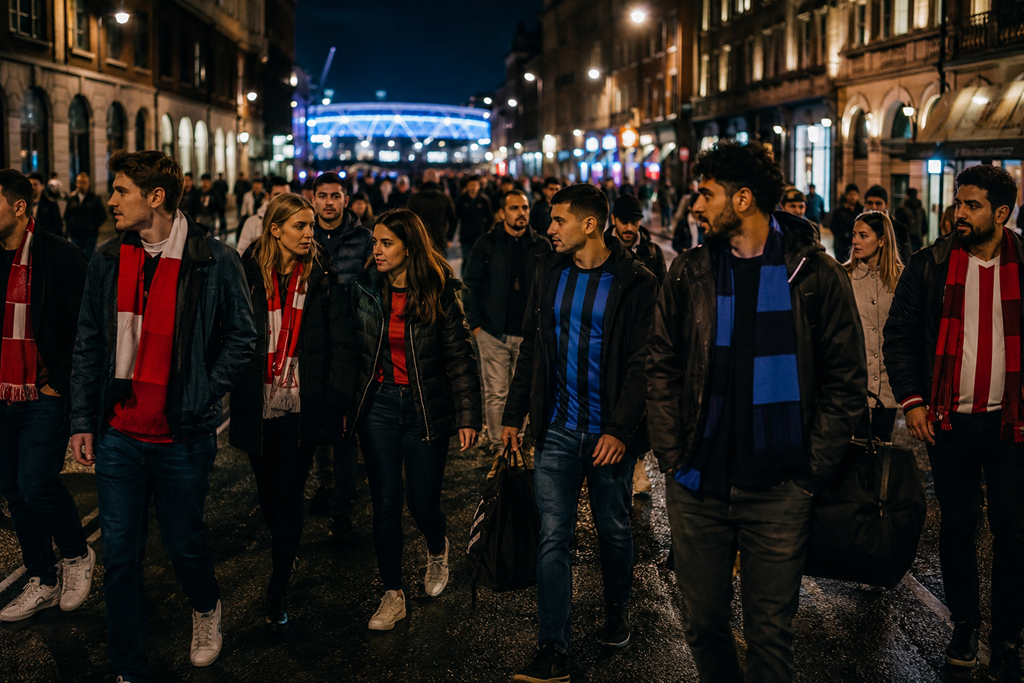
The Champions League Final is different because thousands of supporters, media teams, sponsors, neutral fans, and event staff are all moving through the same city at the same time. Even travelers who are used to big football matches can be surprised by how compressed the weekend feels.
The issue is not only the match itself. It is the combination of high demand, unfamiliar surroundings, emotional investment, and limited time. People are excited, but they are also trying to solve a lot of practical problems at once: where to stay, how to reach the stadium, what time to leave, where to meet friends, how to handle bags, and how to avoid getting stuck after the final whistle.
That is where avoidable planning traps start to show up.
The First Trap Is Waiting For Everything To Feel Certain
Many travelers delay decisions because they are waiting for all the details to be perfectly clear. They may want confirmation of tickets, exact kickoff logistics, travel companions, or the best area to stay before committing to anything.
That instinct is understandable. A Champions League Final trip can be expensive, and nobody wants to book the wrong thing. But waiting too long can make the trip harder, not easier.
Flights, trains, hotels, and central accommodations can become less flexible as the event gets closer. The best planning approach is often to separate decisions into two groups: what needs to be secured early, and what can stay flexible.
Accommodation and major transport usually belong in the early group. Restaurant choices, sightseeing plans, and casual activities can wait. Trying to keep every part of the trip open may feel cautious, but it can leave you with fewer good options when the city gets busier.
Stadium Location Matters More Than The City Name
A common mistake is choosing accommodation based only on the host city, without thinking enough about the stadium location. In many major cities, the stadium is not right beside the main tourist area, the central train station, or the most popular nightlife districts.
That matters on matchday.
A hotel that looks convenient for sightseeing may be awkward for stadium access. A cheaper room outside the center may seem sensible until you realize the return journey after the match could involve crowded transit, long walks, limited taxis, or confusing late-night connections.
This does not mean you have to stay beside the stadium. In some host cities, staying near the stadium may be less enjoyable than staying in a well-connected neighborhood. The better question is not “How close is it?” but “How easy is the matchday route?”
A slightly farther hotel with a clear, direct transport link can be more useful than a closer one that requires multiple transfers or uncertain late-night travel.
Matchday Transport Is Not Something To Figure Out Casually
For many travelers, the matchday transport plan is where confidence turns into stress. They assume they can simply follow the crowd, use a ride-share app, or ask someone at the hotel when the time comes.
That may work for smaller events. For the Champions League Final, it is risky.
Crowds can change how long journeys take. Roads near the stadium may be restricted. Public transport stations may have queues. Taxi and ride-share demand can surge before and after the match. Even walking routes may be redirected depending on crowd management.
A better approach is to know your primary route and your backup route before matchday. You do not need a complicated hour-by-hour schedule, but you should know:
Where you are starting from, how you plan to reach the stadium area, how long that route usually takes, what could slow it down, and how you will get back if the first option becomes difficult.
The return journey deserves just as much thought as the trip to the stadium. After the match, everyone leaves at once, emotions are high, and tired travelers are less patient. Having a calm plan already in mind can make the end of the night feel much easier.
The Ticket Is Not The Whole Plan
Securing a ticket can feel like the finish line, but for travelers it is only one part of the trip. Once the ticket is handled, the real planning question becomes: how do you protect the experience around the ticket?
That includes arrival timing, lodging, transport, meals, phone battery, weather preparation, identification, bag rules, and knowing where you need to be before entering the stadium.
Many people under-plan these details because the ticket feels like the hardest part. Then they end up rushed, hungry, lost, overheated, underdressed, or stuck carrying something they cannot bring inside.
The goal is not to over-plan every moment. It is to remove the small frictions that can distract from the match itself. A major final is already intense enough. The less you have to solve on the day, the more present you can be.
Arriving Too Late Can Shrink The Whole Experience
Some travelers try to minimize costs by arriving very close to the event, sometimes on matchday or late the night before. That can work when everything goes smoothly, but it leaves little room for disruption.
Flight delays, train issues, hotel check-in problems, baggage delays, traffic, or unfamiliar transit can quickly turn a tight schedule into a stressful one. Even if you make it to the match, you may feel rushed instead of settled.
For a UEFA Champions League Final trip, time buffer is not just a comfort. It is part of the experience. Arriving earlier gives you space to understand the city layout, pick up anything you need, confirm your stadium route, and enjoy the atmosphere without feeling like every delay is a threat.
This does not mean every traveler needs a long luxury stay. Even a modest buffer can make the trip feel more controlled.
The Fan Atmosphere Can Be Wonderful, But It Still Needs Boundaries
One of the best parts of traveling for a major football final is the atmosphere. Supporters gather in public squares, fan zones, pubs, transit stations, and streets. The city can feel alive in a way that ordinary tourism rarely does.
But the same energy can also make planning harder.
Crowded areas may slow you down. Popular meeting points may become difficult to access. Restaurants and bars may be full. Phone signal may be less reliable in dense crowds. Groups can get separated. What seemed like a simple plan to “meet near the center” can become frustrating if everyone has a different idea of where that means.
It helps to choose specific meeting places, agree on timing, and avoid making the busiest area your only option. Enjoy the atmosphere, but do not depend on it to organize your day for you.
Budget Traps Often Come From Underestimating The Event Premium
Champions League Final travel is not priced like an ordinary weekend. Hotels, flights, and local services may reflect the demand around the event. Even travelers who find affordable match tickets or use loyalty points can still face higher costs once they add accommodation, transport, food, and local movement.
A common budget mistake is focusing only on the largest purchase and forgetting the smaller event-related costs. Airport transfers, late-night taxis, luggage storage, meals near crowded areas, mobile data, and backup transport can all add up.
A calm budget should include a cushion for convenience. Not luxury, necessarily, but the ability to make practical choices without feeling trapped. Sometimes paying slightly more for a better location, a direct route, or a flexible booking can reduce stress more than it increases the total trip cost.
Sightseeing Plans Should Leave Room For The Match To Dominate
It is tempting to turn the final weekend into a packed city itinerary. After all, if you are already traveling, you may want to see museums, landmarks, restaurants, neighborhoods, and nearby attractions.
That is reasonable, but the match will likely take more emotional and logistical space than expected.
On matchday, even simple activities can feel harder because your mind is already on the event. You may be checking transport, watching the time, meeting other fans, or conserving energy. The day after the final may also feel slower than expected, especially if the match ends late or celebrations continue.
The better approach is to choose a few things you genuinely care about and leave breathing room around them. A Champions League Final trip does not have to become a full destination guide in motion. It can be more satisfying when the travel supports the football experience rather than competing with it.
Group Travel Can Create Hidden Friction
Traveling with friends or family can make the final more memorable, but group plans can also create extra pressure. People may have different budgets, energy levels, risk tolerance, food preferences, and ideas about how early to leave for the stadium.
The trap is assuming that excitement will automatically keep everyone aligned.
Before the trip, it helps to agree on the few decisions that matter most: where you are staying, when you are heading to the stadium, how you will reconnect if separated, and what each person is responsible for managing. Not every meal or activity needs to be done together.
A flexible group plan often works better than a forced group schedule. The shared experience is the match. Everything else should support that, not create resentment before kickoff.
The Best Plans Are Clear, Not Overloaded
A good Champions League Final travel plan does not need to be complicated. In fact, overloaded plans can become their own trap. If every hour is scheduled, one delay can make the whole day feel like it is falling apart.
The most useful plan is clear where clarity matters and flexible where flexibility helps.
Be firm about the essentials: ticket access, accommodation, stadium route, return route, arrival buffer, key documents, and matchday timing. Stay lighter with sightseeing, meals, and casual exploring.
That balance allows the trip to feel prepared without feeling controlled. You are not trying to remove every surprise. You are trying to avoid the preventable problems that make the experience feel more stressful than it needs to be.
A Clearer Way To Think About The Whole Trip
The UEFA Champions League Final is not just another match and not just another vacation. It sits somewhere between sport, travel, crowd movement, emotion, and event logistics.
That is why the planning can catch people off guard. They may be experienced travelers but not used to event-based sports tourism. Or they may be passionate football supporters but less comfortable navigating a major international host city during one of its busiest weekends.
The clearest way to approach the trip is to plan around the final first. Choose lodging with matchday movement in mind. Give yourself enough arrival buffer. Know your stadium route before you need it. Keep your sightseeing realistic. Build in some financial and time flexibility. Let the atmosphere be part of the experience without relying on it to solve practical details.
When those basics are handled, the trip has more room to feel like what it should be: a special football occasion, a memorable travel experience, and a weekend you can actually enjoy while you are living it.
Download Our Free E-book!