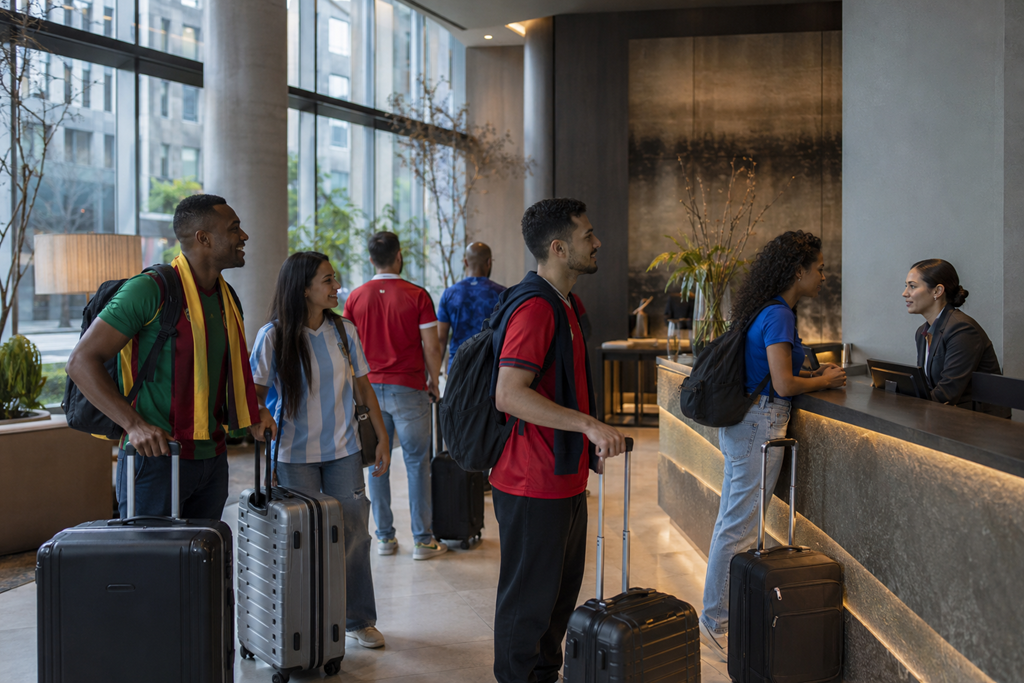
Choosing where to stay for the Copa América is less about finding the “best” hotel and more about choosing the location that makes your match experience easier. A good stay should help you get to the stadium without unnecessary stress, give you a comfortable place to recover after long event days, and keep you close enough to food, transportation, and safe walking routes that the trip feels manageable.
For a major soccer tournament, lodging becomes part of the event experience. The wrong location can make even a great match feel exhausting. The right one can make the whole trip feel calmer, smoother, and more enjoyable.
Your Hotel Is Part of the Match-Day Plan
When people plan for the Copa América, they often focus first on tickets, flights, and who is playing. Lodging can feel like a separate travel decision. But for a spectator event, where you stay affects almost everything else: how early you need to leave, how easily you can return after the match, how much you spend on rides, and how tired you feel the next day.
A hotel that looks convenient on a map may not be convenient once crowds, traffic, road closures, rideshare surges, and late-night exits are involved. A slightly farther hotel near a reliable transit line may work better than a closer one that leaves you dependent on post-match traffic.
The goal is not always to stay closest to the stadium. The goal is to stay somewhere that fits the way you will actually move through the city.
Start With the Stadium, But Do Not Stop There
It is natural to search for lodging near the stadium first. That can be a good starting point, especially if you want a simple match-day experience or are traveling with family, older relatives, or anyone who prefers less movement.
But stadium-adjacent hotels are not always the best fit. They may be expensive, booked early, limited in dining options, or located in areas that are busy on match day but quieter at other times. In some cities, the stadium area may not be where visitors want to spend most of their non-match time.
Instead of asking only, “How close is this to the stadium?” ask, “How will this location work before and after the match?”
That question is more useful because the hardest part of major event travel is often not arriving in the city. It is handling the hours around the event when everyone else is trying to move at the same time.
Think About the Trip You Are Actually Taking
Not every Copa América visitor needs the same kind of lodging. A solo traveler attending one match has different needs than a family staying for a long weekend. A group of friends following several matches may care more about transit and nightlife. A couple building a vacation around one marquee game may want a neighborhood that feels enjoyable beyond the stadium.
Before choosing where to stay, be honest about the shape of your trip.
If the match is the main reason you are traveling and your stay is short, convenience may matter more than scenery. If you are turning the tournament into a longer vacation, you may want to stay in a more comfortable neighborhood and accept a longer stadium commute. If you are attending multiple matches, transportation access may matter more than hotel amenities.
This is where many fans overcomplicate the decision. They look for a perfect location instead of choosing the location that supports their actual plans.
Transit Access Can Matter More Than Distance
For a major soccer event, a hotel five miles from the stadium can be easier than a hotel two miles away if the farther hotel sits near a dependable train, light rail, shuttle, or well-managed event route.
Distance on a map does not tell the whole story. You need to think in terms of movement.
Can you get to the stadium without relying completely on rideshare? Is there a transit option that still runs after the match? Is the walking route from the stop to the hotel reasonable at night? Will crowds be moving in the same direction, or will you be isolated after the event?
These practical questions may sound ordinary, but they are what separate a smooth sports tourism experience from one that feels chaotic. A great match can end with a frustrating night if your hotel requires a difficult return trip through traffic and crowded pickup areas.
Avoid Choosing Only by Price
Budget matters, especially during major tournaments when lodging prices can rise quickly. But the cheapest room may not be the cheapest overall choice if it adds transportation costs, long waits, parking expenses, or stress.
A lower nightly rate can become less appealing if you spend more on rides to and from the stadium, lose time sitting in traffic, or feel uncomfortable returning late. On the other hand, the most expensive hotel is not automatically the smartest choice either.
The better approach is to compare total convenience, not just room rate. That includes transportation, match-day timing, safety, food access, and how much energy the location will demand from you.
For Copa América visitors, value often means a place that keeps the trip simple enough to enjoy.
Look for Food and Everyday Practicalities Nearby
A sports tourism trip still includes normal travel needs. You may need breakfast before heading out, a casual meal after the match, a pharmacy, bottled water, coffee, or a place to wait comfortably before check-in.
These details become more important when the city is busy with other fans. Restaurants near stadiums may be crowded. Hotel lobbies may be full. Rideshare waits may be long. If your lodging is in an area with basic services within walking distance, the trip feels easier.
This is especially helpful if you are traveling with children, older adults, or people who do not want every small errand to require a car. A good neighborhood base gives you more flexibility when plans shift.
Match Timing Should Influence Your Stay
A daytime match and an evening match create different lodging concerns. For an afternoon game, you may care more about early meals, shade, hydration, and getting to the stadium before crowds build. For a night match, the return trip matters more.
If the match ends late, your hotel location should make the post-game experience feel realistic. That does not mean you need to stay across the street from the stadium, but it does mean you should know how you will get back before the day arrives.
Many fans plan carefully for arrival and barely think about departure. But after a major match, everyone is tired, excited, hungry, and trying to leave at once. This is when a smart hotel choice pays off.
Be Careful With “Close to Everything”
A hotel description that says “close to everything” can sound appealing, but it may not mean close to what matters for your trip. It could mean close to downtown, close to shopping, close to nightlife, or close to the airport. None of those automatically mean easy access to the stadium.
For Copa América travel, define “close” in a more specific way. Close to the stadium. Close to reliable transit. Close to restaurants you will actually use. Close to the people you are traveling with. Close to the part of the city where you want to spend your non-match time.
The clearer you are about what kind of closeness matters, the easier the lodging decision becomes.
Airport Hotels Can Be Useful, But Not Always Comfortable
Staying near the airport can make sense if you are flying in for a short trip, arriving late, leaving early, or attending only one match. It can also help if airport transit connects well to the stadium or city center.
But airport hotels can feel disconnected from the event atmosphere. They may also require longer travel for meals, sightseeing, fan gatherings, or match-day transportation. If your trip is more than one night, an airport location may save time on flight days but cost you convenience during the rest of the stay.
This does not make airport lodging a bad choice. It just means it should match the purpose of the trip. If the Copa América is part of a fuller travel experience, a neighborhood with better daily access may feel more satisfying.
Group Travel Needs a Different Lodging Standard
If you are traveling with a group, the best place to stay is rarely the place that satisfies one person’s preference perfectly. It is the place that reduces confusion for everyone.
Groups need simple meeting points, clear transportation plans, enough nearby food options, and lodging that does not require constant coordination. If some people want to explore and others want to rest, a walkable area can prevent the whole group from moving together all the time.
For group Copa América trips, avoid locations that depend on complicated transfers, hard-to-find pickup points, or long late-night walks. The more people involved, the more valuable simplicity becomes.
A Calm Stay Helps You Enjoy the Match More
The match itself may be loud, emotional, and crowded. That is part of the appeal. But your lodging does not need to add more pressure.
A good place to stay gives you room to slow down before and after the event. It helps you arrive with enough energy to enjoy the atmosphere instead of feeling rushed. It makes the return trip feel manageable. It gives you a practical base for meals, rest, and recovery.
That may sound simple, but it matters. Sports tourism is not only about being at the event. It is also about how the event fits into the rest of your travel day.
The Best Choice Is the One That Reduces Friction
When choosing where to stay for the Copa América, focus on reducing friction. Choose lodging that makes transportation clearer, match-day timing easier, and everyday needs more convenient.
You do not need a perfect hotel. You need a location that supports the trip you are actually taking.
If you are close to reliable transportation, comfortable returning after the match, near basic food and services, and realistic about your budget, you are already making a stronger lodging decision than many travelers. The right stay will not guarantee a perfect trip, but it can make the whole Copa América experience feel steadier, easier, and more enjoyable.
Download Our Free E-book!