The best way to organize Winter Olympic Games travel is to start with the experience you want most, not with the longest list of events, landmarks, hotels, or side trips you can fit into the schedule.
For most spectators, a Winter Olympics trip is not just “a vacation with sports attached.” It is a high-demand, weather-sensitive, crowd-heavy travel experience built around specific event times, mountain venues, transportation windows, security procedures, ticket access, and recovery time. If you plan it like a normal sightseeing trip, it can quickly feel rushed, expensive, and harder to enjoy.
A better approach is to decide what kind of Olympic memory you are actually trying to create. Do you want to see one dream event and keep the rest of the trip calm? Do you want a packed sports-focused schedule? Do you want mountain atmosphere more than medal moments? Do you want to travel with family and avoid long, cold, complicated days? Your answer should shape the trip before you book too much.
Start With the Memory, Not the Schedule
Winter Olympic travel can be tempting because everything feels rare. The events are global. The venues are famous. The host region is usually scenic. The atmosphere feels once-in-a-lifetime.
That is exactly why many travelers overbuild the trip.
They try to attend too many events, visit too many towns, add too many restaurants, and squeeze in too many “while we’re there” activities. On paper, it looks efficient. In real life, it can mean early mornings, delayed transport, long walks in winter gear, cold waits, crowded stations, and very little time to actually absorb the experience.
Instead, begin with a simple question:
When this trip is over, what do I most want to remember?
That answer may be:
“I want to see figure skating in person.”
“I want to experience the mountain energy around alpine skiing.”
“I want my kids to feel the excitement without exhausting them.”
“I want a calm Olympic trip, not a frantic one.”
“I want to be there for the atmosphere, even if I only attend one event.”
This matters because Winter Olympic travel rewards clarity. The clearer you are about the emotional center of the trip, the easier it becomes to say yes to the right things and no to the things that only look impressive on an itinerary.
Winter Olympic Travel Has a Different Rhythm Than Regular Travel
A normal winter vacation lets you adjust your day around mood, weather, energy, and convenience. A Winter Olympic trip is different because event times and venue logistics control much of the day.
You may need to leave much earlier than expected. You may need to use official transport routes. You may need to allow extra time for security, weather, crowds, transfers, and walking between access points. Official Olympic ticketing and hospitality programs can also shape how spectators access certain ticket-inclusive experiences, so it is important to rely on official event sources when planning the details.
This does not mean the trip has to feel stressful. It means the trip works better when you stop treating the event as one item on the day’s agenda.
For a spectator, the event is often the day.
That includes getting there, waiting, watching, leaving, eating afterward, warming up, and recovering. Once you accept that, the trip becomes easier to organize. You stop trying to force a full sightseeing day around a major Olympic session and start building a rhythm that respects the size of the experience.
Decide Whether This Is a Sports-First Trip or a Destination-First Trip
One of the most useful planning clarifications is whether your trip is mainly about the Olympics or mainly about the destination.
A sports-first trip puts events at the center. You choose lodging, meals, transportation, and downtime based on the venues you care about most. You may skip some famous tourist stops because the Olympic experience is the priority.
A destination-first trip treats the Games as one meaningful part of a broader winter vacation. You may attend fewer events, spend more time exploring the host region, and choose a slower pace.
Neither choice is wrong. The mistake is trying to make the trip both things at once without enough time, money, or energy.
If you only have a few days, a sports-first plan is usually cleaner. If you have a longer stay, a destination-first plan may give you more breathing room. If you are traveling with people who are not equally interested in sports, you may need a balanced plan with fewer ticketed sessions and more flexible open time.
The important thing is to be honest before booking. A trip built around four events in three days is very different from a trip built around one marquee event and several relaxed winter experiences.
Pick Your Anchor Event Carefully
For many spectators, the anchor event is the reason the trip exists. It may be hockey, figure skating, alpine skiing, snowboarding, ski jumping, bobsleigh, curling, speed skating, or a medal session connected to a favorite athlete or country.
Once you know your anchor event, plan around it with more space than you think you need.
That means avoiding a tight arrival the same day. It means not scheduling another demanding activity immediately before it. It means leaving room afterward in case transportation is slow, the weather is rough, or the emotional high of the event makes you want a quieter evening.
This is especially important for mountain events. Winter venues can involve longer travel, colder conditions, more weather variability, and more physical effort than spectators expect. Even if the event itself lasts only a few hours, the full experience may take most of the day.
A good anchor event should not feel like something you barely made it to. It should feel like the part of the trip you protected.
Do Not Let Ticket Availability Make Every Decision for You
Olympic tickets can influence the trip, but they should not completely control it.
A common pattern is that travelers start adding events simply because tickets are available. The event may be interesting, the price may seem manageable, or the session may fit an open slot. But enough of those small additions can quietly turn a thoughtful trip into a tiring one.
Before adding another event, ask:
Will this improve the experience I actually want?
Is the venue close enough to make the day realistic?
Will this create a rushed transfer?
Does this leave enough time to eat, rest, and get warm?
Would I still want this event if it were not part of the Olympics?
That last question is especially helpful. The Olympic setting makes almost everything feel special, but your time and energy are still limited. You do not need to attend the maximum number of events to have a meaningful Olympic trip.
Sometimes the better choice is one fewer ticket and one calmer day.
Build Around Travel Time, Cold, and Crowds
Winter Olympic planning has three realities that are easy to underestimate: movement takes longer, cold takes more energy, and crowds make simple choices less simple.
A restaurant close to the venue may be full. A short walk may feel longer in snow, slush, or heavy clothing. A transit connection may be crowded after a popular session. A family member who was excited in the morning may be tired and cold by late afternoon.
This is where many spectators get frustrated. They did not plan badly because they forgot the Olympics were popular. They planned badly because they treated ideal conditions as normal.
A more realistic plan assumes friction.
Leave wider margins. Choose lodging based on practical movement, not just charm. Know which days are likely to be physically demanding. Keep meals simple near event times. Avoid making every day depend on perfect timing.
The goal is not to remove all inconvenience. That is not realistic at a global event in winter. The goal is to prevent ordinary travel friction from overwhelming the experience you came for.
Leave Room for the Non-Ticketed Olympic Atmosphere
Some of the most memorable Olympic travel moments happen outside the ticketed event itself.
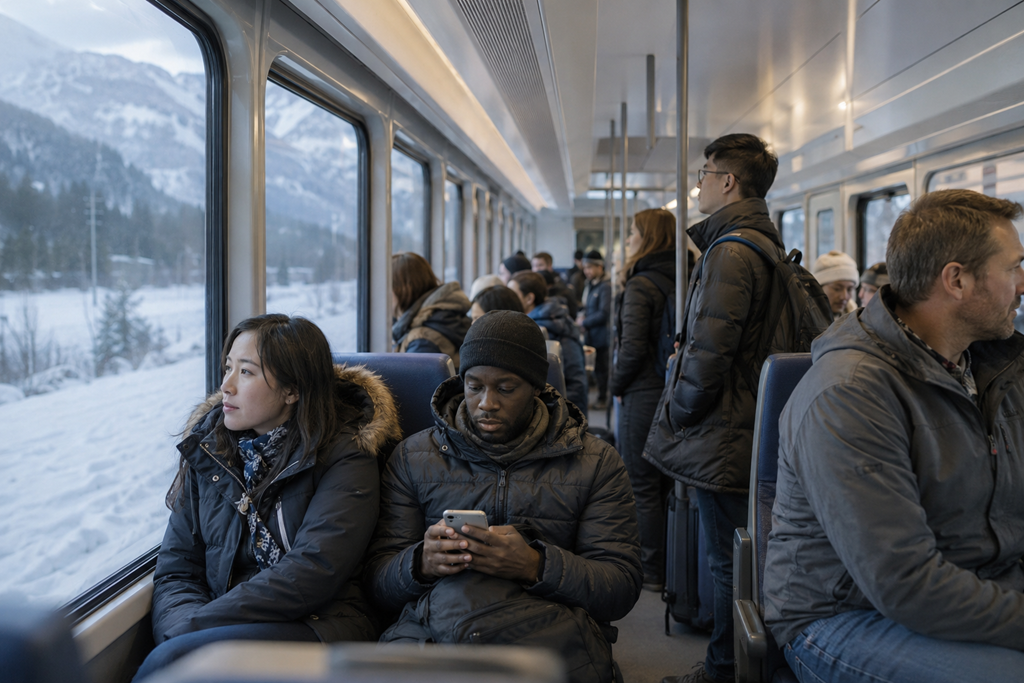
It may be watching fans from different countries gather in a public area. It may be seeing volunteers guide visitors through town. It may be hearing several languages on a train to the venue. It may be walking through a host city or mountain village and realizing the Games are happening all around you.
If every hour is scheduled, you may miss that.
This does not mean you need empty days with no plan at all. It simply means the Olympic atmosphere deserves space. A slower morning, an unhurried meal, a walk through a fan area, or a relaxed evening after an event can help the trip feel more complete.
For many travelers, the real value of the Games is not only seeing elite competition. It is feeling connected to a global sports moment in a real place, with real people, under real travel conditions.
That feeling needs room to happen.
Match the Trip to the People Going
Winter Olympic travel changes depending on who is with you.
A solo traveler may be comfortable with long days, quick meals, and multiple venue transfers. A couple may want a balance of events and quiet evenings. A family may need shorter days, warmer breaks, and fewer late sessions. Older travelers may care more about lodging location, walking distance, seating comfort, and recovery time.
The mistake is planning for the most enthusiastic version of the group instead of the real group.
A good Olympic itinerary should respect the least flexible traveler, not just the most excited one. That might mean choosing one premium-feeling event over several scattered sessions. It might mean staying closer to transport instead of choosing the prettiest lodging. It might mean planning fewer late nights. It might mean accepting that a calmer trip is not a lesser trip.
The best spectator plan is one the actual travelers can enjoy, not just survive.
Watch for the “Once-in-a-Lifetime” Trap
The phrase “once in a lifetime” can be useful, but it can also lead to poor decisions.
It can make travelers overspend, overbook, ignore fatigue, or chase an imaginary perfect version of the Olympics. It can make every choice feel urgent, even when a simpler plan would create a better memory.
A Winter Olympic trip does not have to include everything to be worth it.
You can attend one event and still have a meaningful experience. You can skip the most famous competition and enjoy a sport that is easier to access. You can spend more on lodging convenience and less on extra tickets. You can leave a day open and still feel like you made the most of the trip.
The goal is not to prove that you used every minute. The goal is to come home with a trip that felt clear, memorable, and aligned with what you actually cared about.
A Better Way to Think About the Itinerary
Instead of building the itinerary by asking, “How much can we fit in?” try asking, “What needs to be protected?”
Protect the event you care about most.
Protect arrival and departure days from unnecessary stress.
Protect enough sleep to enjoy the events.
Protect warmth, meals, and recovery time.
Protect the people in your group from a schedule designed for someone else.
Protect the feeling of being there.
This kind of planning may look less ambitious, but it often creates a stronger trip. Winter Olympic travel is already full of energy, scale, and movement. You do not need to add pressure to make it special.
The Trip Should Serve the Experience, Not the Other Way Around
Organizing Winter Olympic Games travel around the experience you actually want is not about lowering expectations. It is about making better choices before the trip becomes too crowded to enjoy.
Start with the memory you want. Choose the anchor event carefully. Be honest about whether the trip is sports-first or destination-first. Give winter logistics more space than you think they deserve. Leave room for atmosphere. Plan for the real people traveling, not an idealized version of them.
A Winter Olympics trip can be exciting, emotional, and deeply memorable. It can also be cold, crowded, expensive, and logistically demanding. The difference often comes down to whether the itinerary supports the experience or competes with it.
When the plan is built around what matters most, the Games feel less like something you are chasing and more like something you are actually present for.
Download Our Free E-book!