The best way to enjoy the Masters as a first-time golf traveler is to treat it less like a loud stadium event and more like a full-day walking, watching, and atmosphere experience. You do not need to be a lifelong golf fan to appreciate it. You do need to understand that the rhythm is slower, the rules are more traditional, and the small planning details can shape how comfortable and present you feel once you are there.
For many new golf travelers, the confusing part is not the sport itself. It is figuring out how to enjoy an event where you may not know every player, every tradition, or every hole. The good news is that the Masters is one of the rare sporting events where the setting, etiquette, pacing, and spectator experience are a major part of the trip.
The Masters Is Not Built Like Most Big Sporting Events
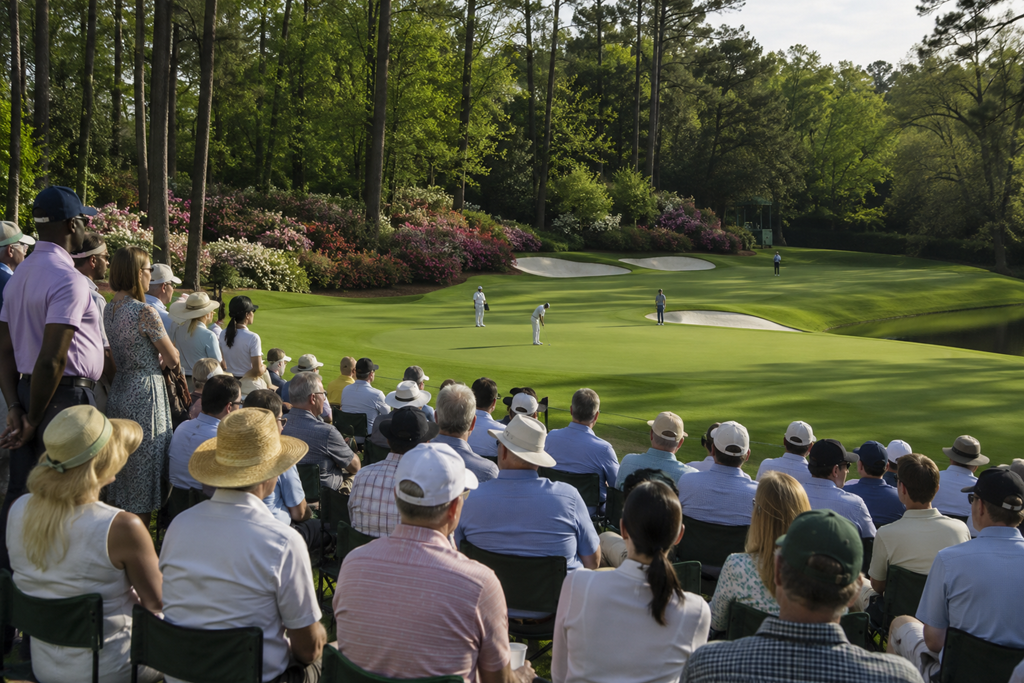
If your idea of a major sports trip comes from football, basketball, baseball, or racing, the Masters may feel different right away. There is no single seat where the whole experience comes to you. Much of the day is about walking the grounds, choosing where to watch, noticing the course, and settling into the quiet tension of each shot.
That difference can be refreshing, but it can also catch new visitors off guard. You may spend part of the day following a favorite player, part of the day sitting near a green, and part of the day simply taking in the course. The experience rewards patience more than constant action.
This matters because a first-time visitor who expects nonstop noise and obvious entertainment may miss what makes the event special. The Masters is more about presence than spectacle.
Learn Just Enough Golf To Follow What You’re Seeing
You do not need to become a golf expert before you go. But it helps to understand a few basics: lower scores are better, each hole has a “par,” players are trying to manage distance and risk, and the drama often comes from small decisions that may not look dramatic at first.
A helpful way to watch is to ask, “What is the player trying to avoid here?” On a difficult hole, the safest-looking shot may be the smartest one. A ball that lands near the green may still leave a difficult next shot. A short putt may feel simple on television but tense in person.
This small shift makes the event easier to enjoy. Instead of waiting only for spectacular shots, you begin to notice strategy, patience, and pressure.
Plan For A Walking Day, Not Just A Watching Day
The Masters is a spectator event, but it is also a physical travel day. You may walk more than expected, stand for long stretches, and move through crowds while trying to decide where to spend your time.
Comfort matters. Shoes, weather awareness, pacing, and knowing when to rest can affect your day more than deep golf knowledge. A first-time visitor can have a better experience by choosing comfort over trying to see everything.
This is especially important because Augusta National is not just a venue you enter and sit inside. It is a course environment. The travel experience includes movement, waiting, observing, and adjusting as the day unfolds.
The Phone Rules Change The Feel Of The Day
One of the biggest surprises for many first-time Masters visitors is the strict approach to phones and electronics. The Masters’ official prohibited-items guidance says devices used for calls, emails, texting, recording, or transmitting voice, video, or data are not allowed, and cameras are prohibited during tournament rounds from Thursday through Sunday. Cameras are allowed for still photography and personal use during practice rounds from Monday through Wednesday.
This can feel inconvenient at first, especially if you are used to using your phone for photos, meeting points, maps, payments, or checking scores. But it also changes the atmosphere. People look up more. They talk more. They watch more carefully.
For a new golf traveler, this means you should make simple plans before entering: agree on a meeting spot, know where you parked or how you are leaving, and avoid relying on your phone to solve every small problem during the day.
Practice Rounds And Tournament Rounds Feel Different
If you are new to golf travel, it helps to understand the difference between practice days and tournament days. Practice rounds tend to feel more relaxed, and they are the days when cameras are permitted for still photography under Masters rules. Tournament rounds are more focused, more competitive, and stricter from a spectator rhythm standpoint.
Neither is automatically “better.” They simply offer different experiences.
A practice round may be easier for a first-timer who wants to take in the setting, learn the grounds, and feel less pressure to follow every competitive moment. A tournament round may be more meaningful if you want the real tension of the event, where every shot affects the leaderboard.
The mistake is assuming the only worthwhile experience is Sunday afternoon. For a new visitor, any day can feel memorable if expectations match the type of day you are attending.
Give Yourself Permission Not To See Everything
A common first-time mistake is trying to cover too much. The Masters has famous viewing areas, iconic holes, merchandise, concessions, player movement, and traditions that many visitors want to experience. Trying to do all of it can make the day feel rushed.
A better approach is to choose a few priorities. You might want to see a famous stretch of the course, follow one player for several holes, spend time at a green, and leave space for simply looking around.
That kind of plan is not lazy. It is realistic. Sports tourism works better when the trip is shaped around actual energy, crowds, weather, timing, and attention span.
Respect The Etiquette Even If You’re New
Golf has a different spectator culture than many sports. Quiet matters. Timing matters. Movement can be distracting. The Masters is especially known for maintaining a traditional, orderly atmosphere.
New visitors sometimes worry they will not know how to behave. The simple rule is to watch the people around you. Stay still and quiet when a player is preparing to hit. Move between shots when possible. Avoid treating the event like a casual outdoor festival.
This does not mean you need to feel stiff or nervous. It simply means the event works best when spectators understand that their behavior is part of the playing environment.
Build Your Day Around Fewer, Better Moments
For someone new to golf travel, the most satisfying Masters experience may come from slowing down. Watch how players approach the same hole differently. Notice how the crowd reacts before and after a shot. Take in the course contours, the walking routes, the sound of the galleries, and the absence of constant phone screens.
These are the details that make the trip feel different from watching golf at home.
The goal is not to become a golf insider in one day. The goal is to understand enough to enjoy the atmosphere, make comfortable choices, and avoid turning a special event into a stressful checklist.
A Way To Approach Your First Masters Trip
If you are new to golf travel, the Masters can feel intimidating because it has traditions, rules, and expectations that are not obvious from the outside. But the experience becomes much easier when you see it as a day of observation, movement, patience, and quiet attention.
Learn the basics. Plan for comfort. Understand the phone and camera rules before you go. Choose a few priorities instead of trying to master the whole event. Give yourself room to enjoy the course, the crowd, and the pace of the day.
You do not have to know everything about golf to enjoy the Masters. You just need to arrive prepared enough to be present.
Download Our Free E-book!