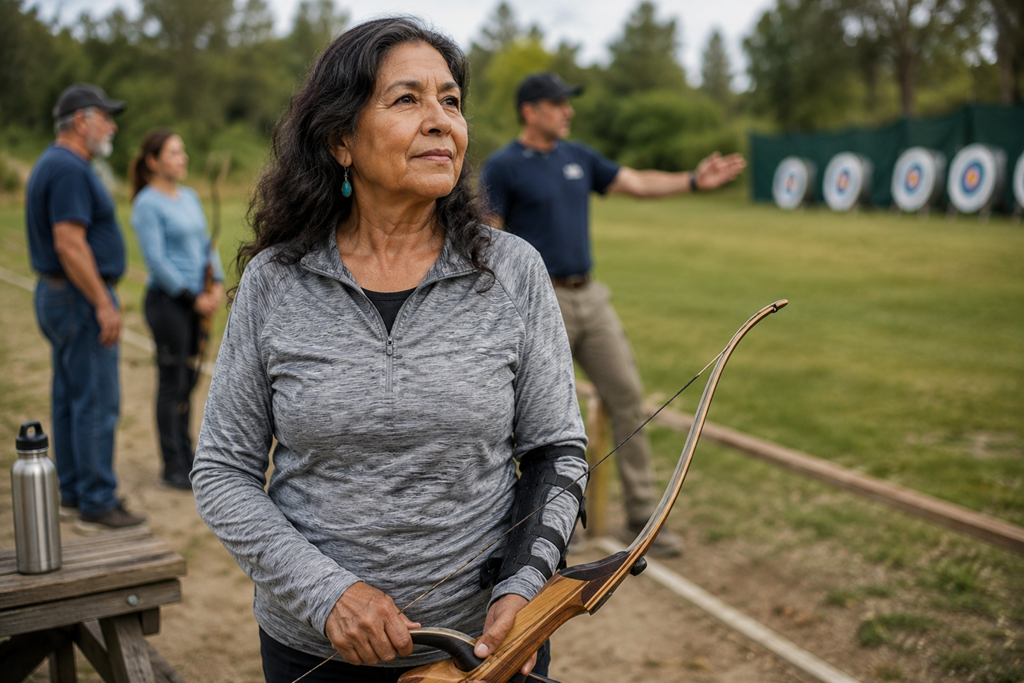
Staying active becomes more important with age because movement helps protect the abilities people often want to keep most: walking comfortably, getting up from chairs, carrying groceries, climbing stairs, staying balanced, and participating in daily life with more confidence.
This does not mean aging has to revolve around intense workouts or strict fitness routines. It means the body tends to respond better when movement remains a regular part of life. As people get older, inactivity can make ordinary tasks feel harder faster than they expect. Staying active helps the body keep practicing the movements that everyday life still requires.
For many adults, this realization does not arrive in a dramatic way. It may show up while getting winded on a familiar walk, feeling less stable on uneven ground, needing more effort to lift something, or noticing that recovery takes longer after a busy day. The change can feel frustrating because the task may not seem difficult on paper, yet the body is clearly working harder than it used to.
Activity Matters Because Daily Life Is Physical
Aging is often discussed in terms of numbers, appointments, or long-term health goals. But the importance of staying active is easiest to understand through ordinary life.
Daily life asks the body to do physical things all day. Standing from a low couch takes leg strength. Carrying laundry takes grip and balance. Getting in and out of a car takes mobility. Walking through a store takes endurance. Reaching into a cabinet takes shoulder movement. Catching yourself after a small stumble takes coordination.
When those abilities are used often, they are more likely to stay available. When they are rarely used, they can fade quietly. That is why staying active matters more with age: movement is not just about exercise. It is about keeping the body familiar with the work of living.
This can be especially important for people who do not see themselves as “fitness people.” A person does not have to train like an athlete to benefit from regular movement. Walking, stretching, light resistance work, household tasks, gardening, water exercise, dancing, and balance practice can all help the body stay engaged.
The Body Can Lose Capacity Quietly
One reason staying active becomes more important with age is that physical capacity can decline in ways that are easy to miss at first.
A person may not notice a major change from one week to the next. Instead, the shift may appear as small adjustments: avoiding stairs when an elevator is nearby, carrying lighter bags, sitting sooner during outings, skipping activities that require too much walking, or feeling less sure on curbs and uneven sidewalks.
Those choices are understandable. People naturally avoid discomfort, fatigue, and risk. But over time, avoiding movement can make the body less prepared for movement. The less the body practices strength, balance, endurance, and flexibility, the more demanding ordinary tasks can feel.
This is one of the most important clarifications: staying active is not only about adding more years to life. It is also about protecting the quality of the years people are already living.
Movement Helps Preserve Independence
Independence is often built from small physical abilities that do not seem important until they become difficult.
Being able to rise from a chair without pushing heavily through the arms matters. Being able to walk across a parking lot matters. Being able to carry a bag, step over a threshold, stand in line, or move safely around the home matters. These abilities affect how freely a person can participate in family life, errands, travel, hobbies, and social plans.
Staying active supports independence because it keeps the body involved in the kinds of movement everyday life demands. This does not guarantee that every limitation can be prevented. Health conditions, injuries, pain, medication effects, and life circumstances can all change what activity looks like. But regular movement can still help many people maintain more function than they might keep through inactivity alone.
The goal is not perfection. The goal is to keep enough strength, balance, mobility, and stamina to make daily life feel more manageable.
The Right Kind of Activity May Change With Age
A common misunderstanding is that staying active has to look the same at every age. For many people, it does not.
A younger adult might focus mainly on speed, intensity, appearance, or performance. With age, activity often becomes more valuable when it supports real-life function. That may mean paying more attention to balance, posture, joint comfort, flexibility, lower-body strength, and recovery.
This shift can feel humbling, but it can also be useful. It gives people permission to stop measuring activity only by sweat, distance, weight, or competition. A walk that supports circulation and mood matters. A few minutes of balance practice near a counter matters. Gentle strength training that makes stairs easier matters. Stretching that helps someone move with less stiffness matters.
As people age, the question becomes less, “Does this count as a workout?” and more, “Does this help me keep doing the things I care about?”
Inactivity Can Make Aging Feel Harder Than It Has To
Some changes are part of getting older, but inactivity can make those changes feel sharper.
When people move less, they may feel weaker, more stiff, less balanced, or more easily tired. That can create a frustrating cycle. Movement feels harder, so they move less. Then moving less makes future movement feel even harder.
This pattern is easy to misunderstand. A person may assume they are simply “too old” for certain activities when the body may actually be under-practiced. They may assume discomfort means all movement is harmful, when the better answer may be gentler movement, better pacing, or professional guidance. They may assume activity only matters if it is long or intense, when shorter and more realistic movement can still play a meaningful role.
This does not mean people should ignore pain, dizziness, shortness of breath, or medical concerns. Those signs deserve attention. But it does mean that aging well often involves finding safe ways to keep the body participating instead of quietly withdrawing from movement altogether.
Staying Active Also Supports Confidence
Physical activity is not only about muscles and joints. It can also affect how someone feels in their own body.
When a person feels stronger, more balanced, or more capable during daily tasks, they may feel more willing to go places, join activities, travel, visit family, or try something new. Confidence often grows from repeated proof: “I can still do this,” or “I can do a version of this that works for me.”
That confidence matters because fear can shrink life. A person who worries about falling may avoid outings. Someone who feels easily fatigued may stop making plans. Someone who feels weaker may become less willing to leave familiar environments.
Regular activity cannot remove every concern, but it can help rebuild trust in the body. Even small improvements can change how a person moves through the day.
The Best Activity Is Often the One Someone Can Keep Doing
Another common mistake is waiting for the perfect routine.
People may think they need the ideal gym plan, expensive equipment, long workouts, or a major lifestyle reset. That kind of thinking can make activity feel bigger and more intimidating than it needs to be.
For healthy aging, consistency usually matters more than creating an impressive routine. A realistic walking habit, a gentle class, light resistance bands, water movement, stretching during the day, or simple strength exercises at home may be more useful than an intense plan that gets abandoned after a week.
The activity should fit the person’s body, schedule, energy, and safety needs. For some, that may mean working with a health professional, physical therapist, or qualified trainer, especially if there are balance issues, chronic conditions, pain, or a history of falls.
Staying active is not about proving toughness. It is about choosing movement that supports the life a person still wants to live.
Small Changes Can Still Be Meaningful
People sometimes dismiss small amounts of movement because they do not seem dramatic enough. But small changes can matter, especially when they are repeated.
Taking a short walk after a meal, standing up more often, practicing gentle stretches, using stairs when appropriate, joining a beginner class, doing light strength work, or adding balance practice can all help the body stay more engaged.
The emotional benefit is important too. Small, repeatable actions can make healthy aging feel less overwhelming. Instead of trying to change everything, a person can begin with movement that feels possible and build from there.
This is where many people need reassurance: starting small is not failure. It is often the most realistic way to make activity part of life again.
A More Helpful Way To Think About Aging And Movement
Staying active becomes more important with age because the body needs regular reminders of what it is still expected to do.
It needs reminders of how to stand, reach, bend, carry, balance, walk, recover, and keep going through ordinary tasks. Without those reminders, everyday life can become more difficult sooner than necessary.
The point is not to chase youth or deny aging. The point is to support the body with movement that keeps life more open. Staying active helps many people protect mobility, confidence, independence, and participation in the routines and relationships that matter most.
Aging may change how activity looks, but it does not erase its value. In many ways, movement becomes more meaningful because it is connected to something deeper than fitness. It is connected to the ability to keep living with choice, comfort, and involvement.
Download Our Free E-book!