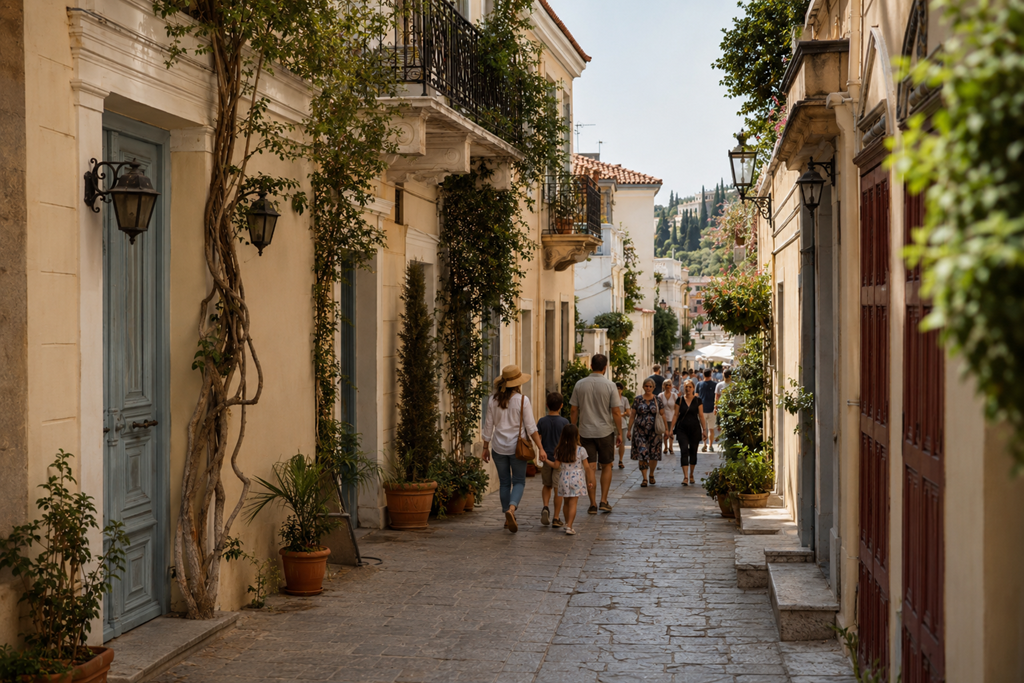
Athens is one of the best cities in Europe for travelers who want history, walkable neighborhoods, memorable food, and a sense of place without needing a complicated plan. In three days, you can see the essential ancient sites, spend meaningful time in major museums, explore atmospheric neighborhoods, and still leave room for slow meals, scenic views, and unplanned wandering.
This 3-day Athens itinerary is designed for first-time visitors who want a balanced route: the Acropolis and historic center, the Ancient Agora and local neighborhoods, then a final day with museums, viewpoints, and a more modern side of the city. It keeps the pacing realistic, groups sights by location, and avoids packing every hour with something rushed.
Check current opening hours and ticket requirements before you go, especially for major archaeological sites and museums. Some attractions may require timed-entry reservations during busy travel periods.
Before You Start: How To Think About 3 Days In Athens
Athens rewards travelers who plan around geography. Many of the city’s biggest highlights are clustered around the historic center, including the Acropolis, Plaka, Monastiraki, the Ancient Agora, and several major walking streets.
For a short trip, it helps to stay somewhere central, such as Plaka, Monastiraki, Syntagma, Koukaki, or near the Acropolis Museum. These areas make it easier to walk to major sights, return to your hotel during the day, and enjoy Athens in the evening without relying too much on transportation.
The Acropolis should be your anchor. It is the city’s defining landmark and one of the most important archaeological sites in Greece, with the Parthenon, temples, theaters, and sweeping views over Athens. The nearby Acropolis Museum is also a major part of understanding the site, with galleries focused on finds from the Acropolis slopes, the Archaic Acropolis, and monuments connected to the Periklean building program.
Day 1: The Acropolis, Acropolis Museum, And Plaka
Your first day is all about Athens’ most iconic historic area. Start with the Acropolis while your energy is high, then use the museum and nearby neighborhoods to give the ruins more context.
Morning: Visit The Acropolis
Begin your trip at the Acropolis. This is the sight most travelers come to Athens to see, and it deserves unhurried time. Rather than treating it like a quick photo stop, give yourself space to walk slowly, look closely, and take in the setting above the city.
The Parthenon will naturally draw the most attention, but do not rush past the rest of the site. Look for the Erechtheion, the Temple of Athena Nike, the Propylaea, and the ancient theaters on the slopes. The views are part of the experience, too: from the hill, Athens spreads out in every direction, showing how the ancient and modern city sit together.
A few practical notes make the visit easier:
Wear comfortable shoes with good grip, since stone surfaces can be uneven and slippery.
Bring water, sun protection, and patience, especially in warmer months.
Book ahead during busy travel periods.
Consider going early in the day or later in the afternoon to avoid the most tiring part of the heat.
Midday: Explore The Acropolis Museum
After visiting the site itself, walk down to the Acropolis Museum. This pairing works well because the museum helps explain what you have just seen, while the Acropolis is still fresh in your mind.
The museum focuses on objects from one archaeological area, which gives it a strong sense of purpose. Its exhibition spaces include finds from the Acropolis slopes, early Acropolis history, the Archaic Acropolis Gallery, and works connected to the monuments of the classical Acropolis.
Give yourself time for the upper galleries and the museum’s views back toward the Acropolis. Even if you are not usually a museum-heavy traveler, this is one of the most useful museum visits in Athens because it directly connects to the city’s most important site.
Afternoon: Walk Through Plaka And Anafiotika
After the museum, shift into a slower neighborhood walk. Plaka is Athens’ best-known historic neighborhood, with picturesque streets, older houses, shops, cafes, and a location directly below the Acropolis. It is popular with visitors, so expect crowds in the busiest lanes.
From Plaka, wander toward Anafiotika, a small hillside area tucked under the Acropolis. It is known for narrow lanes, whitewashed houses, steps, and a quieter village-like feel. Anafiotika sits above Plaka and below the Acropolis rock, making it a natural add-on if you enjoy atmospheric walks.
Keep this part of the day flexible. Rather than chasing a long list of stops, let the afternoon be about texture: stone lanes, small churches, shaded corners, views between buildings, and the feeling of old Athens.
Evening: Dinner Near The Historic Center
For your first evening, stay in or near Plaka, Koukaki, or Monastiraki. Look for a simple Greek meal rather than trying to find the “best” restaurant in the city. Athens is a good place to enjoy grilled meats, fresh salads, dips, seafood, vegetable dishes, and local wine.
A relaxed first dinner close to your hotel is usually better than crossing the city after a full travel day. If you still have energy afterward, take a short evening walk around the illuminated Acropolis area.
Day 2: Ancient Agora, Monastiraki, Psiri, And Lycabettus Hill
Day 2 focuses on Athens as a lived-in city, not just a collection of monuments. You will still see major ancient sites, but the route also includes markets, neighborhoods, street life, and one of the city’s best viewpoints.
Morning: Visit The Ancient Agora
Start at the Ancient Agora, one of the most rewarding archaeological areas in Athens. This was once a major center of public life, where politics, commerce, philosophy, and daily activity overlapped.
The site feels different from the Acropolis. It is more spread out, greener, and easier to imagine as part of a functioning city. The Temple of Hephaestus is one of the highlights, and the reconstructed Stoa of Attalos helps give the area more visual context.
Go slowly here. The Agora works best when you allow time to connect the ruins with the idea of Athens as a civic and social place, not only a monumental one.
Late Morning: Walk Through Monastiraki
From the Agora, continue into Monastiraki. This area is lively, central, and useful for understanding the everyday energy of Athens. You will find a mix of ruins, shops, market streets, cafes, and metro access.
Monastiraki Square is busy, but it is also a helpful orientation point. From here, you can look toward the Acropolis, branch into shopping streets, or continue walking into nearby neighborhoods. It is a good area for travelers who like people-watching, casual browsing, and urban texture.
Lunch: Keep It Simple And Local
For lunch, stay near Monastiraki or Psiri. This is a good time for a casual meal rather than a long sit-down experience. Think souvlaki, gyros, Greek salad, pies, dips, or a small shared table of meze.
Do not over-plan this meal. In Athens, some of the best travel moments come from choosing a place that looks comfortable, sitting outside if the weather is pleasant, and letting the city move around you.
Afternoon: Explore Psiri And The Central Market Area
After lunch, walk toward Psiri, a neighborhood known for its mix of cafes, tavernas, street art, small shops, and nightlife. During the day, it can be a pleasant area for wandering, especially if you enjoy less polished corners of a city.
If you are interested in food culture, consider visiting the central market area. Markets can be busy and sensory, but they offer a different view of Athens than the ancient sites. Keep expectations flexible: this part of the city is more practical and local-feeling than postcard-perfect.
Late Afternoon Or Evening: Go To Lycabettus Hill
End the day with a view from Lycabettus Hill. Rising above central Athens, it offers one of the broadest panoramas of the city, including the Acropolis, the sea in the distance on clear days, and the dense urban landscape below.
You can reach the hill by walking, taxi, or funicular depending on your energy and where you are coming from. Sunset is popular, but the view is worthwhile at different times of day. If you go near sunset, expect more people and give yourself extra time.
This is a strong second-night experience because it helps you see how Athens fits together: ancient monuments, modern neighborhoods, hills, ports, and mountains all in one frame.
Day 3: Museums, Syntagma, The National Garden, And Athenian Neighborhoods
Your final day gives you a choice: lean deeper into history with the National Archaeological Museum, explore civic Athens around Syntagma, or spend more time in neighborhoods. The plan below combines all three without making the day feel too crowded.
Morning: Visit The National Archaeological Museum
Start with the National Archaeological Museum if you want a broader understanding of Greek history beyond the Acropolis. This is one of the most important museum visits in Athens for travelers who enjoy ancient art, sculpture, artifacts, and archaeological context.
Because the museum is large, it helps to approach it with focus. You do not need to see every object. Choose a few galleries or highlights that interest you most, then leave before museum fatigue takes over.
This museum works especially well on Day 3 because you will already have seen the Acropolis, Agora, and historic neighborhoods. The wider historical context will feel more meaningful after two days in the city.
Midday: Syntagma Square And The National Garden
After the museum, head toward Syntagma Square, the civic heart of modern Athens. This area is useful for understanding the city beyond ancient history. You can see the Hellenic Parliament building, watch the ceremonial guards from a respectful distance, and use the square as a starting point for nearby walks.
From Syntagma, continue into the National Garden. This is a good reset after museum time and city streets. The garden offers shade, paths, greenery, and a slower pace in the middle of Athens. It is not a dramatic attraction, but it is a practical and pleasant break.
Afternoon: Choose One Final Athens Experience
For your last afternoon, choose based on your travel style rather than trying to do everything.
Option 1: Panathenaic Stadium
Visit the Panathenaic Stadium if you are interested in sports history, architecture, or classic Athens landmarks. Its marble seating and historic setting make it a memorable stop, especially because it connects ancient athletic tradition with the modern Olympic story.
Option 2: More Time In Plaka Or Koukaki
Choose Plaka or Koukaki if you want a softer final afternoon. Plaka is better for classic historic atmosphere, while Koukaki offers a more residential feel close to the Acropolis Museum. This is a good option if your trip has already involved a lot of sightseeing and you want a less structured ending.
Option 3: A Viewpoint Walk
If you like ending trips with a sense of perspective, choose a viewpoint walk such as Philopappos Hill. It offers views toward the Acropolis and is especially rewarding if you prefer open-air experiences to another museum or monument.
Evening: A Final Dinner And Slow Walk
Spend your final evening with a meal in a neighborhood you enjoyed most. If you liked the historic atmosphere, return to Plaka or Monastiraki. If you want something slightly less tourist-focused, consider Koukaki or another nearby residential area.
After dinner, take one last walk where the Acropolis is visible. Athens is at its best when the ancient landmarks are not treated as isolated stops, but as part of the living city around them.
Where To Stay For This 3-Day Athens Itinerary
For a short visit, location matters more than luxury. A central base saves time and makes the itinerary easier to follow.
Plaka
Plaka is ideal for first-time visitors who want classic atmosphere and easy walking access to major sites. It can be busy, but the convenience is hard to beat.
Monastiraki
Monastiraki is practical, lively, and well-connected. It is a good choice if you want restaurants, transit, markets, and nightlife nearby.
Koukaki
Koukaki is a strong option for travelers who want to stay close to the Acropolis and Acropolis Museum while enjoying a slightly more residential feel.
Syntagma
Syntagma works well for travelers who want easy transit connections, shopping streets, and access to both historic and modern Athens.
How To Get Around Athens In 3 Days
Athens is very walkable in the historic center, and this itinerary is built around that. You can walk between many major sights, especially if you stay centrally.
Use the metro when distances are longer, when the weather is hot, or when you want to save energy. Taxis and rideshare-style services can also be helpful for hills, late evenings, or museum-to-neighborhood transfers.
The best approach is simple: walk when the route is scenic and compact, use transit when it protects your energy.
Practical Tips For A Better Athens Trip
Start Early When Visiting Major Sites
Athens can feel much easier in the morning, especially at open-air archaeological sites. Starting early helps with crowds, heat, and energy.
Wear Better Shoes Than You Think You Need
Historic Athens involves stone paths, steps, slopes, and uneven surfaces. Comfortable walking shoes make a noticeable difference.
Do Not Overload The Itinerary
Athens has enough major sites to fill a week, but three days should feel balanced. It is better to remember the Acropolis, a great meal, and a few meaningful walks than to rush through every possible attraction.
Keep Museum Time Focused
Athens has excellent museums, but too much museum time can blur together. Choose the ones that support your interests and leave room for outdoor wandering.
Check Current Details Before You Go
Opening hours, reservation systems, access rules, and restoration areas can change. Before visiting major attractions, check current details directly with official sources or your booking provider.
A Simple 3-Day Athens Itinerary At A Glance
Day 1
Acropolis
Acropolis Museum
Plaka
Anafiotika
Dinner near the historic center
Day 2
Ancient Agora
Monastiraki
Psiri
Central market area
Lycabettus Hill
Day 3
National Archaeological Museum
Syntagma Square
National Garden
Panathenaic Stadium, Koukaki, or a viewpoint walk
Final dinner and evening stroll
Final Thoughts For Planning 3 Days In Athens
Three days in Athens is enough time to see the city’s essential history while still enjoying its neighborhoods, food, and everyday rhythm. The key is not to treat Athens as a checklist. Build your trip around a few anchors—the Acropolis, the Acropolis Museum, the Ancient Agora, and one major museum or viewpoint—then leave enough space for walking, meals, and small discoveries.
A well-paced Athens itinerary should help the city feel understandable, not exhausting. With three thoughtful days, you can leave with a clear sense of why Athens has remained one of the world’s most meaningful travel destinations.
Download Our Free E-book!