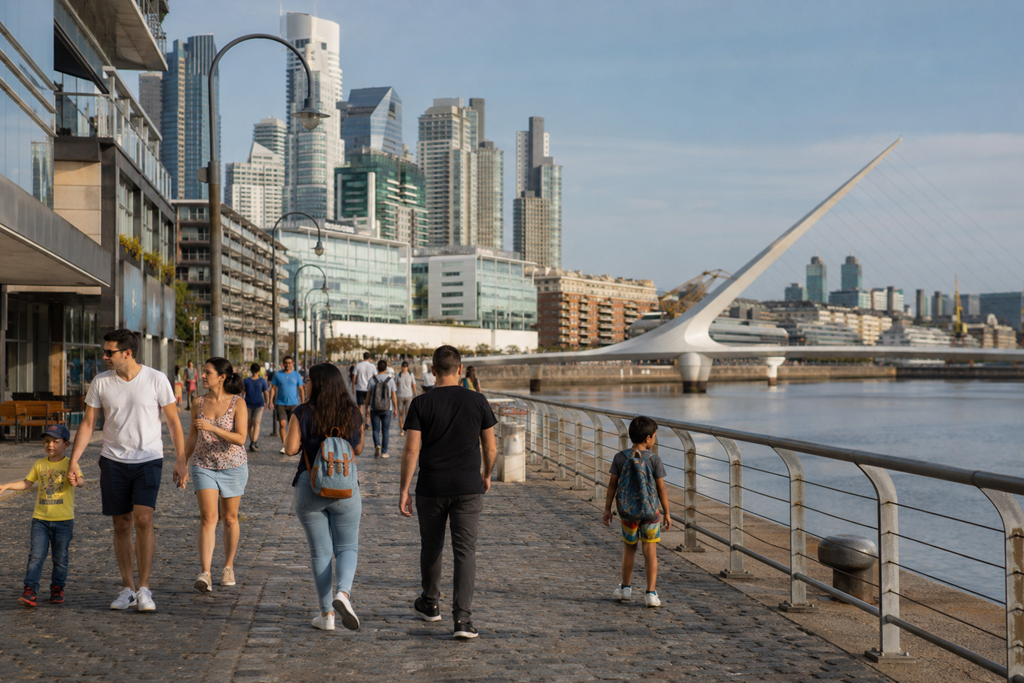
Buenos Aires is one of those cities that rewards wandering, lingering, and paying attention. Its neighborhoods feel distinct from one another: elegant Recoleta, colorful La Boca, historic San Telmo, leafy Palermo, and waterfront Puerto Madero each show a different side of the Argentine capital.
This 3-day Buenos Aires itinerary is designed for first-time visitors who want a balanced introduction without rushing across the city all day. You will see major landmarks, explore classic neighborhoods, enjoy local food traditions, and leave room for the slower moments that make Buenos Aires memorable.
How to Use This Buenos Aires Itinerary
This itinerary works best if you have three full days in the city, but it can also be adapted for a long weekend. The days are grouped by geography as much as possible, so you spend less time in transit and more time actually experiencing the city.
Buenos Aires is a large city, so it helps to think in neighborhoods rather than isolated attractions. Recoleta is known for elegant architecture, parks, galleries, and its famous cemetery, while San Telmo and La Boca offer a more historic and atmospheric side of the city. Palermo is one of the best areas for parks, cafés, restaurants, boutiques, and relaxed wandering.
A Few Planning Notes Before You Go
Buenos Aires is very walkable in many central neighborhoods, but distances between areas can be longer than they look on a map. Use a mix of walking, taxis or rideshare, and public transportation when it makes sense.
For public transit, the SUBE card is commonly used for buses, subway, and trains. Availability, payment methods, and rules can change, so check current guidance before your trip or ask at your accommodation once you arrive.
Even with a structured itinerary, leave some space for cafés, plazas, bookstores, and unplanned walks. Buenos Aires is not just a checklist city. It is a city of daily rhythms, late meals, conversation, architecture, music, and neighborhood life.
Day 1: Historic Buenos Aires, San Telmo, and La Boca
Your first day introduces the city’s political heart, old streets, tango atmosphere, and one of its most photographed neighborhoods. This is a good day for walking, but you may want to use a taxi or rideshare between San Telmo and La Boca depending on timing and comfort.
Start at Plaza de Mayo
Begin at Plaza de Mayo, one of the most important civic spaces in Buenos Aires. This square has long been connected to Argentina’s political and social history, and it is surrounded by significant buildings, including Casa Rosada, the pink presidential palace.
You do not need to spend a long time here to appreciate it. Walk the square, take in the architecture, and use it as a starting point for understanding Buenos Aires as both a historic and living capital city.
Walk Toward Avenida de Mayo
From Plaza de Mayo, continue along Avenida de Mayo, one of the city’s grandest avenues. The architecture here reflects the European influence often associated with Buenos Aires, with domes, balconies, historic cafés, and stately facades.
If you enjoy city photography, this is a good area to slow down. Look upward as much as around you. Some of the best details are above street level.
Explore San Telmo
Next, make your way to San Telmo, one of Buenos Aires’ oldest and most atmospheric neighborhoods. Its cobblestone streets, antique shops, cafés, old buildings, and plazas make it a natural fit for a first visit.
San Telmo is especially enjoyable on foot. Rather than rushing to one specific sight, give yourself time to wander. Browse small shops, stop for coffee, and look for murals, balconies, and historic details.
Mercado de San Telmo is also worth a stop. It is a good place to sample local flavors, browse food stalls, or take a break indoors. Because vendors and offerings may change, treat it as a flexible food stop rather than a fixed dining plan.
Continue to La Boca and Caminito
In the afternoon, head to La Boca, best known to visitors for Caminito, a colorful pedestrian area with painted buildings, street art, music, and tango imagery. It is one of the most recognizable places in Buenos Aires and can be very lively.
Caminito is touristy, but it is still worth seeing on a first trip when approached with the right expectations. Come for the color, cultural symbolism, and visual energy, not for a quiet local neighborhood experience.
Stay within the main visitor-friendly areas, keep an eye on your belongings, and consider visiting during the day rather than late in the evening. This is a good place to take photos, walk slowly, and then move on rather than overplanning.
Evening Idea: Tango or a Traditional Dinner
For your first evening, consider a tango experience or a traditional Argentine dinner. Tango is deeply associated with Buenos Aires, and first-time visitors may enjoy seeing a performance, taking a beginner-friendly class, or visiting a milonga with a guide.
If you prefer a quieter evening, choose a parrilla-style dinner and try classic Argentine grilled meats, provoleta, empanadas, or local wine. Vegetarians can still eat well in Buenos Aires, especially in Palermo and other dining-heavy neighborhoods, but it helps to review menus in advance.
Day 2: Recoleta, Teatro Colón, and Palermo
Day 2 focuses on the elegant, cultural, and green side of Buenos Aires. You will visit Recoleta, one of the city’s most beautiful neighborhoods, then move toward Teatro Colón and Palermo.
Begin in Recoleta
Start your day in Recoleta. This neighborhood is known for tree-lined streets, refined architecture, galleries, parks, cafés, and some of the city’s most recognizable historic buildings. It is also home to Recoleta Cemetery, one of Buenos Aires’ most famous sites.
Give yourself time to walk the area rather than treating it as a quick stop. Recoleta’s appeal is partly in the atmosphere: elegant apartment buildings, shaded sidewalks, small plazas, and the feeling of an older, more formal Buenos Aires.
Visit Recoleta Cemetery
Recoleta Cemetery is often described as a city within a city, with elaborate mausoleums, narrow lanes, sculptures, and memorial architecture. It is one of the most distinctive places in Buenos Aires and an essential stop for many first-time visitors.
Check current entry requirements before you go, as ticketing and access details can change. Once inside, move slowly and respectfully. The cemetery is both a major attraction and a historic burial place.
Add a Museum or Cultural Stop
Depending on your interests, add a nearby museum or cultural stop. Recoleta and the surrounding area have several options connected to art, design, and Argentine culture.
Do not try to fit in every museum. Choose one that genuinely interests you, and leave the rest of the day open enough to enjoy the neighborhood. For many travelers, one museum plus the cemetery and a long walk is a satisfying Recoleta visit.
See Teatro Colón
Later, head toward Teatro Colón, one of the city’s most important cultural landmarks. Even if you do not attend a performance, the building itself is worth seeing from the outside. If you are especially interested in architecture, music, or theater history, consider checking whether guided visits are available during your travel dates.
As with any cultural venue, schedules and access can change, so verify current details before planning your day around it.
Spend the Late Afternoon in Palermo
In the late afternoon, shift to Palermo. This large neighborhood has several different personalities, including leafy parks, residential streets, restaurants, cafés, boutiques, and nightlife areas.
If you want outdoor time, focus on the Palermo parks and gardens. If you prefer food and shopping, spend more time in Palermo Soho or Palermo Hollywood. The area is especially good for an unhurried dinner because it offers a wide range of restaurants and cafés.
Evening Idea: Palermo Dinner and a Slow Walk
For dinner, stay in Palermo and choose based on the kind of night you want. You can go traditional with steak and wine, casual with empanadas or pizza, or modern with small plates and creative menus.
After dinner, take a short walk through the neighborhood if the area feels comfortable and active. Buenos Aires often runs later than many visitors expect, so dinner may naturally happen later than you are used to.
Day 3: Puerto Madero, Parks, Food, and Flexible Favorites
Your final day gives you a softer landing. You will see the waterfront, enjoy green space, revisit a favorite neighborhood if you want, and leave room for food, shopping, or one more cultural experience.
Start in Puerto Madero
Begin in Puerto Madero, one of the city’s newer-feeling neighborhoods. It has waterfront paths, modern buildings, restaurants, and open views that contrast with the older architecture of San Telmo and Recoleta. Argentina’s official tourism site highlights Puerto Madero for its river views and dining areas, making it a pleasant place for a relaxed morning walk.
Walk along the docks, cross one of the pedestrian bridges, and enjoy the change of pace. This is not the most historic part of Buenos Aires, but it adds useful variety to the itinerary.
Visit a Park or Nature Area Nearby
If you want a break from dense urban streets, add time in a nearby green space. Buenos Aires has several parks and ecological areas where you can walk, sit, and reset between neighborhoods.
This part of the day is intentionally flexible. If the weather is pleasant, make it a longer outdoor morning. If it is hot, rainy, or windy, keep it shorter and move to a museum, café, or indoor cultural stop.
Return to a Favorite Neighborhood for Lunch
For lunch, return to the neighborhood that interested you most. If you loved old streets and market atmosphere, go back to San Telmo. If you preferred cafés and boutiques, return to Palermo. If you want elegance and architecture, choose Recoleta.
This is one of the best ways to make a short itinerary feel personal. Instead of adding more stops just to add them, use your final day to deepen the part of Buenos Aires that felt most appealing.
Add One More Signature Experience
In the afternoon, choose one final experience based on your travel style.
If you enjoy art, visit a museum. If you like architecture, take a guided walk or revisit Avenida de Mayo and the central area. If you are food-focused, consider a food tour, cooking class, or a relaxed café crawl. If you enjoy bookstores, Buenos Aires has beautiful bookshops worth seeking out.
The point is not to see everything. The point is to end the trip with something that matches your interests.
Final Evening: Dinner, Wine, and a Simple Farewell Walk
For your last night, keep the plan easy. Choose a neighborhood where you feel comfortable returning to your accommodation afterward, make dinner the main event, and avoid racing across the city.
A good final evening in Buenos Aires might include empanadas, grilled meats, Argentine wine, gelato, or a long conversation at a sidewalk table. It does not need to be complicated.
Where to Stay for a First Visit
For most first-time visitors, Recoleta and Palermo are two of the easiest areas to consider.
Recoleta is a strong choice if you want classic architecture, a central-feeling location, parks, museums, and a slightly more polished atmosphere. Palermo is a good fit if you want restaurants, cafés, boutiques, nightlife, and a more relaxed neighborhood base.
San Telmo can also be appealing if you like historic character and atmosphere, but it may feel less polished in some areas. Puerto Madero is modern and comfortable, though it can feel more separated from the older neighborhood texture many visitors come to experience.
The best choice depends on your travel style. If this is your first time and you want simplicity, Recoleta or Palermo will usually make the trip easier.
Getting Around Buenos Aires
Buenos Aires is best explored with a mix of walking and transportation. Walk within neighborhoods, but use transit, taxis, or rideshare between areas that are farther apart.
The Subte can be useful for certain routes, and buses cover a wide network, but first-time visitors may find taxis or rideshare easier when moving between neighborhoods at night or when short on time. If you plan to use public transit, look into getting and loading a SUBE card after arrival.
Build in more travel time than you think you need. Traffic, long distances, and the natural pace of the city can make a tightly packed plan feel tiring.
What to Eat in Buenos Aires
Food is one of the best parts of visiting Buenos Aires. Classic options include empanadas, steak, provoleta, choripán, milanesas, pizza, medialunas, dulce de leche desserts, and gelato.
Argentine beef and parrilla culture are central to many visitors’ food experiences, but Buenos Aires is not limited to steak. You will also find cafés, bakeries, pizzerias, bodegón-style restaurants, wine bars, vegetarian-friendly spots, and international food across the city.
For a short trip, aim for variety: one traditional parrilla meal, one casual empanada or pizza stop, one café breakfast or afternoon coffee, and one dinner in Palermo or another neighborhood with a strong restaurant scene.
Practical Advice for a Smoother Trip
Check current opening hours before visiting major attractions, especially museums, theaters, cemeteries, and cultural venues. Some places may require timed entry, guided access, or advance reservations during busier travel periods.
Carry only what you need for the day, especially in crowded tourist areas and busy markets. Buenos Aires is a major city, so use the same awareness you would in any large urban destination.
Learn a few basic Spanish phrases before you go. You do not need to be fluent, but greetings, thank-you phrases, and simple ordering language make daily interactions easier.
Also, do not overpack your schedule. Buenos Aires is at its best when you have enough time to sit at a café, walk another block, notice architecture, or let a meal stretch longer than planned.
Is 3 Days Enough for Buenos Aires?
Three days is enough for a strong first visit to Buenos Aires. You can see the historic center, San Telmo, La Boca, Recoleta, Palermo, Puerto Madero, and at least one or two cultural experiences.
That said, Buenos Aires can easily fill five days or more. With extra time, you could add more museums, a deeper tango experience, additional neighborhoods, a soccer-related visit, more food-focused exploring, or a day trip outside the city.
For a first trip, this 3-day itinerary gives you a practical foundation without trying to turn the city into a race.
Download Our Free E-book!