Mexico City is one of the most rewarding cities in North America for travelers who enjoy history, art, neighborhoods, and food. It is large, layered, and full of things to do, but a first trip does not need to feel overwhelming.
This 3-day Mexico City itinerary is designed for a realistic first visit. It focuses on classic cultural sights, walkable neighborhoods, major museums, historic areas, markets, and memorable food experiences. The pace is full but not rushed, with each day organized around nearby places so you can spend less time crossing the city and more time enjoying it.
Because opening hours, reservation rules, and museum access can change, check current details before you go, especially for major museums and timed-entry attractions.
How To Use This 3-Day Mexico City Itinerary
This itinerary works best if you are visiting Mexico City for the first time and want a balanced mix of culture, food, architecture, and everyday neighborhood atmosphere.
The plan is built around three different sides of the city:
- Historic Mexico City, including the Zócalo and Centro Histórico
- Chapultepec, Polanco, and Roma Norte
- Coyoacán and Xochimilco
You can follow the days in order, or rearrange them based on weather, museum reservations, or where you are staying.
Where To Stay For This Itinerary
For a short first visit, it is usually easiest to stay in a central neighborhood with good access to restaurants, parks, museums, and transportation.
Roma Norte
Roma Norte is a good fit if you want leafy streets, cafés, restaurants, galleries, and a neighborhood feel. It is popular with visitors, but it still works well as a practical base because many places are walkable and rideshare trips to other parts of the city are manageable.
Condesa
Condesa has a relaxed residential feel, tree-lined streets, parks, and many places to eat. It is especially convenient if you want a slightly quieter base while still being close to Roma, Chapultepec, and central neighborhoods.
Polanco
Polanco works well if you prefer polished hotels, upscale dining, and quick access to Chapultepec Park and the National Museum of Anthropology, which is located near Chapultepec and Polanco.
Centro Histórico
Centro Histórico can be convenient for sightseeing, especially if you want to be close to the Zócalo, historic churches, museums, and architectural landmarks. It is busier and can feel more intense than Roma, Condesa, or Polanco, so it is best for travelers who like being in the middle of the action.
Day 1: Centro Histórico, Classic Sights, And Traditional Food
Start your trip in the historic heart of the city. This is where Mexico City’s long history feels most visible, from pre-Hispanic ruins and colonial architecture to grand civic spaces and busy streets.
The Historic Centre of Mexico City and Xochimilco are recognized by UNESCO as a World Heritage Site, which reflects the area’s cultural and historical significance.
Morning: Start At The Zócalo
Begin at the Zócalo, Mexico City’s main square and one of the most important public spaces in the country. The area can be busy, but it is a useful starting point because several major landmarks are nearby.
Spend time taking in the scale of the plaza, then visit the Metropolitan Cathedral if it is open. Nearby, you can also see the National Palace from the outside or check whether visitor access is available during your trip.
This is a good morning to move slowly. Centro Histórico is best experienced with time to look up at buildings, step into courtyards, and notice small details rather than rushing from one stop to the next.
Late Morning: Visit Templo Mayor
A short walk from the Zócalo brings you to Templo Mayor, one of the most important archaeological sites in the city. The ruins help connect modern Mexico City with the former Aztec capital of Tenochtitlan.
If you enjoy history, allow enough time for both the outdoor archaeological area and the museum. This visit gives helpful context for the rest of your trip, especially before visiting the National Museum of Anthropology later in the itinerary.
Lunch: Try A Classic Centro Food Stop
For lunch, keep it simple and local. Centro Histórico is a good place to try traditional dishes such as tacos, tortas, pozole, enchiladas, or a casual comida corrida if you find a reliable spot.
Rather than chasing the most talked-about restaurant, focus on places that are busy, clean, and convenient to your route. Mexico City is an excellent food city, but part of the pleasure is eating well without turning every meal into a complicated reservation.
Afternoon: Palacio de Bellas Artes And Alameda Central
After lunch, walk toward Palacio de Bellas Artes, one of Mexico City’s most recognizable cultural landmarks. Even if you do not attend a performance, the building is worth seeing from the outside, and the surrounding area gives you a strong sense of the city’s mix of architecture, movement, and public life.
Nearby Alameda Central is a useful place to pause. It is one of the city’s classic public parks and gives you a break from the intensity of Centro Histórico.
If you want a viewpoint, consider visiting a nearby terrace or observation point where you can see Bellas Artes and the surrounding streets from above. Since access and rules can change, check current details before planning around any specific viewpoint.
Late Afternoon: Walk Down Avenida Madero
Avenida Madero is a pedestrian street connecting Bellas Artes with the Zócalo area. It can be crowded, but it is a helpful way to experience the energy of central Mexico City.
Along the way, you will pass historic buildings, shops, churches, and side streets worth exploring briefly. Keep your belongings secure, walk with awareness, and avoid overpacking your schedule.
Evening: Dinner In Roma Norte Or Condesa
For your first evening, return to Roma Norte or Condesa for dinner. These neighborhoods make the evening easier because they have many restaurants, bars, cafés, and casual food options within a relatively compact area.
You can choose anything from tacos and small plates to contemporary Mexican cooking. If there is a restaurant you care about, book ahead during busy travel periods. Otherwise, leave room for a more spontaneous meal.
Day 2: Chapultepec Park, Anthropology, Polanco, And Roma
Day 2 focuses on museums, green space, and some of the city’s best areas for walking and eating. It is a strong contrast to Day 1: less colonial history, more art, anthropology, parks, and modern neighborhood life.
Morning: Visit The National Museum Of Anthropology
Start at the National Museum of Anthropology, one of the most important museums in Mexico. The museum is located near Chapultepec and Polanco and houses major archaeology and ethnography collections.
This is a place where it is easy to spend several hours. For a 3-day itinerary, do not feel pressured to see every room in detail. Instead, focus on the major galleries that interest you most, take breaks when needed, and give yourself time to absorb what you are seeing.
This museum pairs especially well with Day 1 because it provides deeper context for the civilizations, objects, and histories connected to Mexico City and the wider country.
Lunch: Eat Near Polanco Or Chapultepec
After the museum, have lunch in Polanco or near Chapultepec. Polanco has many polished restaurants and cafés, while the park area can work better for something casual, depending on your timing.
For a flexible lunch, consider Mexican comfort food, seafood, tacos, or a café meal. Avoid planning lunch too tightly if you expect to spend a long time in the museum.
Afternoon: Explore Chapultepec Park
Chapultepec Park is one of the city’s most important green spaces and a good place to reset after a museum-heavy morning. Depending on your energy, you can walk through the park, visit a lake area, or continue to another nearby cultural stop.
If you are interested in history and views, consider Chapultepec Castle, home to the National Museum of History. The official museum information notes that visitors should allow enough time for the visit and check current service details before going.
Do not try to do every museum in Chapultepec in one day. Choose one major museum as your anchor, then add the park and perhaps one additional stop if you still have energy.
Late Afternoon: Walk Roma Norte
In the late afternoon, head to Roma Norte. This is one of the best neighborhoods in the city for a relaxed walk, especially if you enjoy architecture, cafés, small shops, galleries, and leafy streets.
Good areas to wander include streets around Plaza Río de Janeiro, Avenida Álvaro Obregón, and nearby residential blocks. The appeal here is not one single attraction. It is the rhythm of the neighborhood: old houses, sidewalk dining, street life, and small details.
Evening: Dinner And Dessert In Roma Or Condesa
Spend the evening in Roma Norte or Condesa. This is a good night for a longer dinner, a casual mezcal bar, churros, pan dulce, or a late café stop.
Mexico City’s food scene ranges from street food to fine dining, but this itinerary works best when you mix both. A memorable trip might include tacos one night, a market meal another day, and a more refined dinner if that fits your budget and travel style.
Day 3: Coyoacán, Frida Kahlo, Markets, And Xochimilco
Your final day takes you south to Coyoacán and Xochimilco. This day is more spread out geographically, so it helps to start early and avoid overloading the schedule.
Coyoacán offers plazas, markets, historic streets, and a strong artistic identity. Xochimilco offers a different kind of experience on canals that are part of the same UNESCO World Heritage listing as the historic center.
Morning: Explore Coyoacán
Begin in Coyoacán, one of Mexico City’s most beloved historic neighborhoods. Start near the main plazas, where you can walk around gardens, churches, cafés, and local streets.
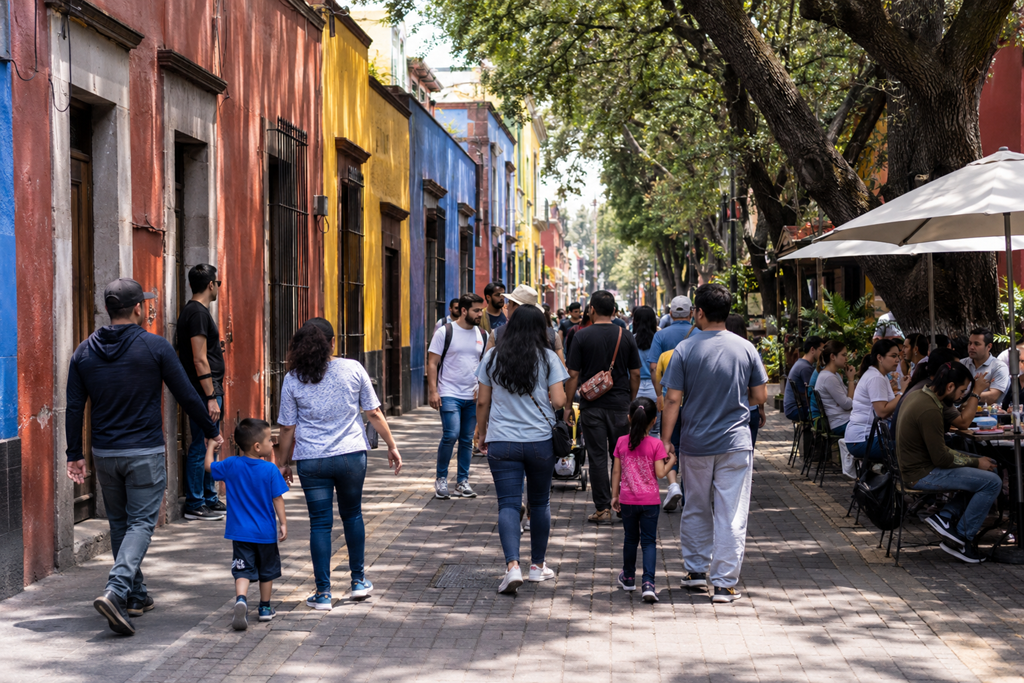
This is a good place to slow down. Coyoacán feels different from Centro Histórico, Roma, and Polanco. It has a village-like quality in parts, with colorful buildings, shaded streets, markets, and a long connection to artists, writers, and intellectual life.
Optional Stop: Frida Kahlo Museum
If you are interested in Frida Kahlo, the Frida Kahlo Museum, often called Casa Azul, is one of the most popular stops in Coyoacán. Because it is a high-demand museum, plan ahead and check current ticket rules before you go.
If you do not get tickets or prefer a less structured morning, you can still have a very satisfying visit by focusing on the neighborhood itself, local plazas, churches, cafés, bookstores, and markets.
Lunch: Eat At A Market Or Casual Coyoacán Spot
For lunch, consider a market meal in Coyoacán. This is a good opportunity to try tostadas, quesadillas, tamales, aguas frescas, or other casual dishes.
Markets are best approached with a little flexibility. Walk around first, notice where locals are eating, and choose something that feels fresh and active. Bring small bills if possible.
Afternoon: Visit Xochimilco
In the afternoon, continue to Xochimilco, known for its canals and colorful trajineras. This is one of the city’s classic experiences, but it is best when approached with the right expectations.
Xochimilco can be lively, especially on weekends and holidays. If you prefer a quieter experience, consider going earlier in the day or choosing a less busy period. For many visitors, the appeal is not just the boat ride, but the sense of tradition, music, food, water, and local gathering.
Since routes, docks, prices, and boat arrangements can vary, confirm details locally or through a reputable guide before you go.
Evening: Return For A Low-Key Final Dinner
After Xochimilco, return to your base neighborhood for a low-key final dinner. This is not the night to schedule something complicated across town unless you have plenty of energy.
Choose a place near your hotel or rental, revisit a neighborhood you liked, or keep it simple with tacos, soup, or a casual restaurant. After three full days, an easy evening is often the best way to end the trip.
What To Eat During 3 Days In Mexico City
Food is one of the main reasons to visit Mexico City, and you do not need a formal food tour to eat well. A good 3-day trip should include a mix of street food, market food, traditional dishes, and at least one slower sit-down meal.
Tacos
Tacos are essential, but do not treat them as one single thing. Look for different styles, such as al pastor, suadero, carnitas, barbacoa, or guisados. Choose busy stands with steady turnover.
Tamales And Atole
Tamales are a classic breakfast or snack, often paired with atole. They are filling, affordable, and easy to find in many neighborhoods.
Chilaquiles
Chilaquiles make a satisfying breakfast or brunch. They are usually made with tortilla chips, salsa, crema, cheese, and often eggs or chicken.
Tostadas
Tostadas are especially good in markets. They can be topped with seafood, chicken, mushrooms, beans, or other ingredients.
Churros And Pan Dulce
For something sweet, look for churros, pan dulce, or a classic bakery stop. These are easy ways to add a small food experience without planning a full meal.
Coffee And Chocolate
Mexico City has many cafés, and a coffee break can also be a useful way to pace your day. Hot chocolate is another comforting option, especially in traditional cafés or breakfast spots.
Getting Around Mexico City
Mexico City is large, and travel time matters. The easiest way to enjoy a short trip is to group your days by geography, as this itinerary does.
Walking
Walking works well within neighborhoods such as Roma, Condesa, Coyoacán, Centro Histórico, and parts of Polanco. Distances between neighborhoods can be much longer than they look on a map, so check travel times before assuming you can walk everywhere.
Metro And Metrobús
Mexico City has a broad public transportation network. The city’s official visitor information notes that using the Metro can also connect travelers with other mobility options such as Metrobús and Ecobici.
For first-time visitors, public transit can be useful for certain routes, but it may be crowded during commuting hours. Keep valuables secure and avoid traveling with bulky luggage during rush periods.
Rideshare And Taxis
Rideshare can be convenient, especially at night, after long museum days, or when traveling between neighborhoods that are not directly connected. Traffic can be heavy, so build in extra time.
Guided Tours
A guide can be worthwhile for specific experiences, especially if you want deeper context at Templo Mayor, the historic center, Xochimilco, or food markets. A good guide can help reduce logistics and add meaning, but you can still follow this itinerary independently.
Practical Tips For A First Visit
Plan Around Altitude And Walking
Mexico City sits at a high elevation, and some visitors feel it during the first day or two. Drink water, pace yourself, and avoid scheduling your most exhausting day immediately after arrival if you can.
Check Museum Details Before You Go
Many museums have changing hours, closure days, timed-entry systems, or special access rules. Always verify current information before building your day around a specific museum.
Make Reservations Selectively
You do not need to reserve every meal. However, book ahead for very popular museums, special restaurants, or guided experiences that matter to you.
Keep Your Route Realistic
Mexico City rewards depth more than speed. It is better to enjoy three neighborhoods well than to spend the whole trip in traffic trying to check off too many places.
Use Common-Sense City Awareness
As in any large city, keep your phone and wallet secure, pay attention in crowded areas, use well-reviewed transportation options, and avoid empty streets late at night if you are unfamiliar with the area.
A Simple 3-Day Mexico City Itinerary At A Glance
Day 1: Historic Mexico City
Start at the Zócalo, visit Templo Mayor, walk through Centro Histórico, see Palacio de Bellas Artes, pause in Alameda Central, and have dinner in Roma Norte or Condesa.
Day 2: Museums, Parks, And Neighborhoods
Visit the National Museum of Anthropology, have lunch near Polanco or Chapultepec, explore Chapultepec Park, walk Roma Norte, and enjoy dinner in Roma or Condesa.
Day 3: Coyoacán And Xochimilco
Spend the morning in Coyoacán, optionally visit the Frida Kahlo Museum, eat at a market or casual local spot, take a Xochimilco canal ride, and return for an easy final dinner.
How To Make This Itinerary Your Own
This 3-day Mexico City itinerary gives you a strong foundation, but it should still leave room for your own travel style.
If you love museums, spend more time in Chapultepec and reduce your evening plans. If food is your priority, build in a market tour or a longer taco crawl. If you prefer slower travel, skip one major stop and spend more time sitting in plazas, walking side streets, and enjoying cafés.
Mexico City is too large and layered to fully understand in three days. But with a thoughtful plan, you can experience its historic center, major museums, beloved neighborhoods, food culture, and everyday rhythm in a way that feels memorable, manageable, and worth returning to.
Download Our Free E-book!