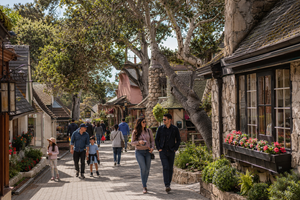
Maui is one of Hawaiʻi’s most rewarding islands for travelers who want beaches, scenic drives, mountain views, small towns, food experiences, and outdoor adventure in one trip. It is easy to picture Maui as a simple beach vacation, but the island has several distinct regions, each with its own rhythm, landscape, and planning needs.
This guide will help you understand where to stay, when to visit, how to get around, which beaches and road trips are worth prioritizing, and how to plan your days without overloading your schedule. Maui rewards travelers who leave room for weather, ocean conditions, local guidance, and slower travel.
Maui At A Glance
Maui is often described through a few major travel areas: West Maui, South Maui, Central Maui, Upcountry Maui, and East Maui. West Maui is known for resort areas, sunsets, and beaches; South Maui is popular for sunny weather and beach access; Central Maui is practical for the airport and services; Upcountry offers farms, cooler air, and access to Haleakalā; and East Maui is best known for Hāna and the famous coastal drive. The official Hawaiʻi tourism site also highlights Maui’s mix of land activities, water activities, food, culture, and scenic regions.
A good Maui trip usually balances beach time with one or two bigger outings. Instead of trying to circle the island in a rush, choose a few anchor experiences: a beach base, a Road to Hāna day, a Haleakalā visit, a snorkeling or coastal day, and time for local food and smaller towns.
Best Time To Visit Maui
Maui can be visited year-round, but the best time depends on what you want from the trip.
Spring And Fall
Spring and fall are often appealing because they can offer a good balance of pleasant weather and somewhat lighter travel periods compared with major holidays. These seasons are especially useful for travelers who want beach time, scenic drives, and outdoor activities without planning every day around peak crowds.
Summer
Summer is popular for families, school breaks, beach vacations, and generally warmer ocean-focused travel. It can be a good time for snorkeling and long beach days, but lodging and flights may be more competitive during busy travel windows.
Winter
Winter brings whale-watching season to Maui waters and can be a beautiful time to visit. It can also bring larger surf, especially on north- and west-facing shores. Beach plans should stay flexible, and travelers should pay attention to posted warnings, lifeguards, and ocean conditions.
Where To Stay In Maui
Choosing where to stay affects the whole trip. Maui is not huge, but drive times can feel longer than expected because roads can be winding, scenic, congested, or slow-moving.
West Maui: Kā‘anapali, Kapalua, Napili, And Lahaina Area
West Maui is a classic choice for resort travelers, beach lovers, sunset views, golf, dining, and families who want a strong vacation infrastructure. Kā‘anapali and Kapalua are especially popular for beach resorts and coastal scenery. The official Hawaiʻi tourism site describes West Maui as a sunny northwest coast known for resorts, activities, shopping, restaurants, and sunsets.
Lahaina remains a sensitive area because of the 2023 wildfires and ongoing recovery. Visitors should check current local guidance before planning time there, respect closed or rebuilding areas, avoid disaster sightseeing, and support open local businesses thoughtfully. MauiRecovers is the County of Maui’s official recovery information resource.
South Maui: Kīhei, Wailea, And Mākena
South Maui is a strong choice for travelers who want reliable beach access, sunny conditions, restaurants, condos, resorts, and a convenient base for exploring different parts of the island. Kīhei tends to feel more casual and practical, while Wailea is more polished and resort-oriented.
This area works well for first-time visitors who want beaches without feeling too remote. It is also a good base for snorkeling trips, sunset walks, and relaxed beach days.
Central Maui: Kahului And Wailuku
Central Maui is where many travelers arrive, shop for supplies, and pass through on the way to other regions. Kahului is home to the main airport, while Wailuku offers access to ʻĪao Valley and local history.
Most leisure travelers do not stay here for the full trip unless they want practicality over resort atmosphere. Still, Central Maui is useful for groceries, short stays, local food, and positioning yourself for certain drives.
Upcountry Maui: Makawao, Kula, And Haleakalā Area
Upcountry feels different from the coastal resort areas. It is cooler, greener in places, more rural, and closely connected to farms, ranches, small towns, and Haleakalā National Park. The official Hawaiʻi tourism site describes Haleakalā as a scenic national park extending from Upcountry Maui toward the southeastern coast.
Upcountry is a good fit for travelers who want quieter surroundings, farm visits, scenic views, and a break from beach-focused travel.
East Maui: Hāna
Hāna is remote, lush, and best suited for travelers who value scenery, quiet, and slower pacing. Many people visit Hāna as a long day trip on the Road to Hāna, but staying overnight can make the experience less rushed.
The official Hawaiʻi tourism site describes Hāna as a peaceful town along Maui’s rugged eastern coastline.
Maui Beaches Worth Knowing
Maui has many beaches, but the best one depends on your plans, swimming ability, weather, and ocean conditions. Always check conditions before entering the water. Waves, currents, reefs, rocks, and shorebreak can change the experience quickly.
1. Kā‘anapali Beach
Kā‘anapali Beach is one of Maui’s most famous resort beaches. It is long, scenic, and convenient if you are staying in West Maui. The beach is good for walking, sunset views, and classic resort-style beach days.
It is best for travelers who want amenities nearby and do not mind a busier setting.
2. Napili Bay
Napili Bay is a smaller, pretty crescent beach in West Maui. It can be a wonderful place for swimming when conditions are gentle, and it has a more intimate feel than larger resort beaches.
It is best for couples, families, and travelers who want a scenic beach without needing a huge resort backdrop.
3. Kapalua Bay
Kapalua Bay is a sheltered West Maui beach that is often appreciated for swimming and snorkeling in favorable conditions. It is beautiful but can get crowded, so arriving earlier in the day is often more pleasant.
It is best for travelers who want a protected-feeling beach and are willing to share the space.
4. Kama‘ole Beaches
The Kama‘ole beaches in Kīhei are practical, easy-to-access South Maui beaches. They are popular for swimming, sunsets, picnics, and relaxed beach time.
They are best for travelers staying in Kīhei who want convenient beach access without a complicated plan.
5. Wailea Beach
Wailea Beach is polished, scenic, and resort-friendly. It is a strong choice for travelers staying in South Maui who want a beautiful beach with nearby hotels and coastal walking options.
It is best for visitors who want a refined beach setting and easy access to restaurants or resorts.
6. Mākena Beach
Mākena Beach, often called Big Beach, is dramatic and wide, with a more open, less developed feel than many resort beaches. It is beautiful, but the shorebreak can be powerful.
It is best for experienced beachgoers who respect ocean conditions and are comfortable skipping swimming when the surf looks rough.
7. Waiʻānapanapa State Park
Waiʻānapanapa State Park near Hāna is known for its black sand beach, coastal scenery, and lava-rock landscape. It is one of the most memorable stops in East Maui, but visitors should check current reservation requirements before going. Hawaiʻi State Parks operates official reservation systems for certain parks, including Maui locations.
It is best for travelers doing the Road to Hāna who plan ahead and want a distinctive coastal landscape.
Best Road Trips And Scenic Drives In Maui
Maui’s road trips are part of the experience, but they should be planned realistically. Roads can be narrow, winding, wet, or slow. Drive with patience, let faster local traffic pass when safe, do not stop in unsafe places for photos, and avoid treating residential communities like attractions.
8. Road To Hāna
The Road to Hāna is Maui’s signature scenic drive, known for rainforest scenery, waterfalls, coastal views, bridges, curves, and small stops along the way. The drive is not just about reaching Hāna; it is about moving slowly, choosing a few stops, and respecting the communities along the route.
For many travelers, the best approach is to leave early, select a short list of must-see stops, avoid illegal parking, and turn around before fatigue becomes an issue. If winding roads or long driving days sound stressful, a guided tour may be a better choice.
9. Haleakalā Summit Drive
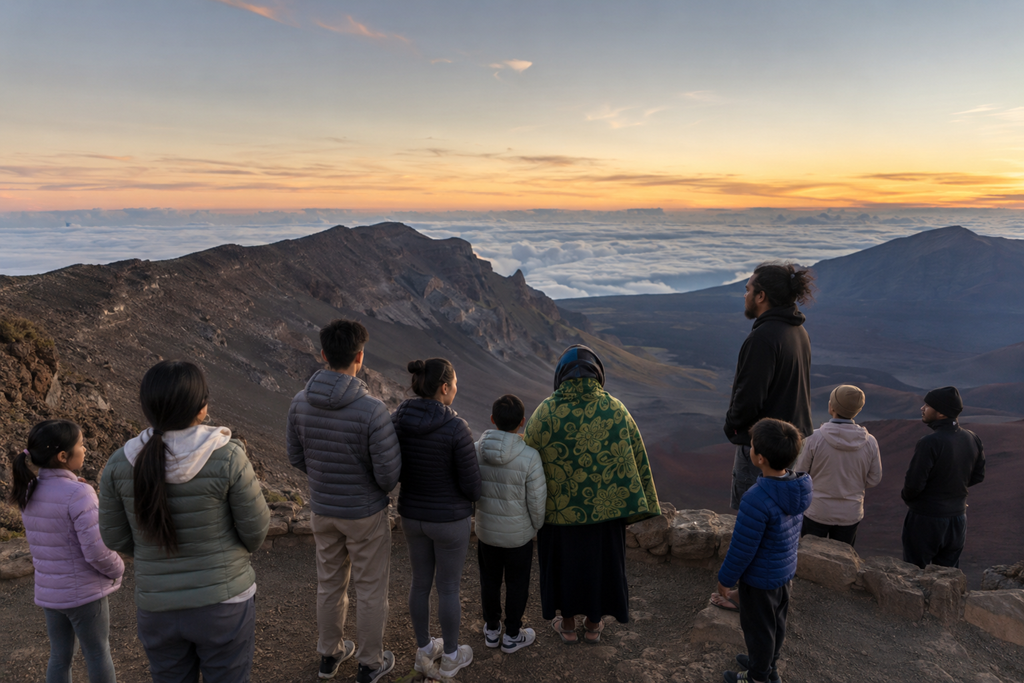
The drive to Haleakalā takes you from sea level toward a high volcanic landscape that feels very different from the beaches. Sunrise is famous, but it requires advance planning. Haleakalā National Park sunrise entry requires a vehicle reservation for entry during the early-morning reservation window, and reservations are handled through Recreation.gov.
Sunset or daytime visits can also be rewarding and may feel less demanding than a very early wake-up. Bring warm layers, because summit weather can be much colder than the coast.
10. Upcountry Maui Drive
An Upcountry drive through areas like Makawao and Kula gives you a different view of Maui. Expect rolling landscapes, farms, small-town stops, views toward the coast, and a slower pace.
This is a good option for travelers who want something beyond beaches without committing to an all-day road trip.
11. West Maui Coastal Drive
West Maui’s coastline offers beaches, viewpoints, and resort areas. Depending on your route, some roads can become narrow and winding, so this is not a drive to rush.
Keep the day simple: choose a beach, a coastal walk, a meal, and a sunset viewpoint rather than trying to squeeze in every stop.
Top Attractions And Experiences In Maui
12. Visit Haleakalā National Park
Haleakalā is one of Maui’s most important natural landmarks. The summit area offers volcanic scenery, wide views, and a sense of scale that contrasts sharply with the coast. The park also includes lower-elevation areas connected to East Maui.
If sunrise is a priority, plan the reservation early. If not, consider sunset, stargazing conditions, or a daytime visit with a hike suited to your ability.
13. Explore ʻĪao Valley State Monument
ʻĪao Valley is a lush Central Maui landmark known for steep green scenery and cultural significance. Out-of-state visitors should check the current reservation system before going; Hawaiʻi’s Division of State Parks notes that entry and parking reservations are required for non-residents.
This is a good half-day experience, especially if paired with Wailuku, local food, or a slower Central Maui day.
14. Take A Snorkeling Trip
Maui is known for snorkeling, with popular areas along West and South Maui and boat trips that may visit offshore locations such as Molokini when conditions allow. The official Hawaiʻi tourism site describes Molokini as a crescent-shaped islet that is a State Marine Life and Bird Conservation District.
Choose reputable operators, follow reef-safe practices, keep distance from marine life, and avoid standing on coral.
15. Walk A Coastal Trail
Coastal walks are one of the easiest ways to enjoy Maui without overplanning. Wailea’s coastal path and West Maui beachfront paths offer ocean views, beach access, resort landscaping, and sunset opportunities.
This is a good choice for arrival day, a rest day, or a day when you want beauty without a long drive.
16. Spend Time In Upcountry
Upcountry Maui offers a slower inland experience with farms, small towns, gardens, views, and access to Haleakalā. It pairs well with a summit visit or a day when you want a break from the beach.
This is especially worthwhile for travelers interested in local food, agriculture, and Maui’s varied landscapes.
17. Visit Hāna With Realistic Expectations
Hāna is beautiful, but it is not a theme park. It is a real community at the end of a long, winding road. Visitors should be respectful, avoid trespassing, follow signs, and support local businesses appropriately.
If you want a less rushed experience, consider staying overnight. If you are doing a day trip, choose fewer stops and give yourself plenty of daylight.
18. Watch Sunset From The Coast
Maui sunsets are simple but memorable. West and South Maui are especially popular for evening beach walks and sunset views.
The key is not to overcomplicate it. Pick a beach near where you are staying, bring a light layer, and avoid driving a long distance afterward if you are tired.
19. Learn About Hawaiian Culture Respectfully
Maui travel is better when visitors take time to understand where they are. Look for cultural centers, guided experiences, local storytelling, traditional music, hula, historic sites, and educational programs that are presented respectfully.
Avoid treating sacred places, memorials, or recovering communities as photo opportunities. A thoughtful trip includes curiosity, humility, and care.
What To Eat In Maui
Maui’s food scene includes local plate lunches, fresh fruit, seafood, shave ice, banana bread, farm products, coffee, bakeries, food trucks, and resort dining. The best approach is to mix casual local meals with a few planned restaurant experiences.
Local Food Experiences To Look For
Try plate lunch, poke, loco moco, saimin, malasadas, shave ice, banana bread, tropical fruit, and locally grown coffee or produce when available. Food trucks and small local spots can be just as memorable as formal meals.
Avoid building your trip around “best restaurant” lists alone. Restaurants change, reservations shift, and popularity does not always match your travel style. Instead, choose food by area: what is convenient near your beach, road trip route, or lodging?
Dining Planning Tips
Book ahead for special meals during busy travel periods, especially in resort areas. For casual meals, keep a flexible list by region so you are not driving across the island just for dinner.
If you are staying in a condo, use grocery stops and simple breakfasts to reduce costs and make beach mornings easier.
Getting Around Maui
Most visitors rent a car because Maui’s best beaches, scenic drives, and regional experiences are spread out. A car gives you flexibility, but it also comes with responsibility: drive patiently, follow parking rules, and avoid blocking roads for photos.
Rental Cars
A rental car is usually the most practical choice for first-time visitors. Choose a vehicle you are comfortable driving on narrow roads. You generally do not need the largest vehicle unless your group or luggage requires it.
Before driving remote or rougher routes, check your rental agreement. Some roads may be restricted by rental companies or unsuitable for certain vehicles.
Rideshare And Taxis
Rideshare and taxis may work for airport transfers, resort-area dinners, or short trips, but they are not ideal for full-island exploring. Availability can vary by area and time.
Tours
Tours can be useful for the Road to Hāna, snorkeling, Haleakalā sunrise, cultural experiences, and travelers who do not want to manage logistics. A good tour can reduce stress and help visitors understand the island more deeply.
Practical Maui Travel Tips
Respect Ocean Conditions
Never assume a beach is safe because it looks beautiful. Check signs, lifeguard guidance, surf reports, and local advice. When in doubt, stay out of the water.
Do Less Than You Think You Can
Maui is better with breathing room. A packed itinerary can turn scenic drives into chores. Plan one major activity per day, then add optional stops nearby.
Book Key Reservations Early
Some experiences require advance planning, especially Haleakalā sunrise and certain state park visits. Haleakalā sunrise reservations are required for early-morning summit entry, and ʻĪao Valley has reservation requirements for non-residents.
Be Thoughtful In Lahaina And West Maui
Maui’s recovery is ongoing. Use official local resources for current guidance, respect closed areas, and avoid treating wildfire-affected places as sightseeing stops. Support open businesses where appropriate, but keep the needs of residents in mind. MauiRecovers remains the official County of Maui recovery information source.
Pack For More Than The Beach
Bring swimwear, sandals, reef-conscious sun protection, a hat, reusable water bottle, light layers, rain protection for certain drives, and warm clothing if visiting Haleakalā. Maui’s microclimates can make the summit, Upcountry, Hāna, and the beach feel like different trips.
Avoid Leaving Valuables In The Car
Do not leave bags, electronics, wallets, passports, or visible items in a parked vehicle. This is especially important at beaches, trailheads, and scenic stops.
Use Local Names With Care
Learn and use Hawaiian place names respectfully. Pay attention to pronunciation when you can, and remember that many places have cultural meaning beyond tourism.
A Simple First-Time Maui Trip Plan
For a balanced Maui visit, consider this kind of structure:
Day 1: Arrive, settle in, grocery stop, easy beach sunset
Day 2: South or West Maui beach day and coastal walk
Day 3: Road to Hāna or guided East Maui tour
Day 4: Rest morning, snorkeling or beach afternoon
Day 5: Haleakalā and Upcountry Maui
Day 6: ʻĪao Valley, Wailuku, local food, relaxed beach time
Day 7: Favorite beach, slow breakfast, departure
This kind of plan gives you variety without turning every day into a long drive.
How To Think About Maui
Maui is not a destination to rush through. Its best experiences often come from contrast: sunrise above the clouds, a quiet beach morning, a winding rainforest road, a farm stand in Upcountry, a plate lunch after swimming, or a sunset you did not have to schedule too tightly.
A good Maui trip is not about checking off every beach or viewpoint. It is about choosing well, traveling respectfully, and leaving enough space to enjoy where you are.
Download Our Free E-book!