Vienna is one of Europe’s most rewarding cities for travelers who enjoy history, architecture, music, museums, food, and walkable neighborhoods. It has the elegance of a former imperial capital, but it is also practical, well-connected, and easy to explore at a thoughtful pace.
This guide will help you understand the city before you go: when to visit, where to stay, what areas to explore, which attractions are worth prioritizing, what to eat, how to get around, and how to make your trip feel clear instead of crowded.
Vienna At A Glance
Vienna is Austria’s capital and largest city, known for its grand boulevards, classical music heritage, coffeehouse culture, palace gardens, museums, and historic center. The city’s historic core is recognized by UNESCO for its architectural layers, including Baroque buildings, palace gardens, and the Ringstrasse, the grand boulevard lined with major civic buildings and parks.
For first-time visitors, Vienna works especially well because many of its most important sights are concentrated in or near the Innere Stadt, the central historic district. From there, you can branch out to palace grounds, museum districts, markets, residential neighborhoods, and green spaces without needing complicated logistics.
Vienna is a good fit for travelers who like:
- Art museums and historic architecture
- Classical music, opera, and concert halls
- Elegant cafés and traditional food
- Walkable streets and scenic public spaces
- Palaces, gardens, and old-world atmosphere
- A city trip that can be either relaxed or deeply cultural
Best Time To Visit Vienna
Vienna can be visited year-round, but each season changes the rhythm of the trip.
Spring
Spring is one of the most pleasant times to visit. Parks and palace gardens begin to feel lively again, outdoor walking is comfortable, and sightseeing can feel less intense than peak summer. It is a good season for first-time visitors who want to spend time outdoors without planning around extreme heat or cold.
Summer
Summer brings longer days, more outdoor dining, and a lively atmosphere in parks, public squares, and along the Danube. It can also be busier, especially around major landmarks and museums. If you visit in summer, plan indoor attractions during the warmest parts of the day and leave mornings or evenings for walking.
Fall
Fall is one of the best seasons for culture-focused travel. The weather is often comfortable, museum visits feel natural, and the city’s architecture pairs beautifully with autumn light. It is a strong choice for travelers who want a balanced trip with sightseeing, cafés, concerts, and neighborhood wandering.
Winter
Winter gives Vienna a more atmospheric, traditional feel. Cold weather makes museums, cafés, concerts, and historic interiors especially appealing. Some outdoor experiences may require more flexibility, but winter can be a memorable time for travelers who enjoy cozy city travel and festive seasonal atmosphere.
How Many Days Do You Need In Vienna?
A satisfying first trip to Vienna usually works well with three to four full days.
With two days, you can see the historic center, visit a palace or major museum, enjoy a coffeehouse, and attend a concert or opera if that interests you.
With three days, you can add Schönbrunn Palace, the MuseumsQuartier, Naschmarkt, Belvedere, and more relaxed neighborhood time.
With four or five days, Vienna becomes easier to enjoy at a slower pace. You can visit additional museums, explore more residential areas, spend time in parks, and take breaks without feeling like you are missing the essentials.
Where To Stay In Vienna
Vienna has an efficient public transportation system, so you do not have to stay directly beside every attraction. Still, your neighborhood choice can shape the feel of your trip.
Innere Stadt
The Innere Stadt is the historic center and the most convenient area for first-time visitors who want to be close to major landmarks. Staying here puts you near St. Stephen’s Cathedral, the Hofburg, museums, historic cafés, shopping streets, and many walkable routes.
This area is best for travelers who want maximum convenience and classic Vienna atmosphere. It can be more expensive and more tourist-heavy, but it reduces travel time.
MuseumsQuartier And Neubau
The MuseumsQuartier area and nearby Neubau are excellent for travelers who want culture, cafés, design shops, and a slightly more local feel while still staying close to the historic center. This area works well if you plan to visit museums, enjoy casual restaurants, or prefer a neighborhood with creative energy.
Leopoldstadt
Leopoldstadt sits across the Danube Canal from the historic center and offers good access to the Prater, Augarten, and central Vienna. It can be a practical choice for travelers who want a slightly quieter base while remaining well connected.
Landstrasse
Landstrasse is convenient for Belvedere Palace, Stadtpark, and transport links. It can work well for travelers who want a polished but less central base with easy access to both the historic center and major sights.
Wieden And Margareten
These neighborhoods south of the center are good options for travelers who like cafés, local streets, and access to Naschmarkt, Karlsplatz, and public transportation. They can feel less formal than the historic core while still being easy to navigate.
Must-See Attractions And Experiences In Vienna
Vienna has many worthwhile sights, but you do not need to see everything to have a strong trip. Prioritize a mix of historic landmarks, museums, music, food, and neighborhood wandering.
St. Stephen’s Cathedral
St. Stephen’s Cathedral is one of Vienna’s defining landmarks and a natural starting point for exploring the historic center. Its Gothic exterior, patterned roof, and central location make it both a major sight and an orientation point.
Even if you only see it from the outside, it helps anchor your sense of the city. If you plan to go inside or climb a tower, check current access and ticket details before visiting.
The Hofburg
The Hofburg is the former imperial palace complex and one of the most important historic sites in Vienna. The area includes museums, courtyards, ceremonial spaces, and nearby landmarks that reflect the power and scale of the Habsburg monarchy.
You can approach the Hofburg in different ways. Some travelers focus on the palace museums, while others simply walk through the courtyards and surrounding streets as part of a larger historic center route.
Schönbrunn Palace And Gardens
Schönbrunn Palace is one of Vienna’s essential sights, especially for travelers interested in imperial history, architecture, and formal gardens. The palace and grounds are outside the very center but easy to reach by public transportation.
Give yourself enough time here. Even if you do not tour every interior room, the gardens, grand views, and overall setting make it worth visiting. Book ahead during busy travel periods and check current entry requirements before you go.
Belvedere Palace
Belvedere combines palace architecture, landscaped gardens, and major art collections. It is especially known for Austrian art, including works associated with Gustav Klimt. The setting itself is part of the experience, with formal gardens connecting the Upper and Lower Belvedere.
This is a good choice for travelers who want art and architecture in the same visit.
MuseumsQuartier
MuseumsQuartier is one of the best areas in Vienna for museum lovers. It brings together major cultural institutions, open courtyards, cafés, and public gathering spaces. The area works well even if you do not plan a full museum day because it is easy to combine with nearby neighborhoods, shopping streets, and the Ringstrasse.
The Kunsthistorisches Museum
The Kunsthistorisches Museum is one of Vienna’s most important museums and a strong choice for travelers who enjoy European art, imperial collections, and grand interiors. It is not a quick stop, so plan it when you have enough attention and energy to enjoy it properly.
If your time is limited, choose one or two major museums instead of trying to rush through several.
Vienna State Opera
Vienna’s music reputation is not just historical. The Vienna State Opera remains one of the city’s signature cultural institutions. Even travelers who do not usually attend opera may enjoy seeing the building from the outside or considering a performance if the timing works.
Performance schedules, ticket options, and access details change, so check current information before planning your evening around it.
Ringstrasse
The Ringstrasse is a grand boulevard that circles the historic center and connects many of Vienna’s major buildings, including museums, theaters, government buildings, and parks. Walking or riding along the Ringstrasse is one of the easiest ways to understand Vienna’s scale and 19th-century urban design.
You can explore it in sections rather than trying to complete the entire route at once.
Prater And The Giant Ferris Wheel
The Prater is a large public park and amusement area best known for the Giant Ferris Wheel. It offers a different side of Vienna: open space, casual entertainment, and a break from palace and museum sightseeing.
It is especially useful if you are traveling with children, want a lighter activity, or need a relaxed afternoon.
Naschmarkt
Naschmarkt is Vienna’s best-known market area, with food stalls, casual places to eat, and a lively mix of local and international flavors. It is a good place to walk, snack, and experience a less formal side of the city’s food culture.
Go with flexible expectations. Markets change throughout the day and week, so treat it as a wandering experience rather than a tightly scheduled attraction.
Viennese Coffeehouses
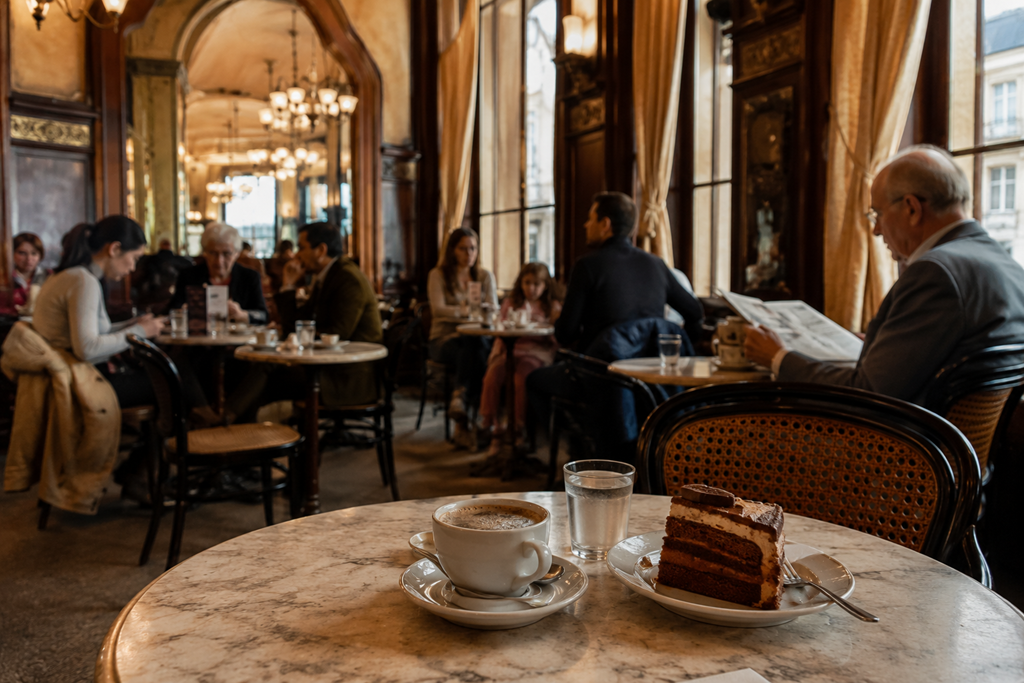
Vienna’s coffeehouse culture is one of the city’s most enjoyable traditions. A coffeehouse stop can be more than a quick drink; it can be a pause between museums, a place to read, or a way to experience the city’s slower social rhythm.
Classic cafés can be busy, especially in central areas. If one is full, there are many alternatives, and part of the pleasure is finding a café that fits your pace.
Music And Culture In Vienna
Vienna is deeply connected to classical music, from the era of Viennese Classicism through the early 20th century. UNESCO notes the city’s role as a leading European music center, which helps explain why music remains central to its identity.
You can experience this heritage in several ways:
- Attend an opera, symphony, chamber concert, or church concert
- Visit music-related museums or composer residences when open
- Walk through historic districts connected to Vienna’s musical past
- Explore venues from the outside even if you do not attend a performance
- Choose one meaningful music experience instead of overloading your schedule
If you are new to classical music, do not feel pressured to choose the most formal event. A shorter concert, a beautiful venue, or a program with familiar composers can be a more approachable introduction.
Because performance schedules and museum access can change, confirm current details before booking.
Food And Drink In Vienna
Vienna’s food culture is hearty, traditional, and café-centered, but it also includes markets, bakeries, wine taverns, and international influences.
Classic Dishes To Try
Some traditional foods and sweets commonly associated with Vienna include:
- Wiener schnitzel
- Tafelspitz
- Goulash-style dishes
- Apfelstrudel
- Sachertorte
- Kaiserschmarrn
- Sausages from a Würstelstand
- Coffee served with pastries or cake
You do not need to plan every meal around famous dishes. A better approach is to mix a few traditional meals with cafés, market snacks, bakeries, and lighter options.
Coffee And Cake
Coffee and cake are central to the Vienna experience. Rather than treating dessert as an afterthought, consider making a café visit its own part of the day. This works especially well after a museum, before a concert, or during a slower afternoon.
Markets And Casual Eating
Naschmarkt is the most famous market for visitors, but Vienna also has neighborhood bakeries, casual eateries, and seasonal food experiences. Austria’s official tourism site highlights Vienna’s range of culinary experiences, from coffeehouses and Naschmarkt to wine taverns near the city’s edge.
Heurigen And Wine Culture
Heurigen are traditional wine taverns often found in areas on the edge of the city, especially where vineyards are part of the landscape. They can be a rewarding option if you have extra time and want to experience a more relaxed, local-feeling side of Vienna.
Check current opening days before going, as individual taverns may operate on varying schedules.
Getting Around Vienna
Vienna is one of the easier European capitals to navigate. The city has a well-developed public transportation network with underground trains, trams, buses, and local rail connections. The city government notes that Wiener Linien operates underground, tram, and bus services across Vienna, including night service on some lines.
Public Transportation
For most visitors, public transportation is the easiest way to get around. The U-Bahn is useful for longer distances, while trams are especially good for scenic movement through central areas.
Before buying tickets or passes, compare your plans. If you will be moving around often, a multi-day transport option may be convenient. If you are staying centrally and walking a lot, you may need fewer rides than expected. Check current ticket details before purchasing.
Walking
Walking is one of the best ways to experience Vienna. The historic center, Ringstrasse, palace gardens, and museum areas reward slow exploration. Comfortable shoes matter, especially because cobblestones and long museum days can be tiring.
From The Airport
Vienna International Airport is connected to the city by rail, airport train options, buses, taxis, and private transfers. The best choice depends on where you are staying, how much luggage you have, and whether you prefer speed, simplicity, or cost-effectiveness.
Check current routes and ticket details before arrival, especially if landing late at night.
A Simple First-Time Vienna Plan
A good Vienna trip does not need to be packed from morning to night. The city is best when you leave room for cafés, walking, and unplanned discoveries.
Day One: Historic Vienna
Start in the Innere Stadt with St. Stephen’s Cathedral, surrounding streets, and the Hofburg area. Walk part of the Ringstrasse, stop at a café, and consider an evening music experience if you are not too tired.
Day Two: Palaces And Art
Visit Schönbrunn Palace and gardens in the morning or early part of the day. Later, choose Belvedere or a major museum depending on your interests. Keep dinner simple and close to where you are staying.
Day Three: Museums, Markets, And Neighborhoods
Spend time around MuseumsQuartier, Neubau, or Naschmarkt. Choose one museum rather than several, then leave time for shopping streets, cafés, or a slower walk through nearby neighborhoods.
Day Four: Deeper Culture Or A Slower Day
Use an extra day for anything you skipped: Prater, more museums, a wine tavern area, additional palace gardens, or a relaxed day built around food and coffeehouses.
Practical Travel Tips For Vienna
Book Key Experiences Ahead During Busy Periods
For major palace visits, popular performances, and high-demand museums, booking ahead can make your trip smoother. You do not need to schedule every hour, but reserving your most important experiences helps avoid disappointment.
Check Opening Hours Before You Go
Museum hours, palace access, performance schedules, and restaurant days can change. Before building your day around a specific place, check the official site or current listing.
Do Not Overload Your Museum Days
Vienna has excellent museums, but they are often large and mentally demanding. One major museum in a day may be more satisfying than rushing through three.
Use Geography To Plan Your Days
Group nearby sights together. For example, pair the Hofburg with the historic center, MuseumsQuartier with Neubau, Belvedere with nearby parks or Landstrasse, and Schönbrunn with a less demanding evening.
Keep Evenings Flexible
Vienna evenings can be used for concerts, opera, cafés, walks, or simple dinners. If you are visiting after a long travel day, avoid committing to an intense first evening unless you know you will have the energy.
Learn A Few Basic German Phrases
Many people working in tourism speak English, but simple greetings and polite phrases are still appreciated. A few basics can make interactions feel smoother and more respectful.
Carry A Little Cash
Cards are widely used, but having some cash can still be useful for small purchases, market stalls, tips, or occasional places that prefer it.
Dress For Walking And Weather
Vienna can feel elegant, but sightseeing still involves real walking. Pack comfortable shoes, layers, and weather-appropriate outerwear. In colder months, museums and cafés become welcome breaks between outdoor walks.
Common Mistakes To Avoid
Trying To See Every Palace And Museum
Vienna has more cultural sites than most travelers can comfortably enjoy in one visit. Choose based on your interests rather than obligation.
Treating Coffeehouses Like Quick Stops Only
A Viennese coffeehouse is worth experiencing slowly. Build in time to sit, pause, and enjoy the atmosphere.
Staying Too Far From Transit
Vienna’s public transport is strong, but staying near a useful U-Bahn or tram line makes a big difference, especially after long sightseeing days.
Ignoring Neighborhoods Outside The Historic Center
The Innere Stadt is beautiful, but areas like Neubau, Wieden, Leopoldstadt, and Landstrasse can make the city feel more personal and less museum-like.
Forgetting To Verify Details
The best evergreen plan still needs current checks. Before visiting major attractions, confirm opening hours, reservation requirements, performance schedules, and transport changes.
Is Vienna Worth Visiting?
Vienna is absolutely worth visiting if you enjoy culture, architecture, music, museums, cafés, and cities with a strong sense of history. It is polished without being difficult, grand without requiring constant rushing, and rich enough to reward both short visits and longer stays.
The best way to experience Vienna is not to chase every famous attraction. Choose a few major sights, give yourself time to walk, sit in cafés, listen to music if it interests you, and let the city’s layers unfold at a comfortable pace.
For many travelers, Vienna becomes memorable not only because of its palaces and museums, but because of the spaces between them: a quiet street near the Ringstrasse, a long coffee break, a tram ride past historic buildings, or an evening walk after a concert.
Download Our Free E-book!