Miami is one of those destinations where it helps to plan with a little intention. The city has famous beaches, colorful neighborhoods, waterfront views, Latin American and Caribbean food traditions, major museums, historic architecture, and nightlife that can be as low-key or energetic as you want it to be.
This guide focuses on the best things to do in Miami for a well-rounded trip: beach time, culture, food, art, nature, and classic first-time visitor experiences. It is designed to help you choose what is actually worth your time, especially if you want to see more than just South Beach.
Beaches, Waterfront Views, And Outdoor Experiences
1)) Spend Time On South Beach
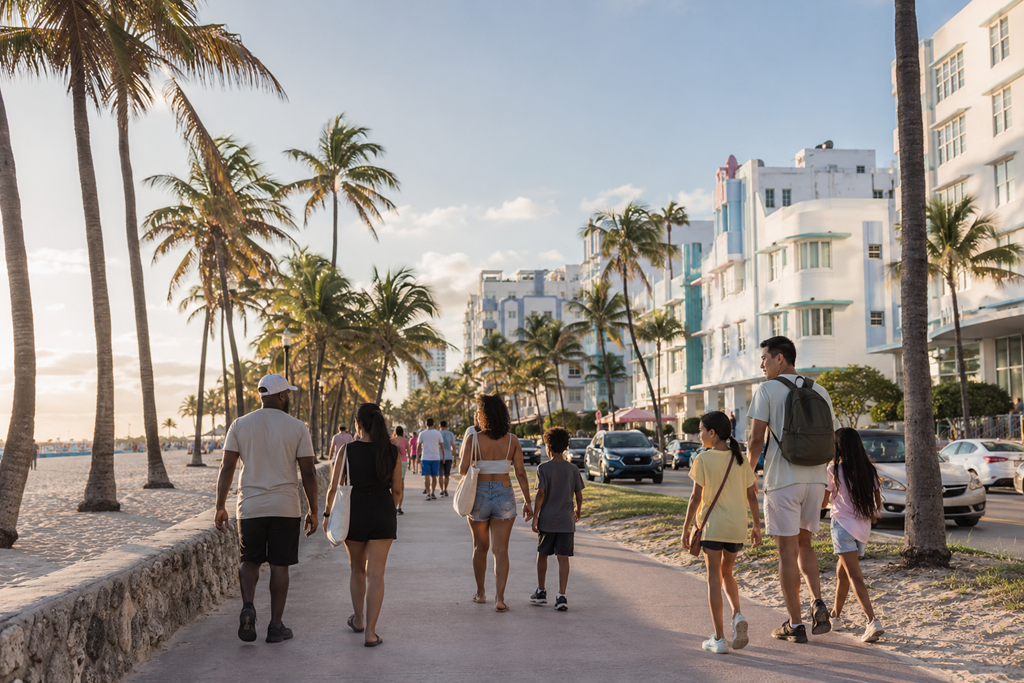
South Beach is the classic Miami starting point for a reason. It gives you the city’s most recognizable mix of sand, turquoise water, palm trees, beach paths, pastel architecture, and people-watching.
It is best for first-time visitors, beach lovers, photographers, and anyone who wants the “Miami postcard” experience. You can keep it simple: walk the beach, rent a chair, swim when conditions are safe, or stroll along Ocean Drive and nearby Collins Avenue afterward.
South Beach is also one of the easiest places to combine several Miami experiences in one outing. You can see the beach, explore the Art Deco Historic District, stop for a meal, and stay into the evening without needing to move your car or change neighborhoods.
Check current beach conditions before swimming, and expect the area to be busiest during weekends, holidays, and peak travel periods.
2)) Walk Through The Art Deco Historic District
The Art Deco Historic District is one of Miami Beach’s most distinctive cultural areas. Its hotels and buildings are known for geometric shapes, pastel colors, neon details, rounded corners, and the architectural styles that give South Beach much of its identity. The Greater Miami & Miami Beach tourism site highlights walking tours that introduce visitors to Art Deco, Mediterranean Revival, and Miami Modern design in the district.
This is a good activity even if you are not usually interested in architecture. The buildings are easy to enjoy visually, and the district gives context to why Miami Beach looks and feels so different from many other beach cities.
For a relaxed visit, walk during the morning or late afternoon, when the light is softer and the heat is easier to manage. If you want more background, consider a guided walking tour or stop by the Art Deco Welcome Center before exploring.
3)) Visit Bill Baggs Cape Florida State Park
Bill Baggs Cape Florida State Park sits at the southern end of Key Biscayne and offers a quieter alternative to Miami’s busier beach areas. The park is known for Atlantic Ocean views, Biscayne Bay scenery, trails, beach access, and the historic Cape Florida Lighthouse, which Florida State Parks describes as dating to 1825.
This is a strong choice if you want a beach day that feels more natural and less built-up. It works well for families, couples, solo travelers, and anyone who wants to balance Miami’s city energy with a slower outdoor experience.
Plan for transportation time, bring sun protection, and check current park updates before you go. If lighthouse access or tours are important to you, verify availability ahead of time.
4)) Take In Biscayne Bay From The Water
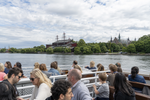
Miami makes more sense when you see it from the water. Biscayne Bay separates mainland Miami from Miami Beach, and a boat ride can give you views of the skyline, islands, bridges, marinas, and waterfront homes.
You can choose a sightseeing cruise, small-group boat tour, sailing trip, kayak outing, or paddleboarding experience depending on your comfort level and budget. The best option depends on what kind of trip you want: easy sightseeing, active time outdoors, or a more private experience.
For most first-time visitors, a simple bay cruise is enough to add variety to the trip without taking a full day. Check weather conditions before booking, especially during stormier months.
5)) Explore Biscayne National Park
Biscayne National Park is one of the most unique nature experiences near Miami. The National Park Service notes that the park protects coral reefs, mangrove forests, Biscayne Bay, Florida Keys, and thousands of years of human history.
Unlike many national parks, much of Biscayne is water-based. That means the best experiences often involve guided boat trips, snorkeling, paddling, or eco-adventures departing from the visitor center area.
This is best for travelers who want nature, water, wildlife, and a bigger sense of South Florida’s coastal environment. It is not the easiest attraction to casually “drop by” if you are staying in South Beach, so give it proper planning time.
6)) Take A Day Trip Toward The Everglades
The Everglades are not in central Miami, but they are one of the most memorable natural landscapes within reach of the city. A day trip can introduce you to wetlands, sawgrass, birdlife, alligators, and a completely different side of South Florida.
This is best for visitors who want to understand the region beyond beaches and nightlife. The key is choosing the right kind of visit. Some travelers prefer a short airboat-style experience, while others may want boardwalk trails, wildlife viewing, or a more educational park visit.
Because travel times, weather, and access points vary, keep this flexible. Book ahead during busy travel periods and check current conditions before committing to a full-day plan.
Culture, Art, And Neighborhoods
7)) Spend A Morning In Little Havana
Little Havana is one of Miami’s most important cultural neighborhoods and a rewarding place to experience Cuban and Cuban American influence in the city. Calle Ocho is the main visitor-friendly corridor, with cafes, cigar shops, murals, music, domino games, and classic food stops. Visit Florida’s Little Havana guide highlights experiences such as drinking cafecito, strolling Calle Ocho, watching cigar rollers, and trying Cuban food.
Go with curiosity rather than a checklist. Have a Cuban coffee, try a pastelito or Cuban sandwich, walk slowly, and give yourself time to notice the details. A guided food or culture tour can be worthwhile if you want more context and do not want to guess where to stop.
Little Havana is especially good for travelers who enjoy food, music, local history, and neighborhoods with a strong sense of place.
8)) See Street Art In Wynwood
Wynwood is Miami’s best-known arts district, especially for murals, galleries, creative businesses, and colorful streetscapes. It is one of the easiest places to add visual variety to your trip, and it works well as a daytime or early evening stop.
Wynwood Walls is the most structured art experience in the area, while the broader neighborhood offers murals, cafes, shops, and galleries. The experience can be as quick as a walk and photo stop or as full as an afternoon built around art, food, and drinks.
This is best for travelers who like contemporary art, street photography, design, and neighborhoods that feel different from the beach. Since specific businesses and murals can change, treat Wynwood as a district to explore rather than a fixed checklist.
9)) Visit Pérez Art Museum Miami
Pérez Art Museum Miami, often called PAMM, is one of the city’s major cultural stops. The museum describes itself as a modern and contemporary art museum focused on international art of the 20th and 21st centuries.
Its waterfront location in Downtown Miami adds to the experience. Even visitors who are not deeply into museums may appreciate the building, outdoor spaces, bay views, and shaded areas.
PAMM is a good choice when you want a break from heat, beach time, or nightlife. It also pairs well with a broader Downtown or waterfront outing.
Check current exhibitions and timed-entry details before visiting, since museum programming and access can change.
10)) Tour Vizcaya Museum And Gardens
Vizcaya Museum and Gardens is one of Miami’s most atmospheric historic sites. The museum presents the former estate of James Deering, with a Main House, formal gardens, waterfront views, and European-inspired design. Vizcaya identifies itself as a National Historic Landmark in Miami.
This is one of the best things to do in Miami if you want beauty, history, architecture, gardens, and a slower-paced experience. It feels very different from South Beach and Wynwood, which makes it useful for adding contrast to your itinerary.
Visit earlier in the day if you want more comfortable garden time. Check current hours, ticket requirements, and preservation-related closures before you go.
11)) Explore Coconut Grove
Coconut Grove is one of Miami’s oldest and most appealing neighborhoods for a slower afternoon. It has leafy streets, cafes, boutiques, parks, waterfront access, and a more residential feel than South Beach or Downtown.
The neighborhood is best for travelers who like walking, browsing, and taking breaks rather than moving from attraction to attraction. It is also a good area for a meal when you want something relaxed but still connected to Miami’s local character.
Coconut Grove pairs well with Vizcaya because they are relatively close compared with many other Miami attractions. You can visit Vizcaya first, then spend the rest of the day in the Grove.
12)) Walk Through The Miami Design District
The Miami Design District is known for architecture, public art, luxury shopping, galleries, restaurants, and polished streetscapes. It is not the best choice if you are looking for a budget-focused day, but it is worthwhile if you enjoy design, fashion, photography, or contemporary urban spaces.
You do not need to shop to enjoy it. Many visitors come to walk, see public installations, admire the buildings, and stop for coffee or lunch. It also pairs well with Wynwood because the two neighborhoods are relatively close, though their personalities are quite different.
For a practical route, visit Wynwood first for murals and a more casual arts atmosphere, then continue to the Design District for architecture and a cleaner, more curated visual experience.
Food, Music, And Nightlife
13)) Try Cuban Coffee, Pastelitos, And Classic Miami Flavors
Food is one of the best ways to understand Miami. Cuban coffee, pastelitos, croquetas, Cuban sandwiches, empanadas, tropical fruit juices, stone crab when in season, fresh seafood, and Caribbean-influenced dishes all help tell the story of the city.
You do not need a famous restaurant reservation to have a good food experience. A bakery counter, ventanita, casual Cuban restaurant, neighborhood cafe, or food hall can be just as memorable.
Little Havana is a natural starting point for Cuban flavors, but you will find Latin American and Caribbean food across the city. If food is a major priority, consider a guided food tour early in the trip so you can learn what to look for during the rest of your stay.
14)) Experience Miami Nightlife In A Way That Fits Your Style
Miami nightlife is famous, but it does not have to mean a late-night club. You can choose rooftop drinks, live Latin music, hotel bars, waterfront lounges, salsa dancing, cocktail bars, comedy shows, or a simple evening walk along a lively street.
South Beach is the classic nightlife area, especially around Ocean Drive, Collins Avenue, and nearby clubs. Brickell offers a more polished city feel. Wynwood can be good for bars, breweries, and a more casual arts-district atmosphere.
The best approach is to decide what kind of night you actually want. If you enjoy clubs, plan ahead and check dress codes, entry policies, and transportation. If you prefer something easier, choose a dinner-and-walk evening in South Beach, Brickell, or Coconut Grove.
15)) Listen To Live Music Or Go Dancing
Music is woven into Miami’s identity, especially through Latin, Caribbean, jazz, electronic, and global influences. A live music night or dancing experience can be more memorable than simply visiting a bar.
Look for salsa, son, reggaeton, jazz, DJ sets, or Latin fusion depending on your interests. Little Havana is a good place to start for Cuban music and dancing, while South Beach and Downtown offer a broader nightlife mix.
Because specific venues and schedules can change, focus on the type of experience instead of one fixed place. Check current calendars close to your trip and book ahead when a show or performance matters to you.
Markets, Gardens, And Easy Wandering
16)) Visit Bayside Marketplace And The Downtown Waterfront
Bayside Marketplace is touristy, but it can still be useful for first-time visitors who want an easy waterfront stop. It offers bay views, casual dining, shops, music, and access to many boat tours.
The best reason to go is convenience. If you are already Downtown, it is a simple place to walk, grab a drink, join a bay cruise, or take in the skyline. It is not the most local-feeling Miami experience, but it can be enjoyable when treated as a light waterfront stop rather than the centerpiece of your trip.
Pair it with PAMM, Museum Park, or a boat tour for a more complete Downtown day.
17)) Slow Down At A Garden Or Park
Miami has several green spaces that help balance the pace of the city. Depending on where you are staying, consider Miami Beach Botanical Garden, The Kampong in Coconut Grove, or one of the bayfront parks near Downtown.
This kind of stop is especially helpful on longer trips, family trips, or itineraries that include a lot of food, nightlife, and beach time. Gardens and parks give you a reset without needing a full day trip.
Check current access details before visiting, especially for gardens that may require reservations, guided entry, or limited visiting windows.
18)) Explore A Miami Neighborhood Without A Tight Schedule
One of the best things to do in Miami is to leave room for wandering. The city is spread out, and trying to see everything can make a trip feel rushed. Choose one or two neighborhoods and give them enough time.
Good options include South Beach for beach and architecture, Little Havana for Cuban culture and food, Wynwood for murals and casual exploring, Coconut Grove for leafy streets and cafes, Brickell for city energy, and the Design District for public art and architecture. Miami’s official tourism site describes the area as a tapestry of distinctive neighborhoods, from South Beach and Coconut Grove to Little Havana and Little Haiti.
This is often where the trip becomes more personal. A coffee stop, shaded walk, small shop, local meal, or unexpected view can be just as satisfying as a major attraction.
How To Prioritize Your Miami Trip
If you only have one day, focus on South Beach, the Art Deco Historic District, and either Little Havana or Wynwood.
If you have two to three days, add Vizcaya, Coconut Grove, PAMM, a Biscayne Bay boat ride, and a more intentional food or nightlife experience.
If you have four or more days, consider Bill Baggs Cape Florida State Park, Biscayne National Park, or an Everglades day trip.
The main thing is not to treat Miami like one compact downtown. The city and surrounding areas are spread out, traffic can affect timing, and neighborhoods feel very different from one another. Group activities by geography when possible, leave space between plans, and verify current hours or reservation requirements before you go.
Download Our Free E-book!